 EN
EN

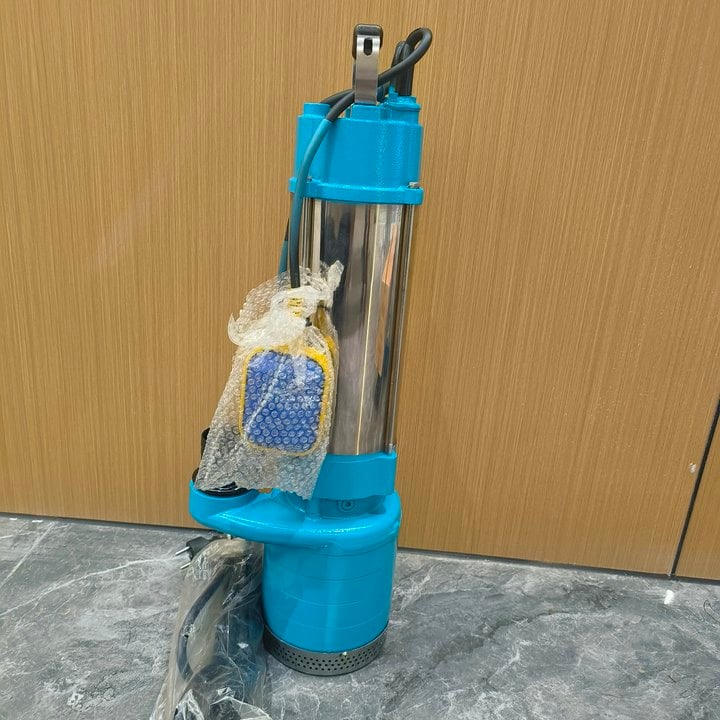
Vertical multistage pumps have become the backbone of modern water management systems across industries and agricultural operations. These specialized pumps excel in applications requiring high-pressure delivery over significant vertical distances, making them indispensable for deep well extraction, industrial cooling systems, and large-scale irrigation networks. Understanding where a multistage pump performs best helps operations managers and engineers select the right technology for their specific challenges, ensuring efficiency, reliability, and cost-effectiveness in water delivery solutions.
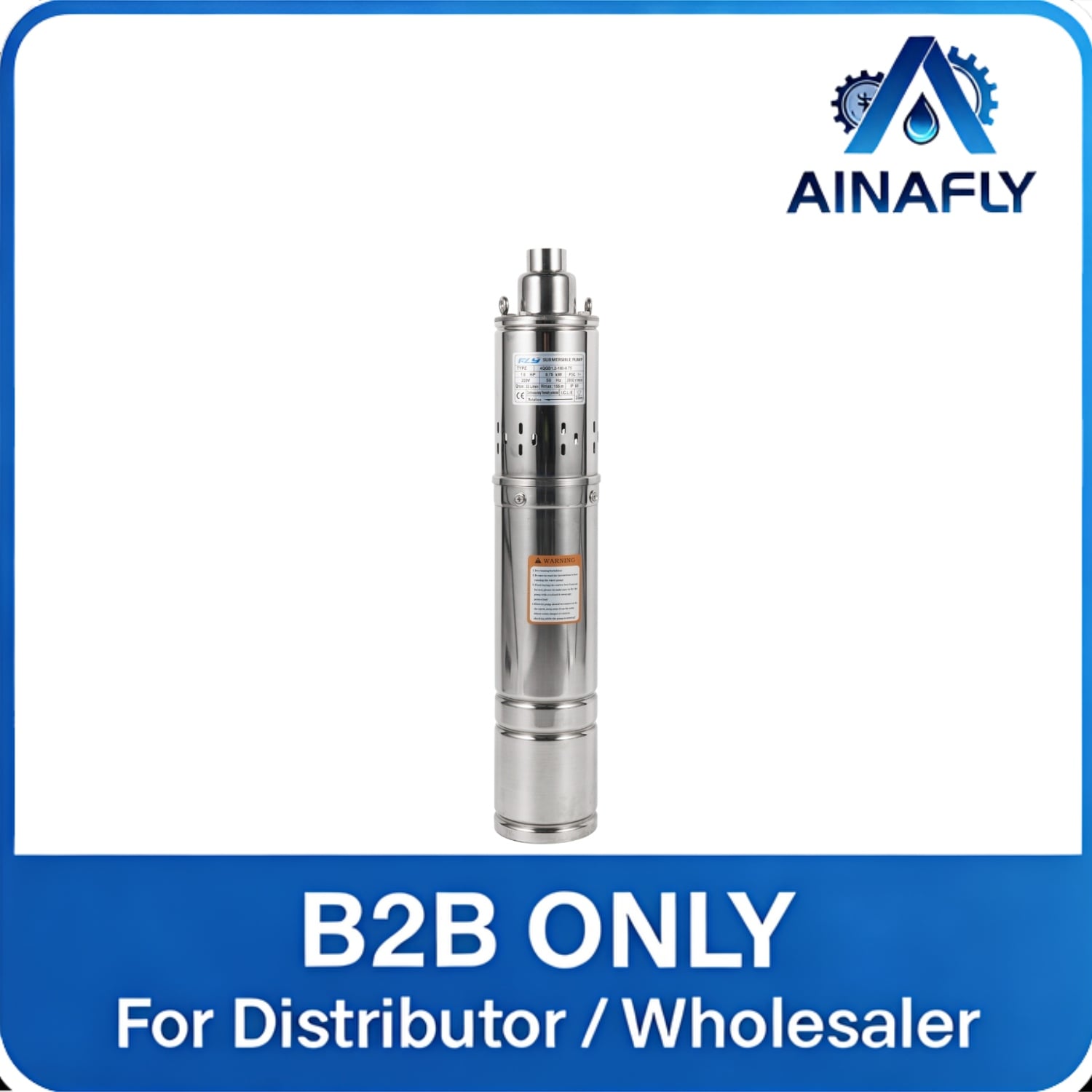
A multistage pump works by stacking multiple impeller stages within a single pump column, with each stage adding pressure to the fluid being transported. This design principle makes a multistage pump exceptionally suited for scenarios where conventional single-stage pumps cannot generate sufficient head or pressure. Whether lifting water from depths exceeding 300 feet or delivering water at pressures above 200 psi across long distribution networks, a multistage pump provides the high-head capability that lower-pressure applications simply cannot achieve.
Deep Well Water Extraction
High-Lift Capacity for Remote Water Sources
Deep well water extraction represents one of the most critical applications for vertical multistage pumps in rural and remote areas. When groundwater lies 200 feet or deeper underground, a multistage pump becomes the only practical solution for reliable water supply. The stacked impeller design of a multistage pump allows it to lift water from extreme depths without cavitation or vapor lock, maintaining consistent delivery even as pressure requirements increase with depth. Communities and agricultural operations relying on deep aquifers depend on multistage pump technology to overcome the extraordinary vertical distance between the water table and the surface.
Rural Water Supply Systems
Rural water supply systems frequently utilize multistage pump installations to serve dispersed populations far from central water infrastructure. A multistage pump installed in a deep borehole can supply multiple villages or farming communities simultaneously, with enough pressure to reach elevated distribution tanks that serve entire regions. The reliability of a multistage pump under continuous operation makes it ideal for systems that cannot tolerate frequent downtime, as pump failures directly impact water security and public health in remote communities. These systems often operate 24/7, and modern multistage pump designs are engineered for extended service life under such demanding conditions.
Large-Scale Irrigation Networks
Pressure Requirements in Drip and Sprinkler Systems
Agricultural irrigation represents another dominant application where multistage pump technology delivers exceptional value. Contemporary drip irrigation and center-pivot sprinkler systems require consistent pressure between 60 and 100 psi to function optimally, and a multistage pump reliably maintains this pressure across thousands of acres. When water must be lifted from a deep well and simultaneously delivered to irrigation equipment spread across elevated terrain, a multistage pump combines both high head and high pressure in a single unit. Without a multistage pump capable of these dual performance requirements, operators would need separate lifting and pressurization equipment, substantially increasing capital costs and system complexity.
Large Farm Operations and Agribusiness
Farm operations managing hundreds or thousands of acres depend on multistage pump systems to maximize crop yield through reliable water delivery. A multistage pump enables agribusinesses to tap deeper aquifers that remain consistent during droughts when shallow wells fail, providing insurance against seasonal water availability fluctuations. The energy efficiency of modern multistage pump designs, particularly those powered by solar or variable frequency drive motors, makes them economically sustainable for large-scale farming operations operating on tight margins. Agribusinesses have found that investing in quality multistage pump infrastructure delivers faster return on investment through increased crop productivity and reduced water waste compared to older, less efficient pumping solutions.
Industrial and Municipal Applications
Water Booster and Pressurization Systems
Industrial facilities and municipal water utilities rely on multistage pump technology for water boosting and pressurization in tall buildings, manufacturing plants, and distributed supply networks. High-rise residential and commercial buildings often require a multistage pump to supplement municipal supply pressure, ensuring adequate water flow to upper floors where static pressure naturally diminishes. Manufacturing processes requiring process water at specific pressures, such as cooling systems, washdown operations, and industrial cleaning, frequently employ a multistage pump because single-stage alternatives cannot maintain required pressures over continuous duty cycles. A multistage pump's modular pressure generation makes it the preferred choice for applications where pressure reliability directly impacts production efficiency and product quality.
Fire Protection and Emergency Response Systems
Fire protection systems in high-rise buildings and industrial complexes depend on multistage pump units to deliver water at the pressures and volumes required by fire suppression codes. When fire service connections must reach upper floors or when buildings sit at elevations requiring significant pressure boost, a multistage pump provides the only reliable solution for meeting regulatory flow and pressure mandates. Emergency response systems cannot tolerate pump failure, making the robust construction and proven reliability of multistage pump technology essential for life safety applications. Municipal water departments also specify multistage pump installations for hydrant networks in areas where topography creates naturally low-pressure zones that would otherwise compromise firefighting capabilities.
FAQ
What depth range is a multistage pump designed to handle?
A multistage pump can efficiently lift water from depths ranging from 200 feet to over 1000 feet, depending on the number of stages and motor horsepower. Standard installations typically feature 8 to 16 stages, with each stage capable of lifting water approximately 33 feet against atmospheric pressure. Engineers can configure a multistage pump with additional stages for exceptional depths or specify models designed for extreme head requirements. The modular nature of multistage pump technology allows customization to match virtually any depth encountered in practical applications, from moderate wells to mines and geothermal installations.
How does a multistage pump compare to a single-stage pump for pressure requirements?
A multistage pump generates substantially higher pressure than a single-stage pump operating at identical speeds because multiple impellers work in series to compound pressure effects. Where a single-stage pump might deliver 50 psi, a multistage pump with ten stages can deliver 500 psi or more, making it the only practical choice for high-pressure industrial applications and deep water extraction. The tradeoff is that a multistage pump typically handles smaller flow volumes compared to large single-stage centrifugal pumps, making the two technologies complementary rather than directly competitive. Selecting between single-stage and multistage pump designs requires matching the specific combination of pressure and flow requirements to the most economical technology.
Can a multistage pump be used in variable frequency drive systems?
Yes, modern multistage pump designs integrate seamlessly with variable frequency drive motors, allowing operators to adjust pump speed and output based on real-time demand. This capability makes a multistage pump exceptionally energy-efficient in applications with fluctuating water requirements, as the pump consumes only the energy necessary to meet current system demand rather than running constantly at full capacity. Variable frequency drive technology combined with multistage pump systems enables significant energy savings in irrigation, municipal supply, and industrial applications, often recovering equipment costs within three to five years through reduced electricity consumption and extended pump component life.