 EN

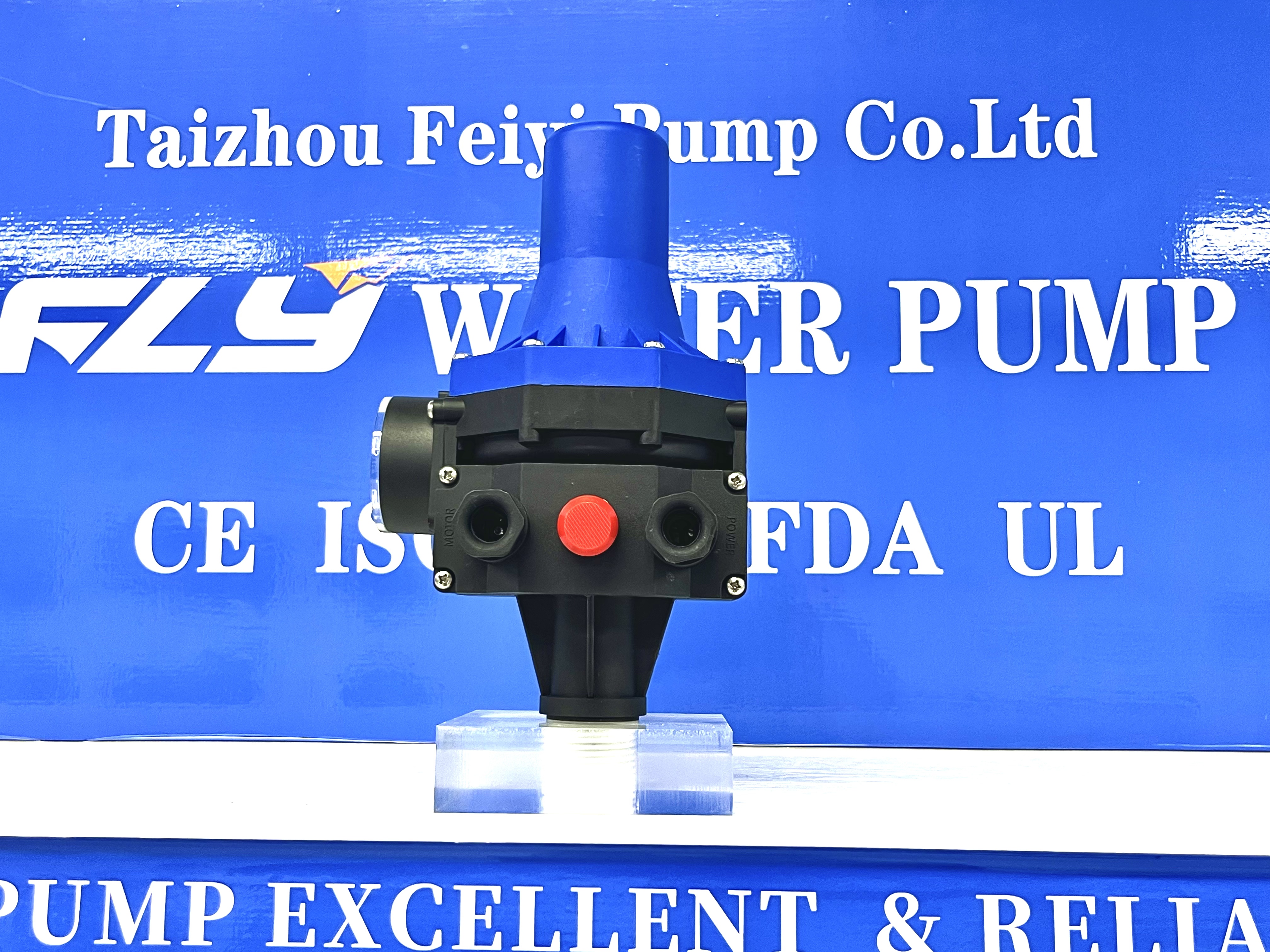
A pressure switch controls when a water pump runs by responding to changes in water pressure. In a typical system, the pressure switch starts the pump when pressure falls to a set lower point and stops it after pressure rises to a set upper point. This automatic cycle helps maintain usable water pressure without requiring someone to operate the pump manually.

Understanding the pressure switch is useful when specifying, installing, or troubleshooting a pump system. Its operation depends on a simple interaction between sensed pressure, a mechanical or electronic switching mechanism, and the pump’s electrical circuit. The details vary by model, but the basic sequence is consistent: pressure changes move the control through defined start and stop points.
The operating cycle from low pressure to shutoff
How falling pressure starts the pump
When a tap opens or a process draws water, system pressure begins to fall. Once pressure reaches the preset cut-in value, the pressure switch changes electrical state and closes the circuit supplying the pump motor. The pressure switch therefore acts as a demand-responsive control: it does not measure how much water is being used, but reacts to the pressure consequence of that use.
In many installations, a diaphragm or piston inside the pressure switch senses pressure through a port connected to the water line. As pressure drops, the sensing element moves against a spring or other calibrated resistance. When the movement reaches the cut-in threshold, internal contacts close. The pressure switch then sends the start command through the appropriate control circuit, subject to the system’s electrical design and safety devices.
How rising pressure stops the pump
After starting, the pump adds water to the system, so pressure rises. At the preset cut-out value, the pressure switch reverses its electrical state and opens the motor circuit. The pump stops, while stored water or pressure in the connected system remains available. This rise-and-stop response is the second half of the pressure switch cycle and prevents the pump from running continuously after demand has been met.
The difference between cut-in and cut-out pressure is called the differential. For example, a system might start at one pressure and stop at a higher pressure, with the gap determining how far pressure must rise before shutdown. The pressure switch works in coordination with the pump and, where fitted, a pressure tank. The correct range depends on equipment limits and the pressure required at the point of use.
What the sensing and electrical parts do
Pressure sensing and mechanical action
A pressure switch translates water pressure into movement. In a mechanical design, pressure deflects a diaphragm or moves a piston, while springs oppose that force. Adjustment changes spring tension and therefore the pressure at which contacts operate. This arrangement makes the pressure switch a compact control, but it also means that a blocked sensing passage, damaged diaphragm, or unsuitable setting can affect reliable switching.
Some models include a pressure gauge to show the system reading near the control. A gauge helps an installer compare actual pressure with the pressure switch settings during commissioning or diagnosis. It is important to confirm that the gauge is suitable for the system and readable across its normal operating range. A gauge displays pressure; the pressure switch still performs the control action that starts or stops the pump.
Contacts, motor control, and system protection
Inside the pressure switch, electrical contacts open or close as the sensing mechanism crosses its thresholds. In a smaller installation, contacts may control the pump circuit directly if their ratings match the motor requirements. Larger or more demanding systems may use the pressure switch to operate a separate contactor. The switching arrangement must be compatible with the pump voltage, current, and wiring diagram.
The pressure switch is not a substitute for every protective device. Overload protection, grounding, appropriate fusing, and dry-running safeguards may be needed according to the pump and application. A correctly selected pressure switch handles pressure-based cycling, while other controls address electrical faults or lack of water. Keeping these functions distinct helps avoid expecting one component to solve problems outside its intended role.
Settings, installation, and troubleshooting implications
Choosing and adjusting operating points
Setpoints should reflect the pump’s operating range, the plumbing components’ pressure ratings, and the needs of the application. Before adjusting a pressure switch, identify its adjustment method and follow the manufacturer’s instructions. Changing a spring setting can alter cut-in, cut-out, or both, depending on the design. Do not set pressure beyond the limits of the pump, tank, piping, or connected equipment.
A pressure tank can reduce rapid cycling by storing water and allowing pressure to decline gradually between pump starts. Tank precharge must be coordinated with the pressure switch cut-in setting, following the tank maker’s procedure and ensuring the tank is isolated and depressurized as required. If the pressure switch is poorly matched to the tank or pump, the system may cycle frequently, deliver uneven pressure, or fail to reach its stop point.
Installation position also matters. The pressure switch needs a reliable pressure connection and a suitable environment, with electrical wiring protected and installed according to applicable codes. Sediment or scale at a narrow sensing passage can delay pressure response. When a pressure switch is mounted where vibration, moisture, or heat is present, verify the model’s environmental suitability and secure the connection without stressing the housing.
Reading symptoms before changing settings
If a pump does not start, the pressure switch may not be receiving pressure correctly, its contacts may not close, or another circuit component may interrupt power. If the pump runs but does not stop, compare the gauge reading with the cut-out setting and consider whether the pump can produce the required pressure. The pressure switch is one possible cause, but leaks, a worn pump, or a faulty gauge can produce similar symptoms.
Rapid on-and-off cycling can indicate a waterlogged or incorrectly charged tank, a small pressure differential, a leak, or a control problem. Observe the pressure readings through a complete cycle before changing a pressure switch setting. Frequent switching can place extra demand on the motor and contacts, so persistent cycling merits investigation rather than repeated adjustment. Isolate electrical power before inspection, and use a qualified technician for live electrical testing.
A practical check begins with the system’s documented settings, visible gauge behavior, and recent changes in water demand or maintenance. Confirm that the pressure switch connection is clear and that the pump, tank, and wiring are appropriate for the application. Avoid bypassing contacts or raising settings simply to mask low delivery. A measured diagnosis protects equipment and helps determine whether adjustment, cleaning, repair, or replacement is appropriate.
FAQ
Does a pressure switch control water flow directly?
No. A pressure switch responds to system pressure and controls the pump circuit; it does not meter flow through a pipe. Flow changes can cause pressure to change, which then prompts the pressure switch to start or stop the pump at its configured thresholds.
What are cut-in and cut-out settings?
Cut-in is the pressure at which the pressure switch starts the pump as system pressure falls. Cut-out is the higher pressure at which it stops the pump as pressure rises. Their separation is the differential, and the settings must suit the equipment and application.
Why does a pump keep cycling?
Frequent cycling may result from a tank issue, a leak, a narrow operating differential, or an unsuitable pressure switch setting. Check system readings and the tank requirements before adjusting the control. If the cause is unclear, have a qualified technician inspect the installation.