 EN

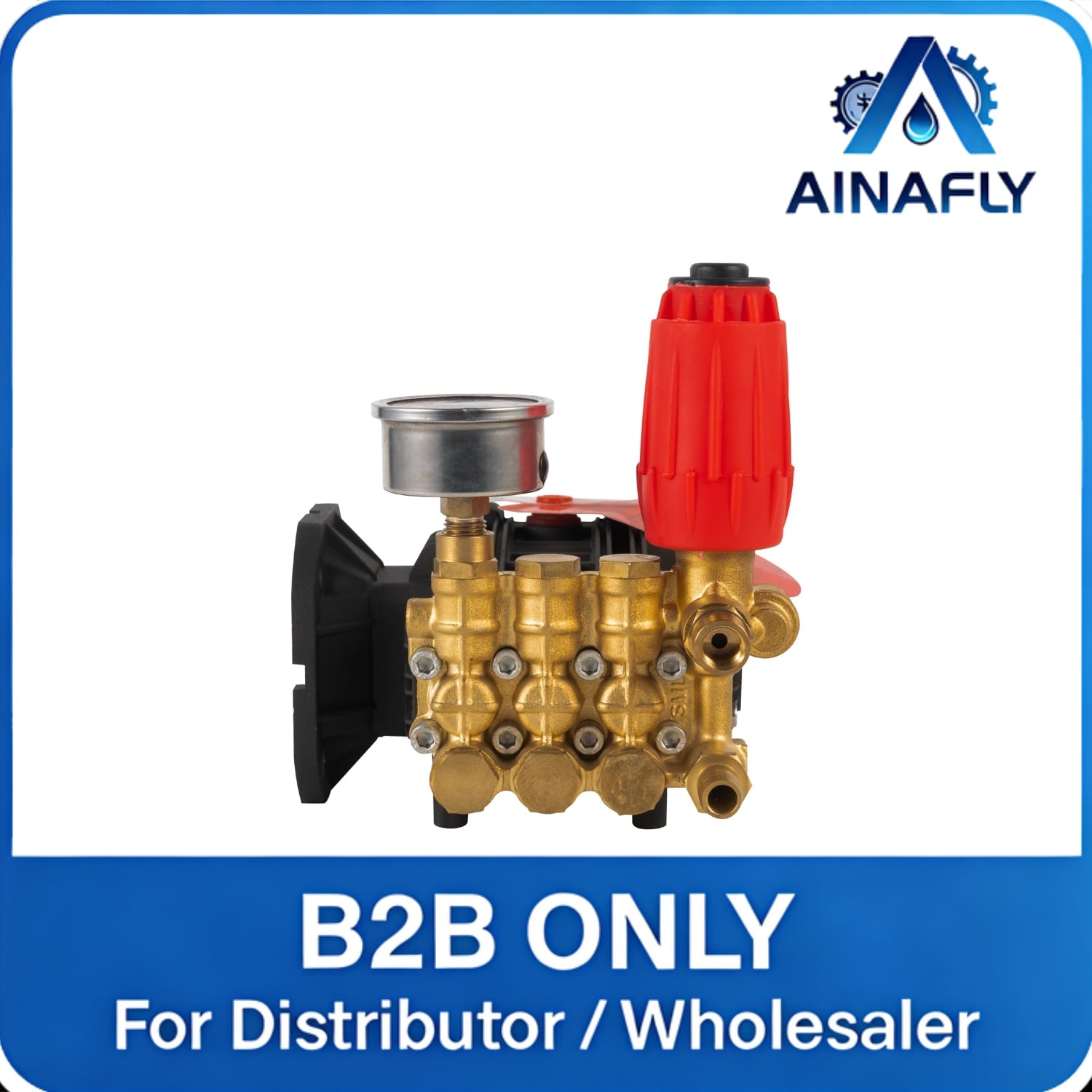
A household water pump is a critical system component that requires consistent attention to maintain reliable performance and extend its operational lifespan. Many homeowners underestimate the importance of regular maintenance, leading to unexpected breakdowns, reduced water pressure, and costly repairs. Understanding what maintenance your household water pump needs ensures your home has continuous access to clean, pressurized water while minimizing energy consumption and preventing emergency service calls. The good news is that most maintenance tasks are straightforward and can be performed by homeowners with basic tools and knowledge.
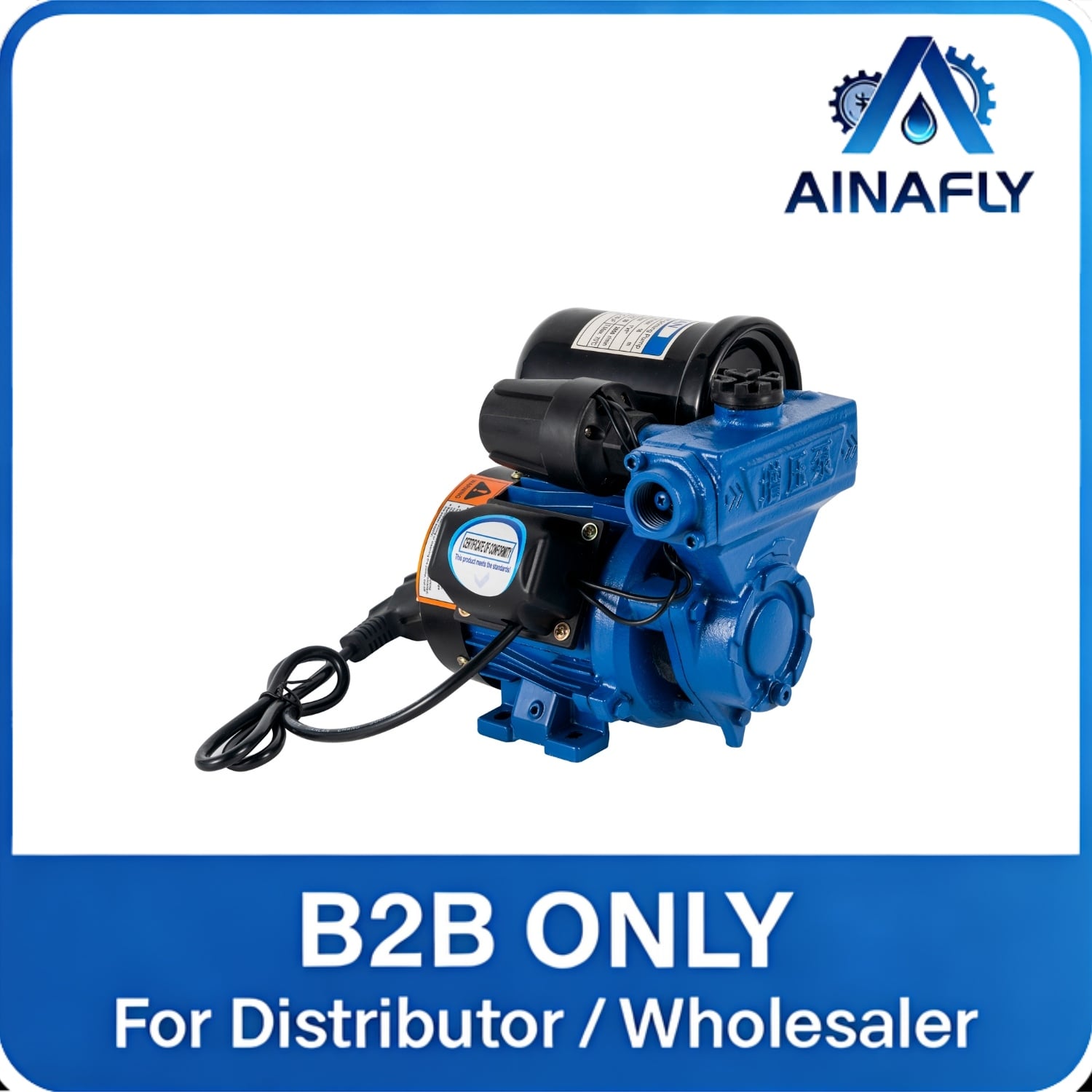
Proper maintenance of your household water pump protects your investment and prevents water supply disruptions during critical times. Whether your household water pump is a shallow-well, deep-well, or booster-type system, each requires specific care routines that align with the manufacturer's recommendations and your local water conditions. This guide walks you through the essential maintenance practices that keep your household water pump functioning at peak efficiency, helping you avoid common failure points and maintain consistent water delivery throughout your home.
Understanding Your Household Water Pump System
Components That Need Regular Attention
A household water pump consists of multiple interconnected components that work together to deliver water pressure and flow to your home. The motor, impeller, intake lines, pressure tank, check valve, and electrical connections all play vital roles in system function. Each component requires different maintenance approaches and inspection frequencies to ensure your household water pump operates reliably. Understanding these parts helps you identify potential problems before they escalate into major repairs or system failures.
The pressure tank in your household water pump system stores pressurized water and prevents the pump from cycling constantly. The check valve prevents backflow and protects your household water pump from damage when water pressure drops. The motor powers the entire system and requires electrical safety checks and lubrication maintenance. Intake filters and strainers in your household water pump assembly prevent debris from entering the system and damaging internal components. Regular inspection of all these elements ensures your household water pump maintains consistent performance year-round.
Maintenance Schedule for Household Water Pump Operations
Establishing a regular maintenance schedule for your household water pump prevents many common problems and extends the system's lifespan significantly. Monthly visual inspections of your household water pump help you catch leaks, unusual noises, or changes in water pressure early. Quarterly maintenance tasks include checking electrical connections, inspecting hoses and fittings, and testing pressure gauges on your household water pump. Annual deep maintenance involves professional service for internal components, pressure tank inspection, and electrical system evaluation of your household water pump.
Seasonal adjustments to your household water pump maintenance routine account for temperature changes and usage variations. During colder months, your household water pump needs special attention to prevent freeze damage in exposed pipes and check valves. In high-demand seasons, your household water pump may cycle more frequently, requiring more frequent filter changes and motor inspections. Creating a written maintenance log for your household water pump helps track when tasks were completed and identifies patterns that indicate emerging problems.
Essential Maintenance Tasks for Your Household Water Pump
Pressure Tank and Pressure Switch Maintenance
The pressure tank in your household water pump system contains an air charge that requires periodic maintenance to function properly. Over time, the air bladder in your household water pump's pressure tank can lose its charge, reducing efficiency and causing the pump to cycle excessively. Testing and replenishing the air charge in your household water pump's pressure tank is a critical maintenance task performed annually or when water pressure fluctuates unexpectedly. The pressure switch that controls when your household water pump activates and deactivates should be tested quarterly to ensure it's calibrated correctly.
Draining accumulated sediment from your household water pump's pressure tank prevents corrosion and maintains water quality. This maintenance task for your household water pump should be performed annually, especially in areas with high mineral content or sediment in the water supply. A faulty pressure switch on your household water pump can cause constant running or failure to activate, both of which reduce efficiency and waste energy. If your household water pump pressure readings seem unstable or the pump cycles unusually frequently, pressure tank and switch maintenance should be your first diagnostic step.
Filter and Intake Strainer Cleaning
Your household water pump intake strainers and sediment filters require regular cleaning to maintain proper water flow and protect internal components from debris damage. Clogged filters in your household water pump force the motor to work harder, increasing energy consumption and heat buildup that can damage the pump. Depending on your water quality, intake filters for your household water pump may need cleaning monthly or quarterly to maintain peak performance. A visibly dirty or clogged filter is a clear sign that your household water pump needs immediate attention to prevent system stress.
Sediment buildup in your household water pump's filter housing reduces flow rate and creates pressure fluctuations that affect water delivery throughout your home. Cleaning the intake strainer on your household water pump is typically a simple task requiring basic tools and takes less than thirty minutes. If you notice reduced water pressure or the pump starting and stopping frequently, your household water pump's filters likely need cleaning. Replacing intake filters rather than just cleaning them is often more cost-effective for your household water pump, especially if the filter is damaged or hasn't been replaced in several years.
Preventing Common Household Water Pump Problems
Leak Detection and Repair
Water leaks in your household water pump system waste water, reduce pressure, and indicate potential component failure that requires immediate attention. Small leaks around fittings on your household water pump are often correctable with simple tightening or sealant application, while internal leaks signal more serious problems. Regular visual inspections of your household water pump help you spot water pooling, dampness, or mineral deposits that indicate leak locations. An older household water pump that develops persistent leaks often costs less to replace than to repair repeatedly, making replacement a practical maintenance decision.
Leaks in the discharge line of your household water pump should be addressed immediately to prevent water loss and maintain adequate pressure for home use. Corrosion on your household water pump's metal fittings accelerates leak development and indicates that protective coatings need attention. If your household water pump is leaking from the motor seal, professional repair or replacement is necessary because internal components cannot be safely serviced by homeowners. Preventive maintenance that includes regular tightening of fittings and application of protective coatings extends the leak-free lifespan of your household water pump.
Electrical System and Motor Care
The motor in your household water pump requires electrical safety checks and lubrication maintenance to operate reliably and safely. Before performing any electrical work on your household water pump, ensure power is disconnected to prevent electrical shock. Checking electrical connections on your household water pump for corrosion, loose terminals, or damaged wiring should be part of quarterly maintenance. If your household water pump motor fails to start or makes unusual electrical humming sounds, professional evaluation is necessary before attempting any repairs.
Lubrication points on your household water pump motor need attention according to the manufacturer's specifications, typically annually for most residential systems. Overlubrication of your household water pump can cause overheating and electrical problems, so follow guidelines carefully when maintaining bearing lubrication. Capacitor failure is a common issue with older household water pump motors that prevents starting and can be detected by humming without water flow. household water pump systems with automatic pressure control features require regular verification that safety shutoffs and protection circuits function correctly.
FAQ
How often should I perform maintenance on my household water pump?
A typical maintenance schedule for your household water pump includes monthly visual inspections, quarterly detailed checks of filters and connections, and annual professional service for internal components. More frequent maintenance may be necessary if you have poor water quality, high mineral content, or if your household water pump cycles constantly. Signs that your household water pump needs immediate maintenance include reduced water pressure, frequent cycling, unusual noises, or visible leaks. Following the manufacturer's maintenance recommendations for your household water pump ensures warranty coverage and optimal system performance.
What are the signs that my household water pump needs maintenance?
Common warning signs your household water pump requires attention include reduced water pressure, water sputtering from faucets, the pump running constantly, unexpected increases in water bills, and vibration or noise from the pump. Visible water leaks around fittings or the motor housing indicate immediate maintenance needs for your household water pump. Discolored water or sediment in your household water pump output suggests filter and intake cleaning are overdue. If your household water pump suddenly stops working or fails to maintain pressure, professional diagnostic service is recommended.
Can I perform all household water pump maintenance myself?
Many household water pump maintenance tasks like filter cleaning, visual inspections, and fitting tightening can be safely performed by homeowners with basic tools. However, tasks involving the pressure tank air charge, electrical components, and internal pump repair should be handled by qualified professionals to prevent damage or safety hazards. Your household water pump manufacturer often specifies which maintenance tasks require professional service, and following these guidelines protects your warranty. When in doubt about safety or complexity, consulting a professional ensures your household water pump receives proper care and maintains reliable performance.