Çeşitli Uygulama Uyumlulukları
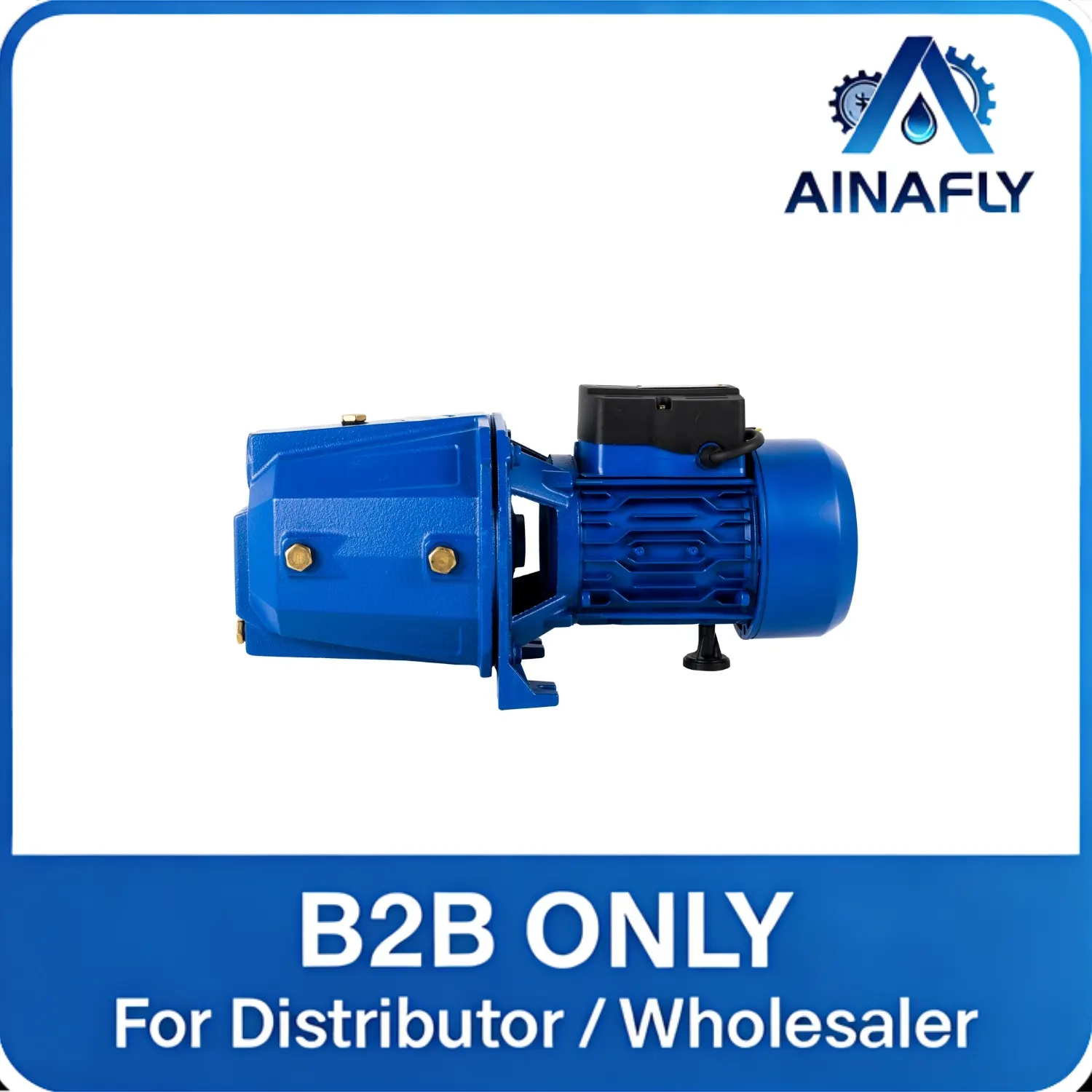
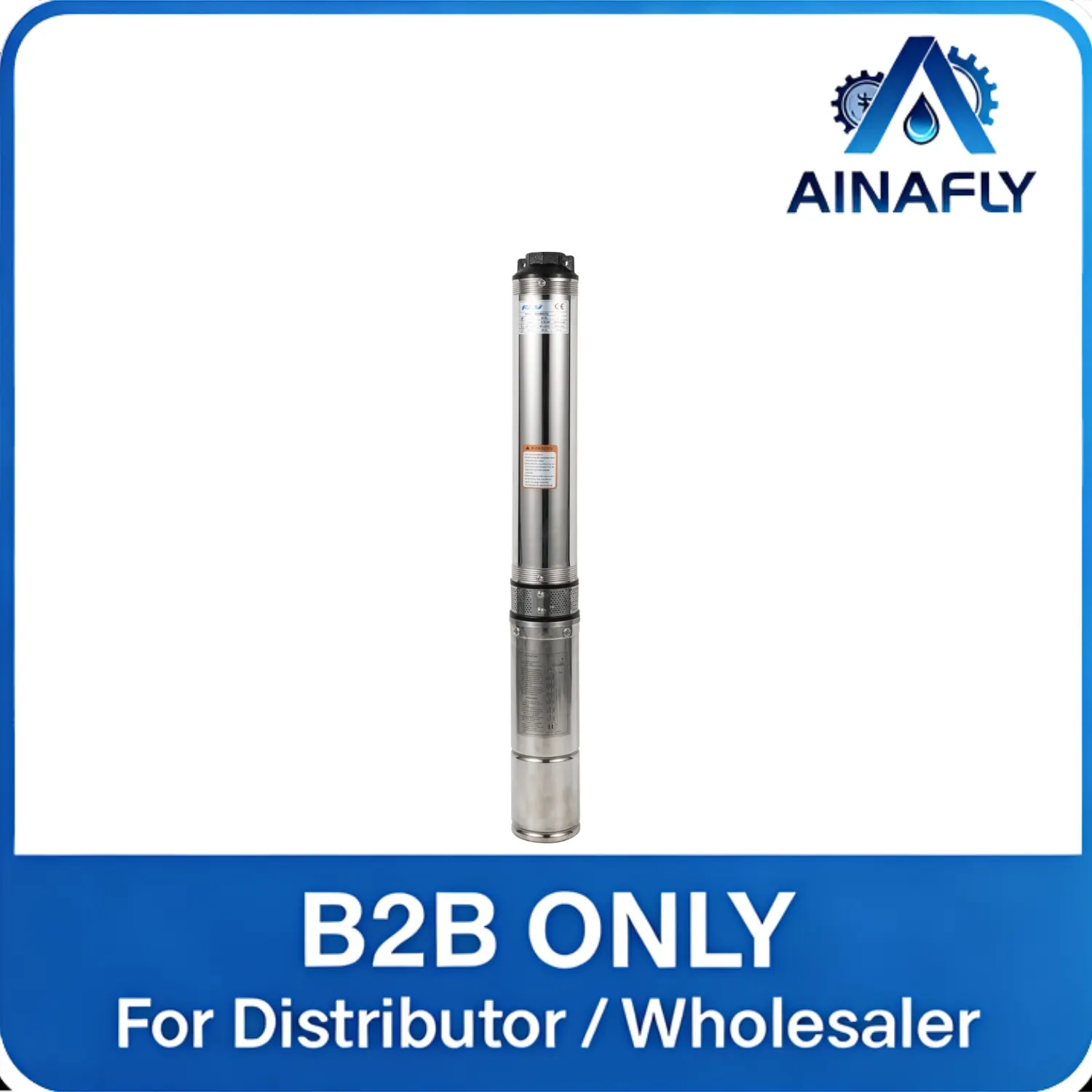
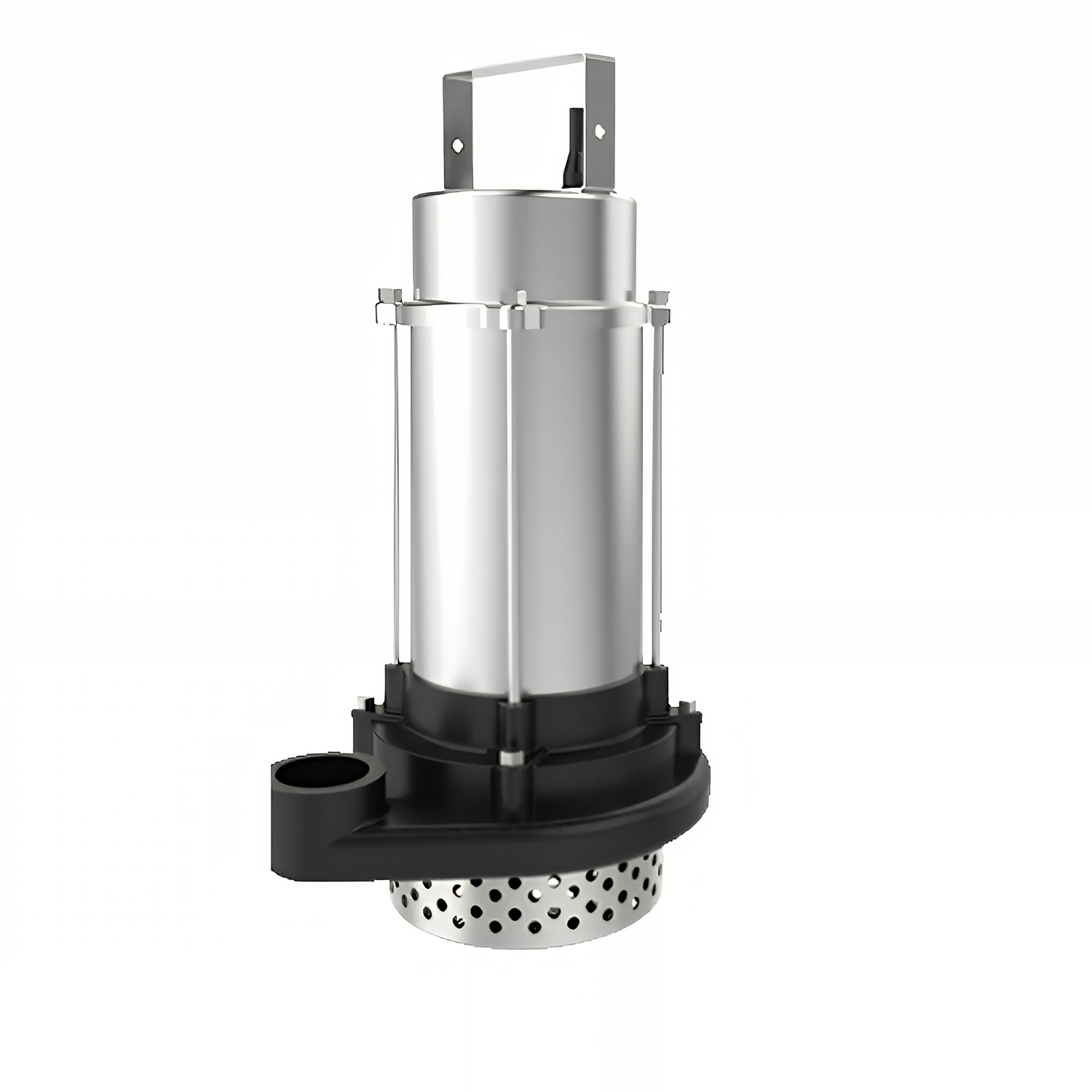
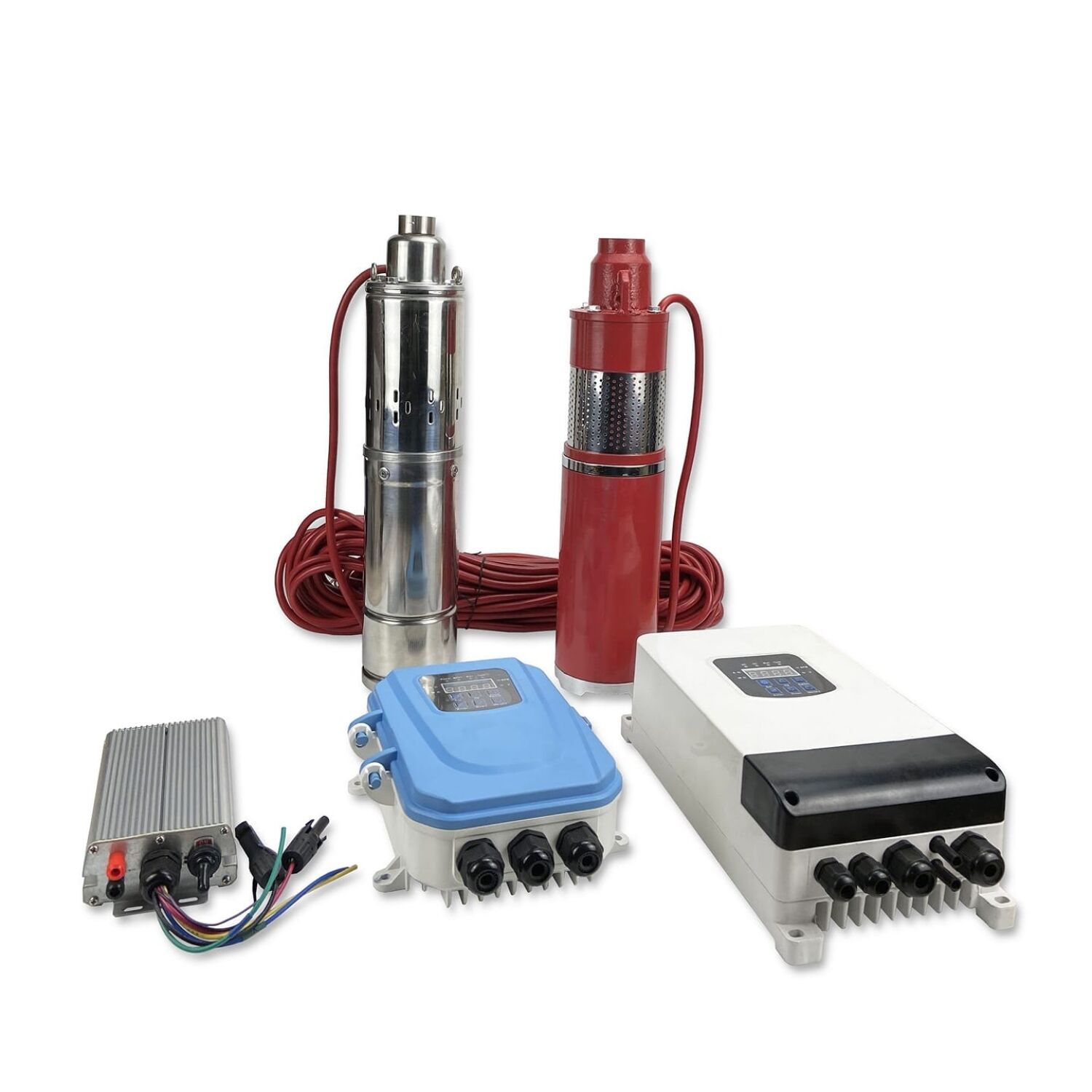
Tarımsal sulama su pompası sistemlerinin çok yönlü uygulama uyumluluğu, bu sistemlerin çeşitli tarım işletmeleri ve sulama yöntemleri boyunca başarılı bir şekilde entegre edilmesini sağlar. Bu uyarlanabilir pompalar, yüzey sulaması, damla sulama, mikro-püskürtücüler, döner (pivot) sistemler ve yağmurlama sistemleri gibi çok sayıda sulama tekniğini sorunsuz şekilde destekler; bu da onları neredeyse herhangi bir ürün türü veya tarla düzenine uygun kılar. Tarımsal sulama su pompalarının çok yönlülüğü, farklı su kaynaklarıyla da uyumlu çalışmayı içerir: uygun emme ve basma kapasiteleriyle yüzey kuyularından, derin sondaj kuyularından, nehirlerden, göllerden, barajlardan ve depolama tanklarından etkili şekilde su çekebilirler. Bu esneklik, çiftçilerin mevsimsel koşullar ve suyun mevcudiyeti gibi değişken senaryolarda su kaynağını en iyi şekilde değerlendirmesini ve aynı zamanda tutarlı sulama performansını sürdürmesini sağlar. Modern pompa tasarımları, 10–30 PSI’lik düşük basınçlı damla sulama sistemlerinden 40–80 PSI’lik yüksek basınçlı yağmurlama ağlarına kadar değişen basınç gereksinimlerini karşılayacak şekilde geliştirilmiştir; böylece mevcut altyapıyla veya planlanan sistem genişletmeleriyle uyumlu olurlar. Ölçeklenebilirlik özelliği, tarımsal sulama su pompası sistemlerinin yalnızca birkaç dönüm alan kaplayan küçük özel ürün işletmelerinden, binlerce hektarlık geniş ticari çiftliklere kadar tüm ölçekleri kapsayacak şekilde hizmet vermesini sağlar. Özel yapılandırmalar, sera iklim kontrolü, hayvan sulama sistemleri, akuakültür işletmeleri ve hidroponik yetiştirme tesisleri gibi benzersiz uygulamaları da destekler. Pompa sistemleri, temiz kuyu suyundan, çamur veya organik madde içeren yüzey suyuna kadar farklı su kalitelerini, uygun filtreleme ve ön işlem sistemleriyle etkili bir şekilde işleyebilir. Kurulum esnekliği, hem taşınabilir hem de sabit yapılandırmalara olanak tanır; bu sayede çiftçiler, operasyonel ihtiyaçlarına göre pompaları mevsimsel olarak taşıyabilir ya da sabit bir sulama altyapısı kurabilirler. Tarımsal sulama su pompalarının uyumluluğu, elektrik motorları, dizel motorlar, güneş panelleri ve traktörlerden alınan güç aktarımı (PTO) sistemleri gibi çeşitli enerji kaynaklarıyla da uyumlu çalışmayı içerir; böylece çiftlik altyapısına ve operasyonel tercihlere en uygun enerji seçeneği sağlanır. Bu kapsamlı uyumluluk, çiftçilerin belirli koşullarına, ürün türlerine veya mevcut ekipmanlarına bakılmaksızın verimli sulama çözümleri uygulayabilmesini garanti eder ve dolayısıyla tarımsal sulama su pompası sistemleri, tarım sektörünün genelinde evrensel olarak uygulanabilir hale gelir.
 EN
EN