 EN

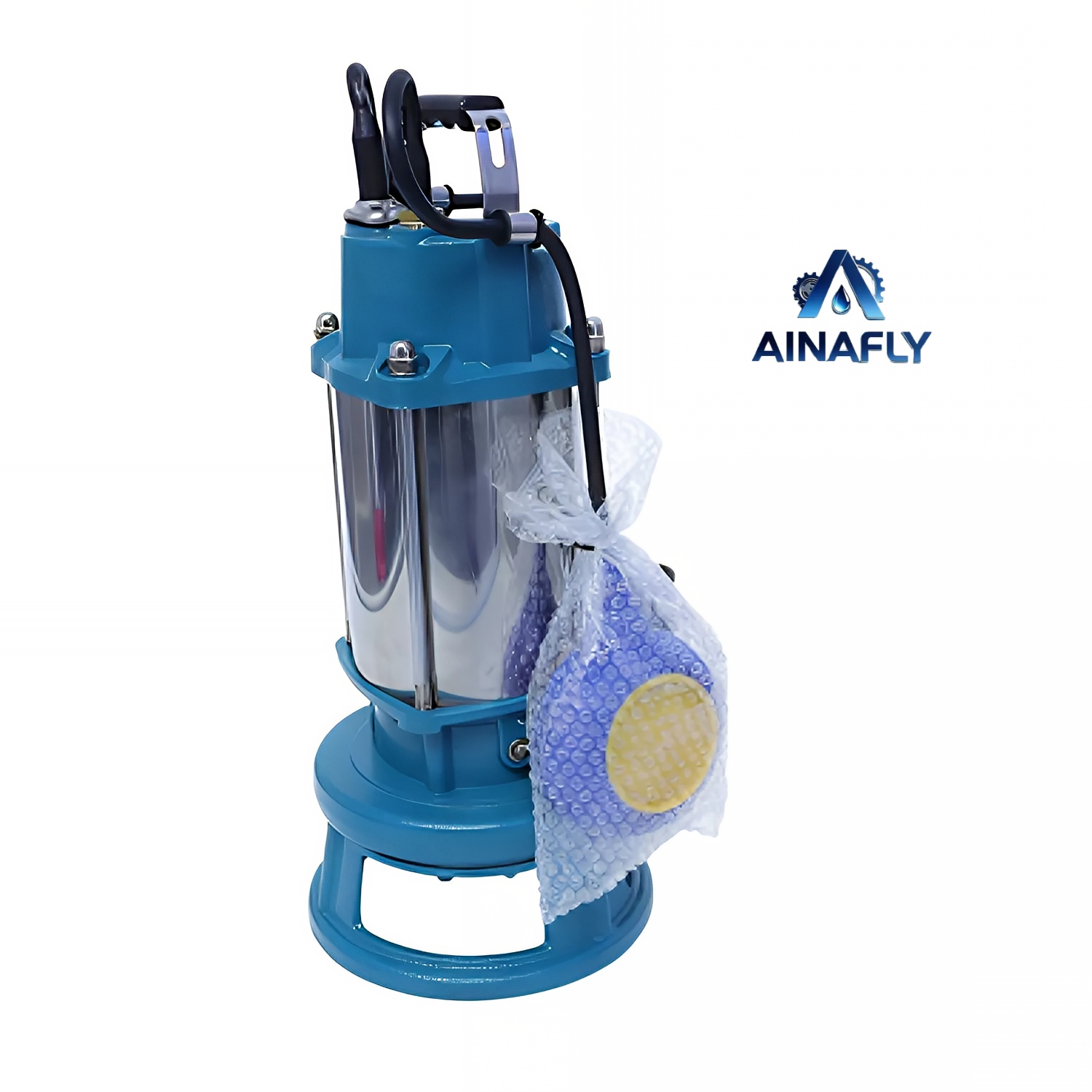
Weather conditions significantly influence how an agricultural water pump operates across different seasons and climate zones. Temperature fluctuations, rainfall patterns, humidity levels, and extreme weather events all affect pump efficiency, longevity, and your farm's irrigation reliability. Understanding these environmental factors is essential when selecting and maintaining an agricultural water pump system that will perform optimally throughout the year.

Selecting the right agricultural water pump requires evaluating how weather patterns in your region will impact system performance. An agricultural water pump designed for tropical climates may struggle in arid regions, while a pump optimized for cold winters might face corrosion challenges in humid coastal areas. By analyzing local weather data and understanding pump specifications, you can choose an agricultural water pump that delivers consistent performance regardless of seasonal changes.
Temperature Effects on Agricultural Water Pump Performance
Cold Weather Impact on Pump Operation
Freezing temperatures pose serious challenges for agricultural water pump systems. When water temperatures drop below freezing, the liquid inside pump chambers and discharge lines can freeze, creating expansion pressure that damages internal components. An agricultural water pump operating in cold climates must include frost protection features such as drain valves, insulation jackets, or submersion depths that keep water above freezing levels. Winter maintenance becomes critical, as idle agricultural water pump equipment left with standing water can suffer catastrophic damage during overnight frost events.
Cold weather also increases fluid viscosity, making it harder for an agricultural water pump to move water efficiently. Motor current draw rises, reducing overall efficiency and increasing energy costs. If your agricultural water pump must operate during winter months, selecting models with cold-weather ratings and thermal protection ensures reliable performance and extends equipment lifespan.
Heat Stress and High-Temperature Performance
Extreme heat reduces the efficiency of an agricultural water pump by lowering water density and increasing vapor pressure, which can cause cavitation. When water vaporizes inside pump chambers, performance drops sharply and mechanical damage accelerates. An agricultural water pump operating in hot climates requires higher submersion depths or installation in cooler groundwater sources to maintain stable inlet conditions. Motor cooling becomes essential, as ambient temperatures above 104°F significantly stress pump motors and reduce service life.
Seasonal heat cycles also affect seals and gaskets on an agricultural water pump. Materials expand and contract with temperature swings, creating micro-gaps that allow leakage. Premium agricultural water pump models use heat-resistant elastomers and stainless steel components to withstand temperature extremes while maintaining reliability across the irrigation season.
Rainfall and Water Level Variations
Drought Conditions and Low Water Availability
Extended dry periods challenge agricultural water pump systems by reducing available water levels in wells and surface sources. When water tables drop significantly, an agricultural water pump may lose prime, cavitate, or run dry if intake depths are miscalculated. Drought-prone regions require selecting an agricultural water pump with adjustable intake depths, dry-run protection, or capacity to draw from deeper groundwater reserves. Monitoring seasonal water level trends helps predict when system modifications become necessary.
During droughts, an agricultural water pump operates at reduced efficiency because lower water availability means pump starts become more frequent and run times extend. This increased cycling stress accelerates wear on motors and mechanical seals. Strategic well depth assessment and selecting the proper agricultural water pump size prevents performance degradation when rainfall becomes sparse.
Heavy Rainfall and Flood Management
Excessive rainfall creates flooding and rising water levels that can submerge or damage surface-mounted agricultural water pump installations. Equipment protection requires elevated mounting platforms or submersible agricultural water pump models designed to operate under flooded conditions. High water levels also increase intake pressure, which reduces the suction lift requirement and improves an agricultural water pump's performance, but creates structural stress on mounting systems.
After heavy rain events, sediment loads in water sources rise sharply, threatening the internal components of an agricultural water pump. Silty or debris-laden water can clog intake screens, damage impellers, and accelerate seal wear. Installing agricultural water pump systems with robust strainers and sediment pre-filtration protects equipment and maintains performance during wet seasons.
Humidity, Corrosion, and Long-Term Agricultural Water Pump Durability
Coastal and High-Humidity Environment Challenges
High humidity and salt exposure in coastal farming regions accelerate corrosion of an agricultural water pump's metal components. Mild steel parts rust rapidly, reducing structural integrity and mechanical reliability. Selecting an agricultural water pump with stainless steel impellers, shafts, and fasteners is essential in salt-spray environments. Epoxy-coated or galvanized finishes on housing also extend agricultural water pump lifespan by preventing surface corrosion that can penetrate deeper into mechanical assemblies.
Regular maintenance becomes more frequent in humid climates because moisture penetration into motor windings creates electrical hazards and promotes insulation breakdown. An agricultural water pump designed for coastal use includes sealed motor chambers, drain ports for moisture removal, and materials specifically rated for marine corrosion environments.
Seasonal Moisture Control and Storage
Off-season storage of an agricultural water pump requires protection from humidity-driven corrosion. Storing equipment indoors, covering exposed surfaces with rust inhibitors, and maintaining dry storage areas prevents moisture damage during dormant months. Before storing an agricultural water pump for winter, drain all water from internal passages and protective coatings to prevent ice damage and corrosion.
Regular inspection of agricultural water pump components during long storage periods identifies early corrosion signs that can be addressed before the next operating season. Applying protective lubricants to bearings and external fasteners maintains equipment condition and ensures reliable startup when seasonal irrigation demands return.
FAQ
How do I select an agricultural water pump for variable seasonal weather?
Choose an agricultural water pump with specifications matching your region's temperature extremes, typical water source depth, and humidity levels. Review manufacturer data for cold-weather and heat-stress ratings, verify submergence requirements, and select materials appropriate for your climate. Consulting weather records from your farm location helps identify the most demanding seasonal conditions your agricultural water pump will face.
What maintenance protects an agricultural water pump during extreme weather?
Before seasonal weather transitions, inspect your agricultural water pump for corrosion, test seals and gaskets, verify drain valve function, and ensure mounting security. After storms or heavy rainfall, clean intake screens and check for debris accumulation. Maintaining records of agricultural water pump performance throughout weather cycles helps identify components requiring preventive replacement before failure occurs.
Can a single agricultural water pump handle both dry and wet seasons?
Yes, but your agricultural water pump must be sized for drought conditions while including design features for flood resilience. Submersible agricultural water pump models adapt more readily to variable water levels than surface-mounted systems. Select an agricultural water pump with dry-run protection, robust intake screening, and weather-resistant materials to ensure consistent performance across seasonal extremes.