 EN

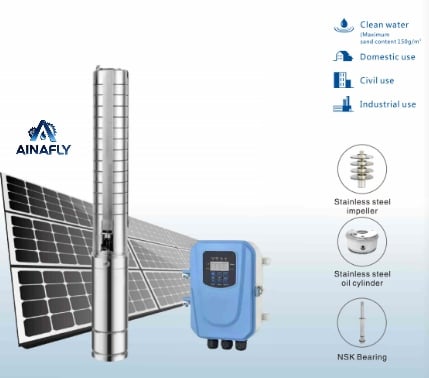
Energy consumption represents one of the most significant operational costs in any facility that relies on industrial pump systems. When an industrial pump operates continuously across manufacturing, agriculture, or municipal water distribution applications, even small improvements in efficiency can translate into substantial annual savings. Understanding how to manage energy consumption in large-scale industrial pump installations requires a strategic approach that combines equipment selection, operational monitoring, maintenance protocols, and system design optimization. This comprehensive guide explores practical methods to reduce energy waste while maintaining the performance your industrial pump infrastructure demands.

The complexity of managing an industrial pump system extends far beyond simply turning equipment on and off. Large-scale operations involve interconnected components, variable flow demands, temperature fluctuations, and pressure variations that constantly influence power consumption patterns. An industrial pump that operates inefficiently for just one hour per day can waste enough energy annually to justify a complete system upgrade. By implementing evidence-based management practices, facility operators can achieve energy reductions of twenty to forty percent while improving system reliability and extending equipment lifespan.
Selecting the Right Industrial Pump for Energy Efficiency
Understanding Industrial Pump Performance Curves and Operating Ranges
Every industrial pump has an optimal operating point where it delivers maximum efficiency. This point appears on the pump's performance curve, typically represented as a graph showing head, flow rate, and efficiency relationships. When an industrial pump operates far from its best efficiency point, energy waste accelerates dramatically. A pump sized incorrectly for its actual duty cycle may run continuously at partial load, consuming far more power than necessary. Engineers must analyze actual flow requirements across all operating scenarios to ensure the selected industrial pump matches real-world demands rather than worst-case scenarios.
Variable Speed Drives and Industrial Pump Modulation
Installing variable speed drives on an industrial pump transforms energy consumption patterns. Rather than running at constant speed regardless of flow demand, the industrial pump can adjust its speed to match instantaneous requirements. This technology delivers quadratic energy savings because pump power consumption varies with the cube of speed changes. An industrial pump running at fifty percent speed consumes only twelve and a half percent of full-speed power. Most industrial pump applications experience significant portions of operation at reduced flow, making variable speed technology a primary energy management tool.
Operational Strategies for Managing Energy Consumption
Demand Analysis and Industrial Pump Scheduling
Comprehensive analysis of actual flow demands reveals opportunities to optimize when an industrial pump operates. Many facilities discover they can redistribute pumping schedules to avoid peak electrical rates while meeting production deadlines. An industrial pump handling irrigation water might operate during off-peak hours when electricity costs less. Real-time monitoring systems reveal which periods generate the highest demand, allowing operators to adjust an industrial pump's schedule strategically. Facilities that shift significant pumping volumes to lower-rate periods reduce annual energy bills substantially without equipment changes.
System Pressure Optimization in Industrial Pump Networks
Excessive system pressure forces an industrial pump to work harder than necessary, wasting energy throughout distribution networks. Pressure regulators and relief valves should be set at minimum levels required for process function. When an industrial pump maintains system pressure above actual requirements, every additional atmosphere of pressure multiplies energy consumption across all downstream components. Facilities operating with unnecessarily high pressure often discover that reducing system pressure by just five to ten percent cuts energy consumption by fifteen to twenty-five percent with no operational impact.
Maintenance and System Design for Energy Efficiency
Preventive Maintenance Impact on Industrial Pump Energy Performance
Mechanical degradation directly increases energy requirements for any industrial pump. Impeller wear, bearing deterioration, and seal degradation reduce an industrial pump's efficiency progressively. Regular maintenance that includes impeller inspection, bearing lubrication, seal replacement, and hydrostatic balance measurement maintains peak performance. An industrial pump operating with worn internal components may consume thirty percent more energy than the same model in proper condition. Establishing rigorous maintenance intervals ensures an industrial pump operates at design efficiency throughout its service life.
Pipe Design and System Resistance Minimization
Friction losses in piping networks force an industrial pump to deliver additional head to overcome system resistance. Pipe diameter selection dramatically influences energy consumption because friction increases exponentially with decreased diameter. An industrial pump connected to undersized pipes works continuously against excessive friction, wasting energy as heat. Proper system design with appropriately sized piping, minimal bends, and strategic valve placement reduces the total head an industrial pump must generate. Retrofitting systems with larger diameter piping or removing unnecessary valves allows the industrial pump to operate at lower pressure, reducing energy consumption substantially.
FAQ
How much can variable speed drives reduce energy consumption for an industrial pump?
Variable speed drives typically reduce energy consumption for an industrial pump by thirty to fifty percent when installed on systems with variable flow demands. Since pump power consumption follows the cube law relative to speed, even modest speed reductions generate significant energy savings. The exact savings depend on the load profile; applications with highly variable demand benefit most from an industrial pump equipped with variable speed capability.
What maintenance activities most directly impact industrial pump energy efficiency?
Regular inspection and replacement of worn impellers, seal maintenance, and bearing lubrication represent the maintenance activities with the greatest energy impact. An industrial pump with corroded or worn impeller surfaces requires substantially more power to generate the same flow. Maintaining an industrial pump's internal components in near-original condition preserves the manufacturer's designed efficiency rating.
Can system pressure reduction save energy in an industrial pump application?
Yes, reducing system pressure to the minimum level required for process function delivers significant energy savings for any industrial pump. Each additional atmosphere of pressure multiplies power consumption across the system. Facilities often maintain excessive pressure out of caution, not necessity. Analyzing actual pressure requirements and adjusting an industrial pump's discharge pressure downward can reduce energy costs while improving system longevity.