 EN

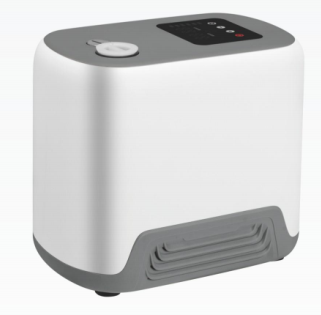
Selecting the right household water pump is one of the most important decisions for homeowners who rely on private wells, boreholes, or rainwater collection systems. A household water pump that functions reliably ensures consistent water supply, protects your property from costly repairs, and provides peace of mind throughout the year. The wrong choice, however, can lead to frequent breakdowns, energy waste, and inadequate water pressure when you need it most.

Choosing a household water pump requires understanding your water source, calculating your household's daily demand, evaluating pump types, and considering performance specifications. This guide walks you through each critical factor, helping you identify the household water pump model that matches your specific situation and delivers reliable performance over many years of service.
Understanding Your Water Source and Household Needs
Assessing Your Water Supply
Before selecting any household water pump, you must first understand your water source and its characteristics. Deep wells require different pump specifications than shallow wells, rainwater tanks, or surface reservoirs. A household water pump must be chosen based on the depth of your water table, the seasonal availability of water, and the quality of the source. Deep borehole systems typically demand submersible pump models, while shallow wells may accommodate jet pump configurations. Rainwater collection systems often need smaller household water pump solutions with lower pressure requirements.
Document your water source depth, expected seasonal variations, and any water quality challenges such as sediment or mineral content. This foundational information directly influences which household water pump type will serve you best. Many homeowners overlook this step and end up installing a household water pump that cannot handle their specific source conditions, resulting in premature failure or inadequate performance.
Calculating Daily Water Demand
Your household's total water consumption determines the flow rate and pressure capacity your household water pump must deliver. Calculate daily demand by considering all water uses: drinking, cooking, bathing, laundry, irrigation, and cleaning. A typical family of four uses between 300 and 400 gallons daily indoors alone. If you also irrigate gardens or maintain livestock, total demand increases significantly. A properly sized household water pump prevents situations where multiple simultaneous uses (such as showering and laundry) cause pressure drops or insufficient flow.
Most household water pump manufacturers provide sizing charts that correlate daily consumption to required flow rate in gallons per minute. Oversizing your household water pump wastes energy and causes wear; undersizing creates frustration and stress on the system. Professional assessment can help, but many homeowners can estimate requirements by noting peak usage periods and calculating total household water pump capacity needed during those times.
Evaluating Household Water Pump Types and Performance Specifications
Submersible Versus Jet Pumps
The two primary household water pump categories are submersible pumps and jet pumps, each suited to different conditions. Submersible household water pump models sit below the water surface, operating quietly and efficiently in deep wells or boreholes. This household water pump design eliminates priming concerns and handles depth well. Jet pumps, by contrast, mount above ground and are best suited for shallow wells where the water table sits fewer than 25 feet below the surface. Your selection between these household water pump types depends on well depth, available space, noise tolerance, and maintenance preferences.
A household water pump of the submersible type requires professional installation and retrieval for service, adding maintenance costs but providing durability and reliability. A jet-style household water pump offers easier access and is simpler to repair, though it may be noisier and less efficient in certain configurations. Understanding the trade-offs helps you choose a household water pump that aligns with your property layout, budget, and service capabilities.
Pressure, Flow Rate, and Horsepower
Every household water pump carries specifications for pressure (measured in pounds per square inch or PSI), flow rate (measured in gallons per minute or GPM), and motor horsepower (HP). Residential pressure standards typically range from 30 to 60 PSI, with 40 to 50 PSI providing comfortable shower pressure and adequate flow to multiple fixtures. A household water pump rated at 40 PSI, 10 GPM, and 1 horsepower differs dramatically from one rated at 50 PSI, 15 GPM, and 1.5 horsepower. The second household water pump handles more simultaneous demand and greater depth, though it consumes more energy.
Horsepower reflects the motor's energy capacity and correlates roughly with performance and cost. A 1-horsepower household water pump suits many residential applications, while 1.5 or 2-horsepower units become necessary for larger homes, deeper wells, or higher elevation properties where the pump must overcome significant head pressure. Mismatched specifications lead to inadequate service or energy waste, making this evaluation critical when selecting your household water pump.
Installation, Maintenance, and Long-Term Reliability Factors
Proper Installation and System Integration
Correct installation of your household water pump directly determines its lifespan and reliability. A poorly installed household water pump may work initially but fail prematurely due to improper pressure tank settings, incorrect electrical connections, or inadequate intake screening. Professional installation ensures your household water pump is mounted securely, plumbing connections are sealed properly, and pressure relief valves function correctly. The intake line for your household water pump must include appropriate screening to prevent debris from entering and damaging internal components.
Many modern household water pump systems integrate pressure tanks that stabilize water flow and reduce pump cycling. A household water pump paired with the correct tank size runs fewer cycles, reducing wear and extending equipment life. Pressure switches must be calibrated accurately to prevent constant on-off cycling, which damages a household water pump motor. Investing in professional installation of your household water pump often costs less than replacing a failed pump prematurely.
Maintenance, Monitoring, and Service Access
Long-term reliability of your household water pump depends on regular maintenance and prompt attention to warning signs. Monitor pressure gauge readings, listen for unusual noises from your household water pump, and watch for reduced flow or pressure changes. Annual inspections of your household water pump intake lines, pressure tank, and electrical connections catch small issues before they become costly failures. If your household water pump begins operating more frequently than usual, this signals declining performance and the need for professional evaluation.
Consider the service accessibility of your household water pump before purchasing. Submersible household water pump models require pulling the pump from the well for servicing, a task best handled by experienced technicians. Jet-style household water pump units are more accessible but may not suit every well configuration. Understanding service requirements helps you choose a household water pump whose maintenance costs align with your budget and the availability of qualified service providers in your area. Many households benefit from purchasing spare parts for critical components of their household water pump system.
FAQ
What size household water pump do I need for a typical family home?
A typical family of four benefits from a household water pump rated between 8 and 12 gallons per minute with 1 to 1.5 horsepower. This household water pump capacity handles simultaneous indoor use, outdoor watering, and occasional demand spikes. However, your specific household water pump size depends on your well depth, elevation, water table recovery rate, and intended uses. Consulting with a water system professional ensures your household water pump selection matches your actual needs rather than generic estimates.
How long does a reliable household water pump typically last?
A well-maintained household water pump generally operates reliably for 8 to 15 years, depending on quality, usage intensity, and water conditions. A household water pump in a home with soft water and moderate demand may exceed 15 years, while one in a high-sediment environment or serving intensive agriculture may require replacement sooner. Proper installation, regular maintenance, and timely repairs of your household water pump extend its service life considerably. Rusty water, frequent cycling, or visible corrosion on your household water pump motor indicates aging and the need to plan for replacement.
Can I install a household water pump myself, or do I need a professional?
While some homeowners possess the skills to install certain household water pump systems, professional installation is strongly recommended for most residential applications. A qualified technician ensures your household water pump is properly sized, electrically connected to code, and integrated with pressure systems correctly. Improper household water pump installation voids warranties, creates safety hazards, and may violate local building codes. The cost of professional installation of your household water pump is typically recouped through improved reliability and reduced premature failures compared to DIY attempts.