 EN
EN

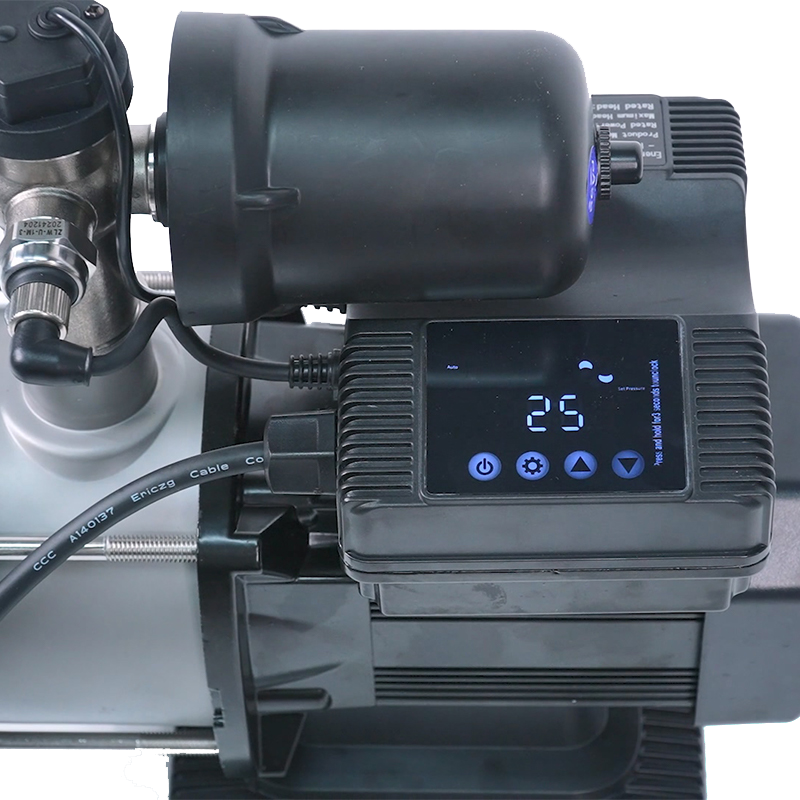
Sizing a booster pump correctly is critical for ensuring consistent water pressure and reliable supply throughout multi-story buildings and complex facilities. When residents on upper floors experience weak water pressure or inconsistent flow, the root cause is often an undersized booster pump that cannot overcome the static head created by the building's height. Selecting the wrong booster pump size leads to operational inefficiency, higher energy costs, and tenant dissatisfaction. Understanding how to calculate the proper booster pump capacity, required flow rate, and total dynamic head ensures your water distribution system performs reliably under peak demand conditions.
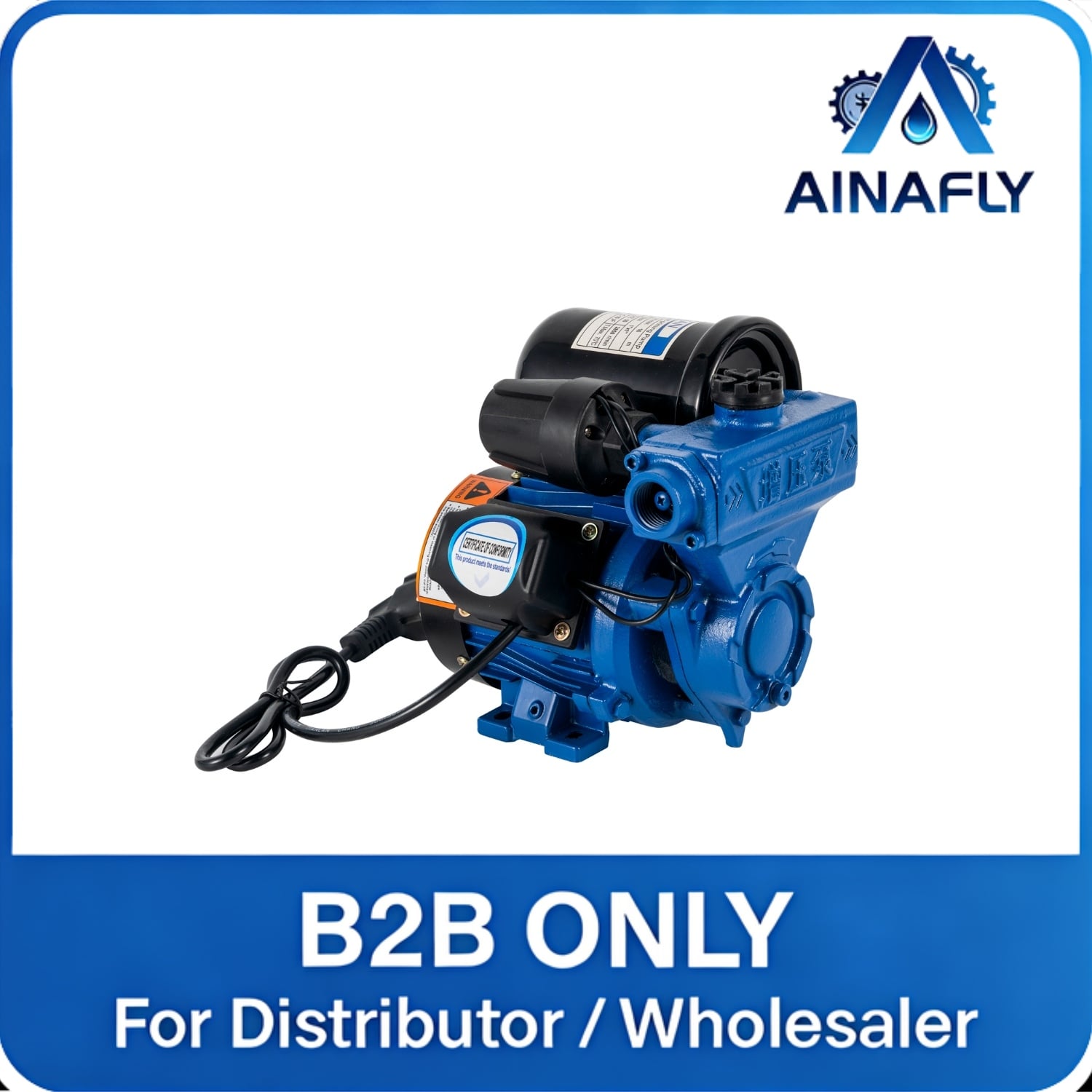
The process of sizing a booster pump involves calculating multiple system parameters and understanding how pressure, flow, and building height interact. A properly sized booster pump will maintain minimum pressure at the highest fixture while handling peak simultaneous demand across all units. This requires analyzing building architecture, water consumption patterns, and municipal supply constraints to arrive at an accurate booster pump specification that balances performance with energy efficiency and operating cost.
Understanding Booster Pump Sizing Fundamentals
Static Head and Dynamic Pressure Requirements
Static head refers to the vertical distance the booster pump must overcome to deliver water to the highest floor in your building. In a ten-story building with approximately nine feet per story, the booster pump faces roughly ninety feet of static head. Each ten feet of vertical elevation equals approximately 4.33 pounds per square inch (PSI) of pressure that the booster pump must generate. Additionally, your booster pump must maintain a minimum outlet pressure of 20 PSI at the highest fixture to ensure adequate flow to showerheads, faucets, and sprinkler systems. Therefore, a booster pump for a ten-story building might need to generate 59 to 65 PSI to overcome static head and maintain functional pressure.
Peak Flow Rate Calculation
Peak flow rate depends on the number of units, fixture types, and simultaneous demand assumptions. A residential unit typically uses 5 to 10 gallons per minute (GPM) during peak fixtures, while commercial complexes may reach 15 to 20 GPM per occupancy unit. For a 50-unit apartment building, assuming 40% of units draw water simultaneously, your booster pump must handle approximately 100 to 200 GPM depending on fixture mix. The booster pump capacity must exceed this calculated peak flow to prevent pressure drops during high-demand periods. Most building codes recommend sizing the booster pump for 150% to 200% of average peak flow to provide a safety margin and accommodate future expansion.
Calculating Total Dynamic Head for Your Booster Pump
Friction Losses in Piping Systems
Beyond static head, the booster pump must overcome friction losses created by water flowing through pipes, fittings, and filters. Friction loss depends on pipe diameter, material, flow velocity, and total pipe length. A booster pump serving a complex building might encounter 10 to 30 feet of equivalent friction head in the distribution network. Larger diameter pipes reduce friction loss but increase material cost, while undersized pipes create excessive pressure drop and limit flow capacity. When sizing your booster pump, add estimated friction losses to the static head calculation. For a 50-unit building with a hundred-foot supply main from the booster pump to the upper floors, friction losses might total 15 to 20 feet of head, requiring the booster pump to generate an additional 6 to 8 PSI.
Pressure Tank and Regulation Considerations
A booster pump system typically includes a pressure tank that stabilizes output pressure and reduces pump cycling. The pressure tank volume influences how frequently the booster pump activates, affecting equipment lifespan and energy consumption. A larger pressure tank allows the booster pump to run less frequently, improving efficiency and reducing wear. However, pressure tanks require appropriate sizing; too small and the booster pump cycles excessively, too large and the booster pump may not activate frequently enough to maintain system pressure. The booster pump must be sized to deliver flow equal to the peak demand while the pressure tank accepts and distributes that flow to downstream fixtures. Most commercial booster pump installations use pressure tanks sized between 30 to 100 gallons per 100 GPM of pump capacity, depending on pressure differential settings and desired cycle frequency.
Practical Sizing Methods and Real-World Application
Using Industry Tables and Calculation Tools
Professional engineers commonly reference standardized booster pump sizing tables that correlate building height, number of fixtures, and required pump capacity. These tables, published by plumbing associations and equipment manufacturers, provide quick reference points for preliminary booster pump selection. However, these booster pump tables offer general guidance and may not capture unique building characteristics such as existing pressure tank volume, municipal supply pressure variability, or non-standard fixture density. For more precise sizing, engineers use hydraulic calculation software that models actual pipe routing, fitting configurations, and flow profiles. A booster pump calculator typically requires inputs of building elevation, number of units, pipe diameter, supply pressure, and minimum outlet pressure. After running calculations, the booster pump selection must be verified against available equipment specifications to ensure the chosen model delivers the required flow and pressure combination.
Demand Pattern Analysis and System Redundancy
Experienced facility managers recognize that peak demand occurs during specific times, typically morning and evening, and rarely reflects 100% simultaneous fixture use. By analyzing historical consumption patterns, the booster pump can be sized more efficiently without over-provisioning capacity. For critical facilities or multi-story complexes serving hospitals or commercial offices, dual booster pump installations provide redundancy so building operations continue if one booster pump fails. A redundant booster pump configuration requires each individual booster pump to handle 100% of peak flow independently, though typically only one booster pump runs at full capacity while the second remains in standby mode. This redundancy increases capital cost but ensures continuous water supply to life safety systems and maintains tenant confidence. When sizing multiple booster pumps in a redundant configuration, each booster pump must be selected with identical capacity and pressure ratings to ensure seamless switchover and system balance.
Selecting the Right Booster Pump Model for Your Building
Matching Booster Pump Specifications to Calculated Requirements
Once you have calculated the required flow rate and total head pressure, the next step is selecting a specific booster pump model that matches these parameters. The booster pump performance curve, typically provided by manufacturers, plots flow rate against pressure output. Your calculated requirements define a target point on this curve; the booster pump should operate near this point during peak demand to maximize efficiency. A booster pump operating far left on its curve (high pressure, low flow) will overheat and waste energy, while operating far right (low pressure, high flow) may cavitate and lose prime. Most commercial booster pump selections aim for operation at approximately 75% to 85% of maximum rated flow to balance efficiency with safety margins. After identifying candidate booster pump models, verify that each candidate delivers the required pressure at your calculated peak flow and that the booster pump motor has sufficient power rating to sustain this duty.
Energy Efficiency and Operating Cost
A booster pump operates continuously throughout the day and represents a significant ongoing energy expense in multi-story buildings. Modern variable-frequency drive (VFD) booster pumps adjust motor speed based on actual demand, consuming substantially less energy than fixed-speed units during partial-load periods. For buildings with variable occupancy or intermittent usage patterns, a booster pump equipped with VFD technology can reduce annual energy consumption by 30% to 50% compared to conventional fixed-speed booster pump models. When sizing a booster pump for long-term cost effectiveness, compare the incremental cost of VFD capability against projected energy savings over the booster pump's expected service life. Buildings using substantial water quantities or operating in regions with high electricity rates benefit most from investing in an efficient booster pump. The booster pump motor efficiency rating, measured in horsepower per GPM, also influences long-term operating expense and should factor into final equipment selection.
FAQ
What is the minimum pressure a booster pump must maintain at the highest floor?
A booster pump must maintain at least 20 PSI at the highest building fixture to ensure adequate flow for showers, faucets, and other fixtures. Most modern plumbing codes specify minimum dynamic pressure of 20 to 25 PSI at the point of use. To guarantee this pressure at upper floors, the booster pump outlet pressure must be higher by the amount of static head and friction losses in the piping. In practice, a booster pump typically delivers 40 to 80 PSI at the pump outlet, depending on building height and system configuration, to ensure minimum 20 PSI reaches the highest floor.
How does building height affect booster pump sizing?
Each ten feet of building elevation creates approximately 4.33 PSI of static head pressure that the booster pump must overcome. A fifteen-story building with approximately 150 feet of elevation requires the booster pump to generate roughly 65 PSI just to overcome height, plus additional pressure for friction losses and minimum outlet pressure. Taller buildings demand larger booster pump models with higher pressure ratings, while shorter buildings may use smaller, more economical booster pump equipment. Height is the dominant variable in booster pump sizing for residential and commercial applications.
When should a building use dual booster pumps instead of one large unit?
Dual booster pump installations are typically recommended for buildings with 200 or more units, critical operational requirements such as hospitals or data centers, or situations where a single booster pump failure would interrupt essential services. Dual booster pumps provide operational redundancy and allow each individual booster pump to operate at lower capacity, improving efficiency and extending equipment life. The initial cost of a dual booster pump system is higher than a single large booster pump, but the redundancy provides significant operational reliability benefits in mission-critical facilities.