 EN
EN

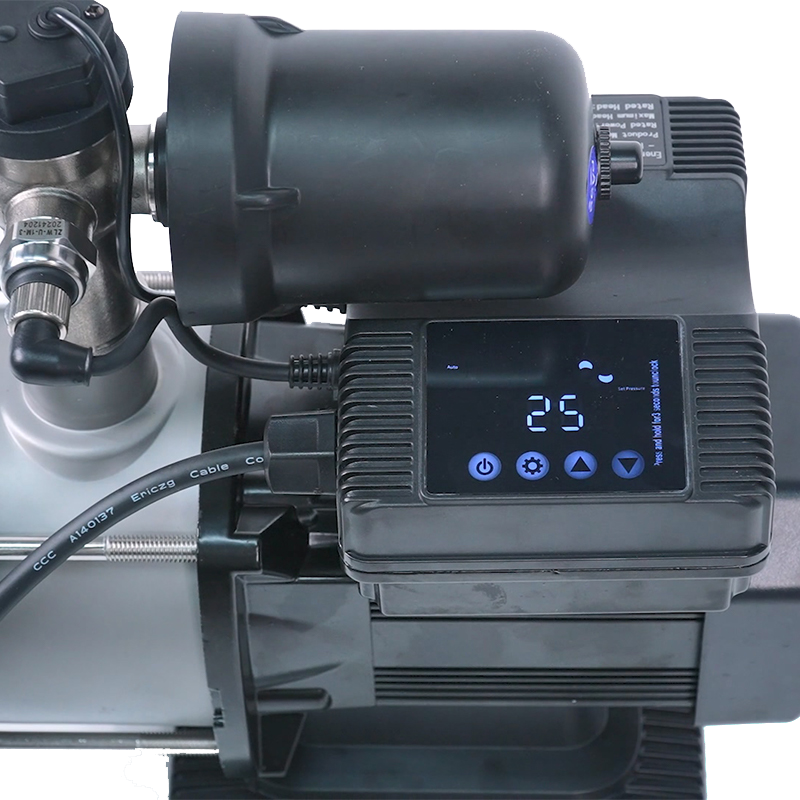
Understanding the distinctions between single and multi-stage booster pump designs is essential for selecting the right pressure-boosting solution for your facility. Whether you operate a residential water system, commercial building, or industrial irrigation network, the choice between a single-stage and multi-stage booster pump directly impacts performance, energy consumption, and long-term operational costs. Both configurations serve the fundamental purpose of increasing water pressure, but they achieve this through fundamentally different mechanical architectures and operational principles.
A booster pump is fundamentally designed to augment existing water pressure systems, compensating for pressure loss across distribution networks, elevation changes, or high-demand applications. The distinction between single-stage and multi-stage booster pump systems lies in how many impellers work sequentially to elevate pressure. Understanding these differences helps facility managers, engineers, and system designers make informed procurement decisions that align with their specific pressure requirements, flow rates, and budget constraints. This comprehensive guide explores the mechanics, advantages, limitations, and practical applications of both booster pump configurations.
Understanding Single-Stage Booster Pump Design
Basic Architecture and Operating Mechanism
A single-stage booster pump contains one impeller that rotates to accelerate incoming water and convert kinetic energy into pressure energy. This straightforward design means water enters the pump casing, engages with the single rotating impeller, and exits through a discharge port with increased pressure. The single-stage booster pump operates most efficiently within specific flow and pressure ranges, delivering consistent performance for moderate pressure-boosting applications. This architectural simplicity makes the single-stage booster pump easier to manufacture, install, and maintain compared to multi-stage alternatives.
Performance Characteristics and Practical Applications
Single-stage booster pump systems typically generate pressure increases ranging from 10 to 50 pounds per square inch (PSI), making them ideal for residential water systems, small commercial buildings, and landscape irrigation. The single-stage booster pump excels when source pressure exists but needs modest supplementation to reach desired outlet pressure. These booster pump units consume less energy than multi-stage configurations because only one impeller operates, resulting in lower electricity bills and reduced environmental impact. Residential properties experiencing low water pressure from municipal supply lines frequently benefit from a single-stage booster pump installation.
Exploring Multi-Stage Booster Pump Capabilities
Sequential Impeller Architecture
A multi-stage booster pump incorporates two, three, or more impellers arranged in series within a single pump housing, with each impeller stage progressively increasing water pressure. Water first enters the primary impeller, receives an initial pressure boost, then flows into the secondary impeller where additional pressure augmentation occurs. This sequential compression means a multi-stage booster pump can achieve substantially higher discharge pressures than single-stage configurations. The multi-stage booster pump design enables pressure increases exceeding 100 PSI, making it suitable for demanding applications requiring extreme pressure elevation.
Applications Requiring High-Pressure Boosting
Multi-stage booster pump installations serve specialized industrial, commercial, and agricultural applications where single-stage booster pump outputs prove insufficient. High-rise buildings, industrial manufacturing facilities, and large-scale irrigation systems frequently employ multi-stage booster pump technology to overcome substantial pressure losses. The multi-stage booster pump becomes necessary when applications demand pressures exceeding 50 PSI or when source water pressure is critically low. While a multi-stage booster pump consumes more electricity due to multiple impeller stages, the ability to achieve required pressures justifies the operational expense for mission-critical applications.
Performance Comparison and Selection Criteria
Pressure Output and Energy Efficiency Considerations
The fundamental performance difference between single-stage and multi-stage booster pump designs centers on achievable pressure and energy efficiency ratios. A single-stage booster pump delivers optimal efficiency within its designed pressure range, consuming minimal power because only one impeller rotates. Conversely, a multi-stage booster pump trades some efficiency for capability, requiring additional energy to power each sequential impeller stage. When applications only require modest pressure increases, selecting a single-stage booster pump reduces operational costs without sacrificing functionality. Oversizing a booster pump application with multi-stage equipment when single-stage booster pump capacity suffices unnecessarily elevates energy consumption and maintenance complexity.
Installation Footprint and System Integration
Single-stage booster pump installations typically occupy less physical space, simplifying integration into existing plumbing infrastructure and reducing installation labor. The compact single-stage booster pump design accommodates space-constrained environments like residential basements or utility rooms with limited square footage. Multi-stage booster pump systems require larger housings to accommodate multiple impeller stages, demanding more installation space and potentially necessitating system redesign. Facility managers must evaluate available installation space when choosing between single-stage and multi-stage booster pump equipment, as footprint constraints may eliminate one configuration option regardless of performance requirements.
FAQ
When should I choose a single-stage booster pump instead of a multi-stage booster pump?
Select a single-stage booster pump when your application requires pressure increases between 10 and 50 PSI, adequate source pressure exists, and energy efficiency takes priority. Residential properties with satisfactory municipal water pressure but occasional low-flow concerns benefit from single-stage booster pump installations. Single-stage booster pump solutions prove cost-effective for small commercial buildings, modest landscape irrigation systems, and applications where pressure demands remain predictable and moderate throughout operation cycles.
What are the main advantages of a multi-stage booster pump for industrial applications?
Multi-stage booster pump technology excels when applications demand extreme pressure elevation, minimal source pressure exists, or high-rise buildings require consistent pressure across all floors. The multi-stage booster pump delivers pressure increases exceeding 100 PSI, enabling industrial manufacturing processes, large agricultural irrigation systems, and commercial fire suppression networks to function reliably. Although multi-stage booster pump units consume additional energy compared to single-stage alternatives, the capability to achieve mission-critical pressures justifies operational expenses for demanding applications.
How does maintenance complexity differ between single-stage and multi-stage booster pump systems?
Single-stage booster pump maintenance remains straightforward because fewer components require inspection, seal replacement, and bearing service. Multi-stage booster pump systems involve more intricate maintenance protocols due to multiple impeller stages, increased bearing arrangements, and complex seal configurations. Regular maintenance extends booster pump equipment lifespan regardless of configuration choice, but multi-stage booster pump service typically requires more specialized expertise and higher parts inventory than single-stage booster pump upkeep.