 EN

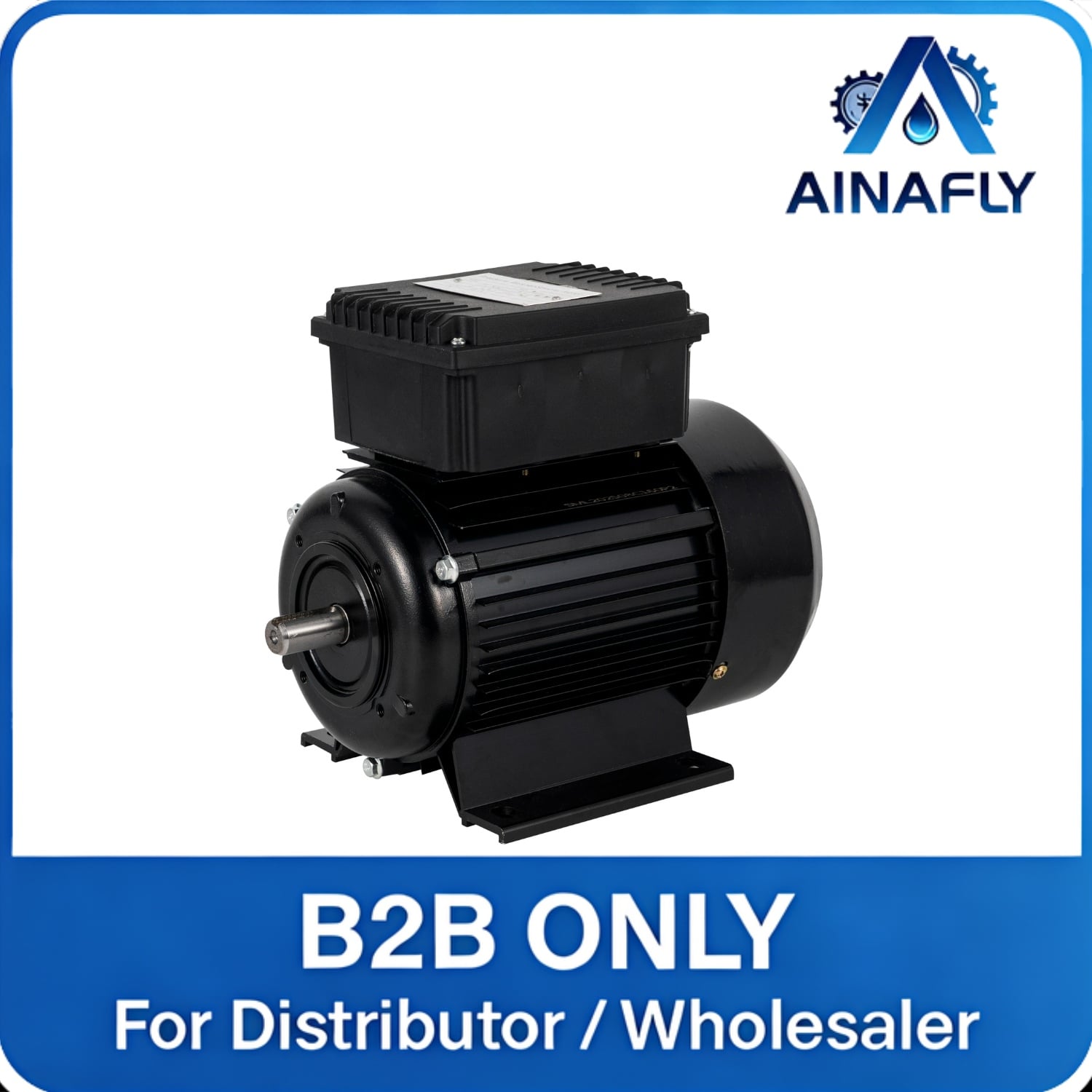
Noise from a household water pump can significantly impact your home comfort and quality of life. When selecting a household water pump for residential water supply, many homeowners overlook the acoustic dimension until they experience the constant hum or vibration of an inadequate unit. Understanding the quietest types of household water pump technology available today helps you make an informed decision that balances performance, reliability, and peaceful operation.
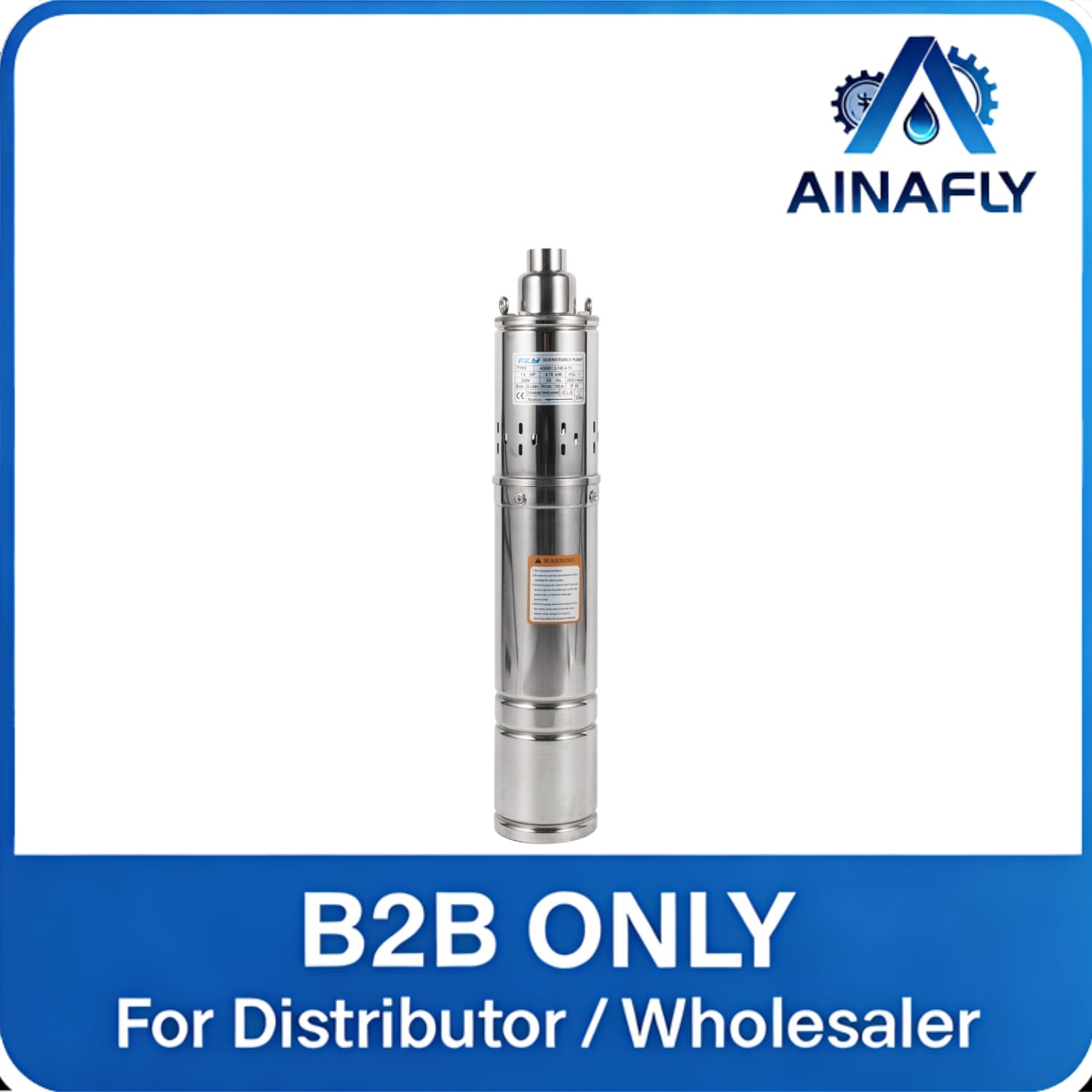
A quiet household water pump is essential for maintaining a serene living environment, particularly for homes located near bedrooms, living areas, or outdoor recreation spaces. The noise generated by residential water supply systems can range from subtle background hums to disruptive mechanical sounds, depending on pump design, installation quality, and operational conditions. Selecting the right household water pump model ensures efficient water delivery while preserving household tranquility.
Submersible Pump Technology and Noise Reduction
Advantages of Submersible Household Water Pump Systems
Submersible household water pump units are installed directly within water wells or storage tanks, inherently reducing airborne noise transmission. This household water pump design eliminates the need for surface-mounted components, which are primary sources of vibration and noise in traditional systems. The water surrounding a submersible household water pump acts as a natural sound dampener, absorbing mechanical vibrations before they reach the surface. For residential water supply applications requiring silent operation, submersible household water pump technology represents an effective acoustic solution.
Operational Characteristics of Submersible Models
A submersible household water pump operates at depths where water provides acoustic insulation against mechanical noise. The sealed design of modern submersible household water pump units prevents air exposure of moving components, further minimizing noise generation. Many contemporary submersible household water pump systems incorporate variable frequency drives and soft-start technologies that reduce noise spikes during activation. These innovations make submersible household water pump installations ideal for residential water supply scenarios where noise reduction is a primary concern.
Centrifugal Pump Design and Silent Operation
How Centrifugal Household Water Pump Systems Work Quietly
Centrifugal household water pump designs, when properly engineered and installed, offer excellent noise management characteristics. The smooth, continuous rotation of a centrifugal household water pump creates more predictable sound patterns than reciprocating alternatives. Many modern centrifugal household water pump models feature specially designed impellers that minimize turbulence and cavitation, which are major noise contributors. A well-maintained centrifugal household water pump for residential water supply produces consistent, lower-frequency sound that is less intrusive than mechanical clicking or banging sounds.
Installation Considerations for Quiet Performance
Proper installation of a centrifugal household water pump significantly influences its acoustic output. Vibration isolation mounts, flexible hose connections, and sound-absorbing enclosures can substantially reduce noise transmission from a centrifugal household water pump to surrounding structures. The location of your household water pump within the home or property affects noise perception; placing a centrifugal household water pump in basement areas or dedicated pump rooms with insulation provides natural noise buffers. Professional installation of a household water pump ensures optimal mounting alignment and reduces vibrational noise that could otherwise disturb residential water supply users.
Rotary Screw and Variable Speed Household Water Pump Systems
Advanced Technologies in Modern Household Water Pump Design
Rotary screw household water pump technology represents an advancement in quiet residential water supply solutions. Unlike traditional designs, a rotary screw household water pump operates through continuous helical motion, eliminating the repetitive pulsing associated with positive displacement pumps. This household water pump category handles varying flow rates smoothly, reducing pressure fluctuations that generate noise. Variable speed household water pump systems adjust motor rotation to match actual water demand, preventing the repeated on-off cycling that creates acoustic disturbance in conventional household water pump installations.
Performance Monitoring and Noise Optimization
Modern variable speed household water pump units incorporate sensors and controllers that continuously optimize operational efficiency and minimize noise. A variable speed household water pump maintains consistent pressure in residential water supply networks without the sudden pressure spikes that produce loud knocking sounds. These advanced household water pump systems reduce energy consumption while simultaneously decreasing acoustic output, offering dual benefits for homeowners. Selecting a household water pump with variable speed capability ensures your residential water supply system remains quiet throughout the day and night, adapting to household usage patterns automatically.
FAQ
What is the typical noise level of a quiet household water pump?
Most quality household water pump systems designed for low noise produce sound levels between 60 and 75 decibels during normal operation. A quiet household water pump for residential water supply generally operates at or below 70 decibels, comparable to normal conversation levels. Submersible household water pump installations often achieve the lowest noise readings, typically 55 to 65 decibels, because water provides natural sound insulation. Your specific household water pump noise level depends on model, installation quality, water pressure demands, and proximity to living spaces.
Can an existing household water pump be made quieter?
Yes, several modifications can reduce noise from an existing household water pump. Adding vibration isolation mounts under your household water pump reduces transmission of mechanical vibrations to floor structures. Installing flexible hose connectors instead of rigid pipes minimizes sound transmission through plumbing systems. Building a sound-insulated enclosure around your household water pump, or relocating it to a basement area, provides acoustic separation from living spaces. For significant noise reduction, replacing an older household water pump with a modern quiet model often proves more effective than retrofitting modifications.
Which household water pump type is best for a small residential property?
For small residential properties with limited space, a submersible household water pump offers the quietest solution with minimal footprint requirements. If subsurface installation isn't feasible, a compact centrifugal household water pump with vibration isolation mounts provides good noise performance in confined locations. Consider your property's water source depth and pressure requirements when selecting a household water pump type. A variable speed household water pump delivers excellent efficiency and quiet operation regardless of property size, making it an ideal choice for most residential water supply applications where noise concerns exist.