 EN
EN
Proper maintenance is the cornerstone of maximizing the operational lifespan of any industrial pumping system. When it comes to jet pump systems, implementing strategic maintenance practices can significantly extend equipment life, reduce operational costs, and maintain optimal performance levels. These versatile pumping solutions are engineered for durability, but their longevity depends heavily on consistent care and preventive maintenance protocols that address both mechanical and operational factors.
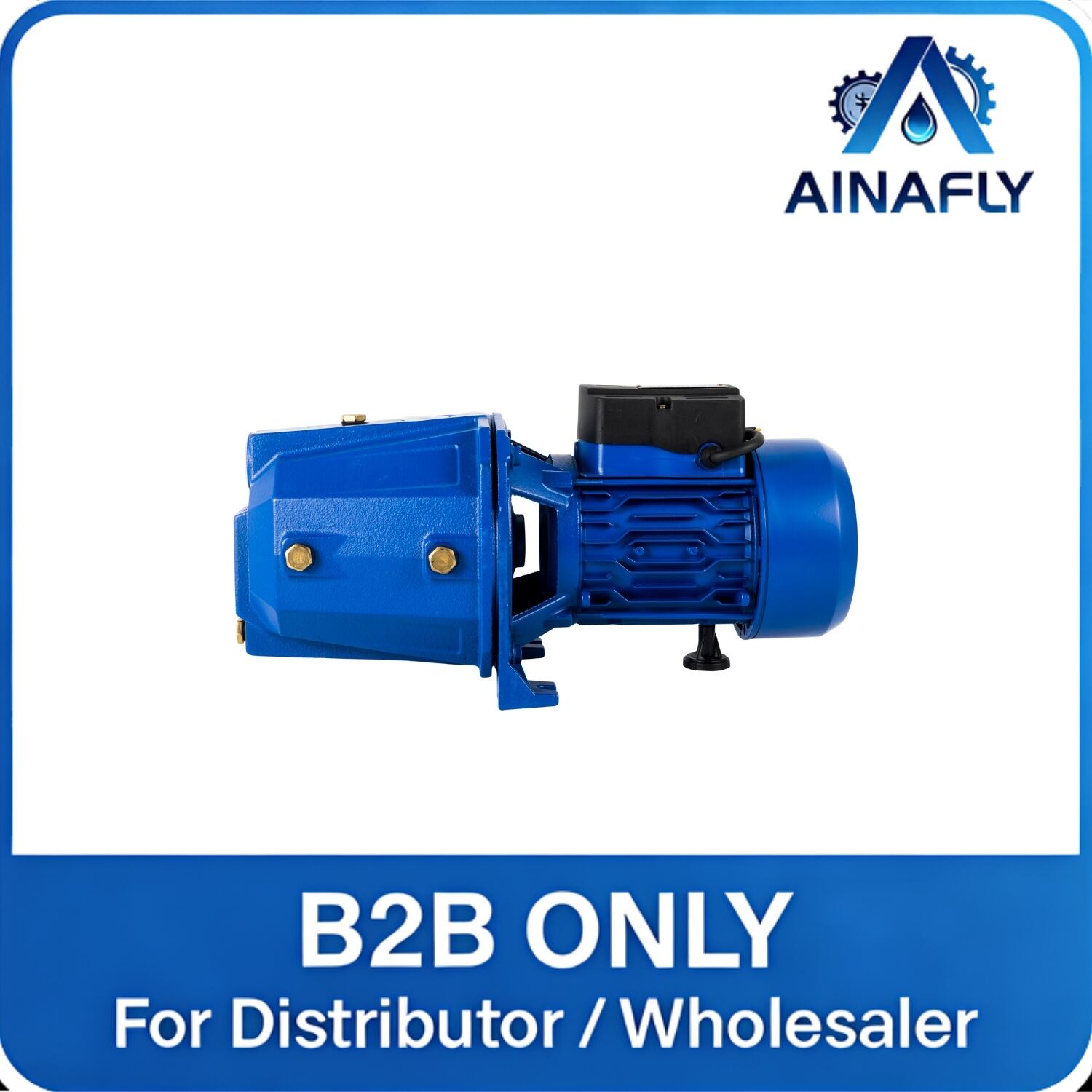
Understanding Jet Pump Operating Principles
Core Functionality and Design Elements
A jet pump operates on the principle of fluid dynamics, utilizing a high-velocity water stream to create suction and lift water from wells or other sources. The system consists of a centrifugal pump connected to a jet assembly, which includes a nozzle and venturi tube combination. This design allows the jet pump to efficiently move water through a combination of pressure differential and momentum transfer, making it particularly effective for shallow to medium-depth water extraction applications.
The impeller within the jet pump creates the initial pressure that drives water through the jet assembly. As water passes through the nozzle at high velocity, it creates a vacuum effect in the venturi tube, drawing additional water from the source. This dual-action mechanism enables the jet pump to achieve superior lifting capabilities while maintaining energy efficiency across various operating conditions.
Critical Components and Wear Points
Understanding the key components that experience the most wear during operation is essential for developing effective maintenance strategies. The impeller, being the primary moving component, faces constant stress from water flow and potential debris contact. The jet assembly, including the nozzle and venturi tube, experiences high-velocity water flow that can cause gradual erosion over time if not properly maintained.
Seals and gaskets throughout the jet pump system represent critical wear points that require regular attention. These components prevent water leakage and maintain system pressure, but they naturally degrade over time due to temperature fluctuations, chemical exposure, and mechanical stress. The pump casing and suction piping also require monitoring for signs of corrosion or damage that could compromise overall system integrity.
Preventive Maintenance Scheduling
Daily Operating Checks
Implementing a comprehensive daily inspection routine forms the foundation of effective jet pump maintenance. Operators should monitor system pressure readings, flow rates, and unusual vibrations or noises that could indicate developing problems. Visual inspection of external components helps identify leaks, corrosion, or loose connections before they escalate into major issues requiring extensive repairs or component replacement.
Temperature monitoring plays a crucial role in daily maintenance checks, as excessive heat generation often signals impending mechanical problems within the jet pump. Checking electrical connections and motor performance indicators provides early warning of potential electrical issues that could damage pump components or create safety hazards for operating personnel.
Weekly and Monthly Maintenance Tasks
Weekly maintenance protocols should include thorough cleaning of intake screens and strainers to prevent debris accumulation that could restrict water flow or damage internal components. Lubricating bearing assemblies and checking oil levels ensures proper mechanical operation and prevents premature wear of moving parts within the jet pump system.
Monthly maintenance activities involve more detailed inspections of wear-prone components, including impeller condition assessment and jet assembly alignment verification. Testing system performance against baseline parameters helps identify gradual efficiency losses that may indicate the need for component adjustment or replacement before complete failure occurs.
Fluid Quality Management
Water Source Monitoring
The quality of water being pumped directly impacts jet pump longevity and performance. Regular testing of source water for pH levels, mineral content, and contaminant presence helps operators anticipate potential problems and implement appropriate protective measures. High mineral content can lead to scale buildup within the pump and piping system, while acidic conditions accelerate corrosion of metal components.
Sediment and debris monitoring prevents abrasive particles from entering the jet pump system, where they can cause rapid wear of the impeller, nozzle, and other precision components. Installing appropriate filtration systems and maintaining them according to manufacturer specifications protects the pump while ensuring consistent water quality for end-use applications.
Chemical Treatment and Conditioning
When water chemistry presents challenges for jet pump operation, implementing appropriate chemical treatment protocols can significantly extend equipment life. Anti-scaling agents help prevent mineral buildup, while corrosion inhibitors protect metal surfaces from chemical attack. These treatments must be carefully balanced to avoid creating new problems or interfering with pump operation.
Regular water testing ensures that chemical treatment levels remain within optimal ranges for both pump protection and water quality requirements. Maintaining detailed records of water chemistry and treatment applications helps identify trends and optimize treatment protocols for maximum effectiveness and cost efficiency.
Component Replacement Strategies
Predictive Replacement Planning
Developing a systematic approach to component replacement based on performance monitoring and manufacturer recommendations prevents unexpected failures that could result in costly downtime. Tracking operational hours, performance metrics, and maintenance history for each jet pump component enables operators to predict replacement needs and schedule maintenance during planned outages.
Establishing inventory management protocols ensures that critical replacement parts are available when needed, reducing downtime and preventing the use of substandard components that could compromise system performance. Quality replacement parts specifically designed for jet pump applications provide better reliability and longer service life than generic alternatives.
Seal and Gasket Maintenance
Seals and gaskets require particular attention due to their critical role in maintaining system integrity and their relatively short service life compared to other components. Implementing a systematic replacement schedule based on operating conditions and manufacturer recommendations prevents seal failure that could lead to water damage or system contamination.
Proper installation techniques and the use of appropriate sealants and lubricants during replacement work ensure optimal seal performance and longevity. Training maintenance personnel in correct procedures and providing them with proper tools and materials supports consistent, high-quality seal replacement work that extends overall jet pump life.
Performance Optimization Techniques
Flow Rate and Pressure Calibration
Regular calibration of jet pump operating parameters ensures optimal performance and prevents unnecessary stress on system components. Monitoring flow rates and pressure readings against design specifications helps identify gradual performance degradation that may indicate the need for maintenance or component replacement.
Adjusting system parameters to match actual operating requirements prevents overworking the jet pump and reduces wear on critical components. This optimization process may involve modifying jet assembly settings, adjusting motor speed controls, or implementing variable frequency drives to better match pump output to system demand.
Energy Efficiency Enhancement
Implementing energy efficiency measures not only reduces operating costs but also extends jet pump life by reducing mechanical and thermal stress on components. Regular motor maintenance, including cleaning and proper lubrication, ensures efficient power transmission and prevents overheating that could damage both motor and pump components.
System optimization techniques such as proper piping design, elimination of unnecessary restrictions, and appropriate pump sizing contribute to overall efficiency and component longevity. These measures reduce the workload on the jet pump while maintaining required system performance levels.
Troubleshooting Common Issues
Vibration and Noise Analysis
Unusual vibrations or noise levels often provide early warning of developing problems within jet pump systems. Systematic monitoring and analysis of these symptoms help maintenance personnel identify specific issues before they result in component failure or system damage. Common causes include impeller imbalance, bearing wear, or misalignment between pump and motor components.
Implementing vibration monitoring systems and training personnel to recognize abnormal operating sounds enables proactive maintenance intervention that prevents minor issues from escalating into major failures. Regular documentation of normal operating characteristics provides baseline data for comparison when troubleshooting potential problems.
Flow and Pressure Anomalies
Changes in system flow rate or pressure often indicate developing problems that require immediate attention to prevent jet pump damage. Reduced flow may signal impeller wear, blockages in the jet assembly, or suction line restrictions that force the pump to work harder than designed. Pressure fluctuations could indicate seal problems, air infiltration, or component wear that affects system integrity.
Systematic troubleshooting procedures that address the most common causes of flow and pressure problems enable rapid problem resolution while minimizing system downtime. Maintaining spare parts inventory for frequently replaced components supports quick repairs that restore normal jet pump operation.
Environmental Protection Measures
Corrosion Prevention
Environmental factors significantly impact jet pump longevity, making corrosion prevention a critical aspect of maintenance planning. Protective coatings, proper ventilation, and humidity control help prevent corrosion of exposed metal components. Regular inspection and touch-up of protective finishes maintain their effectiveness over time.
Cathodic protection systems may be beneficial in highly corrosive environments, providing additional protection for underground or submerged jet pump components. These systems require regular monitoring and maintenance to ensure continued effectiveness in preventing electrochemical corrosion.
Temperature Management
Protecting jet pump systems from extreme temperatures through proper housing, insulation, or climate control extends component life and maintains performance reliability. Cold weather protection prevents freeze damage to water-filled components, while heat management prevents overheating that could damage seals, lubricants, and electrical components.
Implementing temperature monitoring and alarm systems provides early warning of conditions that could damage jet pump components, enabling protective measures before damage occurs. Regular maintenance of heating and cooling systems ensures their continued effectiveness in protecting pump equipment.
FAQ
How often should jet pump maintenance be performed
Maintenance frequency depends on operating conditions, water quality, and usage patterns, but generally includes daily visual inspections, weekly cleaning and lubrication, monthly detailed inspections, and annual comprehensive overhauls. Systems operating in harsh conditions or with contaminated water may require more frequent maintenance to prevent premature wear and ensure reliable operation.
What are the most common causes of jet pump failure
The most frequent failure modes include impeller wear from debris or corrosion, seal degradation leading to water leakage, bearing failure from inadequate lubrication, and jet assembly erosion from high-velocity water flow. Proper maintenance practices targeting these vulnerable components significantly reduce failure rates and extend overall system life.
Can jet pump performance be restored through maintenance
In most cases, proper maintenance and component replacement can restore jet pump performance to near-original specifications. Regular maintenance prevents cumulative wear and damage that would otherwise require complete system replacement. However, severely worn or damaged components may need replacement rather than repair to achieve optimal performance restoration.
What signs indicate a jet pump needs immediate attention
Warning signs requiring immediate maintenance include unusual vibrations or noises, significant drops in flow rate or pressure, visible water leaks, excessive power consumption, or motor overheating. These symptoms often indicate developing problems that could lead to complete system failure if not addressed promptly through appropriate maintenance interventions.