 EN
EN
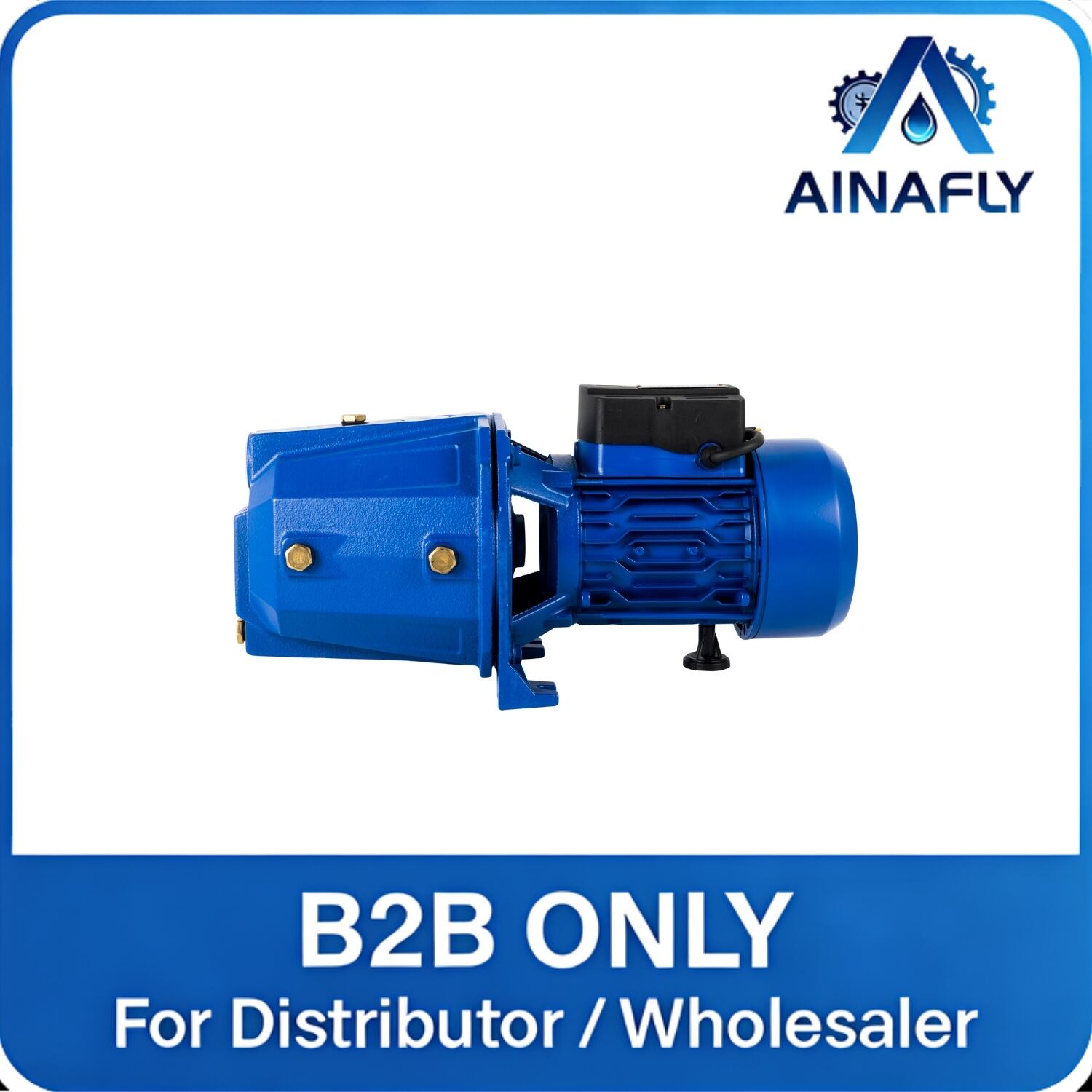
A jet pump represents one of the most versatile and reliable water pumping solutions available for agricultural operations and small commercial applications. These innovative pumping systems utilize the venturi principle to create suction and move water efficiently from wells, tanks, and other water sources. Agricultural professionals and business owners frequently choose jet pump technology because of its ability to handle various water depths while maintaining consistent performance across diverse operating conditions. The growing demand for efficient irrigation systems and reliable water supply solutions has made jet pump installations increasingly common in rural and commercial settings.
Understanding Jet Pump Technology and Operating Principles
Venturi Effect and Water Movement Mechanics
The fundamental operation of a jet pump relies on the venturi effect, where pressurized water flows through a specially designed nozzle to create a high-velocity stream. This high-speed water jet creates a vacuum effect that draws additional water from the source through the suction line. The combination of the pressurized driving water and the drawn suction water then flows back to the surface through the return line. This ingenious design allows jet pump systems to lift water from considerable depths without requiring the pump mechanism to be submerged in the water source.
Modern jet pump configurations incorporate precision-engineered components that optimize the venturi effect for maximum efficiency. The nozzle diameter, throat dimensions, and diffuser angles are carefully calculated to achieve optimal performance characteristics for specific applications. Agricultural users particularly benefit from this technology because jet pump systems can maintain consistent flow rates even when water levels fluctuate seasonally or during extended dry periods.
Shallow Well versus Deep Well Applications
Shallow well jet pump configurations typically handle water sources up to 25 feet deep and utilize a single-pipe system where both suction and discharge functions occur through the same line. These systems excel in agricultural applications where water tables remain relatively close to the surface, such as irrigation from ponds, streams, or shallow wells. The simplicity of shallow well jet pump installations makes them ideal for temporary irrigation setups or seasonal farming operations.
Deep well jet pump systems employ a two-pipe configuration that enables water lifting from depths up to 120 feet or more. The driving water flows down through one pipe to the jet assembly, while the mixture of driving water and drawn water returns through the larger diameter pipe. This dual-pipe arrangement allows deep well jet pump systems to access groundwater resources that would be impossible to reach with surface-mounted centrifugal pumps, making them invaluable for agricultural operations in arid regions.
Agricultural Applications and Benefits
Irrigation System Integration
Agricultural irrigation systems benefit significantly from jet pump integration due to their ability to provide consistent water pressure and flow rates regardless of seasonal water level variations. Farmers utilize jet pump technology for drip irrigation networks, sprinkler systems, and flood irrigation applications where reliable water delivery is essential for crop success. The self-priming capability of jet pump systems eliminates the need for manual priming after periods of non-use, making them ideal for seasonal agricultural operations.
The versatility of jet pump installations allows agricultural professionals to create customized irrigation zones with varying pressure requirements. Multiple jet pump units can operate in parallel to serve large agricultural areas, while single units efficiently handle smaller plots or specialized crops requiring precise water management. This flexibility enables farmers to optimize water usage while maintaining the irrigation consistency necessary for maximum crop yields.
Livestock Watering and Farm Operations
Livestock operations rely heavily on jet pump systems to provide consistent water access for cattle, horses, sheep, and other farm animals. These pumping systems excel at drawing water from rural wells, ponds, or streams to fill watering troughs, automatic waterers, and storage tanks. The reliability of jet pump technology ensures continuous water availability even during peak demand periods when multiple animals access water simultaneously.
Farm buildings and processing facilities also benefit from jet pump installations for various operational needs including equipment cleaning, sanitation systems, and general facility maintenance. The ability to maintain consistent water pressure makes jet pump systems particularly valuable for dairy operations where regular cleaning and sanitization protocols require reliable water delivery at specific pressures and flow rates.
Small Commercial System Applications
Rural Business Water Supply
Small commercial enterprises in rural areas frequently depend on jet pump systems for their primary water supply needs. Rural restaurants, small manufacturing facilities, and service businesses utilize jet pump technology to access groundwater resources where municipal water systems are unavailable. These installations provide the consistent water pressure necessary for commercial operations while offering the reliability that business continuity demands.
The economic advantages of jet pump installations make them particularly attractive for small commercial applications where initial investment costs and ongoing maintenance expenses must be carefully managed. Unlike more complex pumping systems, jet pump technology offers straightforward installation procedures and minimal maintenance requirements, reducing both upfront costs and long-term operational expenses for small business owners.
Recreational and Hospitality Applications
Recreational facilities such as campgrounds, rural resorts, and outdoor event venues rely on jet pump systems to provide water for visitor amenities and operational needs. These installations enable businesses to offer modern conveniences in remote locations where traditional water infrastructure is impractical or prohibitively expensive. Jet pump reliability ensures consistent service delivery even during peak occupancy periods when water demand increases significantly.
Swimming pools, spas, and water features at commercial recreational facilities often utilize jet pump technology for circulation and filtration systems. The ability to maintain consistent flow rates while handling varying head pressures makes jet pump installations ideal for these applications where water quality and circulation efficiency directly impact customer satisfaction and business success.
Installation Considerations and System Design
Site Assessment and Water Source Evaluation
Proper jet pump installation begins with comprehensive site assessment to determine water source characteristics, required flow rates, and system head requirements. Professional installers evaluate factors such as water table depth, seasonal variations, water quality, and expected demand patterns to design optimal jet pump configurations. This preliminary analysis ensures that the selected jet pump specifications will meet both current needs and anticipated future requirements.
Water source testing provides crucial information about mineral content, pH levels, and potential contaminants that could affect jet pump performance and longevity. Agricultural and commercial users benefit from understanding these characteristics to implement appropriate filtration or treatment systems that protect jet pump components while ensuring water quality meets operational requirements.
Piping and Infrastructure Requirements
Jet pump installations require carefully designed piping systems that minimize friction losses while providing adequate support for the water columns involved. Proper pipe sizing, material selection, and installation techniques directly impact jet pump efficiency and operational reliability. Agricultural applications often require buried piping systems that can withstand freeze-thaw cycles and mechanical stress from farming equipment.
Commercial installations may require more sophisticated piping networks that accommodate multiple use points, pressure regulation devices, and system monitoring equipment. The modular nature of jet pump systems allows for phased installations where initial capacity can be expanded as business needs grow, providing cost-effective scalability for developing commercial operations.
Maintenance and Performance Optimization
Preventive Maintenance Protocols
Regular maintenance ensures optimal jet pump performance and extends system lifespan significantly. Agricultural users typically implement seasonal maintenance schedules that address the unique demands of farming operations, including pre-irrigation system checks, post-harvest cleanings, and winterization procedures. These preventive measures help identify potential issues before they result in costly system failures during critical operational periods.
Commercial applications require more frequent maintenance intervals due to continuous operation demands and higher duty cycles. Monthly inspections of jet pump components, quarterly performance assessments, and annual comprehensive overhauls help maintain the reliability that commercial operations require. Documentation of maintenance activities provides valuable data for optimizing service intervals and predicting component replacement needs.
Troubleshooting Common Issues
Jet pump systems may experience performance degradation due to various factors including air leaks, worn components, or changes in water source conditions. Agricultural users often encounter seasonal performance variations related to changing water tables or increased sediment content during certain weather conditions. Understanding these patterns helps operators implement appropriate corrective measures quickly.
Commercial operators benefit from systematic troubleshooting approaches that identify root causes rather than simply addressing symptoms. Professional training in jet pump diagnostics enables facility maintenance staff to resolve minor issues promptly while recognizing situations that require expert technical support or component replacement.
Economic Benefits and Return on Investment
Cost-Effectiveness Analysis
The economic advantages of jet pump installations become apparent when comparing total ownership costs against alternative pumping solutions. Agricultural operations particularly benefit from the lower initial investment required for jet pump systems compared to submersible pumps or surface-mounted centrifugal systems requiring extensive priming infrastructure. The simplicity of jet pump technology reduces installation complexity and associated labor costs significantly.
Energy efficiency considerations play increasingly important roles in jet pump selection for both agricultural and commercial applications. Modern jet pump designs optimize hydraulic efficiency while minimizing power consumption, resulting in lower operational costs over the system lifespan. Variable speed controls and automated operation features further enhance energy efficiency by matching pump output to actual demand patterns.
Long-Term Value and Durability
Jet pump systems demonstrate exceptional durability when properly maintained, often providing decades of reliable service in demanding agricultural and commercial environments. The absence of submerged electrical components eliminates many failure modes common to submersible pump systems, while the surface-mounted design facilitates easy access for maintenance and repairs when necessary.
Commercial operations benefit from the predictable maintenance costs associated with jet pump systems, enabling accurate budgeting for operational expenses. The availability of replacement parts and the standardized nature of jet pump components ensure that systems remain serviceable throughout their operational lifespan, protecting the initial investment while maintaining operational capabilities.
Future Trends and Technology Developments
Smart Control Integration
Advanced control systems increasingly integrate with jet pump installations to provide automated operation, remote monitoring, and predictive maintenance capabilities. Agricultural applications benefit from these technologies through integration with irrigation scheduling systems, weather monitoring networks, and crop management software platforms. Smart controls optimize jet pump operation based on real-time conditions while reducing labor requirements for system oversight.
Commercial facilities utilize smart jet pump controls for energy management, operational scheduling, and system performance optimization. These technologies provide detailed operational data that enables facility managers to identify efficiency improvements and optimize maintenance schedules based on actual system usage patterns rather than arbitrary time intervals.
Environmental Sustainability Considerations
Environmental stewardship increasingly influences jet pump selection and operation strategies. Agricultural users focus on water conservation through precise flow control and pressure management that minimizes waste while maintaining irrigation effectiveness. Efficient jet pump systems contribute to sustainable farming practices by optimizing water resource utilization.
Commercial applications emphasize energy efficiency and environmental impact reduction through advanced jet pump technologies that minimize power consumption while maintaining required performance levels. Green building certifications often recognize efficient water pumping systems as contributing factors to overall environmental sustainability ratings.
FAQ
What is the maximum depth from which a jet pump can lift water
Shallow well jet pump configurations typically lift water from depths up to 25 feet, while deep well jet pump systems can access water sources up to 120 feet or more depending on specific system design and operating conditions. The actual lifting capacity depends on factors such as pump specifications, piping configuration, and required flow rates. Professional assessment helps determine the optimal jet pump configuration for specific depth requirements and ensures reliable operation within system limitations.
How does jet pump efficiency compare to other pumping technologies
Jet pump efficiency varies depending on operating conditions but generally ranges from 30-50% for typical applications. While this may be lower than some centrifugal or submersible pump designs under ideal conditions, jet pump systems offer advantages in versatility, reliability, and ease of maintenance that often outweigh pure efficiency considerations. The ability to handle varying water levels and self-priming capabilities make jet pump technology particularly valuable for applications where operational flexibility is important.
What maintenance is required for agricultural jet pump systems
Agricultural jet pump systems require regular inspection of suction lines for air leaks, periodic cleaning of jet assemblies to remove sediment buildup, and annual replacement of wear components such as nozzles and diffusers. Seasonal maintenance should include system winterization in freezing climates and pre-irrigation startup procedures to ensure optimal performance. Water quality testing helps identify potential issues before they affect jet pump operation, while proper storage procedures during non-use periods extend component lifespan significantly.
Can multiple jet pump systems work together for larger applications
Yes, multiple jet pump systems can operate in parallel configurations to serve larger agricultural or commercial applications requiring higher flow rates than single units can provide. Proper system design ensures balanced operation between multiple pumps while maintaining consistent pressure and flow distribution. Staged pumping arrangements allow for variable capacity operation where additional jet pump units activate based on demand, providing energy efficiency benefits and system redundancy for critical applications.
Table of Contents
- Understanding Jet Pump Technology and Operating Principles
- Agricultural Applications and Benefits
- Small Commercial System Applications
- Installation Considerations and System Design
- Maintenance and Performance Optimization
- Economic Benefits and Return on Investment
- Future Trends and Technology Developments
- FAQ