 EN
EN
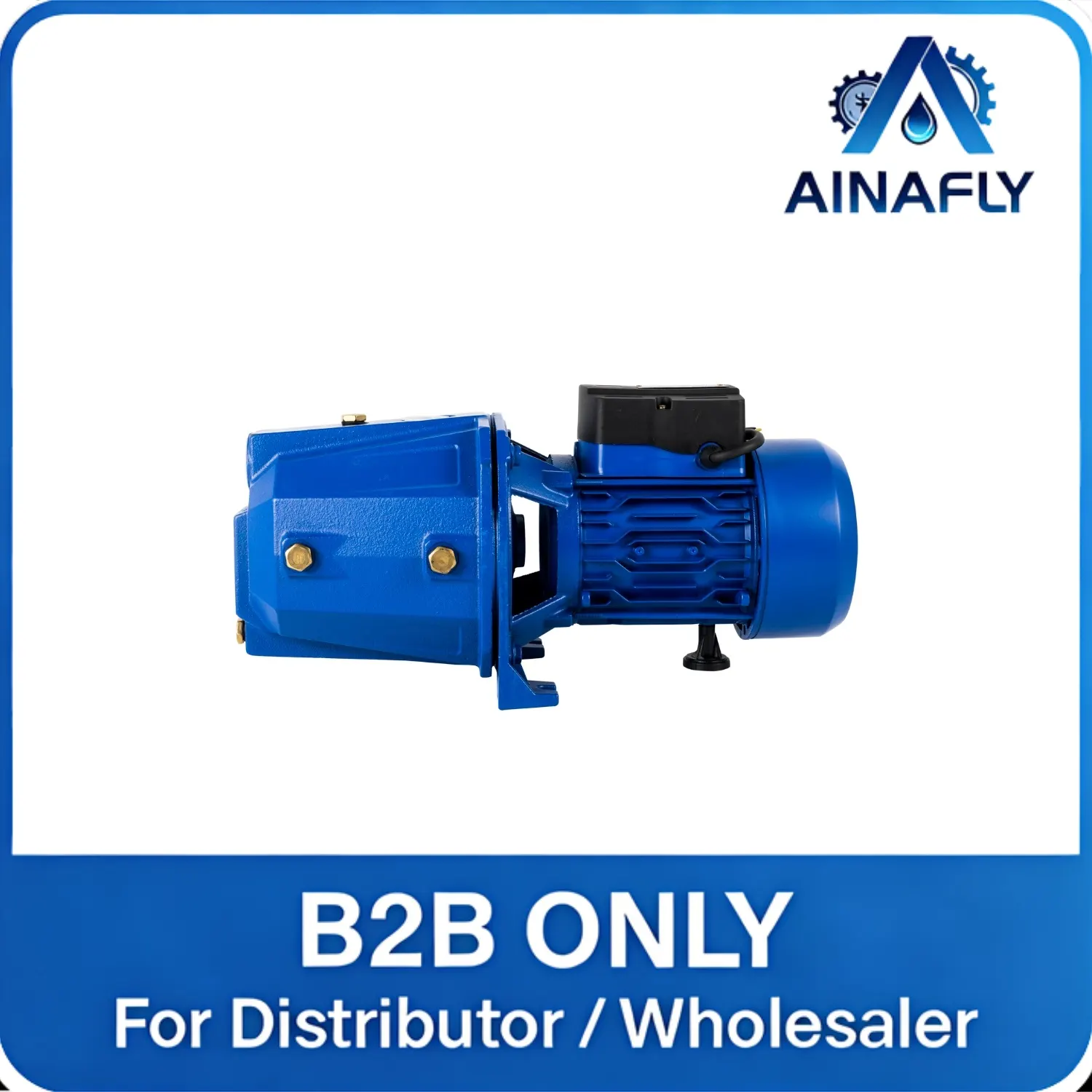
Agricultural operations and water management systems rely heavily on efficient pumping solutions to maintain optimal water levels and distribution across various terrains. A land pump serves as a critical component in modern farming and drainage applications, providing the necessary power to move water from one location to another with precision and reliability. These versatile machines have revolutionized how farmers approach irrigation scheduling, flood prevention, and general water management tasks across diverse agricultural landscapes.
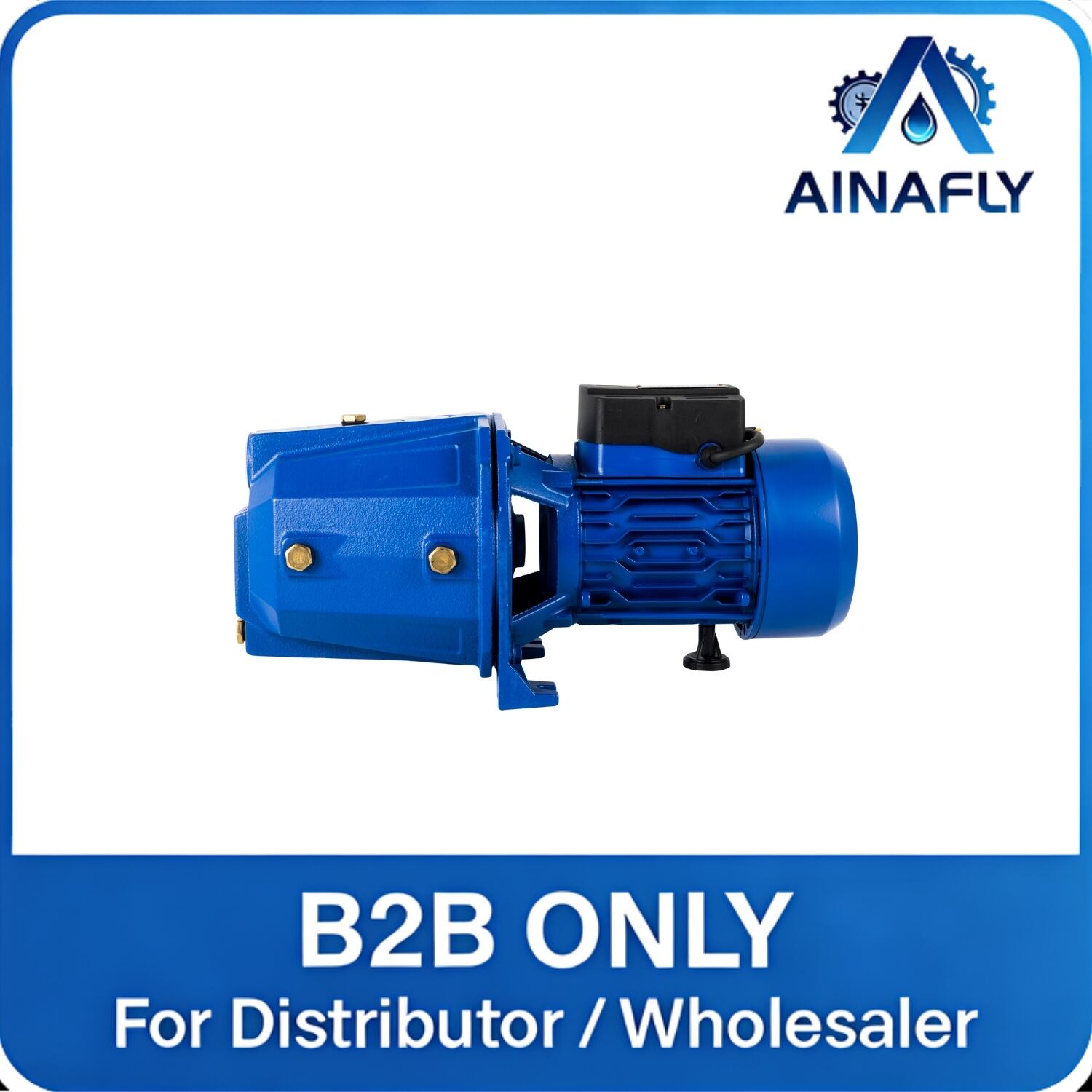
Understanding the fundamental applications of water pumping equipment helps farmers and water management professionals make informed decisions about their irrigation and drainage strategies. The implementation of proper pumping systems directly impacts crop yields, soil health, and overall operational efficiency in agricultural settings. Modern land pump technologies offer improved energy efficiency, reduced maintenance requirements, and enhanced performance capabilities compared to traditional pumping methods.
Primary Applications in Agricultural Irrigation Systems
Field Irrigation and Crop Water Management
Agricultural irrigation represents one of the most common applications for land pump systems across farming operations worldwide. These pumps efficiently transfer water from wells, ponds, rivers, or storage tanks to irrigation networks that deliver moisture directly to crop root zones. The precision control offered by modern land pump designs enables farmers to maintain consistent soil moisture levels throughout growing seasons, supporting optimal plant development and maximizing harvest yields.
Different crop types require varying water delivery schedules and pressure levels, making pump selection and configuration critical factors in irrigation system design. Row crops such as corn and soybeans benefit from steady, moderate pressure systems that distribute water evenly across large field areas. Specialty crops like vegetables and fruits often require more precise water control with adjustable flow rates and timing mechanisms integrated into the land pump operation.
The integration of automated controls with land pump systems allows farmers to program irrigation schedules based on weather conditions, soil moisture sensors, and crop growth stages. This technological advancement reduces labor costs while ensuring crops receive optimal water quantities at the most beneficial times. Smart irrigation controllers can activate land pump operations during off-peak electricity hours, reducing operational costs and improving overall system efficiency.
Greenhouse and Controlled Environment Agriculture
Controlled environment agriculture facilities depend on reliable land pump systems to maintain precise water delivery to hydroponic systems, misting networks, and container growing operations. These specialized applications require pumps capable of delivering consistent pressure levels while handling various water treatment chemicals and nutrient solutions. The compact design and quiet operation of modern land pump units make them ideal for greenhouse installations where space constraints and noise considerations are important factors.
Hydroponic growing systems utilize land pump technology to circulate nutrient-rich water solutions through growing media and plant root systems. The continuous circulation provided by these pumps ensures plants receive consistent access to essential minerals and nutrients throughout their growth cycles. Pump reliability becomes critical in these applications since system failures can quickly impact plant health and productivity in controlled growing environments.
Drainage Applications and Water Level Control
Agricultural Field Drainage Management
Effective drainage management prevents waterlogging conditions that can damage crops and reduce soil productivity in agricultural fields. A land pump provides the mechanical force needed to remove excess water from low-lying areas, poorly drained soils, and fields affected by heavy rainfall or flooding events. Strategic pump placement and operation help maintain optimal soil moisture levels while preventing the anaerobic conditions that harm plant root systems and beneficial soil organisms.
Subsurface drainage systems often incorporate land pump installations to move collected water from tile drain networks to appropriate discharge locations. These systems work continuously during wet periods to prevent water table elevation that could interfere with normal farming operations. The reliability and efficiency of land pump units directly impact the effectiveness of drainage networks and the speed at which fields can return to productive use after significant rainfall events.
Temporary drainage applications frequently require portable land pump solutions that can be quickly deployed to address emergency flooding situations or seasonal water management needs. These mobile units provide flexibility for farmers dealing with unpredictable weather patterns or varying field conditions throughout growing seasons. The ability to relocate pumping equipment as needed helps optimize water management across entire farming operations.
Pond and Reservoir Management
Farm ponds and water storage reservoirs require active management to maintain appropriate water levels for irrigation supply and livestock watering needs. Land pump systems facilitate water transfer between different storage facilities, enabling farmers to optimize water distribution based on seasonal demands and availability. These applications often involve moving large volumes of water over significant distances, requiring pumps with adequate capacity and pressure capabilities.
Aquaculture operations utilize land pump technology to maintain proper water circulation and aeration in fish ponds and other aquatic growing systems. The continuous water movement provided by these pumps helps maintain dissolved oxygen levels while preventing stagnation that could lead to water quality problems. Pump selection for aquaculture applications must consider fish species requirements, water temperature variations, and the need for gentle water handling to avoid stress on aquatic organisms.
Technical Considerations and System Design
Pump Capacity and Performance Requirements
Selecting the appropriate land pump capacity requires careful analysis of water volume requirements, elevation changes, and system pressure needs for specific applications. Flow rate calculations must account for peak demand periods when irrigation or drainage needs reach maximum levels. Undersized pumps struggle to meet system demands during critical periods, while oversized units waste energy and increase operational costs unnecessarily.
Head pressure calculations determine the pump's ability to lift water vertically and overcome friction losses in piping systems. Land pump specifications must match the total dynamic head requirements of the complete water management system, including static lift, friction losses, and pressure requirements at delivery points. Professional system design ensures optimal pump performance while minimizing energy consumption and maintenance needs.
Variable speed drive technology allows land pump systems to adjust output based on real-time demand, improving efficiency and extending equipment life. These advanced control systems automatically modify pump operation to match changing system requirements, reducing energy waste during low-demand periods. The integration of smart controls with land pump installations represents a significant advancement in agricultural water management technology.
Installation and Maintenance Best Practices
Proper land pump installation requires attention to suction line design, electrical connections, and protection from environmental factors that could impact performance. Suction piping must be sized correctly and installed with minimal bends or restrictions that could cause cavitation or reduce pump efficiency. Electrical installations should follow local codes and include appropriate protection devices to prevent damage from power fluctuations or electrical faults.
Regular maintenance schedules help ensure reliable land pump operation throughout demanding agricultural seasons. Routine inspections should include checking for leaks, monitoring bearing temperatures, and verifying proper alignment of rotating components. Preventive maintenance programs reduce the likelihood of unexpected failures during critical irrigation or drainage periods when pump availability is essential for crop protection.
Seasonal preparation activities help extend land pump service life and maintain optimal performance levels. Winterization procedures protect pumps from freeze damage in cold climates, while pre-season inspections identify potential problems before peak operating periods begin. Proper storage and protection during off-seasons prevent corrosion and deterioration that could impact pump reliability when agricultural operations resume.
Energy Efficiency and Cost Optimization
Power Source Selection and Energy Management
Energy costs represent a significant portion of land pump operational expenses, making power source selection and efficiency optimization critical factors in system design. Electric motors provide consistent power delivery and relatively low maintenance requirements for installations with reliable electrical service. Diesel and gasoline engines offer flexibility for remote locations or applications requiring portable pumping solutions, though fuel costs and maintenance needs are typically higher than electric alternatives.
Solar-powered land pump systems have gained popularity in remote agricultural applications where electrical grid connections are unavailable or expensive to install. These renewable energy solutions reduce operational costs while providing environmental benefits through reduced fossil fuel consumption. Battery storage integration allows solar-powered pumps to operate during cloudy periods or at night when irrigation scheduling requires flexibility.
Time-of-use electricity rates influence optimal operating schedules for land pump systems in many agricultural regions. Programming pump operation during off-peak hours reduces energy costs significantly while still meeting crop water requirements. Smart irrigation controllers can automatically adjust pumping schedules based on real-time electricity pricing and weather forecasts to minimize operational expenses.
Return on Investment and Economic Benefits
Investment in quality land pump systems generates measurable returns through improved crop yields, reduced labor costs, and enhanced water use efficiency. Precise water management capabilities help farmers optimize growing conditions while minimizing waste of valuable water resources. The ability to respond quickly to changing weather conditions or crop needs provides competitive advantages in agricultural markets where timing and quality are critical factors.
Long-term cost analysis should include energy consumption, maintenance requirements, and expected service life when evaluating different land pump options. Higher initial investment in quality equipment often results in lower total cost of ownership through improved efficiency and reduced maintenance needs. Professional installation and proper system design maximize the economic benefits of land pump investments while ensuring reliable performance throughout equipment service life.
Environmental Impact and Sustainability
Water Conservation and Resource Management
Efficient land pump systems contribute to water conservation efforts by enabling precise application rates and reducing waste in agricultural irrigation practices. Modern pumping technology supports drip irrigation, micro-sprinkler systems, and other high-efficiency water delivery methods that minimize evaporation and runoff losses. The ability to maintain consistent pressure and flow rates helps ensure uniform water distribution while preventing over-irrigation that wastes water resources.
Integration with soil moisture monitoring systems allows land pump operations to respond directly to actual crop water needs rather than following fixed irrigation schedules. This precision approach reduces total water consumption while maintaining optimal growing conditions for maximum productivity. Smart irrigation technologies that incorporate weather data and evapotranspiration calculations further enhance water use efficiency in modern agricultural operations.
Environmental Protection and Compliance
Proper land pump system design and operation help agricultural operations comply with environmental regulations related to water use, discharge, and resource protection. Efficient drainage management prevents nutrient runoff that could impact local water quality while maintaining productive growing conditions. The ability to control water application rates and timing helps farmers minimize environmental impact while meeting production goals.
Noise reduction features in modern land pump designs minimize impact on surrounding communities and wildlife habitats. Advanced engineering techniques reduce operational noise levels while maintaining high performance standards required for demanding agricultural applications. Environmental stewardship considerations increasingly influence pump selection and installation practices as agricultural operations seek to balance productivity with ecological responsibility.
FAQ
What factors determine the right land pump size for my irrigation system
Land pump sizing depends on several key factors including total water volume requirements, system pressure needs, elevation changes, and peak demand periods. Calculate your maximum flow rate requirements during the busiest irrigation periods, then add the total dynamic head including vertical lift and friction losses through pipes and fittings. Professional system analysis ensures optimal pump selection that meets performance needs while minimizing energy consumption and operational costs.
How often should I perform maintenance on my land pump system
Regular land pump maintenance should follow manufacturer recommendations, typically including monthly visual inspections during operating seasons and comprehensive service every 500-1000 operating hours. Check for leaks, unusual noises, or vibration that could indicate developing problems. Seasonal maintenance includes oil changes, bearing lubrication, and electrical connection inspection. Preventive maintenance programs reduce unexpected failures and extend equipment service life significantly compared to reactive repair approaches.
Can land pumps handle different types of water sources safely
Most land pump systems can handle various water sources including wells, ponds, rivers, and storage tanks, though water quality affects pump selection and maintenance requirements. Clean water sources require minimal filtration, while sources containing sediment or debris need appropriate screening and filtration systems. Corrosive water conditions may require specialized materials or coatings to prevent damage. Water testing helps determine appropriate pump specifications and protection measures for different source conditions.
What energy efficiency options are available for land pump operations
Energy efficiency improvements for land pump systems include variable frequency drives that adjust motor speed based on demand, high-efficiency motors that reduce power consumption, and smart controls that optimize operating schedules. Solar power integration provides renewable energy options for remote locations, while time-of-use programming takes advantage of lower electricity rates during off-peak hours. Proper system design and regular maintenance maintain peak efficiency throughout equipment service life while minimizing operational costs.