
 EN
EN
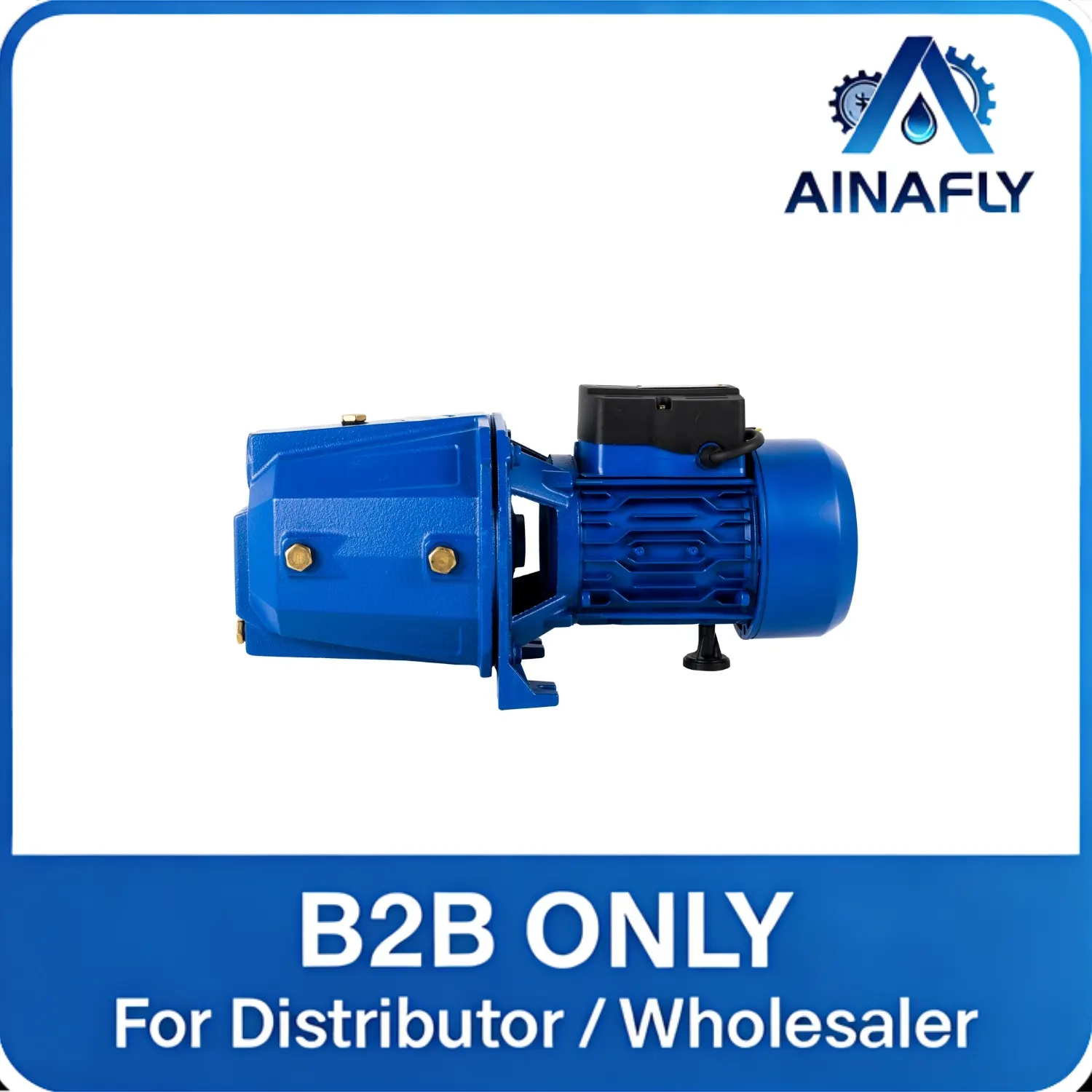
Selecting the right land pump for extended outdoor applications requires careful consideration of multiple factors that directly impact performance and longevity. A well-engineered land pump must withstand harsh environmental conditions while maintaining consistent operational efficiency over years of continuous service. Understanding these critical specifications helps industrial operators make informed decisions that maximize return on investment and minimize operational downtime. The durability of a land pump system depends on its ability to resist corrosion, handle temperature fluctuations, and maintain seal integrity under varying pressure conditions.
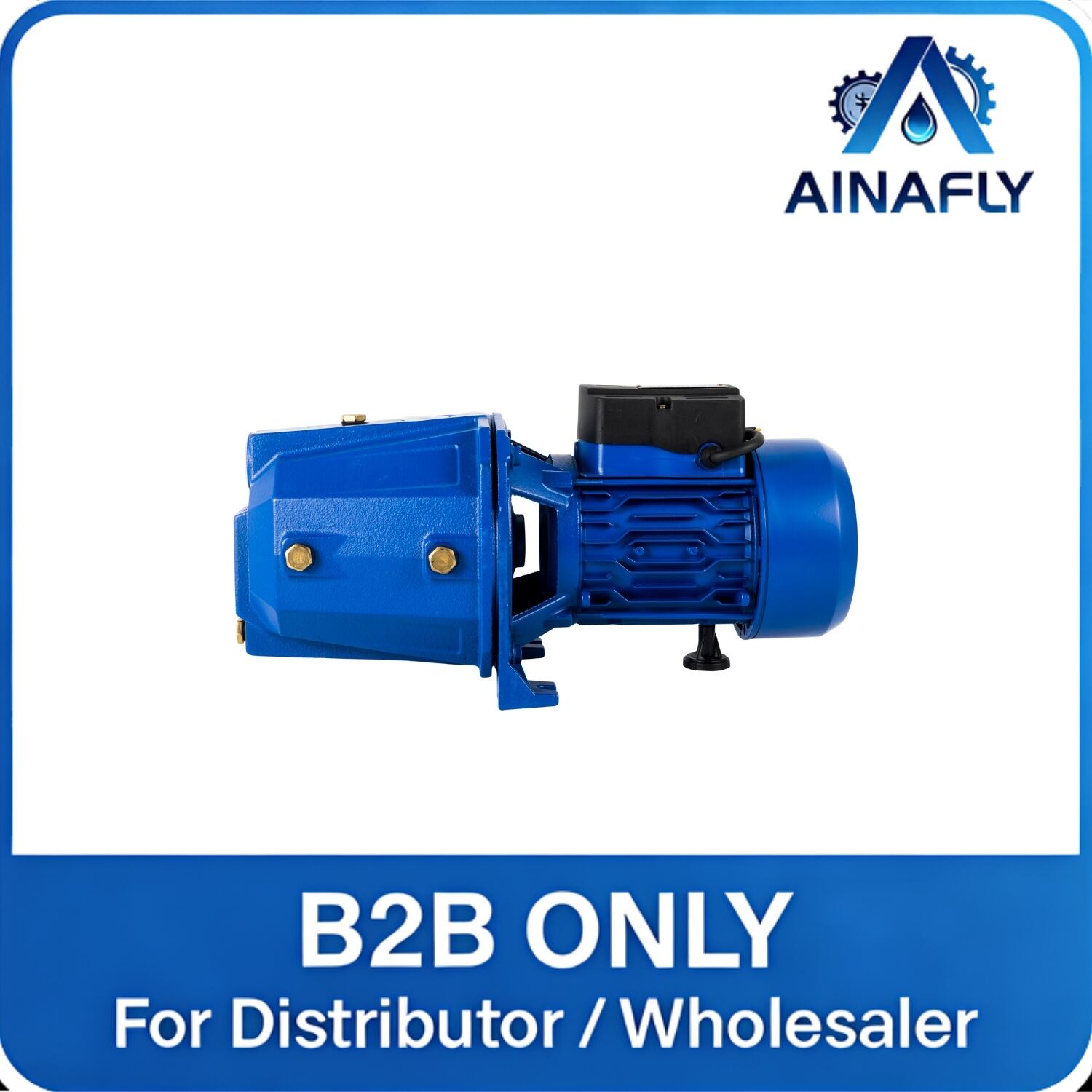
Essential Design Features for Outdoor Land Pump Applications
Corrosion-Resistant Materials and Construction
The foundation of any reliable land pump begins with superior material selection that can withstand prolonged exposure to outdoor elements. Stainless steel components, cast iron housings with protective coatings, and specialized alloys provide the necessary resistance against moisture, chemicals, and temperature variations. Advanced manufacturing processes ensure that critical pump components maintain their structural integrity even when subjected to continuous thermal cycling and atmospheric contamination.
Modern land pump designs incorporate multiple layers of protection through engineered surface treatments and specialized coatings. These protective measures extend equipment lifespan significantly by preventing oxidation and chemical degradation of internal components. The selection of appropriate gaskets, seals, and O-rings made from weather-resistant elastomers further enhances the overall durability of the pumping system.
Weatherproof Enclosure and Protection Systems
Effective weatherproofing represents a crucial aspect of land pump design that directly influences long-term operational reliability. Sealed motor housings with appropriate IP ratings prevent water ingress while allowing for proper ventilation and heat dissipation. These protective enclosures must balance environmental protection with accessibility for routine maintenance procedures.
Advanced ventilation systems within weatherproof enclosures help regulate internal temperatures and prevent condensation buildup that could damage electrical components. Strategic placement of drainage ports and moisture barriers ensures that any infiltrated water can be safely evacuated without compromising pump operation or causing internal corrosion.
Performance Characteristics for Extended Operation
Thermal Management and Heat Dissipation
Efficient thermal management becomes increasingly critical when a land pump operates continuously in outdoor environments where ambient temperatures can vary dramatically. Proper heat dissipation prevents motor overheating and extends bearing life, while temperature monitoring systems provide early warning of potential thermal issues. Integrated cooling systems, including enhanced fin designs and forced air circulation, help maintain optimal operating temperatures.
The thermal design of a land pump must account for both internal heat generation from mechanical friction and electrical losses, as well as external heat sources such as direct sunlight and elevated ambient temperatures. Advanced thermal modeling during the design phase ensures that heat dissipation capabilities match the expected thermal load under various operating conditions.
Hydraulic Efficiency and Flow Characteristics
Long-term outdoor operation demands that a land pump maintains consistent hydraulic performance despite variations in operating conditions and gradual component wear. Precision-engineered impeller designs optimize flow patterns while minimizing energy consumption, resulting in lower operational costs and reduced thermal stress on system components. The hydraulic design must accommodate reasonable variations in suction conditions without compromising pump stability.
Advanced computational fluid dynamics modeling enables manufacturers to optimize internal flow paths within the land pump, reducing turbulence and associated energy losses. These design improvements translate directly into improved operational efficiency and reduced maintenance requirements over the equipment's service life.
Maintenance Considerations and Accessibility
Modular Design and Component Accessibility
The maintenance requirements of a land pump significantly impact its suitability for long-term outdoor deployment, particularly in remote locations where service access may be limited. Modular construction allows for individual component replacement without complete system disassembly, reducing both maintenance time and associated costs. Strategic component placement ensures that routine inspection points remain easily accessible.
Well-designed maintenance access points enable technicians to perform routine inspections and preventive maintenance procedures efficiently. Clear sight glasses, accessible drain points, and removable inspection covers facilitate regular monitoring of internal conditions without requiring extensive disassembly procedures.
Monitoring and Diagnostic Capabilities
Modern land pump systems incorporate sophisticated monitoring capabilities that enable predictive maintenance strategies and early problem detection. Integrated sensors monitor critical parameters including vibration levels, temperature variations, and flow rates, providing valuable data for optimizing maintenance schedules. Remote monitoring capabilities allow operators to track land pump performance from centralized control facilities.
Advanced diagnostic systems can identify developing issues before they result in equipment failure, enabling proactive maintenance interventions that minimize operational disruptions. These monitoring capabilities prove particularly valuable for land pump installations in remote locations where manual inspections may be infrequent or challenging to perform.
Environmental Adaptation and Flexibility
Variable Operating Conditions
Outdoor land pump applications must accommodate significant variations in environmental conditions including temperature extremes, humidity fluctuations, and seasonal changes in operating requirements. Adaptive control systems automatically adjust operating parameters to maintain optimal performance across varying conditions, while robust construction ensures reliable operation throughout the expected environmental range.
The ability of a land pump to handle variable suction conditions, including changes in fluid temperature and viscosity, directly impacts its versatility for outdoor applications. Advanced impeller designs and variable speed capabilities enable the pump to maintain efficient operation across a broad range of operating points.
Installation Flexibility and Site Requirements
Site-specific installation requirements often dictate the configuration options needed for a land pump system intended for long-term outdoor service. Flexible mounting options, adjustable piping connections, and modular electrical interfaces enable adaptation to various site conditions without compromising performance or reliability. The land pump design must accommodate reasonable variations in foundation conditions and site geometry.
Consideration of local environmental factors, including prevailing weather patterns, soil conditions, and potential flood risks, influences both the initial installation design and long-term operational strategies. Proper site preparation and installation practices significantly impact the long-term reliability of outdoor land pump systems.
FAQ
What maintenance schedule is recommended for outdoor land pump systems
Outdoor land pump systems typically require monthly visual inspections, quarterly lubrication services, and annual comprehensive maintenance including seal replacement and electrical connection verification. The specific maintenance interval may vary based on operating conditions, duty cycle, and manufacturer recommendations. Harsh environments or continuous operation may necessitate more frequent maintenance intervals.
How do weather conditions affect land pump performance
Weather conditions significantly impact land pump performance through temperature effects on fluid viscosity, thermal cycling stress on components, and potential for moisture infiltration into electrical systems. Extreme temperatures can affect seal performance and bearing lubrication, while humidity variations may cause condensation issues in electrical enclosures. Proper weatherproofing and environmental controls mitigate these effects.
What are the key indicators of declining land pump performance
Key performance indicators include declining flow rates, increased power consumption, elevated operating temperatures, unusual vibration or noise levels, and visible signs of leakage or corrosion. Regular monitoring of these parameters enables early detection of developing issues before they result in equipment failure or significant performance degradation.
How long should a quality land pump last in outdoor applications
A properly selected and maintained land pump designed for outdoor applications should provide reliable service for 15-20 years or more under normal operating conditions. Service life depends on factors including operating duty cycle, environmental severity, maintenance quality, and initial equipment selection. Premium materials and construction can extend service life significantly in challenging applications.