
 EN
EN

Access to reliable water supply remains one of the most pressing challenges for rural communities worldwide. A land pump serves as a critical infrastructure component that can transform water accessibility in areas where traditional municipal systems are unavailable or unreliable. These versatile pumping systems offer rural residents, farmers, and businesses the ability to extract water from various sources including wells, boreholes, and surface water bodies. Understanding how a land pump functions and its applications can help rural communities make informed decisions about their water supply solutions.
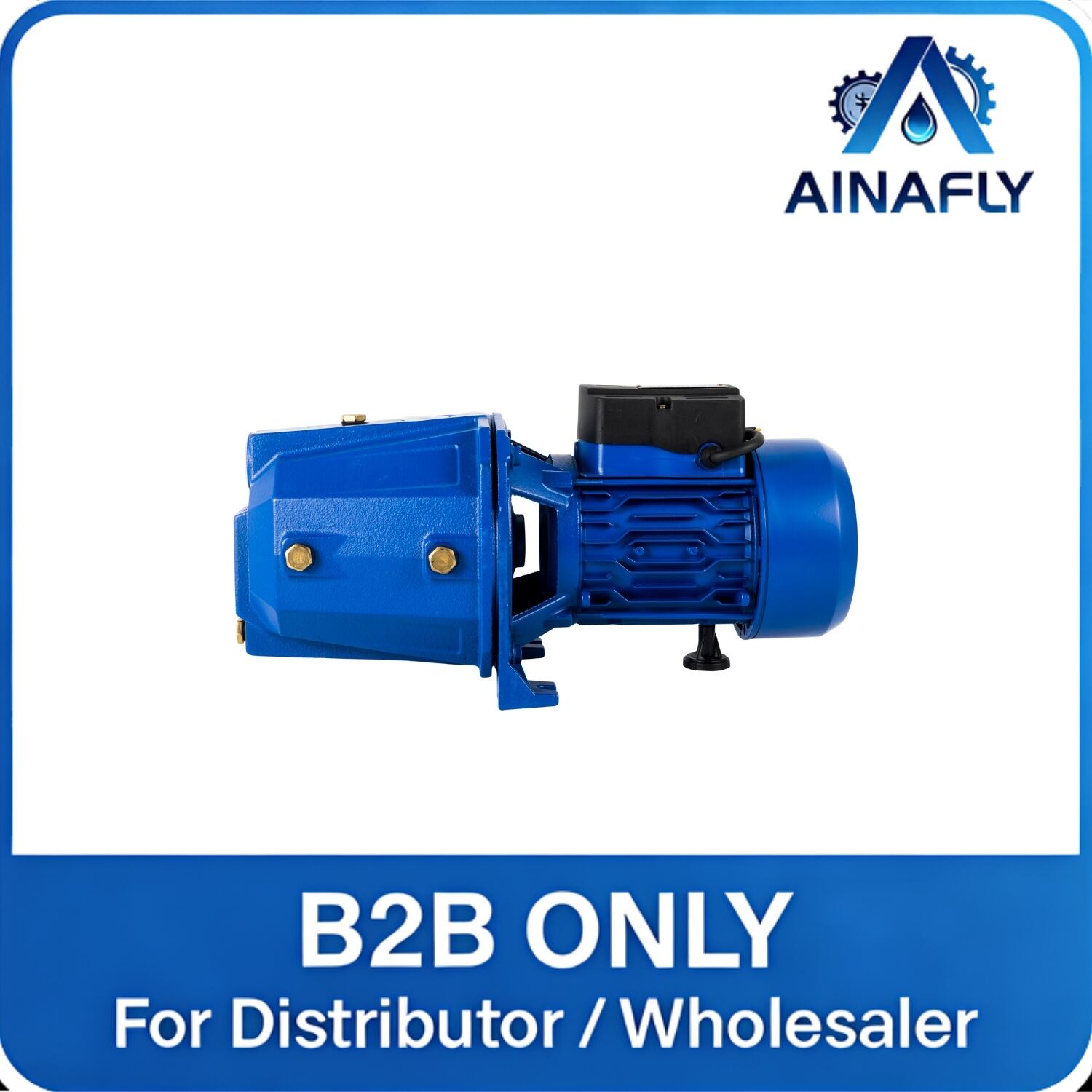
Understanding Land Pump Technology and Applications
Core Components and Operating Principles
A land pump operates on fundamental hydraulic principles that create pressure differentials to move water from source locations to desired destinations. The system typically consists of an impeller, motor housing, suction and discharge ports, and control mechanisms that work together to generate consistent water flow. Modern land pump designs incorporate advanced materials and engineering techniques that enhance durability and efficiency while reducing maintenance requirements.
The impeller serves as the heart of any land pump system, creating centrifugal force that draws water through the suction line and pushes it through the discharge outlet. Motor efficiency plays a crucial role in determining overall system performance, with contemporary designs achieving higher power-to-output ratios than older models. These technological improvements make land pump systems more cost-effective and environmentally sustainable for long-term rural water supply projects.
Types and Configuration Options
Rural applications often require different land pump configurations depending on specific geographic and operational requirements. Surface-mounted units provide easy access for maintenance while offering flexibility in installation locations. Submersible versions excel in deep well applications where space constraints or aesthetic considerations make surface installations impractical.
Variable speed land pump models allow operators to adjust flow rates and pressure settings based on changing demand patterns throughout different seasons or usage periods. Fixed-speed alternatives offer simplicity and reliability for applications with consistent water requirements. The choice between these options depends on factors such as water source characteristics, distribution network design, and anticipated usage patterns within the rural community.
Installation and Infrastructure Requirements
Site Preparation and Assessment
Successful land pump installation requires comprehensive site evaluation to determine optimal placement and configuration. Soil conditions, water table depth, and proximity to power sources all influence installation complexity and long-term performance. Professional assessment ensures that the selected land pump system matches local conditions and anticipated demand requirements.
Environmental factors such as seasonal water level fluctuations, potential contamination sources, and geological stability must be considered during the planning phase. Proper site preparation includes establishing adequate drainage, securing stable foundations, and ensuring compliance with local regulations. These preliminary steps significantly impact the reliability and longevity of rural water supply systems.
Electrical and Mechanical Connections
Land pump systems require proper electrical connections that provide stable power while incorporating safety features such as overload protection and emergency shutoffs. Rural installations often face challenges related to power supply consistency, making voltage regulation and surge protection particularly important. Professional electrical installation ensures safe operation and compliance with applicable codes and standards.
Mechanical connections include suction lines, discharge piping, and control valve installations that must be sized appropriately for the specific land pump capacity and application requirements. Quality fittings and proper joint sealing prevent leaks that could compromise system efficiency. Regular inspection and maintenance of these connections help maintain optimal performance throughout the system's operational life.
Performance Benefits for Rural Communities
Reliability and Consistency
Rural communities benefit significantly from the consistent water delivery that properly designed land pump systems provide. Unlike manual pumping methods or gravity-fed systems that depend on natural water pressure, motorized land pump installations deliver predictable flow rates regardless of seasonal variations or demand fluctuations. This reliability enables communities to plan agricultural activities, establish small businesses, and improve overall quality of life.
Modern land pump technology incorporates monitoring systems that alert operators to potential issues before they result in complete system failure. Preventive maintenance scheduling based on operating hours and performance metrics helps maintain consistent service while minimizing unexpected downtime. These features make land pump systems particularly valuable for rural areas where alternative water sources may be limited or unreliable.
Economic Impact and Cost Effectiveness
Investment in land pump infrastructure often generates positive economic returns for rural communities through improved agricultural productivity and expanded business opportunities. Reliable water access enables farmers to implement irrigation systems that increase crop yields and extend growing seasons. Small businesses such as food processing, livestock operations, and rural manufacturing benefit from consistent water supply that supports expanded operations.
Long-term operational costs for land pump systems typically prove more economical than alternative water supply methods when properly maintained. Energy efficiency improvements in modern designs reduce ongoing electricity expenses while enhanced durability extends service life. These economic advantages make land pump investments attractive for rural development projects and community improvement initiatives.
Maintenance and Operational Considerations
Routine Maintenance Procedures
Effective land pump maintenance programs ensure reliable operation while minimizing repair costs and extending equipment life. Regular inspection schedules should include checking motor performance, examining electrical connections, and monitoring water quality for signs of contamination or mineral buildup. Visual inspection of mechanical components helps identify wear patterns that could indicate alignment issues or component deterioration.
Lubrication maintenance for land pump systems follows manufacturer specifications regarding frequency and lubricant types. Proper lubrication reduces friction, prevents premature wear, and maintains efficient operation. Documentation of maintenance activities helps establish patterns that inform future service scheduling and component replacement planning.
Troubleshooting Common Issues
Rural land pump operators should understand basic troubleshooting procedures that can resolve minor issues without requiring professional service calls. Common problems include priming issues, reduced flow rates, and unusual noise levels that often result from straightforward causes such as clogged filters, air leaks, or loose connections. Training local personnel in basic diagnostics reduces downtime and service costs.
Seasonal maintenance requirements for land pump systems may include winterization procedures in cold climates, cleaning programs during high-use periods, and performance testing following extended shutdown periods. Understanding these requirements helps rural communities maintain reliable water service throughout changing environmental conditions. Proper preparation and preventive measures significantly reduce the likelihood of emergency repairs during critical usage periods.
Environmental and Sustainability Aspects
Energy Efficiency and Resource Conservation
Modern land pump designs prioritize energy efficiency as both an economic and environmental benefit for rural installations. Variable frequency drives allow systems to adjust power consumption based on actual demand rather than operating at constant maximum capacity. This technology reduces electricity usage while maintaining adequate pressure and flow for all connected applications.
Water conservation features integrated into contemporary land pump systems include pressure regulation, leak detection, and automated shutoff capabilities that prevent waste. These features help rural communities maximize the value of available water resources while minimizing environmental impact. Sustainable operation practices extend the useful life of both the pumping equipment and the water source itself.
Integration with Renewable Energy Systems
Solar-powered land pump installations offer rural communities independence from traditional electrical grid connections while reducing ongoing operational costs. Photovoltaic systems sized appropriately for pumping requirements can provide reliable daytime operation with battery backup for extended service hours. These installations prove particularly valuable in remote areas where grid connection costs would be prohibitive.
Wind-powered alternatives present viable options for rural areas with consistent wind resources and appropriate zoning regulations. Hybrid systems combining multiple renewable energy sources with traditional grid connections provide maximum flexibility and reliability. The selection of renewable energy integration depends on local resource availability, regulatory requirements, and long-term sustainability goals.
FAQ
What factors determine the appropriate size for a rural land pump installation
Land pump sizing depends on several critical factors including peak demand requirements, water source characteristics, distribution system design, and elevation changes between source and delivery points. Professional assessment considers daily usage patterns, seasonal variations, and future growth projections to ensure adequate capacity without oversizing that wastes energy. Proper sizing balances initial investment costs with long-term operational efficiency and reliability.
How often should rural communities perform maintenance on their land pump systems
Maintenance frequency for land pump systems varies based on operating conditions, water quality, and usage intensity, but general recommendations include monthly visual inspections, quarterly performance checks, and annual comprehensive servicing. High-usage installations or those operating with challenging water conditions may require more frequent attention. Establishing a documented maintenance schedule based on manufacturer recommendations and local operating experience helps optimize system reliability and service life.
Can existing wells be retrofitted with modern land pump technology
Most existing wells can accommodate modern land pump installations with appropriate modifications to accommodate updated equipment dimensions and performance requirements. Retrofitting may require updating electrical connections, modifying piping configurations, or adjusting well casing dimensions depending on the selected pump model. Professional evaluation determines compatibility and identifies necessary modifications to ensure successful integration with existing infrastructure.
What backup options exist if the primary land pump system fails
Rural communities should consider backup systems such as portable generators for temporary power during electrical outages, manual pump alternatives for emergency water access, and stored water reserves to maintain service during repair periods. Redundant land pump installations provide the highest reliability but require additional investment and maintenance. The appropriate backup strategy depends on community size, critical water needs, and available resources for emergency preparedness.