
 EN
EN
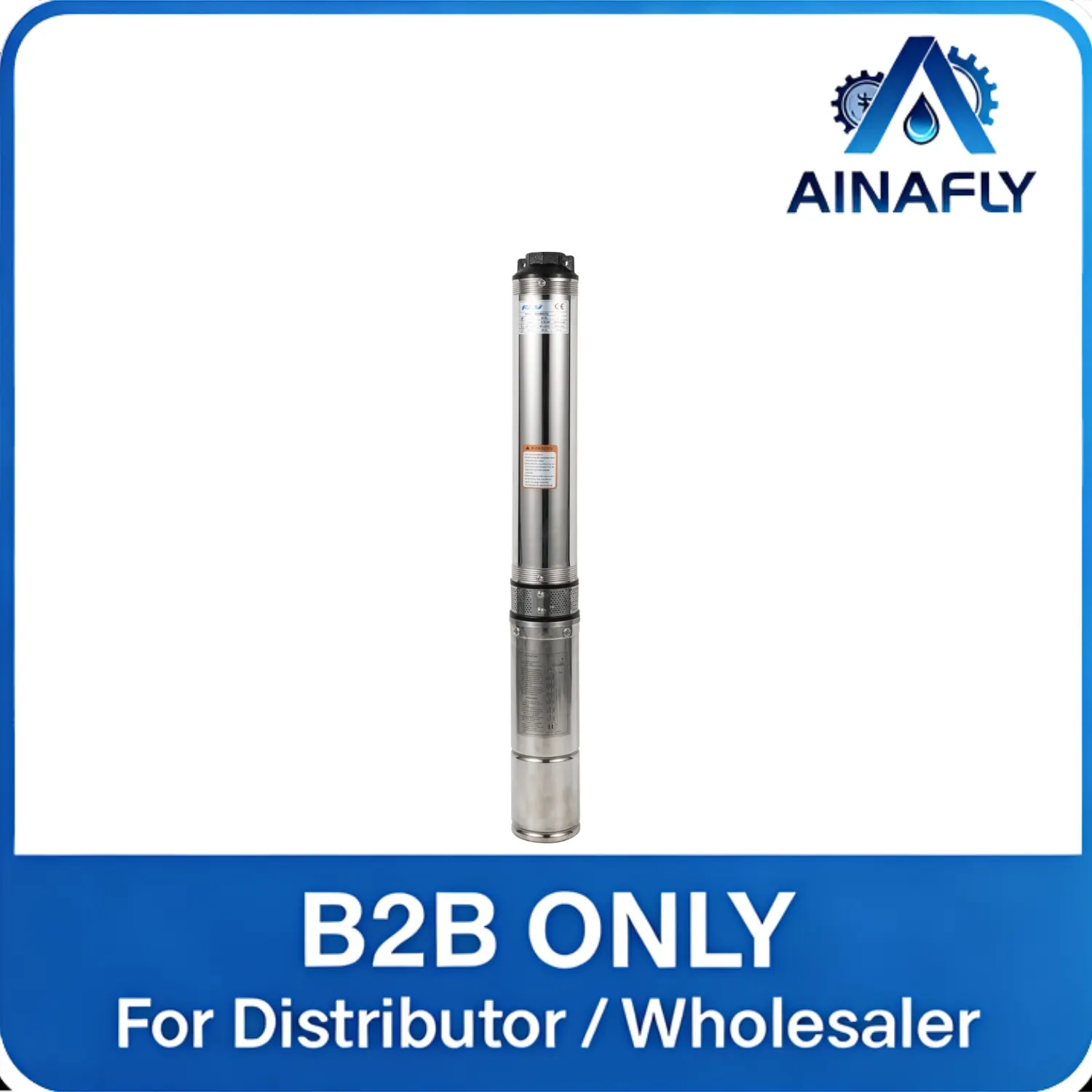
Industrial operations requiring reliable water management solutions depend heavily on the performance characteristics of specialized pumping equipment. A high-quality land pump serves as the backbone of various commercial applications, from agricultural irrigation to construction site dewatering. Understanding the critical design elements that distinguish superior land pump models from basic alternatives enables facility managers and engineers to make informed purchasing decisions that impact long-term operational efficiency and maintenance costs.
Structural Integrity and Material Composition
Cast Iron Housing Design
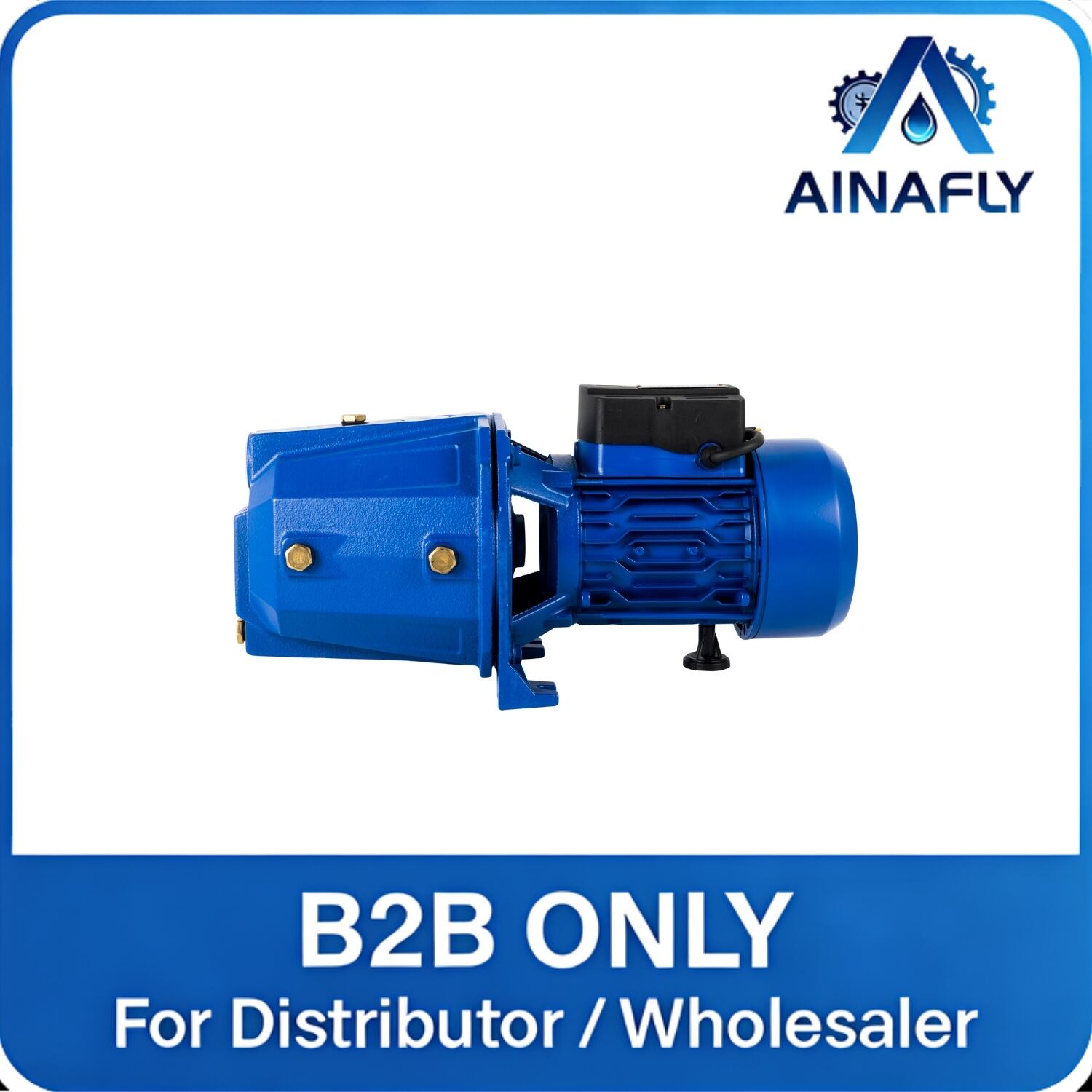
The foundation of any reliable land pump begins with its housing construction, where cast iron remains the preferred material for heavy-duty applications. Premium cast iron provides exceptional resistance to corrosion while maintaining structural stability under high-pressure conditions. Modern manufacturing techniques ensure consistent wall thickness throughout the pump casing, eliminating weak points that could lead to premature failure during extended operation cycles.
Advanced casting processes incorporate stress-relief treatments that enhance the material's durability against thermal expansion and contraction. This engineering approach significantly extends the operational lifespan of the land pump while reducing maintenance intervals. The robust construction also provides excellent vibration dampening, which protects internal components and reduces noise levels during operation.
Impeller Material Selection
Impeller composition directly influences the pumping efficiency and wear resistance of any land pump system. High-grade stainless steel impellers offer superior corrosion resistance compared to standard materials, particularly when handling water containing dissolved minerals or mild chemicals. The precision-machined surface finish minimizes friction losses while maximizing hydraulic efficiency across varying flow rates.
Dynamic balancing of the impeller assembly ensures smooth operation at rated speeds, preventing premature bearing wear and reducing energy consumption. Quality manufacturers employ computer-aided design to optimize blade geometry for specific performance curves, resulting in improved efficiency ratings that translate to lower operating costs over the pump's service life.
Hydraulic Performance Characteristics
Flow Rate Optimization
Effective land pump design prioritizes consistent flow delivery across a broad range of operating conditions. Advanced hydraulic modeling during the design phase ensures optimal performance curves that match real-world application requirements. The relationship between head pressure and flow rate determines the pump's suitability for specific installations, making this characteristic crucial for proper system integration.
Variable speed capabilities allow operators to adjust flow rates according to changing demand patterns, improving overall system efficiency. Modern land pump designs incorporate features that maintain stable performance even when operating at partial capacity, reducing energy waste during low-demand periods while preserving the ability to meet peak flow requirements.
Pressure Delivery Systems
Maximum head pressure specifications define the vertical lift capability and horizontal distance limitations of any land pump installation. Professional-grade models maintain consistent pressure output regardless of minor fluctuations in power supply or ambient temperature conditions. This stability proves essential for applications requiring precise pressure control, such as irrigation systems or industrial process water supply.
Pressure surge protection mechanisms prevent damage to downstream equipment while ensuring operator safety during startup and shutdown procedures. Quality land pump designs incorporate built-in features that gradually adjust pressure changes, protecting the entire system from hydraulic shock that could cause costly damage to connected piping and fixtures.
Motor Integration and Power Systems
Electric Motor Specifications
Motor selection significantly impacts the overall performance and reliability of any land pump system. Premium electric motors feature Class F insulation ratings that provide superior protection against temperature extremes and moisture exposure. Sealed bearing assemblies extend maintenance intervals while ensuring consistent performance across varying environmental conditions.
Energy efficiency ratings directly affect operating costs, making high-efficiency motors a worthwhile investment for continuous-duty applications. Modern land pump designs integrate motors with optimal power-to-performance ratios, eliminating oversized units that waste energy while ensuring adequate power reserves for demanding conditions. Variable frequency drive compatibility enables precise speed control for applications requiring flow modulation.
Coupling and Drive Systems
Direct-drive coupling eliminates maintenance-intensive belt systems while providing immediate torque transfer from motor to impeller. Flexible coupling designs accommodate minor misalignments that might occur during installation or thermal expansion, preventing premature wear on motor bearings and pump shaft assemblies. This configuration reduces mechanical complexity while improving overall system reliability.
Shaft materials and bearing specifications determine the operational lifespan of the drive system components. Stainless steel shafts resist corrosion while maintaining dimensional stability under varying load conditions. Sealed ball bearing assemblies with appropriate grease specifications ensure smooth operation across temperature ranges typically encountered in outdoor installations.
Sealing Technology and Leak Prevention
Mechanical Seal Design
Advanced mechanical sealing systems prevent fluid leakage while accommodating normal shaft movement during operation. Carbon-ceramic seal faces provide excellent wear resistance and thermal stability, extending replacement intervals compared to standard rubber gasket systems. Spring-loaded designs maintain consistent sealing pressure regardless of minor shaft deflection or thermal expansion.
Dual mechanical seal configurations offer enhanced reliability for critical applications where even minor leakage could cause operational disruptions. These systems incorporate flush water circulation to maintain optimal seal face temperature and lubrication, significantly extending seal life while preventing contamination of the pumped fluid.
Gasket and O-Ring Systems
High-temperature elastomer materials ensure reliable sealing across seasonal temperature variations common in outdoor land pump installations. Precision-molded gaskets maintain their sealing properties despite repeated thermal cycling and pressure fluctuations. Quality manufacturers specify appropriate durometer ratings for different sealing applications within the pump assembly.
Strategic placement of O-ring seals at critical connection points prevents air infiltration that could disrupt pump priming and reduce hydraulic performance. Groove design and surface finish specifications ensure proper O-ring seating while preventing extrusion under maximum operating pressures common in heavy-duty land pump applications.
Maintenance Accessibility and Service Features
Inspection Port Design
Strategically located inspection ports enable routine maintenance without complete disassembly of the land pump system. Threaded access covers with appropriate sealing provide easy entry for cleaning and component inspection while maintaining system integrity during normal operation. Clear marking of inspection points simplifies maintenance scheduling and reduces service time requirements.
Drain plugs positioned at low points facilitate complete fluid evacuation during seasonal shutdowns or maintenance procedures. Magnetic drain plugs capture metallic debris that might indicate internal wear, providing early warning of potential component failures before they cause system damage or operational interruptions.
Component Replacement Procedures
Modular design approaches simplify replacement of wear components such as impellers, seals, and bearings without specialized tools or extensive disassembly. Standardized fastener specifications reduce the variety of tools required for routine maintenance, enabling faster service completion and reduced labor costs over the pump's operational lifespan.
Clear component identification and proper documentation support efficient troubleshooting and parts ordering processes. Quality land pump manufacturers provide detailed technical drawings and parts lists that enable maintenance personnel to quickly identify required components and ensure proper replacement procedures.
Environmental Protection and Weather Resistance
Corrosion Prevention Systems
Comprehensive coating systems protect external surfaces from environmental exposure while maintaining aesthetic appearance throughout the service life. Multi-layer paint systems incorporate primer, base coat, and topcoat applications that provide long-term protection against moisture, UV radiation, and chemical exposure common in outdoor installations.
Sacrificial anode systems offer additional protection for land pump components exposed to corrosive environments. Strategic placement of zinc or magnesium anodes extends the service life of iron and steel components by providing cathodic protection against electrochemical corrosion processes that could compromise structural integrity.
Temperature Management Features
Thermal protection systems prevent damage during extreme temperature conditions while maintaining operational capability across seasonal variations. Insulation materials and heat shields protect critical components from excessive solar heating while ensuring adequate ventilation for motor cooling during high-ambient temperature operation.
Freeze protection measures prevent damage during winter conditions in climates subject to below-freezing temperatures. Proper drainage design eliminates water accumulation in vulnerable areas while heating elements or circulation systems maintain minimum temperatures in critical components of the land pump system.
Performance Monitoring and Control Integration
Pressure and Flow Measurement
Integrated monitoring systems provide real-time feedback on land pump performance characteristics, enabling operators to optimize efficiency and detect potential problems before they cause system failures. Digital pressure transducers and flow meters offer superior accuracy compared to analog gauges while providing data logging capabilities for performance analysis.
Remote monitoring capabilities enable centralized control of multiple land pump installations, reducing labor requirements while ensuring consistent system oversight. Wireless communication systems transmit operational data to control centers where automated systems can adjust operating parameters or alert maintenance personnel to developing problems.
Automated Control Systems
Programmable logic controllers enable sophisticated operational sequences that optimize land pump performance while protecting equipment from damage due to abnormal operating conditions. Automatic startup and shutdown procedures ensure proper system pressurization while preventing water hammer and other potentially damaging hydraulic events.
Safety interlocks prevent operation under conditions that could damage the pump or create hazardous situations for personnel. Low water level protection, overtemperature shutdown, and overcurrent protection systems automatically remove power from the land pump when predetermined limits are exceeded, preventing costly damage and ensuring operator safety.
FAQ
What determines the appropriate horsepower rating for a land pump installation
Horsepower requirements depend on the specific combination of flow rate, head pressure, and efficiency characteristics needed for your application. Calculate the hydraulic power requirements based on your maximum flow and pressure specifications, then add appropriate safety factors for motor sizing. Consider future expansion needs and variable operating conditions when selecting motor capacity to ensure adequate performance across all expected operating scenarios.
How does impeller design affect land pump efficiency and performance
Impeller geometry directly influences hydraulic efficiency, with factors such as blade angle, diameter, and surface finish affecting both flow characteristics and energy consumption. Closed impeller designs generally provide higher efficiency and better performance in clean water applications, while semi-open designs offer improved solids handling capability. The number and shape of impeller vanes determine the pressure-flow curve characteristics that must match your system requirements.
What maintenance intervals should be established for heavy-duty land pump systems
Maintenance frequency varies based on operating hours, environmental conditions, and fluid characteristics, but typical schedules include monthly visual inspections, quarterly lubrication services, and annual comprehensive overhauls. Monitor bearing temperature, vibration levels, and seal condition during routine inspections to identify developing problems early. Establish baseline performance measurements during initial startup to track efficiency degradation and plan preventive maintenance activities.
How do environmental factors influence land pump selection and installation requirements
Temperature extremes, humidity levels, and exposure to corrosive atmospheres significantly impact material selection and protection requirements for outdoor land pump installations. Cold climate installations require freeze protection measures and appropriate lubricant specifications, while high-temperature environments need enhanced cooling and thermal protection systems. Coastal or industrial environments may require upgraded corrosion protection and specialized coating systems to ensure long-term reliability.
Table of Contents
- Structural Integrity and Material Composition
- Hydraulic Performance Characteristics
- Motor Integration and Power Systems
- Sealing Technology and Leak Prevention
- Maintenance Accessibility and Service Features
- Environmental Protection and Weather Resistance
- Performance Monitoring and Control Integration
-
FAQ
- What determines the appropriate horsepower rating for a land pump installation
- How does impeller design affect land pump efficiency and performance
- What maintenance intervals should be established for heavy-duty land pump systems
- How do environmental factors influence land pump selection and installation requirements