
 EN
EN
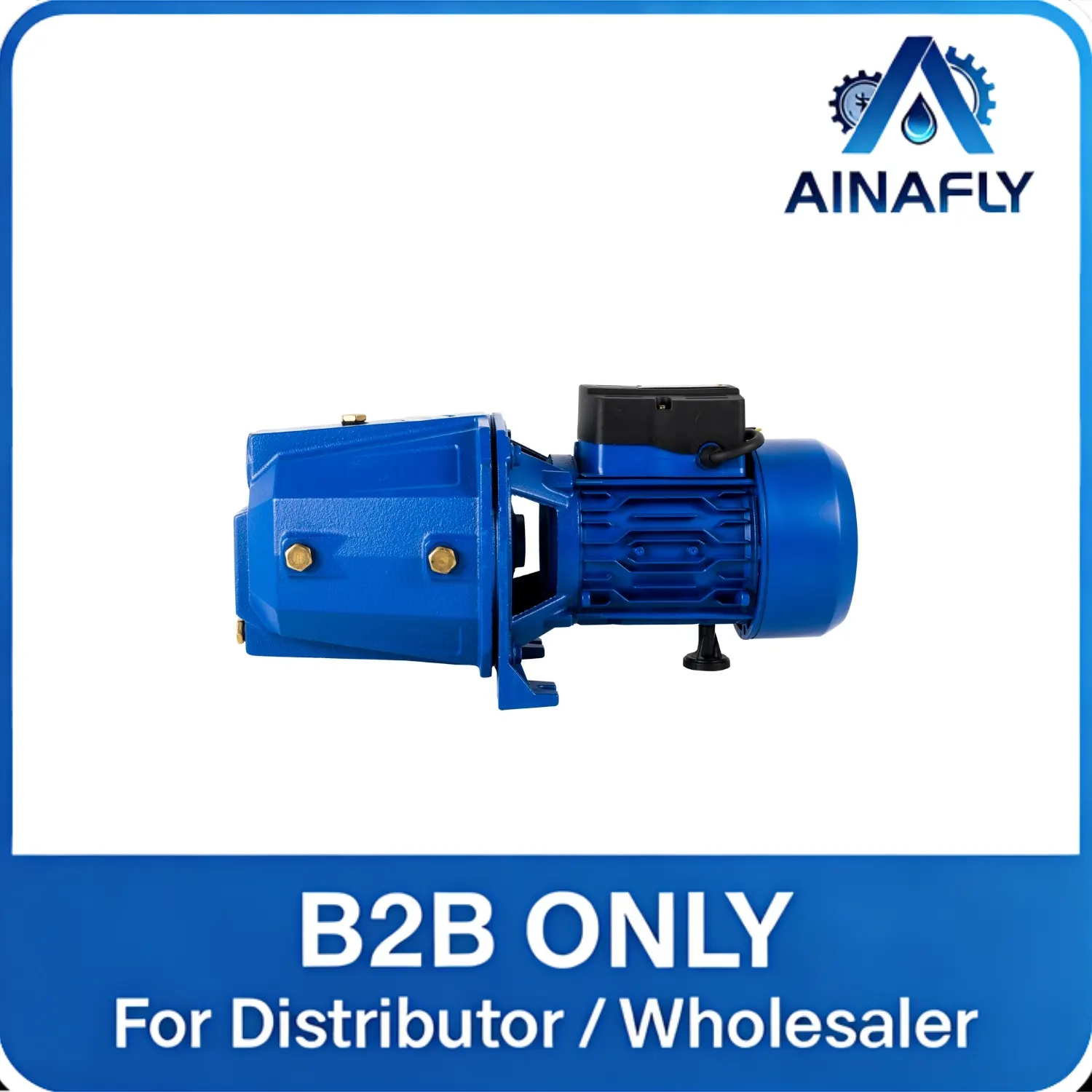
The selection of an appropriate land pump system forms the backbone of countless industrial and agricultural operations worldwide. Whether managing irrigation systems across vast farmland or supporting critical manufacturing processes, understanding the nuances between different pump applications ensures optimal performance and cost-effectiveness. Modern land pump technology has evolved significantly, offering specialized solutions that cater to diverse operational requirements while maintaining energy efficiency and reliability standards.
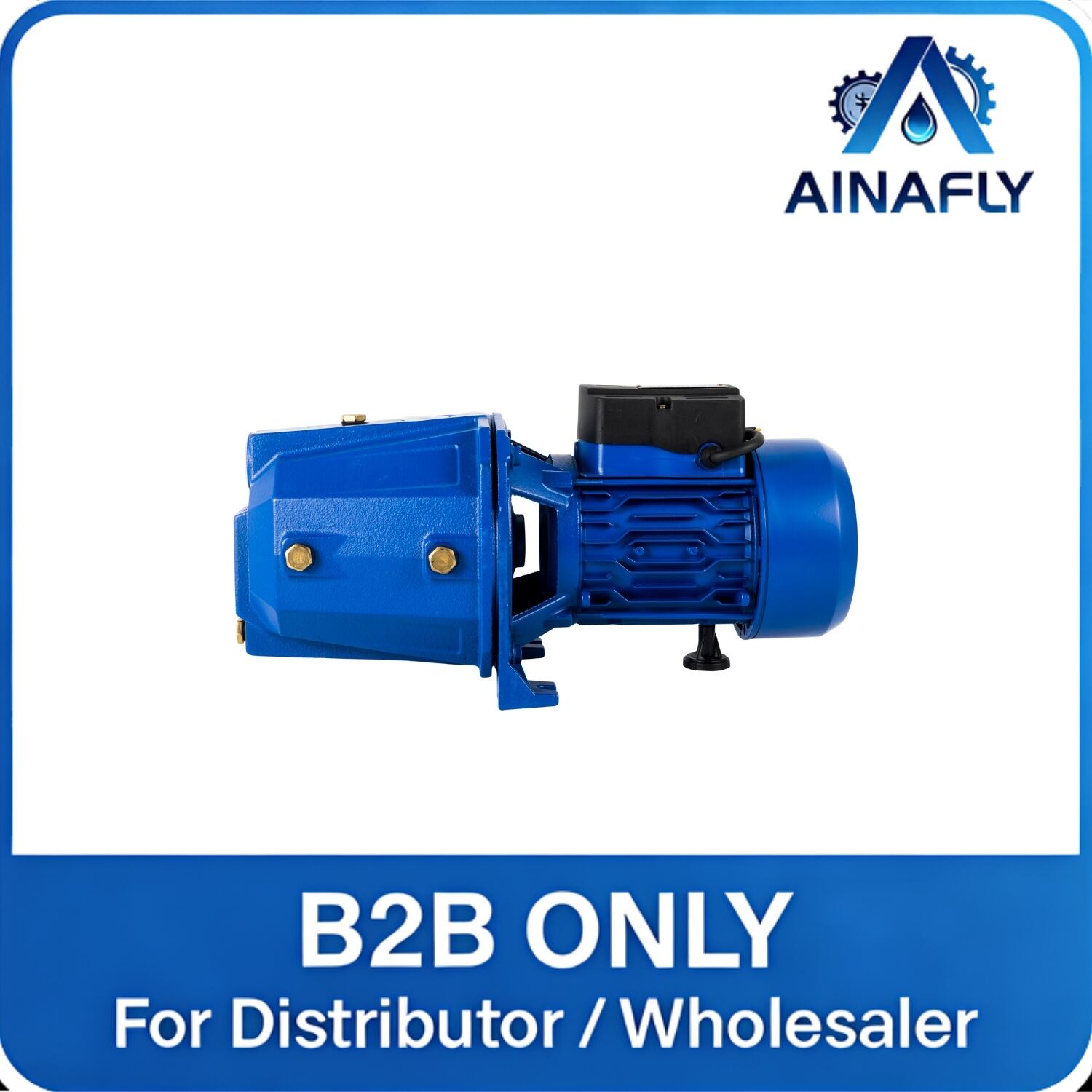
Industrial facilities typically demand higher pressure capabilities and continuous operation from their land pump installations compared to agricultural applications. Manufacturing plants, mining operations, and processing facilities require pumps that can handle various fluid types, from clean water to chemical solutions, while maintaining consistent flow rates under demanding conditions. The durability requirements for industrial land pump systems often exceed agricultural needs due to round-the-clock operations and harsh environmental conditions.
Agricultural operations, conversely, prioritize seasonal flexibility and cost-efficient water distribution across expansive areas. Farm-based land pump systems must deliver reliable performance during critical growing seasons while remaining economical during off-peak periods. The ability to adapt to varying water sources, from wells to surface water bodies, makes agricultural pumps versatile tools for modern farming practices.
Performance Characteristics and Specifications
Flow Rate Requirements
Industrial land pump applications typically require precise flow control with rates ranging from moderate to extremely high volumes depending on the specific process requirements. Chemical processing plants, for instance, may need consistent flow rates of several hundred gallons per minute to maintain production schedules. The predictability of flow rates becomes crucial when industrial processes depend on exact timing and measurements for quality control purposes.
Agricultural land pump systems focus on maximizing coverage area rather than maintaining precise flow rates. Irrigation systems benefit from pumps capable of delivering substantial volumes across extensive pipe networks and sprinkler systems. The seasonal nature of agricultural pumping allows for some flexibility in performance specifications, with peak demands occurring during planting and growing seasons while remaining dormant during winter months in many regions.
Pressure Capabilities
The pressure requirements for industrial land pump installations often exceed agricultural needs due to complex piping systems and vertical lifting requirements. Multi-story manufacturing facilities require pumps capable of maintaining adequate pressure at elevated levels while overcoming friction losses through extensive pipe networks. Industrial processes may also demand specific pressure ranges to ensure proper operation of downstream equipment and maintain safety protocols.
Agricultural applications typically operate within moderate pressure ranges optimized for efficient water distribution rather than high-pressure delivery. Sprinkler irrigation systems require sufficient pressure to achieve proper spray patterns and coverage, while drip irrigation systems operate effectively at lower pressures. The relatively simple pipe layouts in agricultural settings reduce pressure losses compared to complex industrial installations.
Operational Environment Considerations
Duty Cycle Demands
Industrial land pump systems operate under continuous duty cycles with minimal downtime allowances. Manufacturing processes cannot tolerate extended pump failures, making reliability and redundancy critical factors in system design. Many industrial facilities implement multiple pump configurations to ensure uninterrupted operations, with backup systems ready to engage automatically when primary pumps require maintenance or experience unexpected failures.
Agricultural pumping operations follow seasonal patterns with intensive usage during growing seasons followed by extended idle periods. This intermittent operation pattern allows for comprehensive maintenance and overhaul activities during off-seasons, reducing the need for redundant backup systems. However, during peak irrigation periods, land pump reliability becomes equally critical to prevent crop damage from water shortages.
Environmental Exposure
Industrial environments often expose land pump equipment to controlled but challenging conditions including chemical vapors, extreme temperatures, and vibration from nearby machinery. Indoor installations provide protection from weather elements but may subject pumps to process-related environmental factors that require specialized materials and protective coatings. Proper ventilation and temperature control become essential considerations for maintaining optimal pump performance in industrial settings.
Outdoor agricultural installations expose land pump systems to natural weather conditions including temperature extremes, precipitation, and wind exposure. UV radiation, moisture infiltration, and temperature cycling place unique demands on agricultural pump materials and enclosures. Proper weatherproofing and seasonal preparation become crucial for maintaining long-term reliability in outdoor agricultural applications.
Fluid Handling Characteristics
Water Quality Considerations
Industrial land pump systems must accommodate varying water quality conditions depending on the specific application requirements. Some processes require clean, filtered water while others can tolerate higher levels of suspended solids or chemical additives. Water treatment and filtration systems often integrate with industrial pumping installations to ensure consistent fluid quality for downstream processes. The ability to handle chemically treated or recycled water expands the versatility of industrial land pump applications.
Agricultural water sources vary significantly in quality, from clean well water to surface water containing sediments and organic matter. Land pump systems in agricultural settings must handle naturally occurring variations in water quality without compromising performance or requiring extensive pre-treatment. The ability to process water with moderate levels of suspended solids makes agricultural pumps suitable for diverse water sources including ponds, streams, and shallow wells.
Chemical Compatibility
Industrial processes often require land pump systems capable of handling various chemical solutions, from mild cleaning agents to aggressive industrial solvents. Material selection becomes critical when pumps must resist corrosion and chemical degradation while maintaining long-term reliability. Specialized seals, gaskets, and impeller materials ensure compatibility with specific chemical applications while preventing contamination of the pumped fluid.
Agricultural applications typically involve clean water with occasional fertilizer or pesticide additions that require chemical-resistant components. The concentration levels of agricultural chemicals generally remain lower than industrial applications, reducing the severity of compatibility requirements. However, seasonal exposure to different agricultural chemicals necessitates broad compatibility with common farming additives and treatments.
Energy Efficiency and Cost Considerations
Power Consumption Patterns
Industrial land pump operations contribute significantly to facility energy consumption due to continuous operation requirements and high-performance demands. Energy efficiency improvements in industrial pumping systems directly impact operational costs and environmental compliance objectives. Variable frequency drives and advanced control systems help optimize power consumption based on real-time demand fluctuations while maintaining process requirements.
Agricultural pumping operations concentrate energy consumption during specific seasons and time periods, often coinciding with peak utility rates. The seasonal nature of agricultural pumping allows for strategic energy management including off-peak operation scheduling and demand reduction strategies. Solar-powered land pump systems have gained popularity in remote agricultural locations where grid connections prove costly or impractical.
Maintenance Cost Factors
Industrial maintenance programs for land pump systems emphasize preventive measures and scheduled component replacement to avoid production disruptions. The higher cost of industrial downtime justifies more frequent maintenance intervals and premium component specifications. Trained maintenance personnel and comprehensive spare parts inventories support industrial pump reliability objectives while managing long-term operational costs.
Agricultural maintenance approaches balance cost control with reliability requirements, often extending service intervals to reduce operational expenses. The seasonal operation pattern allows for comprehensive overhaul activities during off-seasons when immediate pump availability is not critical. Agricultural operators frequently perform routine maintenance tasks themselves, reducing professional service costs while maintaining adequate system reliability.
Technology Integration and Automation
Control System Requirements
Modern industrial facilities integrate land pump systems with comprehensive building automation and process control networks. Advanced monitoring capabilities track performance parameters, predict maintenance requirements, and optimize energy consumption patterns. Integration with enterprise resource planning systems enables coordinated operation with production schedules and resource allocation strategies.
Agricultural automation focuses on efficient water management and remote monitoring capabilities that reduce labor requirements while optimizing resource utilization. Weather-based irrigation controllers integrate with land pump systems to adjust pumping schedules based on environmental conditions and crop requirements. Smartphone connectivity and remote monitoring enable farmers to manage irrigation systems from distant locations while maintaining operational oversight.
Monitoring and Diagnostics
Industrial land pump monitoring systems provide real-time performance data including flow rates, pressures, temperature readings, and vibration analysis. Predictive maintenance algorithms analyze operational data to identify potential issues before equipment failures occur. Integration with facility maintenance management systems ensures timely response to maintenance alerts and optimal spare parts inventory management.
Agricultural monitoring solutions emphasize cost-effective approaches that provide essential operational information without excessive complexity. Basic performance monitoring including run time tracking, pressure monitoring, and fault detection helps agricultural operators optimize system performance while controlling costs. Wireless communication technologies enable remote monitoring without extensive infrastructure investments in rural agricultural locations.
Selection Criteria and Decision Factors
Application-Specific Requirements
Industrial land pump selection requires careful analysis of specific process requirements including flow characteristics, pressure demands, and chemical compatibility needs. The integration requirements with existing facility systems influence pump selection decisions along with compliance obligations for industry-specific regulations. Long-term expansion plans and process modification possibilities should inform pump sizing and specification decisions to accommodate future operational changes.
Agricultural land pump selection prioritizes versatility and cost-effectiveness while ensuring adequate performance for crop production requirements. Seasonal operation patterns, water source characteristics, and distribution system layouts determine optimal pump configurations for agricultural applications. The ability to handle multiple irrigation methods and adapt to changing crop requirements enhances the value proposition of agricultural pump investments.
Economic Evaluation Methods
Industrial pump investments undergo comprehensive economic analysis including initial capital costs, operational expenses, and productivity impacts. The total cost of ownership calculation encompasses energy consumption, maintenance requirements, and potential production losses from pump failures. Return on investment analysis considers efficiency improvements, reduced maintenance costs, and enhanced process reliability benefits.
Agricultural economic evaluations focus on improving crop yields and reducing labor costs while managing capital expenditure constraints. The seasonal cash flow patterns in agriculture influence financing decisions and payment timing preferences for land pump investments. Cost-benefit analysis considers water conservation benefits, energy savings, and improved crop production outcomes when evaluating pump system upgrades or replacements.
FAQ
What are the main differences between industrial and agricultural land pump requirements
Industrial land pump systems require higher reliability and continuous operation capabilities compared to agricultural applications. Industrial pumps must handle varying fluid types and maintain precise flow control for manufacturing processes, while agricultural pumps focus on seasonal irrigation with moderate pressure requirements and cost-effective water distribution across large areas.
How do maintenance requirements differ between industrial and agricultural pump applications
Industrial land pump maintenance emphasizes preventive measures and scheduled component replacement to avoid production disruptions, with higher maintenance frequencies and professional service requirements. Agricultural pump maintenance follows seasonal patterns with comprehensive overhauls during off-seasons and more cost-conscious approaches that often include operator-performed routine maintenance tasks.
What factors should be considered when selecting a land pump for specific applications
Key selection factors include flow rate requirements, pressure capabilities, duty cycle demands, environmental exposure conditions, and fluid compatibility needs. Industrial applications prioritize process integration and reliability while agricultural applications emphasize versatility, seasonal flexibility, and cost-effectiveness for irrigation and water management requirements.
How do energy efficiency considerations differ between industrial and agricultural pump systems
Industrial land pump systems focus on continuous energy optimization through variable frequency drives and advanced controls due to constant operation requirements. Agricultural systems concentrate on seasonal energy management with opportunities for off-peak operation scheduling and alternative power sources like solar systems in remote locations where grid connections are costly or impractical.
Table of Contents
- Performance Characteristics and Specifications
- Operational Environment Considerations
- Fluid Handling Characteristics
- Energy Efficiency and Cost Considerations
- Technology Integration and Automation
- Selection Criteria and Decision Factors
-
FAQ
- What are the main differences between industrial and agricultural land pump requirements
- How do maintenance requirements differ between industrial and agricultural pump applications
- What factors should be considered when selecting a land pump for specific applications
- How do energy efficiency considerations differ between industrial and agricultural pump systems