
 EN
EN
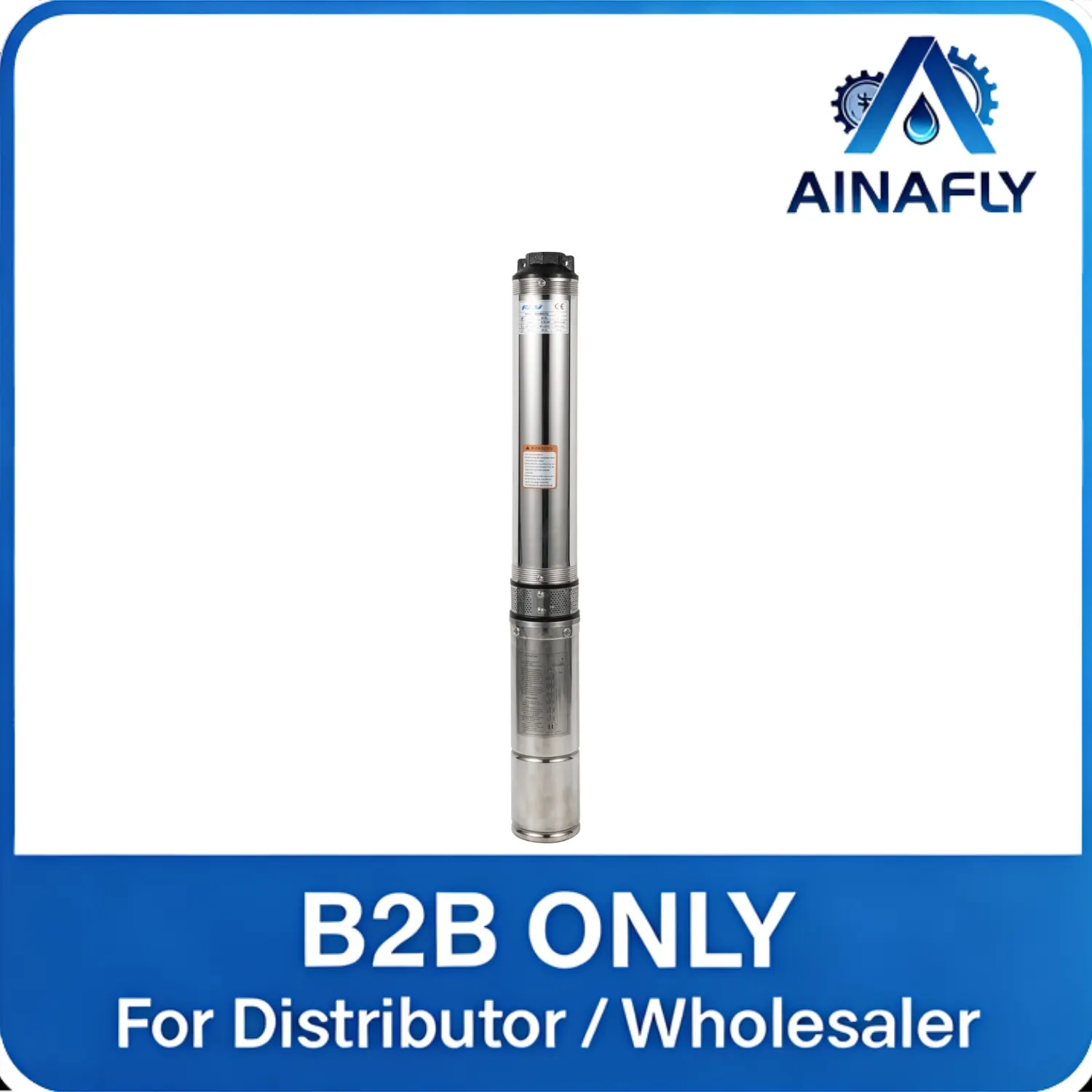
Water delivery from shallow sources requires specialized equipment designed to handle varying depths and flow requirements. A surface pump represents one of the most effective solutions for extracting water from wells, ponds, rivers, and other accessible water sources. Understanding the operational principles behind these pumping systems helps property owners, contractors, and facility managers make informed decisions about their water supply infrastructure needs.
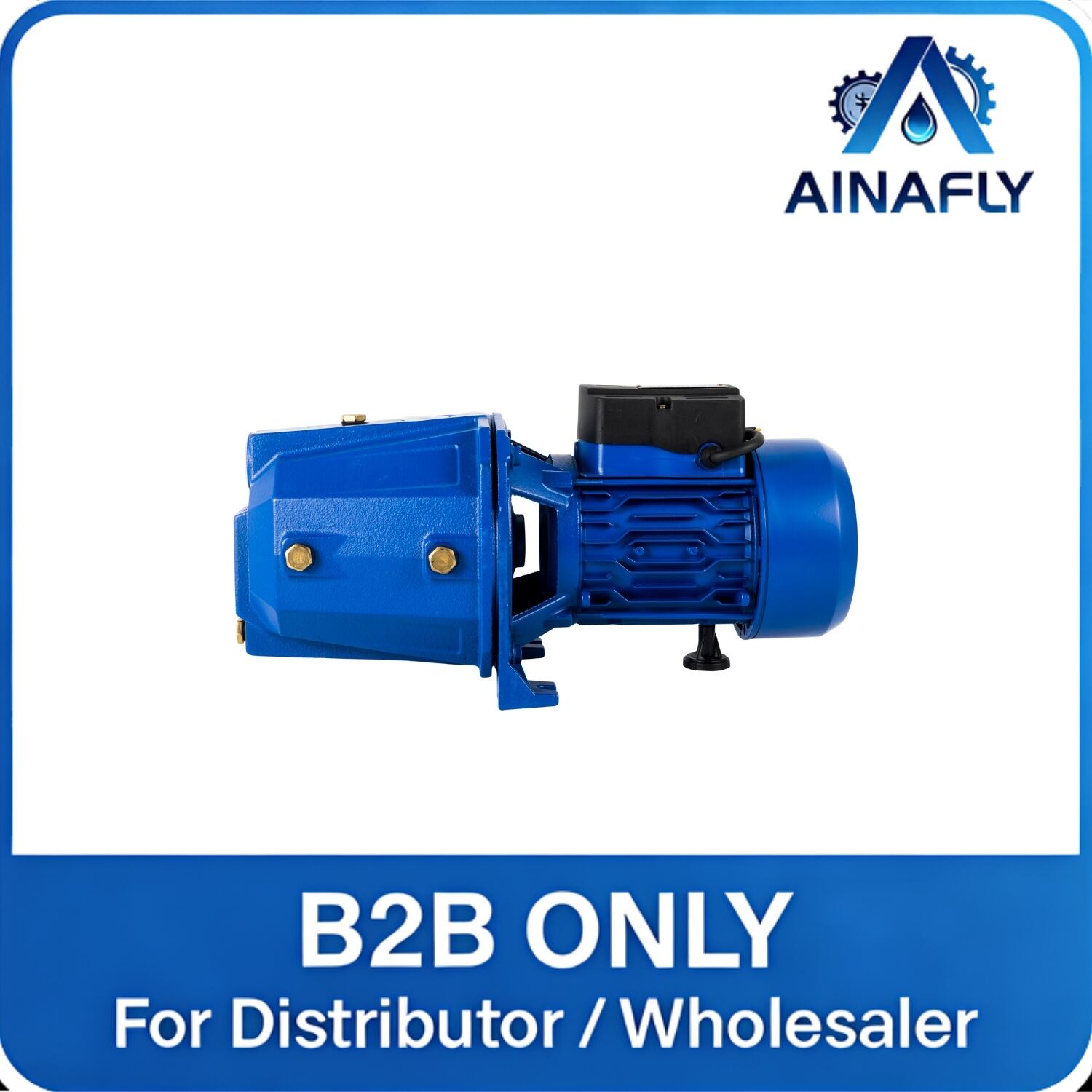
The fundamental operation of a surface pump relies on creating pressure differentials that enable water movement from the source to the desired location. These systems operate above ground level, distinguishing them from submersible alternatives that function underwater. The mechanical design incorporates various components working together to establish consistent water flow while maintaining operational efficiency across different environmental conditions.
Fundamental Operating Principles of Surface Pumps
Centrifugal Force Generation
The core mechanism behind surface pump operation centers on centrifugal force generation through rotating impellers. When the motor drives the impeller at high speeds, centrifugal force pushes water outward from the center, creating low pressure zones that draw additional water into the pump housing. This continuous process establishes a steady flow pattern that maintains consistent water delivery rates.
Impeller design significantly impacts pump performance characteristics. Different blade configurations, angles, and materials affect flow rates, pressure capabilities, and energy efficiency. Modern surface pump designs incorporate precision-engineered impellers that optimize water movement while minimizing turbulence and energy waste. The relationship between impeller speed and water displacement determines the overall pump capacity.
Suction and Discharge Dynamics
Effective surface pump operation depends on proper suction line configuration and discharge pressure management. The suction mechanism creates negative pressure that draws water from the source through intake piping. Atmospheric pressure assists this process by pushing water toward the low-pressure zone created by the pump. Understanding these pressure relationships helps ensure optimal installation and performance.
Discharge pressure must overcome static head, friction losses, and any back-pressure in the delivery system. The pump must generate sufficient pressure to lift water from the source elevation to the discharge point while maintaining adequate flow rates. Proper system design considers these factors to prevent cavitation and ensure reliable operation across varying conditions.
Installation Requirements and Setup Procedures
Location Selection Criteria
Selecting an appropriate location for surface pump installation directly impacts system performance and longevity. The installation site should provide adequate ventilation, protection from weather elements, and easy access for maintenance activities. Proximity to the water source minimizes suction line length, reducing friction losses and improving overall efficiency. Level mounting surfaces prevent vibration issues and ensure proper operation.
Environmental considerations include temperature ranges, humidity levels, and potential exposure to corrosive substances. Many surface pump models require specific operating temperature ranges for optimal performance. Shelter or enclosures may be necessary in extreme climates to protect equipment and maintain consistent operation throughout seasonal variations.
Piping and Connection Setup
Proper piping installation ensures efficient water transfer and prevents common operational problems. Suction lines require specific diameter requirements based on pump capacity and lift distances. Undersized piping creates excessive friction losses that reduce flow rates and increase energy consumption. Pipe joints and fittings must maintain airtight seals to prevent air infiltration that can disrupt pump operation.
Discharge piping design considers pressure ratings, flow velocities, and thermal expansion characteristics. Support structures prevent pipe sagging and stress on pump connections. Check valves prevent backflow that could damage pump components or reduce system efficiency. Properly designed piping systems minimize maintenance requirements while maximizing operational reliability.
Performance Characteristics and Efficiency Factors
Flow Rate Capabilities
Surface pump flow rates depend on multiple variables including impeller design, motor power, and system resistance. Manufacturers provide performance curves that illustrate the relationship between flow rates and discharge pressures for specific pump models. Understanding these curves helps users select appropriate equipment for their specific applications and operating conditions.
Peak efficiency typically occurs within specific flow ranges for each surface pump model. Operating outside these ranges reduces efficiency and may cause premature wear or damage. System designers must match pump characteristics to anticipated water demands to ensure optimal performance throughout the operational life cycle.
Energy Consumption Optimization
Energy efficiency considerations directly impact operational costs and environmental sustainability. Modern surface pump designs incorporate advanced motor technologies and hydraulic optimizations that reduce power consumption while maintaining performance standards. Variable speed controls allow users to adjust pump output to match actual demand, further improving energy efficiency.
Regular maintenance activities contribute significantly to energy efficiency preservation. Clean impellers, properly aligned components, and adequate lubrication ensure minimal friction losses and optimal power transfer. Monitoring energy consumption patterns helps identify performance degradation that may indicate maintenance needs or system modifications.
Common Applications and Use Cases
Residential Water Supply Systems
Residential applications represent a significant portion of surface pump installations across various property types. Home water wells, irrigation systems, and pressure boosting applications rely on these pumps to provide consistent water supply for daily needs. The ability to install surface pump systems above ground simplifies maintenance and reduces installation costs compared to submersible alternatives.
Garden irrigation and landscape watering systems benefit from surface pump flexibility and control capabilities. Users can easily adjust flow rates and operating schedules to match seasonal requirements and water conservation goals. Portable surface pump configurations allow temporary water transfer for construction projects, emergency situations, or special events requiring water supply.
Commercial and Industrial Applications
Commercial facilities utilize surface pump systems for various water management needs including cooling tower supply, process water delivery, and facility maintenance applications. Industrial operations require reliable water sources for manufacturing processes, equipment cooling, and safety systems. Surface pump installations provide the flexibility and accessibility needed for these demanding applications.
Agricultural operations rely heavily on surface pump technology for crop irrigation, livestock watering, and facility cleaning. The ability to move large volumes of water efficiently makes these pumps essential for modern farming operations. Seasonal flexibility allows farmers to adjust water delivery capacity based on crop requirements and weather conditions.
Maintenance Requirements and Best Practices
Preventive Maintenance Schedules
Regular maintenance activities ensure optimal surface pump performance and extend equipment service life. Scheduled inspections should include visual checks for leaks, unusual vibrations, and signs of wear or damage. Motor lubrication, impeller cleaning, and seal replacement represent common maintenance tasks that prevent major failures and costly repairs.
Seasonal maintenance becomes particularly important in climates with freezing temperatures. Proper winterization procedures protect surface pump components from freeze damage when systems are not in continuous operation. Spring startup procedures ensure all components function correctly after extended shutdown periods.
Troubleshooting Common Issues
Understanding common surface pump problems helps users identify issues quickly and implement appropriate solutions. Low flow rates may indicate clogged suction lines, worn impellers, or air leaks in the suction system. Excessive vibration often results from misaligned components, damaged impellers, or inadequate mounting support.
Motor overheating can occur due to inadequate ventilation, excessive system resistance, or electrical problems. Regular monitoring of operating parameters helps detect developing issues before they cause equipment failure. Proper documentation of maintenance activities and performance data supports effective troubleshooting and system optimization.
Selection Criteria and Sizing Considerations
Capacity Requirements Analysis
Proper surface pump selection requires thorough analysis of water demand patterns, system pressure requirements, and environmental conditions. Peak demand calculations must consider simultaneous usage scenarios and future expansion possibilities. Undersized pumps struggle to meet demand while oversized units operate inefficiently and waste energy.
Static and dynamic head calculations determine the pressure requirements that the surface pump must overcome. Static head represents the vertical distance from water source to discharge point, while dynamic head includes friction losses through piping and fittings. Accurate calculations ensure selected equipment provides adequate performance under all operating conditions.
Material and Construction Considerations
Construction materials significantly impact surface pump durability and compatibility with different water sources. Cast iron housings provide strength and corrosion resistance for many applications, while stainless steel components offer superior protection in aggressive environments. Plastic materials may be appropriate for certain applications but require careful consideration of pressure ratings and temperature limits.
Seal materials and impeller construction must be compatible with the pumped fluid characteristics. Water quality factors such as pH levels, mineral content, and suspended solids influence material selection decisions. Premium materials may justify higher initial costs through extended service life and reduced maintenance requirements.
FAQ
What is the maximum suction lift capability of a typical surface pump?
Most surface pump systems can achieve maximum suction lifts of approximately 25 to 28 feet under ideal conditions. However, practical suction lift capabilities typically range from 15 to 20 feet due to friction losses, elevation changes, and atmospheric pressure variations. Higher suction lifts require specialized pump designs or alternative installation methods to maintain reliable operation and prevent cavitation issues.
How does water temperature affect surface pump performance?
Water temperature directly impacts surface pump efficiency and suction capabilities. Higher water temperatures reduce the available suction lift due to increased vapor pressure, which can lead to cavitation problems. Cold water improves suction performance but may require freeze protection measures during winter operation. Most surface pump manufacturers specify operating temperature ranges to ensure optimal performance and equipment longevity.
Can a surface pump handle water with high mineral content or sediment?
Surface pump compatibility with high mineral content or sediment depends on the specific pump design and construction materials. Standard centrifugal surface pump models can handle moderate levels of dissolved minerals but may experience accelerated wear with abrasive particles or highly corrosive water. Specialized impeller materials, protective coatings, and filtration systems can extend pump life when dealing with challenging water quality conditions.
What safety considerations are important for surface pump installation?
Surface pump installation safety requires proper electrical connections with ground fault protection, secure mounting to prevent movement or tipping, and adequate ventilation around motor components. Installation locations should provide protection from weather elements while maintaining accessibility for maintenance activities. Pressure relief valves and emergency shutdown systems help prevent damage from system overpressure or equipment malfunction scenarios.