
 EN
EN
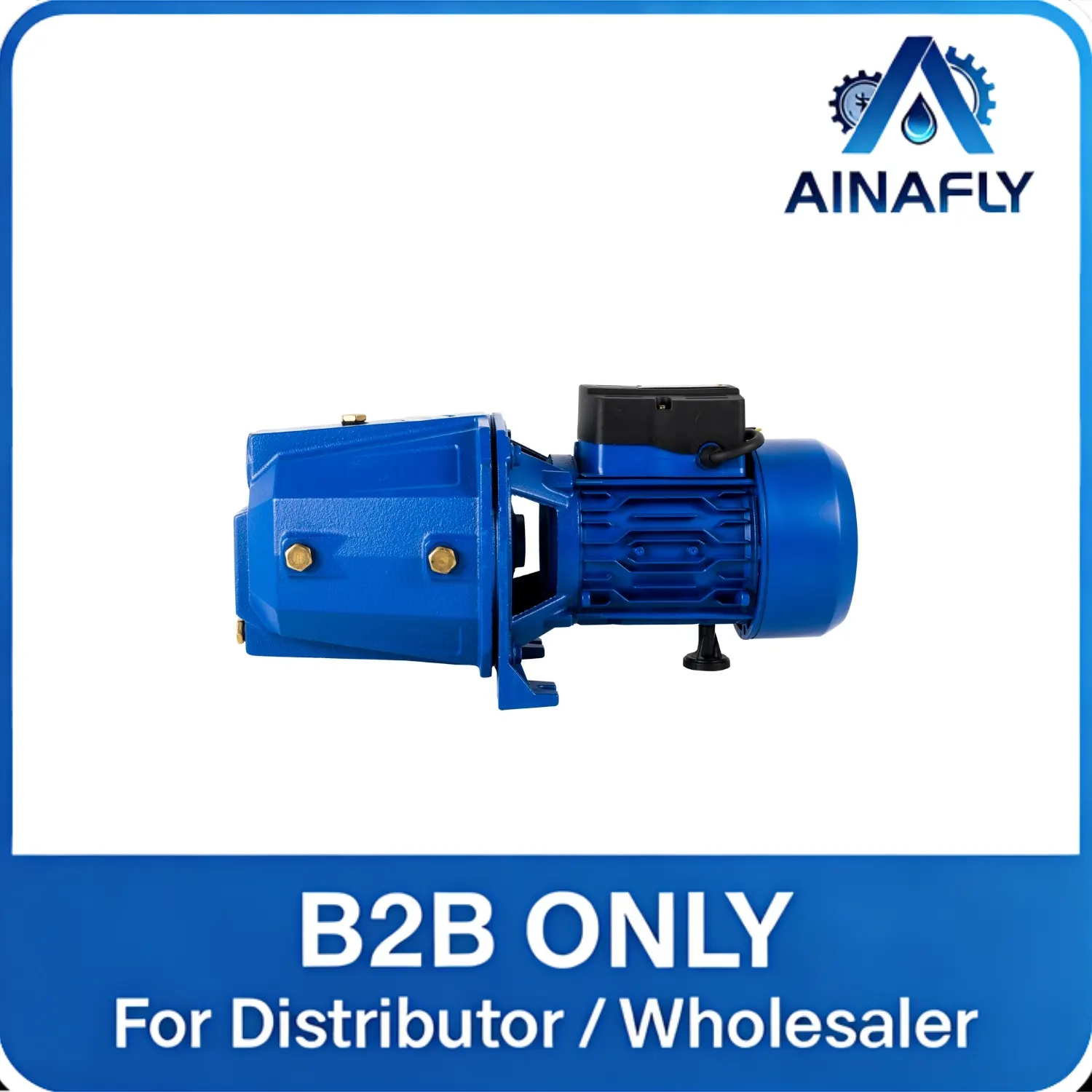
Understanding the optimal applications for a surface pump system is crucial for engineers and facility managers who need reliable water movement solutions. A surface pump operates above ground level, drawing water from wells, tanks, or water sources through suction lines, making it an versatile choice for numerous industrial and residential applications. These systems offer distinct advantages in accessibility, maintenance, and operational efficiency when properly matched to the right use cases. The selection of an appropriate surface pump depends on factors such as water source depth, flow requirements, and environmental conditions.
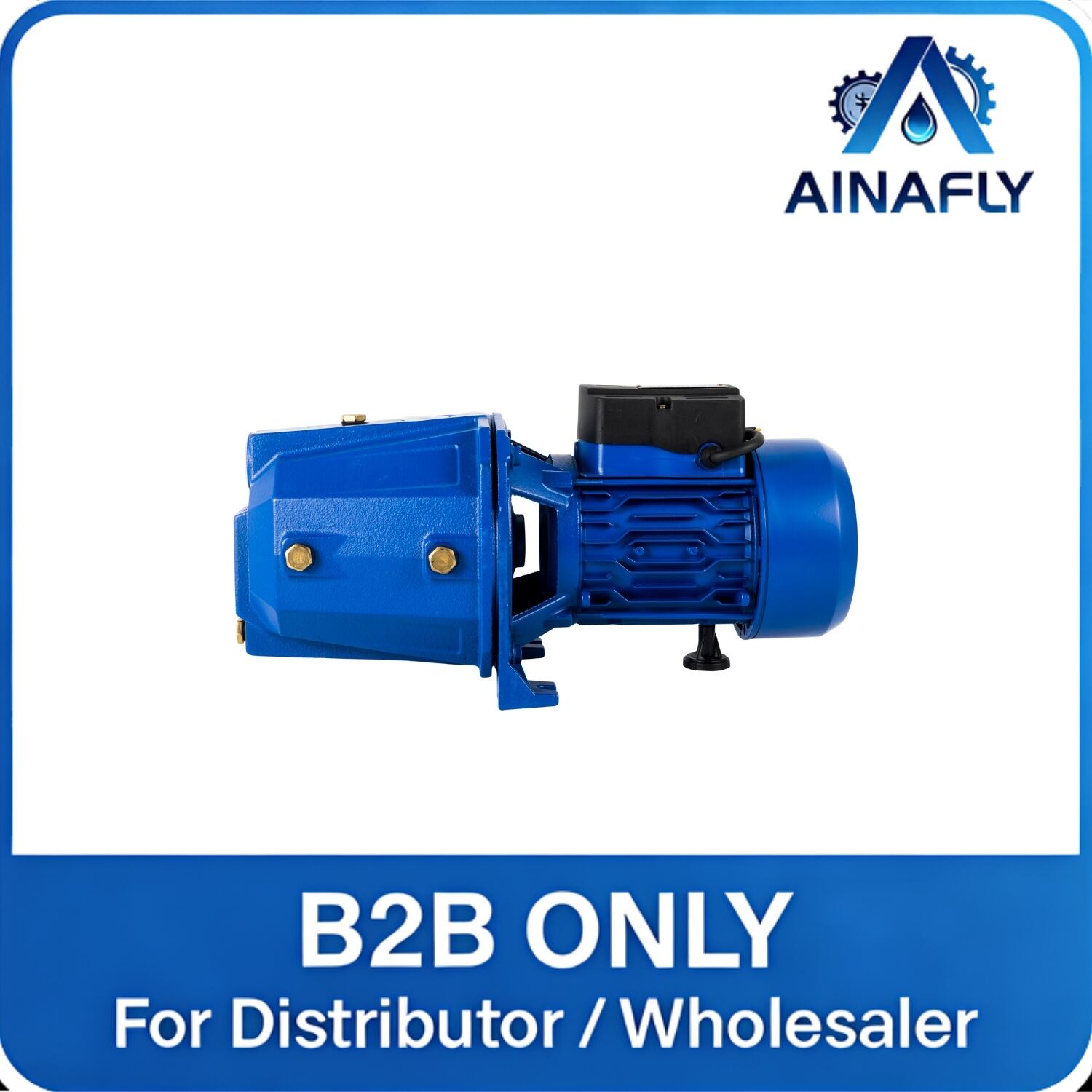
Residential Water Supply Systems
Shallow Well Applications
Residential properties with shallow wells typically find surface pump systems ideal for their water supply needs. These installations work effectively when the water table sits within 25 feet of ground level, allowing the surface pump to create sufficient suction for consistent water delivery. Homeowners benefit from the easy maintenance access that surface pumps provide, eliminating the need for specialized equipment to service underground components. The above-ground installation also allows for better monitoring of system performance and quicker identification of potential issues.
Modern residential surface pump configurations often include pressure tanks and automatic controls, creating a complete water supply system that maintains consistent household pressure. The reliability of these systems makes them particularly suitable for rural properties or areas where municipal water connections are unavailable. Installation costs are generally lower compared to submersible alternatives, and replacement parts are readily accessible for most surface pump models.
Pool and Spa Circulation
Swimming pool and spa systems represent another excellent application for surface pump technology. These installations require consistent water circulation for filtration, heating, and chemical distribution throughout the water body. A surface pump provides the necessary flow rates and pressure to operate filtration systems effectively while remaining easily accessible for routine maintenance and winterization procedures.
Pool operators appreciate the ability to quickly service or replace surface pump components without draining the pool or requiring specialized diving equipment. The pump's location above water level also facilitates the integration of additional equipment such as heaters, chemical feeders, and automated control systems. Energy efficiency considerations make modern surface pump designs attractive for pool applications where operating costs directly impact facility budgets.
Agricultural and Irrigation Systems
Farm Irrigation Networks
Agricultural operations frequently rely on surface pump systems for crop irrigation, particularly in areas with accessible water sources like ponds, streams, or shallow wells. These pumps can deliver the high flow rates necessary for sprinkler systems, drip irrigation networks, and flood irrigation applications. The portability of many surface pump models allows farmers to relocate equipment seasonally or as crop patterns change throughout the growing season.
Farm managers value the straightforward maintenance requirements of surface pump installations, especially during critical growing seasons when equipment downtime can result in significant crop losses. The ability to quickly diagnose and repair issues without specialized equipment or extensive system shutdowns makes these pumps particularly valuable in remote agricultural locations where service technicians may not be readily available.
Livestock Watering Systems
Livestock operations benefit significantly from surface pump installations that provide reliable water access for cattle, horses, sheep, and other animals. These systems can draw from various water sources including wells, ponds, or storage tanks, delivering water to multiple watering points throughout pastures and feeding areas. The robust construction of agricultural surface pumps ensures reliable operation in harsh outdoor environments.
Ranchers particularly appreciate the flexibility that surface pump systems provide for expanding watering networks as herd sizes change or grazing areas shift. The above-ground installation allows for easy integration with automatic watering systems and float controls that maintain consistent water levels in livestock tanks without constant monitoring.
Industrial and Commercial Applications
Manufacturing Process Water
Industrial facilities often require surface pump systems for process water applications, cooling tower circulation, and general plant water distribution. Manufacturing operations benefit from the reliability and maintenance accessibility that surface pumps provide, particularly in applications where system downtime can halt production processes. These installations can handle various water qualities and flow requirements depending on the specific industrial application.
Process engineers favor surface pump configurations for applications requiring frequent system modifications or expansions. The ability to easily relocate or reconfigure above-ground pump installations provides operational flexibility that supports changing production requirements. Additionally, the visual accessibility of surface pump components facilitates preventive maintenance programs that minimize unexpected failures during critical production periods.
Building Water Supply Systems
Commercial buildings, particularly those in areas without reliable municipal water pressure, often utilize surface pump systems for water supply augmentation. These installations can boost incoming water pressure or draw from on-site storage tanks to ensure adequate water pressure throughout multi-story buildings. Office complexes, hotels, and retail facilities benefit from the reliable water delivery that properly sized surface pump systems provide.
Facility managers appreciate the accessibility of surface pump installations for routine maintenance and emergency repairs. The above-ground location allows maintenance staff to quickly assess system status and perform necessary services without disrupting building operations or requiring specialized access equipment. Energy-efficient surface pump designs also help control operational costs in commercial applications where utility expenses significantly impact profitability.
Emergency and Temporary Applications
Disaster Response and Dewatering
Emergency response teams frequently deploy portable surface pump systems for flood control, construction site dewatering, and disaster recovery operations. The rapid deployment capability and operational simplicity of surface pumps make them invaluable tools for situations requiring immediate water removal or relocation. These units can operate effectively in challenging conditions while providing the high flow rates necessary for emergency applications.
Construction contractors utilize surface pump systems for dewatering excavations, basement construction, and temporary water supply during building projects. The portability and ease of setup allow crews to quickly establish water management systems that support construction schedules and safety requirements. Rental availability for various surface pump configurations provides cost-effective solutions for temporary applications.
Event and Temporary Facility Support
Outdoor events, temporary facilities, and construction sites often require surface pump systems to provide water supply or management capabilities. These applications benefit from the quick setup and removal that surface pump installations allow, supporting events that may last from days to several months. Festival organizers and temporary facility managers value the operational reliability these systems provide without permanent infrastructure investments.
The versatility of surface pump systems makes them suitable for diverse temporary applications, from providing potable water at remote locations to supporting dust control operations at construction sites. Equipment rental companies often maintain inventories of various surface pump configurations to meet the diverse needs of temporary installation requirements.
Selection Criteria and Performance Considerations
Flow Rate and Pressure Requirements
Proper surface pump selection requires careful analysis of flow rate and pressure requirements for the intended application. Engineers must consider not only the immediate water demand but also potential future expansion needs and peak usage periods. The pump's performance curve should match the system's hydraulic requirements across the expected operating range to ensure efficient operation and longevity.
System designers also evaluate the total dynamic head requirements, including suction lift, discharge pressure, and friction losses throughout the piping system. A surface pump must generate sufficient pressure to overcome these combined resistances while maintaining the required flow rate. Proper sizing ensures optimal energy efficiency and prevents premature component wear from operating outside the pump's design parameters.
Environmental and Installation Factors
Environmental conditions significantly influence surface pump selection and installation requirements. Factors such as ambient temperature ranges, humidity levels, and exposure to corrosive atmospheres affect equipment selection and protective measures. Outdoor installations require weather protection and freeze prevention measures in climates where temperatures drop below freezing.
Installation considerations include adequate ventilation for air-cooled models, proper foundation design to minimize vibration, and accessibility for maintenance procedures. The surface pump location should provide protection from physical damage while maintaining easy access for routine service and emergency repairs. Electrical requirements and local code compliance also influence installation planning and equipment selection decisions.
Maintenance and Operational Benefits
Accessibility and Service Convenience
One of the primary advantages of surface pump systems lies in their maintenance accessibility compared to submersible alternatives. Technicians can easily inspect, service, and repair components without specialized equipment or extensive system shutdown procedures. This accessibility translates to reduced maintenance costs and shorter downtime periods when service is required.
Regular maintenance tasks such as checking seals, lubricating bearings, and inspecting electrical connections can be performed quickly and safely with standard tools and equipment. The ability to visually monitor surface pump operation allows operators to identify potential issues before they result in system failures, supporting proactive maintenance strategies that extend equipment life and improve reliability.
Energy Efficiency and Cost Considerations
Modern surface pump designs incorporate energy-efficient motors and hydraulic components that reduce operational costs while maintaining reliable performance. Variable frequency drives and smart control systems can optimize pump operation based on demand patterns, further reducing energy consumption in applications with varying flow requirements. These efficiency improvements provide long-term cost benefits that offset initial equipment investments.
The operational flexibility of surface pump systems allows for easy system modifications and expansions without major infrastructure changes. This adaptability provides cost advantages in applications where requirements may change over time, such as growing agricultural operations or expanding industrial facilities. The ability to relocate or reconfigure surface pump installations supports changing operational needs without significant additional investments.
FAQ
What is the maximum suction lift capability for most surface pump systems?
Most surface pump systems can effectively handle suction lifts up to 25 feet under ideal conditions, though practical limitations often restrict this to 20-22 feet depending on factors such as altitude, water temperature, and system efficiency. Performance decreases as suction lift increases, so applications requiring water sources deeper than 25 feet typically require submersible pump solutions or well jet pump configurations.
How do I determine the correct surface pump size for my application?
Surface pump sizing requires calculating the total flow rate needed, maximum pressure requirements, and total dynamic head including suction lift and discharge pressure. Consider peak demand periods and potential future expansion when determining flow requirements. Consulting with pump manufacturers or hydraulic engineers ensures proper selection based on your specific application parameters and performance expectations.
What regular maintenance tasks are required for surface pump systems?
Regular surface pump maintenance includes checking and replacing mechanical seals, lubricating bearings, inspecting electrical connections, and monitoring system pressure and flow rates. Monthly visual inspections help identify leaks, unusual vibration, or noise that may indicate developing problems. Annual professional service should include motor inspection, alignment verification, and performance testing to ensure optimal operation.
Can surface pump systems operate automatically without constant supervision?
Yes, modern surface pump systems can incorporate automatic controls including pressure switches, level sensors, and variable frequency drives for unattended operation. These control systems can start and stop the pump based on demand, maintain consistent pressure, and provide alarm notifications for operational issues. However, periodic inspection and maintenance are still necessary to ensure reliable long-term performance even with automated controls.