
 EN
EN
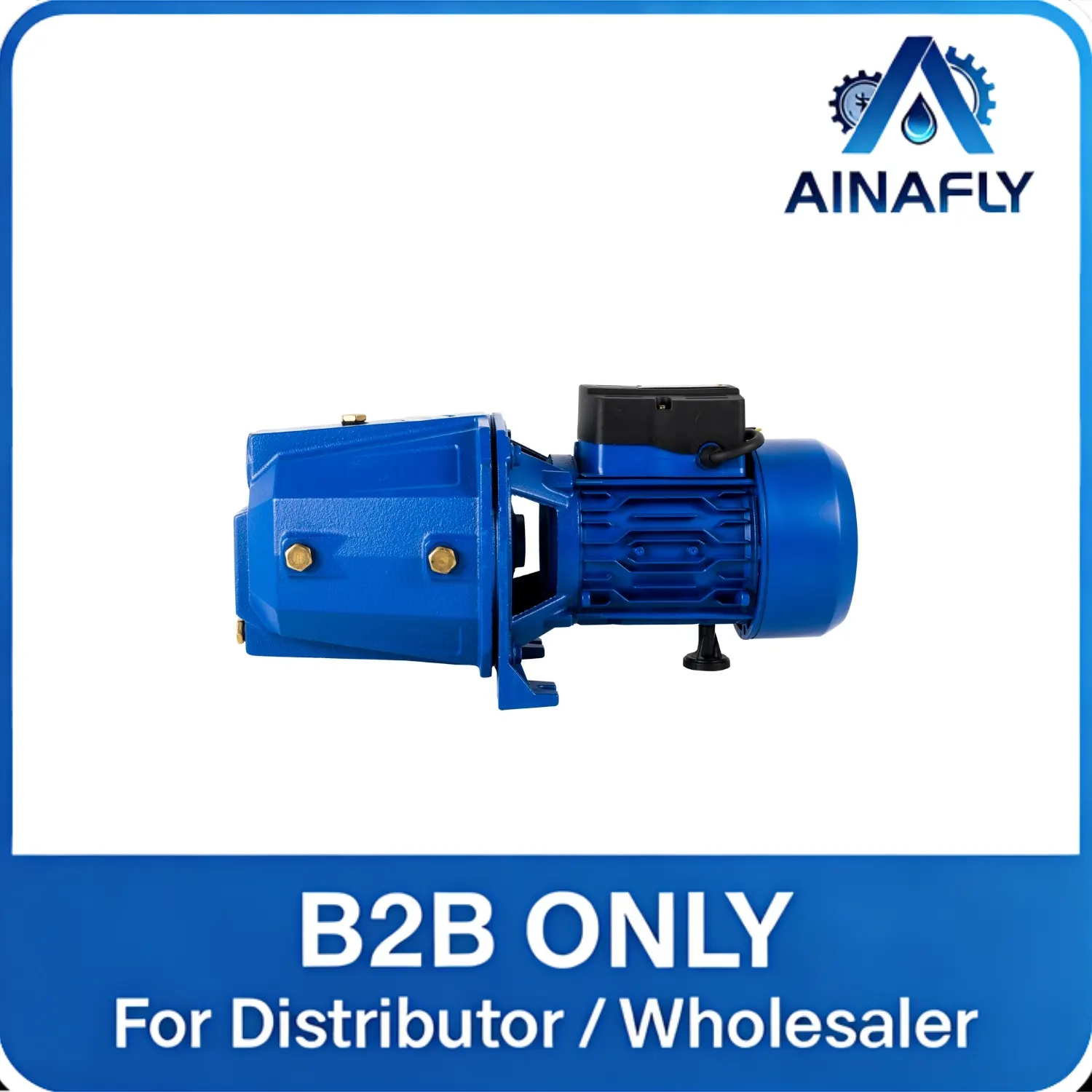
Installing a surface pump correctly is fundamental to achieving optimal performance and long-term reliability in water distribution systems. Whether for residential wells, irrigation applications, or industrial processes, proper installation techniques directly impact efficiency, maintenance requirements, and operational lifespan. Understanding the critical factors that influence surface pump performance ensures your investment delivers consistent results while minimizing costly repairs and downtime.
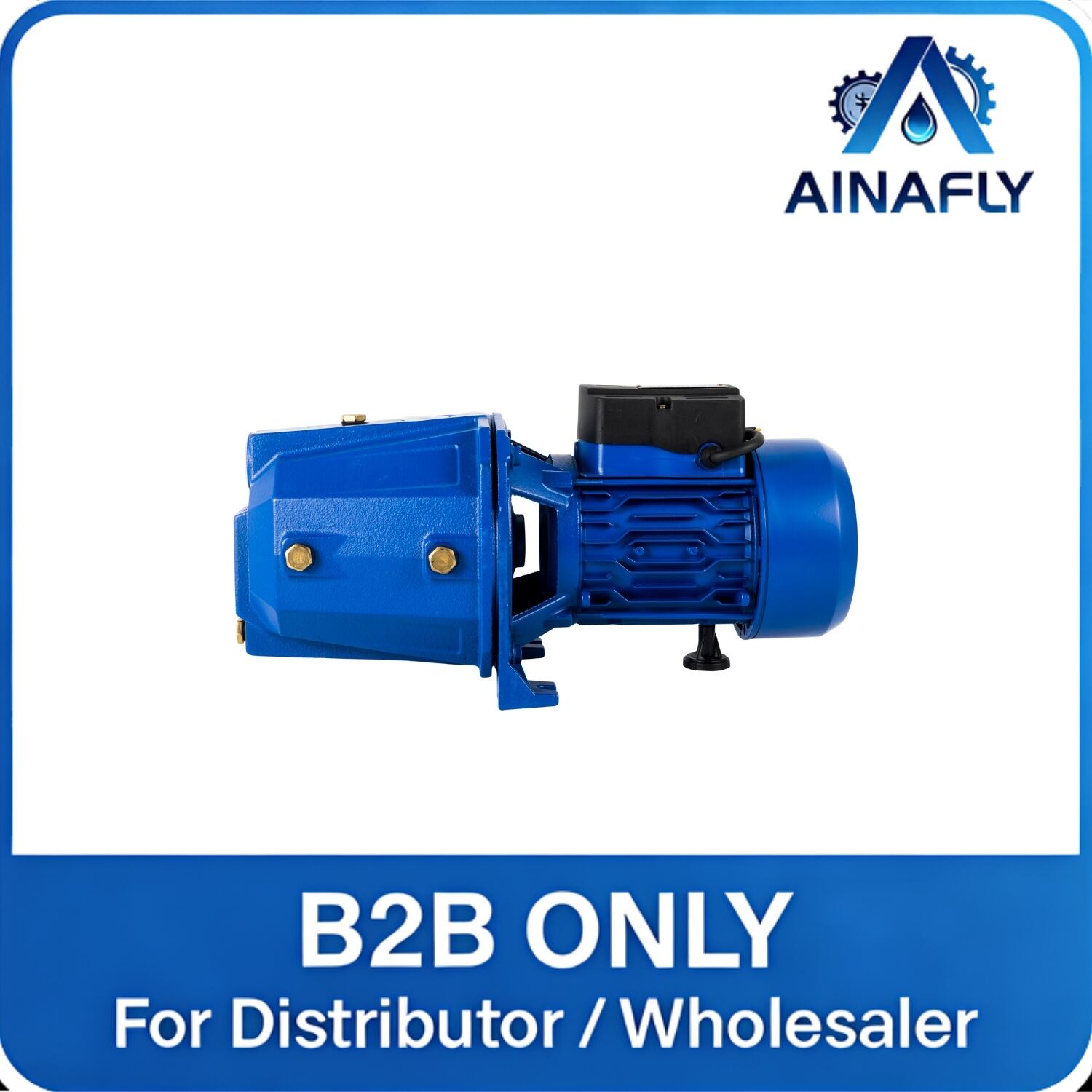
Modern surface pump technology offers exceptional versatility for various water handling applications. These systems provide reliable water movement from wells, tanks, and other sources while maintaining consistent pressure throughout distribution networks. Professional installation practices maximize pump efficiency and prevent common operational issues that can compromise system performance over time.
Foundation and Mounting Considerations
Selecting the Optimal Location
The installation location significantly affects surface pump performance and accessibility for maintenance. Choose a level, stable area that provides adequate ventilation and protection from weather extremes. The pump should be positioned as close to the water source as practical while maintaining easy access for routine service and inspection. Consider future expansion needs and ensure sufficient clearance around all sides of the unit.
Proper foundation preparation prevents vibration transmission and ensures stable operation throughout the pump's service life. A concrete pad or reinforced mounting platform distributes weight evenly and reduces noise transmission to surrounding structures. The foundation should extend beyond the pump base dimensions and include provisions for anchor bolt installation if required by manufacturer specifications.
Vibration Control and Isolation
Effective vibration management protects both the surface pump and connected piping systems from premature wear and failure. Install vibration dampeners or isolation pads between the pump base and mounting surface to absorb operational forces. These components reduce stress on pipe connections and minimize noise transmission while extending equipment lifespan through reduced mechanical fatigue.
Flexible connections at pump inlet and outlet points accommodate thermal expansion and minor foundation settlement without creating stress concentrations. Use appropriate flexible couplings rated for system pressure and temperature conditions. Proper alignment between pump and piping eliminates binding forces that can cause shaft misalignment and premature bearing failure in surface pump applications.
Suction Line Configuration and Optimization
Pipe Sizing and Layout Principles
Suction line design directly impacts surface pump performance and cavitation resistance. Size suction piping at least one pipe size larger than the pump inlet connection to minimize friction losses and maintain adequate flow velocity. Avoid sudden diameter changes or sharp bends that create turbulence and pressure drops within the suction system.
The suction line should slope continuously upward toward the pump inlet without high points that could trap air. Maintain minimum pipe velocity between three and seven feet per second to prevent settling of suspended particles while avoiding excessive friction losses. Use long-radius elbows and gradual transitions to minimize pressure losses throughout the suction system configuration.
Priming and Air Elimination
Effective priming ensures reliable surface pump startup and prevents cavitation damage during operation. Install a foot valve at the suction line terminus to maintain prime between operating cycles. The foot valve should provide adequate flow area while preventing backflow that could drain the suction line and pump casing during shutdown periods.
Air elimination components prevent operational issues caused by entrained gases in the water supply. Install air release valves at high points in the suction system where air naturally accumulates. Regular venting procedures during initial startup and after maintenance activities ensure complete air removal from all system components before normal operation begins.
Electrical Connections and Motor Protection
Power Supply Requirements
Proper electrical installation ensures safe and efficient surface pump operation while protecting motor components from damage. Verify that supply voltage matches motor nameplate specifications within acceptable tolerance ranges. Install appropriately sized conductors and overcurrent protection devices according to electrical code requirements and manufacturer recommendations for the specific surface pump model.
Grounding and bonding connections provide essential safety protection and reduce electrical interference that can affect pump controls. Connect equipment grounding conductors to the pump motor frame and all metallic components in accordance with local electrical codes. Proper grounding also facilitates effective operation of ground fault protection devices that safeguard personnel and equipment.
Control System Integration
Advanced control systems enhance surface pump efficiency while providing protection against adverse operating conditions. Install pressure switches, flow sensors, and monitoring devices according to manufacturer specifications to enable automatic operation and system protection. Properly calibrated controls maintain consistent system pressure while preventing dry running and other potentially damaging conditions.
Variable frequency drives offer significant energy savings and operational benefits for surface pump applications with varying demand patterns. Configure VFD parameters to match pump characteristics and system requirements while enabling soft-start capabilities that reduce mechanical stress during startup. Proper programming ensures optimal performance across the full operating range while maintaining protection functions.
System Testing and Commissioning Procedures
Initial Startup and Performance Verification
Systematic testing procedures verify proper surface pump installation and identify potential issues before they affect system reliability. Begin with static tests to confirm electrical connections, rotation direction, and control system functionality. Verify that all safety devices operate correctly and that emergency shutdown procedures function as designed before proceeding with dynamic testing phases.
Performance testing documents actual operating characteristics against design specifications and manufacturer performance curves. Measure flow rates, pressures, and power consumption at multiple operating points to verify system capability. Compare measured values with expected performance to identify any installation issues that could affect long-term reliability or efficiency of the surface pump system.
Calibration and Fine-Tuning
Precise calibration optimizes surface pump performance for specific application requirements and operating conditions. Adjust pressure switch settings, flow control parameters, and protection device thresholds to match actual system needs. Document all calibration settings and create baseline references for future comparison during routine maintenance activities.
System balance verification ensures that the surface pump operates efficiently across its intended range without exceeding design limitations. Test various demand scenarios to confirm adequate performance under all expected operating conditions. Make necessary adjustments to control settings or system configuration to achieve optimal balance between performance, efficiency, and equipment protection.
Long-Term Reliability and Maintenance Planning
Preventive Maintenance Protocols
Establishing comprehensive maintenance schedules maximizes surface pump service life while minimizing unexpected failures and costly repairs. Develop routine inspection checklists that cover all critical components including bearings, seals, couplings, and electrical connections. Regular monitoring of performance parameters helps identify gradual changes that could indicate developing problems requiring attention.
Lubrication management ensures proper bearing protection and reduces friction-related wear in surface pump components. Follow manufacturer specifications for lubricant types, quantities, and replacement intervals. Implement condition-based monitoring techniques such as vibration analysis and thermal imaging to optimize maintenance timing and prevent unnecessary interventions that could introduce problems.
Performance Monitoring and Optimization
Continuous performance monitoring enables proactive management of surface pump systems and early detection of efficiency degradation. Install permanent monitoring equipment to track key parameters including flow rate, pressure, power consumption, and vibration levels. Trending analysis reveals gradual changes in performance that may indicate component wear or system modifications affecting operation.
Regular performance assessments compare current operation against baseline measurements established during commissioning. Document any significant changes and investigate root causes to determine whether corrective action is needed. This proactive approach prevents minor issues from developing into major problems that could require extensive repairs or premature surface pump replacement.
FAQ
How close should a surface pump be installed to the water source
The surface pump should be installed as close to the water source as practically possible, typically within 25 feet for optimal performance. Shorter suction lines reduce friction losses and improve priming reliability. However, the exact distance depends on pump specifications, suction lift requirements, and site constraints. Always consult manufacturer recommendations for maximum allowable suction lift for your specific pump model.
What type of foundation is required for surface pump installation
A level, stable concrete pad or reinforced mounting platform is recommended for surface pump installation. The foundation should extend at least 6 inches beyond the pump base on all sides and be thick enough to provide adequate mass for vibration dampening. Include anchor bolt provisions if specified by the manufacturer and ensure proper drainage around the foundation area.
How do you prevent cavitation in surface pump systems
Prevent cavitation by ensuring adequate suction conditions including proper pipe sizing, minimal suction lift, and elimination of air leaks in the suction system. Install appropriately sized suction piping with gradual transitions and avoid restrictions that create pressure drops. Maintain water levels above minimum requirements and regularly inspect foot valves and check valves for proper operation.
What electrical considerations are critical for surface pump installation
Critical electrical considerations include verifying proper voltage supply, installing appropriately sized conductors and overcurrent protection, and ensuring proper grounding and bonding connections. Motor rotation direction must be confirmed before initial startup, and all electrical work should comply with local codes and manufacturer specifications. Consider installing surge protection devices in areas prone to electrical storms or power quality issues.