
 EN
EN

Proper maintenance is the cornerstone of reliable surface pump operation in residential, commercial, and industrial applications. A well-maintained surface pump can deliver years of consistent performance while minimizing unexpected breakdowns and costly repairs. Understanding the essential maintenance procedures not only extends equipment lifespan but also ensures optimal efficiency and reduces operational costs. Regular attention to key components and proactive care transforms routine maintenance from a burden into a strategic investment in your water management infrastructure.
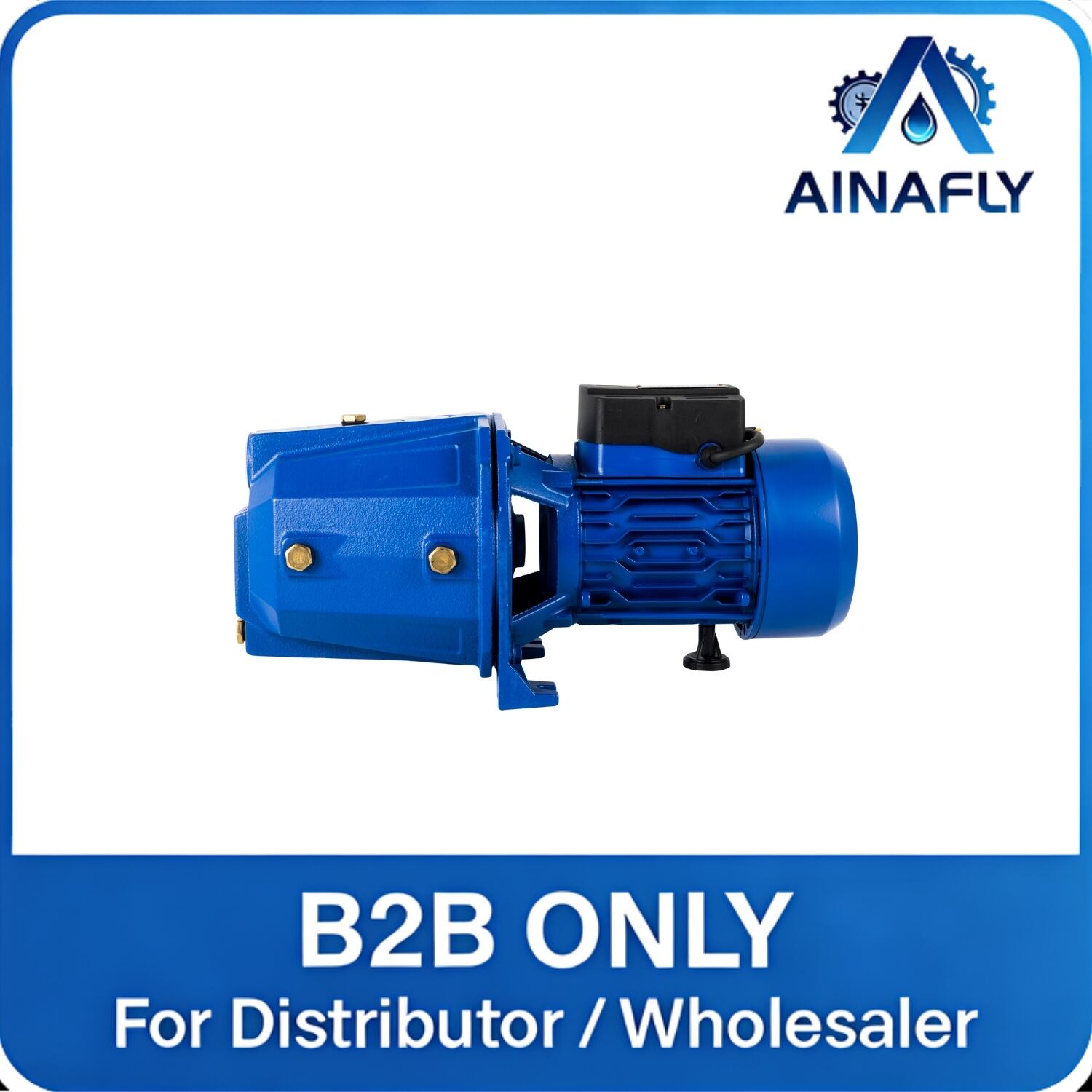
Understanding Surface Pump Components and Their Maintenance Needs
Impeller Care and Performance Monitoring
The impeller represents the heart of any surface pump system, converting rotational energy into fluid movement through precisely engineered vanes and chambers. Regular inspection of impeller components reveals potential issues before they escalate into major failures. Visual examination should focus on detecting wear patterns, corrosion buildup, or foreign object damage that could compromise pumping efficiency. Monthly checks during peak operating seasons help identify performance degradation early, while annual comprehensive inspections provide deeper insights into long-term component health.
Cleaning procedures for impeller maintenance require careful attention to manufacturer specifications and material compatibility considerations. Accumulated debris, mineral deposits, or biological growth can significantly reduce surface pump performance and increase energy consumption. Gentle cleaning solutions and appropriate tools prevent damage to precision surfaces while restoring optimal flow characteristics. Proper reassembly techniques ensure correct alignment and prevent vibration issues that could affect overall system reliability.
Motor Housing and Electrical Component Maintenance
Motor housing protection forms a critical barrier against environmental contamination and mechanical damage in surface pump installations. Regular cleaning of ventilation openings prevents overheating while visual inspections identify potential seal failures or structural weaknesses. Electrical connections require periodic tightening and corrosion treatment to maintain reliable power transmission. Temperature monitoring during operation helps detect bearing wear or internal friction issues before catastrophic failure occurs.
Electrical safety protocols must govern all maintenance activities involving surface pump motor components. Proper lockout procedures, voltage testing, and insulation resistance measurements protect both equipment and personnel during service intervals. Documentation of electrical parameters provides valuable trending data for predictive maintenance planning. Professional electrical inspections should complement routine maintenance activities to ensure code compliance and optimal safety margins.
Mechanical System Maintenance Procedures
Bearing Lubrication and Replacement Protocols
Bearing maintenance represents one of the most critical aspects of surface pump care, directly impacting operational reliability and component longevity. Proper lubrication schedules depend on operating conditions, environmental factors, and manufacturer recommendations for specific bearing types. High-quality lubricants designed for pump applications provide superior protection against moisture intrusion and temperature extremes. Systematic lubrication records help establish optimal service intervals while tracking consumption patterns that might indicate developing problems.
Bearing replacement procedures require specialized tools and precise alignment techniques to ensure proper fit and function. Pre-installation preparation includes bearing heating, housing preparation, and measurement verification to prevent premature failure. Installation torque specifications and clearance measurements must follow manufacturer guidelines exactly. Post-installation monitoring helps verify successful replacement and identifies any assembly issues requiring immediate attention.
Seal and Gasket Integrity Management
Seal systems in surface pump applications face constant challenges from pressure fluctuations, temperature variations, and chemical exposure. Regular inspection protocols focus on detecting early signs of leakage, hardening, or mechanical damage that could lead to system contamination or efficiency loss. Replacement schedules should account for operating severity, fluid characteristics, and environmental conditions. Quality seal materials designed for specific applications provide superior longevity and reduced maintenance frequency.
Installation techniques for seals and gaskets require careful attention to surface preparation, alignment, and compression specifications. Contaminated or damaged seating surfaces must be properly cleaned and restored before installing new components. Proper tool selection prevents installation damage while ensuring adequate sealing force. Break-in procedures for new seals help establish optimal operating characteristics and identify any immediate compatibility issues.
Operational Optimization and Performance Monitoring
Flow Rate and Pressure Verification
Performance monitoring establishes baseline parameters for surface pump operation while providing early warning signs of developing issues. Flow rate measurements should be conducted regularly using calibrated instruments to ensure accuracy and reliability. Pressure readings at multiple system points help identify restrictions, leaks, or component degradation. Systematic data collection enables trend analysis that supports predictive maintenance planning and operational optimization efforts.
Diagnostic procedures for performance problems require methodical troubleshooting approaches and comprehensive system evaluation. Cavitation detection involves monitoring vibration signatures, noise levels, and pressure differentials during various operating conditions. Air entrainment problems can be identified through flow pattern observation and pressure stability analysis. Professional diagnostic equipment provides detailed insights into complex performance issues requiring expert intervention.
Energy Consumption Analysis and Optimization
Energy efficiency monitoring helps optimize surface pump operation while identifying maintenance needs through consumption pattern analysis. Baseline power measurements establish normal operating parameters for comparison during routine inspections. Increasing energy consumption often indicates bearing wear, impeller damage, or system restrictions requiring immediate attention. Motor current analysis provides detailed insights into mechanical condition and loading characteristics.
Optimization strategies for surface pump systems include variable speed control implementation, system sizing verification, and operational schedule refinement. Proper system matching ensures efficient operation across varying demand conditions. Regular efficiency assessments help justify maintenance investments and equipment upgrades. Professional energy audits provide comprehensive analysis and recommendations for complex installations.
Preventive Maintenance Scheduling and Documentation
Systematic Maintenance Calendar Development
Effective maintenance scheduling requires comprehensive planning that accounts for operational demands, seasonal variations, and component lifecycles. Daily inspection routines should focus on obvious signs of problems including unusual noise, vibration, or leakage. Weekly checks involve more detailed examination of surface pump components and operational parameters. Monthly maintenance activities typically include lubrication, alignment verification, and performance testing. Annual overhauls provide opportunities for comprehensive component replacement and system upgrades.
Documentation systems must capture all maintenance activities, component replacements, and performance measurements in accessible formats. Digital maintenance management systems provide advanced scheduling capabilities, automatic reminders, and comprehensive reporting functions. Historical data analysis helps refine maintenance intervals and identify recurring problems requiring design modifications. Standardized forms and procedures ensure consistency across multiple technicians and locations.
Parts Inventory and Supply Chain Management
Strategic parts management ensures critical surface pump components remain available when needed while minimizing inventory costs and storage requirements. Spare parts lists should include all wear items, emergency replacement components, and specialty tools required for maintenance activities. Supplier relationships with reliable vendors provide access to genuine parts and technical support. Inventory tracking systems help optimize stock levels while preventing unexpected shortages during critical maintenance periods.
Quality control procedures for replacement parts help ensure compatibility and reliability in surface pump applications. Verification of part numbers, specifications, and certifications prevents installation of unsuitable components. Proper storage conditions protect sensitive parts from environmental damage and contamination. Regular inventory audits help identify obsolete parts and update specifications for current equipment configurations.
Troubleshooting Common Surface Pump Issues
Diagnosing Performance Problems
Systematic troubleshooting approaches help identify root causes of surface pump problems while minimizing diagnostic time and repair costs. Reduced flow conditions may indicate impeller wear, suction restrictions, or internal leakage requiring different repair strategies. Excessive noise or vibration often signals bearing problems, misalignment, or cavitation conditions. Systematic elimination of potential causes helps focus repair efforts on actual problem areas.
Advanced diagnostic techniques utilize specialized instruments and measurement procedures to analyze complex surface pump problems. Vibration analysis provides detailed insights into mechanical condition and rotating equipment health. Thermal imaging helps identify overheating components and electrical connection problems. Professional diagnostic services offer expertise and equipment for challenging troubleshooting situations.
Emergency Repair Procedures and Temporary Solutions
Emergency response protocols help minimize system downtime while ensuring safety during critical surface pump failures. Immediate shutdown procedures protect equipment from additional damage while securing the work area. Temporary bypass systems may provide continued operation during extended repair periods. Emergency parts sourcing requires established vendor relationships and expedited delivery arrangements.
Temporary repair techniques can restore limited operation while permanent solutions are implemented. Seal injection systems may control minor leakage temporarily. Speed reduction can minimize stress on damaged components. Professional evaluation helps determine appropriate temporary measures and safety limitations for continued operation.
FAQ
How often should I perform maintenance on my surface pump
Maintenance frequency depends on operating conditions, but general guidelines include daily visual inspections, weekly operational checks, monthly lubrication services, and annual comprehensive overhauls. Heavy-duty applications or harsh environments may require more frequent attention. Manufacturer recommendations and operational experience help establish optimal schedules for specific installations.
What are the most critical components to monitor in surface pump maintenance
Bearings, seals, impellers, and motor components require the most attention in surface pump maintenance programs. These components directly affect reliability, efficiency, and safety. Regular monitoring of vibration, temperature, and performance parameters helps detect problems early. Proper lubrication and environmental protection significantly extend component life.
Can I perform surface pump maintenance myself or should I hire professionals
Basic maintenance activities like visual inspections, lubrication, and cleaning can typically be performed by trained operators. Complex procedures including bearing replacement, alignment, and electrical work require professional expertise and specialized tools. Safety considerations and warranty requirements may dictate professional service for certain activities. Training and certification programs help develop in-house maintenance capabilities.
What signs indicate my surface pump needs immediate maintenance attention
Unusual noise, excessive vibration, reduced flow, increased power consumption, visible leakage, or overheating indicate immediate maintenance needs. These symptoms often signal developing problems that could cause catastrophic failure if ignored. Prompt attention to warning signs prevents major repairs and extends equipment life. Professional diagnosis may be necessary for complex or recurring problems.