
 EN
EN
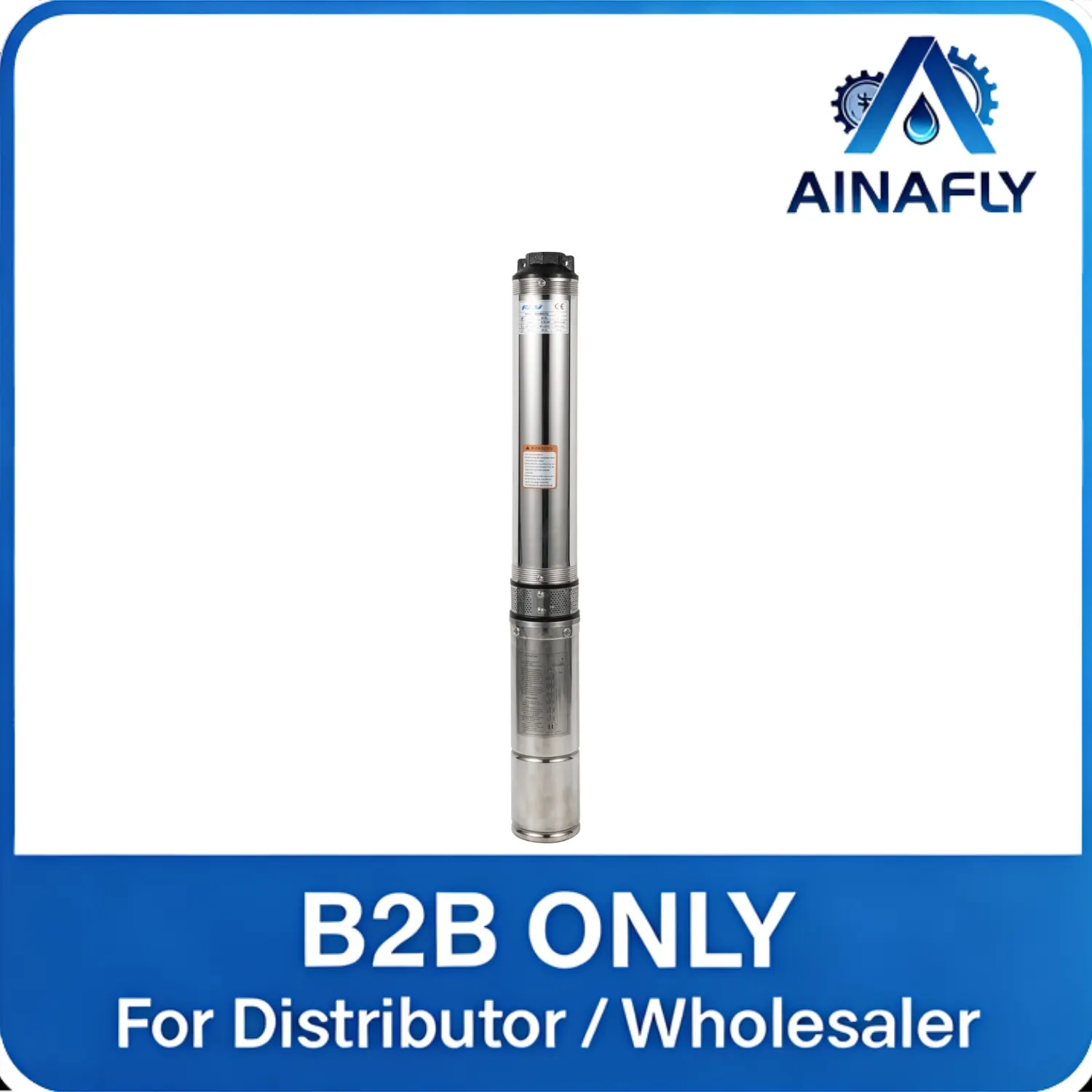
Accessing reliable groundwater sources has become increasingly critical for residential, agricultural, and commercial applications worldwide. A deep well pump represents one of the most effective solutions for extracting water from underground aquifers located at significant depths below the surface. These specialized pumping systems are engineered to operate efficiently in challenging subsurface conditions, delivering consistent water supply even from wells exceeding several hundred feet in depth.
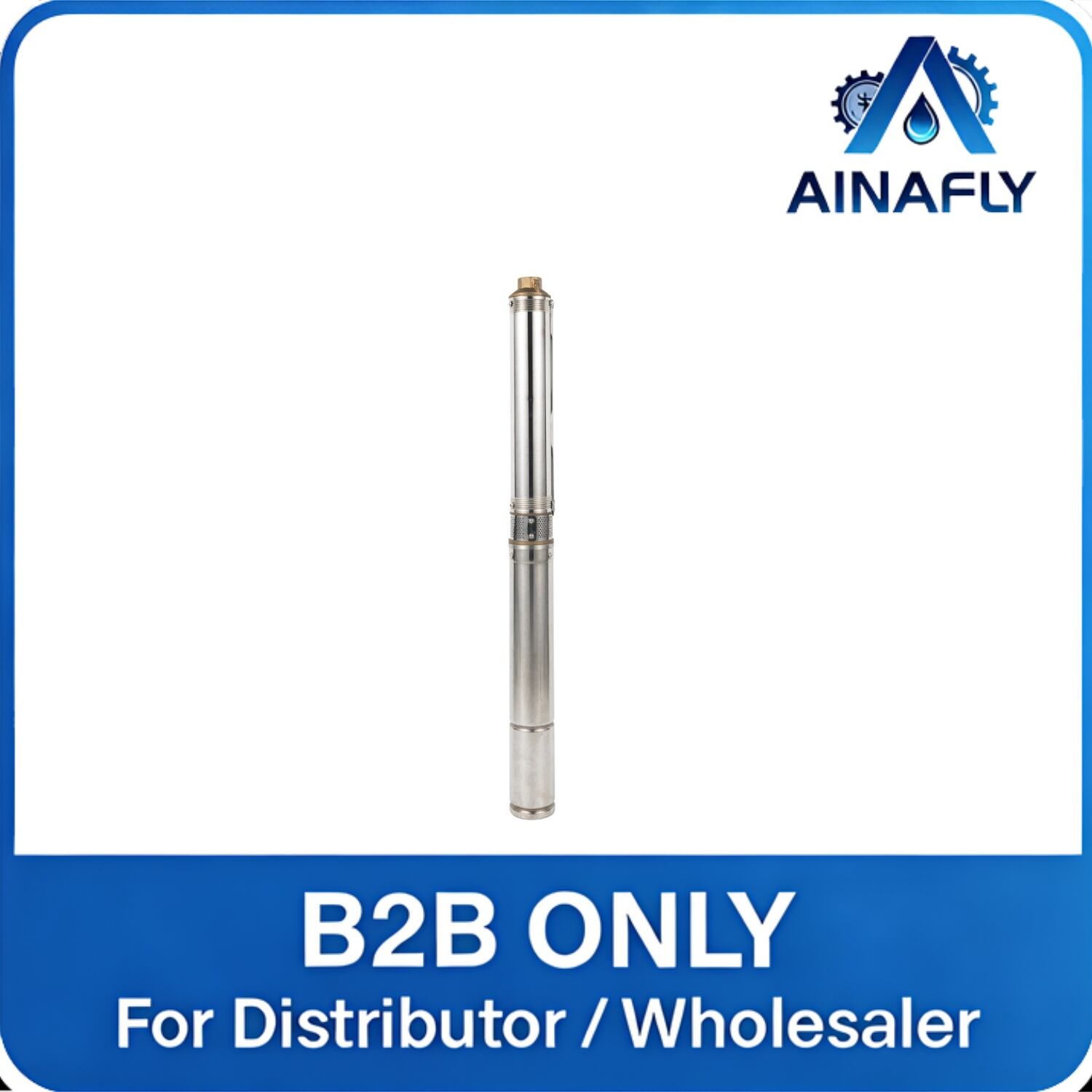
Modern deep well pump technology has evolved significantly over the past decades, incorporating advanced materials and engineering principles that enhance performance while reducing operational costs. Property owners and water system operators are increasingly recognizing the substantial advantages these systems provide over traditional shallow well pumps or surface water collection methods. Understanding the comprehensive benefits of deep well pump installation can help stakeholders make informed decisions about their long-term water supply strategies.
Enhanced Water Quality and Purity
Natural Filtration Through Geological Layers
One of the most significant advantages of utilizing a deep well pump system lies in the superior water quality achieved through natural geological filtration processes. As water percolates through multiple layers of soil, sand, clay, and rock formations, it undergoes extensive natural purification that removes many surface contaminants, bacteria, and particulate matter. This natural filtration system often produces water that requires minimal chemical treatment compared to surface water sources.
The extended journey through underground strata effectively removes organic pollutants, agricultural runoff chemicals, and industrial contaminants that commonly affect shallow groundwater or surface water supplies. Deep aquifers typically maintain more stable chemical compositions and lower bacterial counts, resulting in cleaner, safer water for consumption and utility applications. This natural purification process significantly reduces the need for expensive water treatment equipment and ongoing chemical additives.
Protection from Surface Contamination
Deep well pump systems access water sources that remain largely isolated from surface contamination events such as chemical spills, agricultural pesticide application, or urban runoff. The protective barrier created by thick geological layers prevents most surface pollutants from reaching deep aquifer water supplies, ensuring consistent water quality regardless of surface activities or weather conditions.
This isolation from surface contamination sources provides long-term water security for households, businesses, and agricultural operations. Unlike shallow wells that may experience periodic contamination from surface activities, deep well pump installations maintain reliable water quality standards that meet or exceed municipal water supply requirements. The consistent purity levels reduce health risks and provide peace of mind for users depending on private water systems.
Reliable and Consistent Water Supply
Drought Resistance and Weather Independence
A properly installed deep well pump provides exceptional resistance to drought conditions and seasonal weather variations that commonly affect surface water sources. Deep aquifers maintain relatively stable water levels even during extended dry periods, ensuring continuous water availability when surface wells and reservoirs experience significant depletion.
The reliability factor becomes particularly crucial for agricultural operations, manufacturing facilities, and residential communities that cannot afford water supply interruptions. Deep groundwater sources typically recharge slowly but consistently, maintaining adequate pressure and flow rates throughout various climatic conditions. This stability eliminates the need for expensive backup water storage systems or emergency water delivery services during drought emergencies.
Higher Flow Rates and Pressure Capabilities
Deep well pump systems are designed to handle substantial water demands while maintaining consistent pressure throughout distribution networks. These pumps can typically deliver higher flow rates compared to shallow well systems, making them ideal for applications requiring significant water volumes such as irrigation systems, livestock operations, or multi-building complexes.
The increased depth and pressure capabilities of deep well pump installations enable efficient water distribution to elevated storage tanks, multi-story buildings, and extensive irrigation networks without requiring additional booster pumps. This enhanced performance capability reduces overall system complexity and maintenance requirements while improving water delivery efficiency across various applications.
Long-Term Economic Advantages
Reduced Operating and Maintenance Costs
Deep well pump systems typically demonstrate superior longevity and reduced maintenance requirements compared to surface water pumping installations or shallow well systems. The stable underground environment protects pump components from weather-related damage, temperature fluctuations, and debris contamination that commonly affect surface-mounted equipment.
The consistent operating conditions found in deep well installations contribute to extended equipment lifespan and predictable maintenance schedules. Many deep well pump systems operate efficiently for decades with minimal intervention, requiring only periodic inspections and routine component replacement. This reliability translates into lower total cost of ownership and reduced downtime compared to alternative water supply methods.
Energy Efficiency and Power Savings
Modern deep well pump designs incorporate advanced motor technologies and hydraulic engineering that maximize energy efficiency while minimizing power consumption. Variable frequency drives and smart control systems optimize pump operation based on demand patterns, reducing unnecessary energy usage during low-demand periods.
The consistent water pressure available in deep aquifers often requires less energy to achieve desired flow rates compared to systems that must overcome significant elevation changes or pressure losses associated with surface water sources. This efficiency advantage becomes particularly significant for high-volume applications such as agricultural irrigation or industrial process water supply, where energy costs represent a substantial portion of operational expenses.
Environmental Benefits and Sustainability
Minimal Surface Impact and Land Use
Deep well pump installations require minimal surface area and have negligible visual impact compared to surface water collection systems such as ponds, reservoirs, or intake structures. The compact footprint of wellhead installations allows for efficient land use while preserving valuable surface area for agricultural, recreational, or development purposes.
The underground nature of deep well pump systems eliminates concerns about surface water evaporation losses, algae growth, or wildlife interference that commonly affect surface water storage facilities. This discrete installation approach supports sustainable land management practices while providing reliable water access without compromising environmental aesthetics or ecosystem functions.
Reduced Chemical Treatment Requirements
The naturally filtered water produced by deep well pump systems typically requires significantly fewer chemical treatments compared to surface water sources. This reduction in chemical usage benefits both environmental sustainability and operational cost management while producing safer, more palatable water for end users.
Lower chemical treatment requirements reduce the environmental impact associated with chemical production, transportation, and disposal of treatment byproducts. The natural purity of deep groundwater sources also eliminates concerns about chlorination byproducts or other chemical residues that may affect water taste, odor, or safety for sensitive applications such as food processing or pharmaceutical manufacturing.
Technical Performance and Operational Advantages
Advanced Control and Monitoring Capabilities
Contemporary deep well pump systems integrate sophisticated monitoring and control technologies that enable remote operation, performance optimization, and predictive maintenance scheduling. Smart sensors continuously monitor water levels, flow rates, pressure conditions, and equipment performance parameters to ensure optimal operation and early detection of potential issues.
These advanced monitoring capabilities allow operators to optimize deep well pump performance based on real-time demand patterns and aquifer conditions. Automated control systems can adjust pumping schedules, manage multiple well installations, and coordinate with water storage systems to maximize efficiency while minimizing energy consumption and equipment wear.
Scalability and System Integration
Deep well pump installations offer excellent scalability options for growing water demand requirements. Multiple wells can be integrated into comprehensive water supply networks that provide redundancy, increased capacity, and enhanced reliability for large-scale applications.
The modular nature of deep well pump systems enables cost-effective capacity expansion as needs grow, without requiring complete system replacement or extensive infrastructure modifications. This scalability advantage makes deep well pump installations particularly attractive for developing communities, expanding agricultural operations, or growing industrial facilities that anticipate increasing water demands over time.
FAQ
How deep can a deep well pump effectively operate
Deep well pump systems can effectively operate at depths ranging from 100 feet to over 1000 feet, depending on the specific pump design and aquifer conditions. Most residential and agricultural applications utilize depths between 200-500 feet, while commercial and industrial installations may access deeper aquifers. The maximum effective depth depends on pump specifications, power requirements, and local geological conditions.
What maintenance is required for deep well pump systems
Deep well pump maintenance typically includes annual inspections of electrical connections, control systems, and wellhead components. Professional servicing every 3-5 years may involve pump performance testing, water quality analysis, and component replacement as needed. The underground location protects most components from weather damage, resulting in lower maintenance requirements compared to surface pump systems.
How long do deep well pump installations typically last
Quality deep well pump installations commonly operate effectively for 15-25 years with proper maintenance and appropriate sizing for the application. The pump motor and control components may require replacement every 10-15 years, while the well casing and piping can last several decades. Proper installation and regular maintenance significantly extend system lifespan and ensure reliable performance throughout the operational period.
Can deep well pump systems handle varying water demands
Modern deep well pump systems excel at handling variable water demands through advanced control technologies and properly sized pressure tank systems. Variable frequency drives automatically adjust pump speed based on real-time demand, while pressure tanks provide immediate water delivery during peak usage periods. This flexibility makes deep well pump systems ideal for applications with fluctuating water requirements such as irrigation systems or multi-unit residential complexes.