
 EN
EN
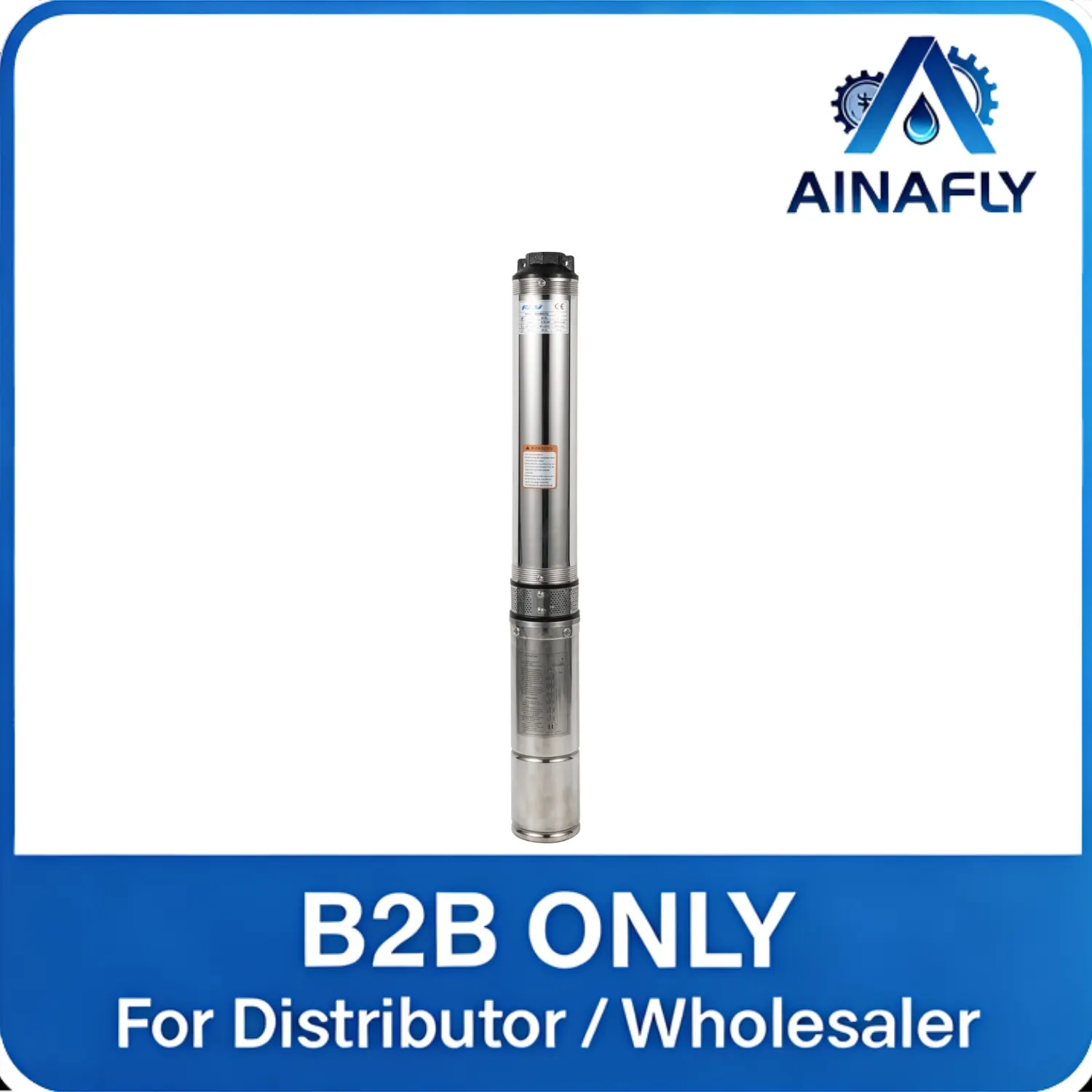
Installing a deep well pump requires careful planning and adherence to specific technical requirements to ensure optimal performance and longevity. Whether you're setting up a new water supply system for agricultural irrigation, residential use, or industrial applications, understanding the critical installation considerations can make the difference between a reliable water source and costly operational failures. A properly installed deep well pump system provides consistent water flow, reduces maintenance requirements, and maximizes the return on your investment.
Pre-Installation Site Assessment and Planning
Well Depth and Water Table Analysis
Before selecting and installing a deep well pump, conducting a comprehensive well depth analysis is essential. The static water level, dynamic water level, and total well depth directly influence pump selection and installation depth. Professional water well contractors should measure these parameters using specialized equipment to determine the optimal pump placement depth. The deep well pump must be positioned below the lowest anticipated water level to prevent dry running, which can cause severe damage to the pump motor and impeller components.
Water table fluctuations throughout the year also impact pump performance and longevity. Seasonal variations, drought conditions, and regional water usage patterns can significantly affect the available water column above the pump intake. Installing the deep well pump with adequate buffer distance below the minimum expected water level ensures consistent operation even during periods of reduced water availability. This preventive approach minimizes the risk of cavitation and maintains optimal hydraulic efficiency.
Electrical Infrastructure Requirements
Proper electrical infrastructure forms the foundation of reliable deep well pump operation. The electrical supply must match the pump motor specifications, including voltage requirements, phase configuration, and amperage capacity. Most residential deep well pump installations utilize single-phase power, while larger agricultural and commercial applications often require three-phase electrical connections for improved efficiency and performance.
Installing appropriate electrical protection devices, including motor starters, overload relays, and ground fault circuit interrupters, protects the deep well pump system from electrical faults and power fluctuations. The electrical conduit and wiring must comply with local electrical codes and be sized appropriately for the pump motor amperage and installation distance. Proper grounding and bonding ensure operator safety and prevent electrical damage to sensitive pump control components.
Pump Selection and Sizing Calculations
Flow Rate and Head Requirements
Accurate calculation of required flow rate and total dynamic head determines the appropriate deep well pump specification for your application. Flow rate requirements depend on the intended use, whether for household water supply, irrigation systems, or industrial processes. Residential applications typically require 5-15 gallons per minute, while agricultural irrigation may demand significantly higher flow rates depending on crop type and acreage.
Total dynamic head calculations must account for vertical lift, friction losses in piping, and system pressure requirements. The vertical distance from the pump installation depth to the highest delivery point, plus friction losses through pipes, fittings, and valves, determines the total head against which the deep well pump must operate. Additional considerations include pressure tank settings, irrigation system operating pressures, and any elevation changes in the distribution network.
Motor Power and Efficiency Considerations
Selecting the appropriate motor power for your deep well pump ensures optimal performance while minimizing energy consumption. Oversized motors waste electricity and may cause premature wear on pump components, while undersized motors struggle to meet demand and often fail prematurely. The pump curve provided by manufacturers shows the relationship between flow rate, head, and motor power requirements.
Modern deep well pump motors feature improved efficiency ratings that reduce operating costs over the pump's lifespan. Variable frequency drives can further optimize energy consumption by matching pump output to actual demand, particularly beneficial in applications with varying flow requirements. High-efficiency motors also generate less heat, reducing the thermal stress on pump components and extending operational life.
Installation Procedures and Best Practices
Drop Pipe and Pump Assembly
The drop pipe assembly connects the deep well pump to the surface piping system and must be installed with precision to ensure proper alignment and support. High-quality drop pipe materials, typically galvanized steel or HDPE, provide corrosion resistance and structural integrity for the pump assembly. Proper pipe threading and the use of appropriate pipe dope or thread sealant prevent leaks and maintain system pressure.
Installing torque arrestors prevents the pump motor from rotating during startup and operation, which could damage the drop pipe connections or pump components. The pump cable must be secured to the drop pipe at regular intervals using appropriate clamps that don't damage the cable insulation. Cable splices, if required, must be made with waterproof connectors designed specifically for submersible applications to prevent water infiltration and electrical failures.
Wellhead Completion and Sealing
Proper wellhead completion protects the deep well pump system from contamination and provides access for maintenance activities. The well casing must extend above ground level and be sealed with an appropriate well cap that prevents surface water infiltration while allowing cable and pipe penetrations. Sanitary seals around the drop pipe and electrical cable maintain water quality standards and prevent bacterial contamination.
Installing a pitless adapter below the frost line provides a sanitary connection between the drop pipe and horizontal distribution piping while eliminating the need for an above-ground pump house. The pitless adapter installation requires precise alignment and proper sealing to maintain system integrity and prevent contamination. Regular inspection and maintenance of wellhead seals ensure continued protection of the water supply and deep well pump system.
Control System Integration and Safety Features
Pressure Switch and Tank Configuration
The pressure switch serves as the primary control device for deep well pump operation, automatically starting and stopping the pump based on system pressure requirements. Proper pressure switch adjustment ensures optimal pump cycling frequency while maintaining adequate water pressure throughout the distribution system. The pressure differential setting affects pump run time and energy consumption, requiring careful balance between performance and efficiency.
Pressure tank sizing directly impacts deep well pump cycling frequency and system efficiency. Properly sized pressure tanks reduce pump starts per hour, extending motor life and reducing energy consumption. The tank pre-charge pressure must be set correctly relative to the pressure switch cut-in pressure to maximize water storage capacity and minimize short cycling. Regular pressure tank maintenance, including checking the pre-charge pressure and replacing the bladder when necessary, ensures continued optimal performance.
Protection and Monitoring Systems
Installing comprehensive protection systems safeguards the deep well pump investment from various failure modes. Low water level protection prevents dry running by monitoring water levels or pump amperage and shutting down the system when insufficient water is available. Motor protection devices, including thermal overloads and phase monitors, protect against electrical faults that could damage the pump motor.
Advanced monitoring systems can provide remote access to deep well pump status and performance data, enabling proactive maintenance and troubleshooting. These systems can track operating hours, cycle counts, power consumption, and fault conditions, helping optimize pump performance and predict maintenance needs. Integration with building management systems or agricultural monitoring platforms provides centralized control and data logging capabilities for multiple pump installations.
Maintenance Access and Future Service Considerations
Service Equipment and Well Access
Planning for future maintenance and service requirements during initial deep well pump installation saves time and money over the system's operational life. Adequate clearance around the wellhead allows for pump removal equipment, including tripods, winches, or truck-mounted pullers. The well location should be accessible to service vehicles while maintaining appropriate separation distances from potential contamination sources.
Installing a permanent lifting eye or attachment point near the wellhead facilitates pump removal and installation procedures. Service records and installation documentation should be maintained in a weather-resistant enclosure near the wellhead, providing service technicians with essential system information including pump specifications, installation depth, electrical requirements, and maintenance history. This documentation significantly reduces service time and ensures proper replacement parts are utilized.
Preventive Maintenance Planning
Establishing a preventive maintenance schedule maximizes deep well pump performance and extends equipment life. Regular inspection of electrical connections, pressure switch operation, and pressure tank condition identifies potential issues before they cause system failures. Water quality testing helps detect changes that might affect pump components or indicate the need for water treatment systems.
Motor amperage monitoring provides early indication of pump wear or obstruction, allowing for proactive maintenance interventions. Keeping detailed maintenance records helps identify patterns and optimize maintenance intervals for specific operating conditions. Training facility personnel on basic troubleshooting procedures and routine maintenance tasks reduces service calls and improves system reliability.
FAQ
What depth should a deep well pump be installed at?
A deep well pump should be installed at least 10-20 feet below the lowest expected water level in the well. This ensures the pump remains submerged even during drought conditions or periods of high water usage. The exact depth depends on your specific well conditions, seasonal water level variations, and local groundwater patterns. Professional water well contractors can determine the optimal installation depth based on well logs and pumping tests.
How do I know what size deep well pump I need?
Deep well pump sizing depends on your required flow rate and total dynamic head. Calculate your peak water demand in gallons per minute, then determine the total head by adding the vertical lift from pump to delivery point, friction losses in piping, and system pressure requirements. Use manufacturer pump curves to select a pump that operates efficiently at your required flow rate and head. Consulting with a pump professional ensures proper sizing for your specific application.
What electrical requirements are needed for deep well pump installation?
Deep well pump electrical requirements vary based on motor size and type. Most residential installations use single-phase power with appropriate voltage matching the pump motor specifications. Larger pumps may require three-phase power for improved efficiency. Install proper motor protection devices, including overload relays and motor starters. Electrical wiring must be sized for the motor amperage and installation distance, with proper grounding and compliance with local electrical codes.
How often does a deep well pump need maintenance?
Deep well pump maintenance frequency depends on operating conditions, water quality, and usage patterns. Annual inspection of electrical connections, pressure switches, and pressure tanks is recommended for most installations. Motor amperage monitoring and water quality testing should be performed regularly to detect potential issues. Major maintenance, including pump inspection or replacement, typically occurs every 8-15 years depending on pump quality, installation conditions, and maintenance practices.