
 EN
EN
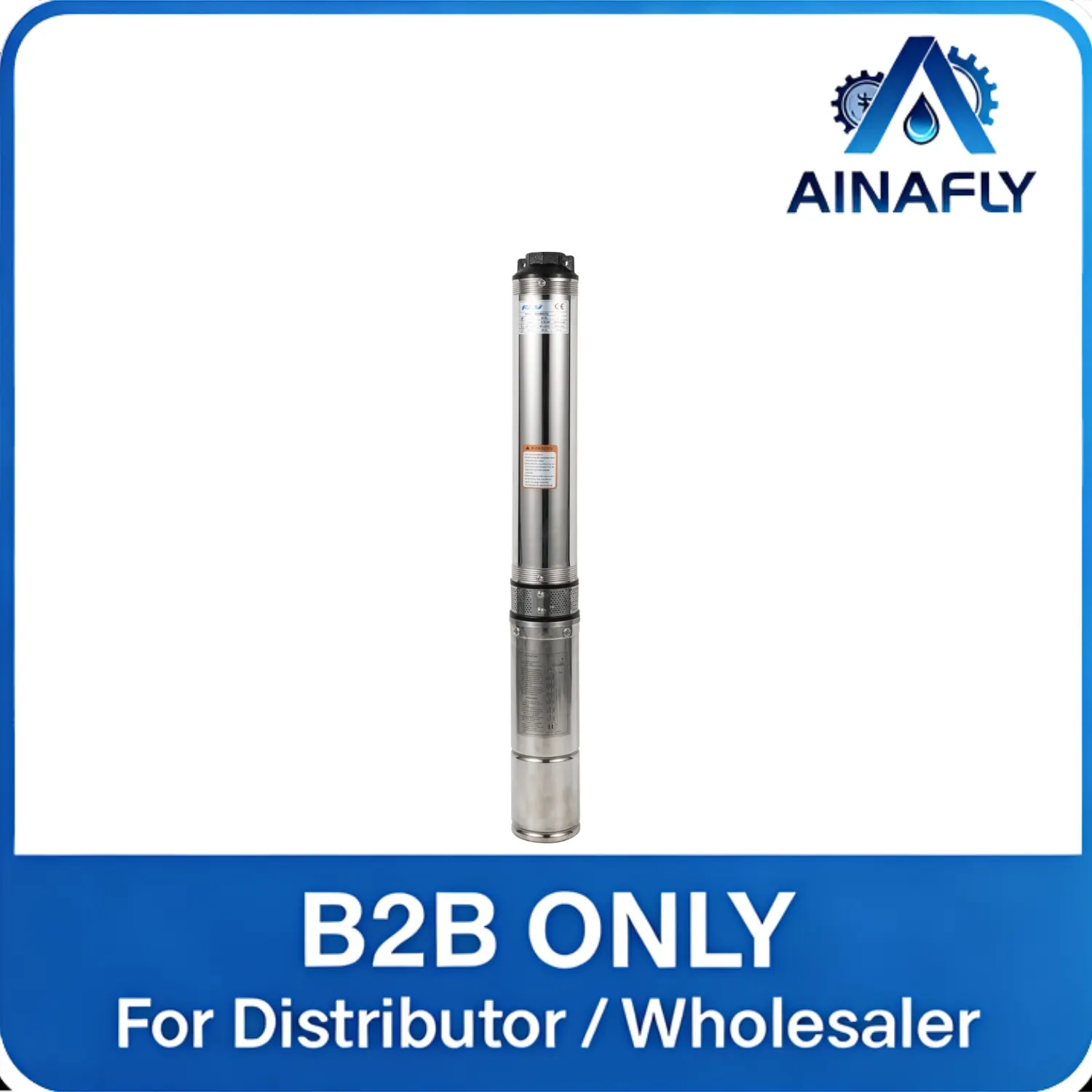
Deep well pump systems represent critical infrastructure for countless residential, agricultural, and commercial applications worldwide. These sophisticated mechanical devices operate under challenging conditions, drawing water from significant depths while maintaining consistent pressure and flow rates. The reliability of a deep well pump directly impacts water security, operational efficiency, and long-term system performance. Understanding how preventive maintenance strategies can dramatically reduce failure rates and extend equipment lifespan becomes essential for property owners, facility managers, and agricultural operators who depend on consistent water supply.
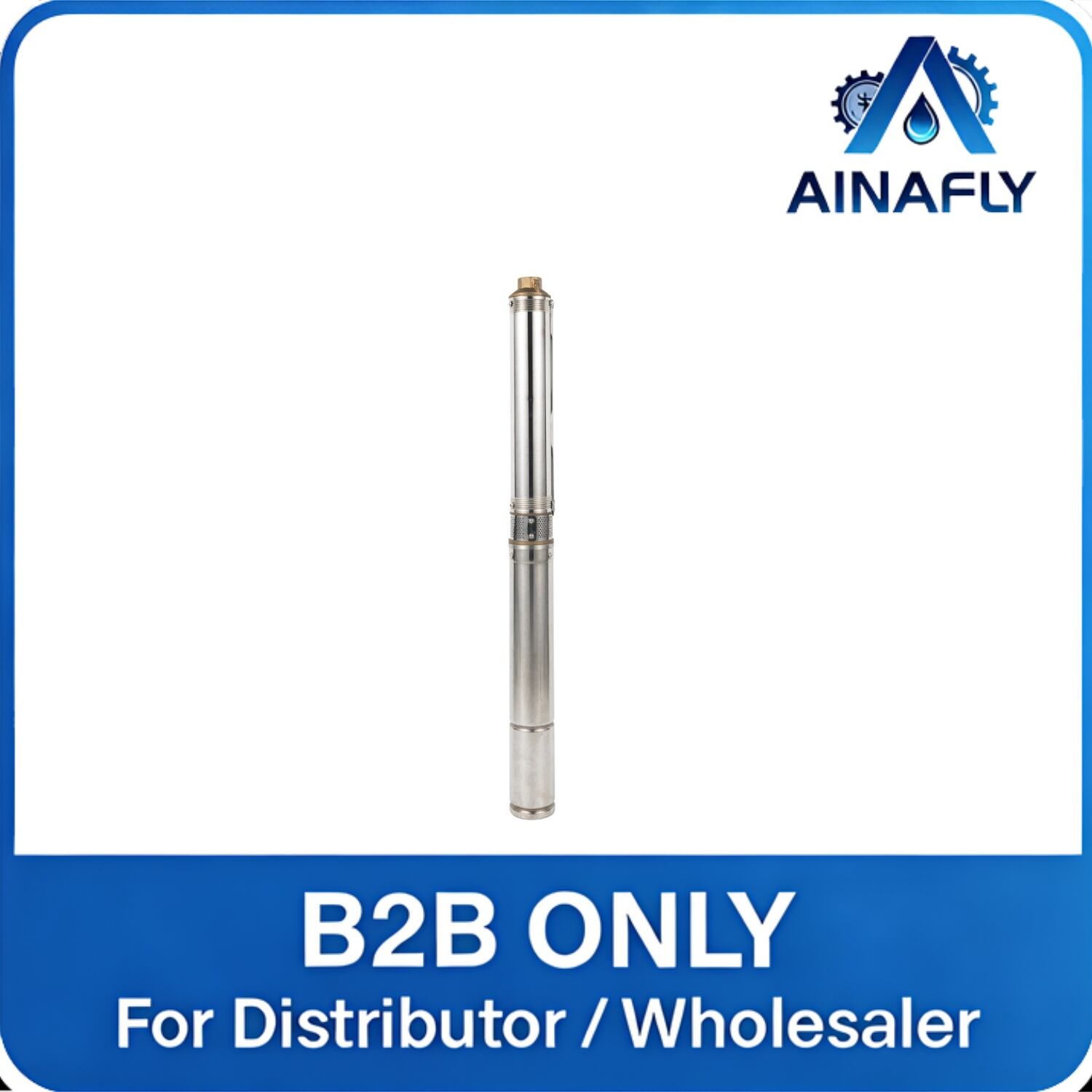
Understanding Deep Well Pump Failure Mechanisms
Common Mechanical Failure Points
Deep well pump failures typically manifest through several interconnected mechanical pathways that develop gradually over time. Motor bearing degradation represents one of the most frequent failure modes, occurring when insufficient lubrication or contamination causes excessive friction and heat generation. The impeller assembly, responsible for generating water pressure, experiences wear from sand particles, mineral deposits, and cavitation effects that gradually reduce pumping efficiency. Electrical components within the deep well pump motor face constant exposure to moisture, temperature fluctuations, and voltage irregularities that can compromise insulation integrity and control circuit functionality.
Seal deterioration constitutes another critical failure mechanism affecting deep well pump performance and longevity. Dynamic seals between rotating and stationary components experience continuous stress from pressure differentials, chemical exposure, and thermal cycling. When these seals begin to fail, water infiltration into electrical compartments can cause catastrophic damage requiring complete system replacement. Understanding these failure patterns allows maintenance professionals to implement targeted inspection protocols that identify early warning signs before complete system breakdown occurs.
Environmental Stress Factors
Operating environments significantly influence deep well pump reliability and maintenance requirements across different geographical regions and applications. Sand infiltration from unstable well formations creates abrasive conditions that accelerate impeller wear, reduce clearance tolerances, and compromise hydraulic efficiency. Chemical composition of groundwater, including pH levels, dissolved minerals, and corrosive compounds, affects material compatibility and component durability over extended operational periods. Temperature variations between surface conditions and downhole environments create thermal stress cycles that impact sealing systems, electrical connections, and material properties.
Power quality issues, including voltage fluctuations, harmonic distortion, and phase imbalances, place additional stress on deep well pump electrical systems. These conditions can cause motor overheating, increased current draw, and premature failure of control components. Environmental monitoring becomes essential for developing maintenance schedules that account for specific site conditions and operational demands affecting system performance and reliability.
Preventive Maintenance Framework Development
Inspection Schedule Optimization
Establishing systematic inspection schedules forms the foundation of effective deep well pump maintenance programs that prevent costly failures and extend equipment service life. Visual inspections of surface-mounted components should occur monthly, examining control panels, pressure gauges, electrical connections, and weatherproof enclosures for signs of deterioration or damage. Quarterly assessments focus on performance monitoring, including flow rate measurements, pressure readings, and electrical parameter analysis to identify gradual degradation trends before they impact system reliability.
Annual comprehensive inspections require temporary system shutdown to perform detailed examinations of critical components including pump assembly, drop pipe integrity, and electrical cable conditions. These thorough evaluations often reveal issues not detectable during routine operational monitoring, such as internal wear patterns, seal degradation, or cable insulation breakdown. Documentation of inspection findings creates valuable historical data supporting predictive maintenance decisions and component replacement planning for deep well pump systems.
Performance Monitoring Protocols
Continuous performance monitoring provides essential data for identifying deep well pump degradation patterns and optimizing maintenance interventions before failures occur. Flow rate measurements establish baseline performance metrics and track gradual efficiency losses that indicate impeller wear, obstruction development, or motor deterioration. Pressure monitoring at multiple system points reveals hydraulic issues including pipe restrictions, valve problems, or pump capacity reductions requiring immediate attention.
Electrical parameter monitoring tracks motor current, voltage stability, and power factor changes that often precede mechanical failures in deep well pump installations. Advanced monitoring systems can detect bearing vibration, temperature anomalies, and insulation resistance degradation providing early warning of impending component failures. Regular data analysis enables maintenance teams to schedule repairs during planned downtime rather than responding to emergency breakdown situations that disrupt water supply and increase repair costs.
Critical Maintenance Procedures
Motor and Electrical System Care
Motor maintenance represents the most critical aspect of deep well pump care, as electrical failures often result in complete system breakdown requiring expensive repairs or replacement. Insulation resistance testing using megohm meters identifies deteriorating wire insulation before catastrophic failures occur. These measurements should be performed annually or following any unusual operating conditions such as lightning strikes or power surges that might compromise electrical integrity.
Control panel maintenance includes cleaning electrical contacts, tightening connections, and inspecting protective devices such as overload relays and phase monitors. Environmental protection of electrical components through proper sealing and weatherproofing prevents moisture infiltration that causes corrosion and short circuits. Regular calibration of pressure switches, flow sensors, and protective relays ensures proper system operation and prevents unnecessary cycling that reduces deep well pump motor lifespan.
Hydraulic Component Maintenance
Hydraulic system maintenance focuses on preserving water flow efficiency and preventing contamination that damages internal pump components. Drop pipe inspection identifies corrosion, joint failures, or structural damage that can cause system pressure loss or allow contaminant infiltration. Professional cleaning of intake screens removes accumulated debris and biological growth that restricts water flow and increases pump operating stress.
Impeller and volute inspection during major maintenance intervals reveals wear patterns, cavitation damage, or foreign object interference affecting deep well pump performance. These components experience the highest stress levels within the system and require careful examination to determine remaining service life. Bearing lubrication, when accessible, maintains smooth operation and prevents premature wear that leads to catastrophic failures requiring complete pump replacement.
Water Quality Management
Contamination Prevention Strategies
Water quality directly impacts deep well pump longevity and performance, making contamination prevention essential for maintaining system reliability. Sand infiltration represents one of the most destructive contaminants, causing rapid wear of impeller surfaces, bearing damage, and seal failure through abrasive action. Proper well development and screen installation prevents sand production, while regular monitoring identifies early signs of formation instability requiring remedial action.
Chemical treatment programs address corrosive water conditions that accelerate metal component deterioration and reduce deep well pump service life. pH adjustment, scale inhibition, and biocide applications prevent deposit formation and biological growth that obstruct flow passages and create corrosive environments. Water analysis programs track chemical composition changes over time, enabling proactive treatment adjustments that protect pump materials and maintain hydraulic efficiency.
Filtration and Treatment Systems
Upstream filtration systems protect deep well pump components from particulate contamination that causes accelerated wear and reduced efficiency. Sand separators, centrifugal cleaners, and screen filters remove suspended solids before they reach sensitive pump internals. Regular filter maintenance, including backwashing and element replacement, maintains protection effectiveness and prevents bypass conditions that expose pumps to damaging contaminants.
Treatment system integration requires careful design consideration to avoid adverse chemical interactions or flow restriction that affects deep well pump operation. Proper chemical injection points, adequate mixing zones, and retention time calculations ensure treatment effectiveness while maintaining hydraulic performance. Monitoring treatment system performance through water quality testing validates protection effectiveness and identifies adjustment requirements for changing water conditions.
Technology Integration for Enhanced Maintenance
Remote Monitoring Solutions
Modern deep well pump installations benefit significantly from remote monitoring technologies that provide continuous system oversight and early failure detection capabilities. Wireless sensor networks monitor critical parameters including motor current, vibration levels, temperature variations, and hydraulic performance metrics. These systems transmit data to centralized monitoring stations enabling real-time analysis and rapid response to developing problems before they cause system failures.
Automated alarm systems notify maintenance personnel of abnormal operating conditions, allowing immediate intervention to prevent equipment damage. Historical data logging creates valuable trend analysis capabilities supporting predictive maintenance decisions and component replacement planning. Remote monitoring reduces site visit requirements while improving maintenance effectiveness through continuous system oversight and data-driven decision making for deep well pump operations.
Predictive Analytics Applications
Advanced analytics platforms process operational data from deep well pump systems to identify failure patterns and optimize maintenance schedules based on actual equipment condition rather than fixed time intervals. Machine learning algorithms analyze historical performance data to predict component failure timing, enabling proactive replacement before breakdowns occur. These systems consider multiple variables including operating hours, environmental conditions, load factors, and maintenance history to generate accurate failure probability assessments.
Integration with maintenance management systems automates work order generation, parts ordering, and scheduling coordination based on predictive analysis results. This approach optimizes maintenance resource allocation, reduces emergency repairs, and maximizes equipment availability for critical applications. Continuous algorithm refinement improves prediction accuracy over time, creating increasingly effective maintenance programs for deep well pump installations.
Cost-Benefit Analysis of Preventive Maintenance
Financial Impact Assessment
Comprehensive preventive maintenance programs for deep well pump systems demonstrate substantial financial benefits when compared to reactive maintenance approaches. Emergency repair costs typically exceed planned maintenance expenses by three to five times due to overtime labor rates, expedited parts procurement, and productivity losses during unplanned downtime. System replacement costs following catastrophic failures can reach tens of thousands of dollars, making preventive maintenance investment highly cost-effective over equipment lifecycles.
Energy efficiency improvements resulting from proper maintenance reduce operational costs throughout deep well pump service life. Clean impellers, properly adjusted clearances, and optimal system pressure reduce power consumption by ten to fifteen percent compared to neglected systems. These energy savings compound over time, often offsetting maintenance program costs within two to three years of implementation while providing continued benefits throughout equipment operational life.
Operational Reliability Benefits
Preventive maintenance programs significantly improve deep well pump system availability and reduce unplanned downtime that disrupts operations and compromises water security. Planned maintenance activities occur during scheduled downtime when backup systems can maintain service continuity, avoiding the disruption caused by unexpected failures. This improved reliability becomes particularly valuable for critical applications including agricultural irrigation during growing seasons and essential water supply for commercial facilities.
Extended equipment lifespan resulting from proper maintenance maximizes capital investment returns and defers replacement costs for many years beyond standard equipment warranties. Well-maintained deep well pump systems regularly achieve fifteen to twenty-year service lives compared to five to seven years for neglected installations. This extended service life provides substantial value through avoided replacement costs and maintained system performance over extended operational periods.
FAQ
How often should deep well pump systems undergo comprehensive maintenance inspections
Deep well pump systems require comprehensive maintenance inspections annually, with quarterly performance monitoring and monthly visual inspections of surface components. Systems operating in challenging environments or high-duty cycles may require more frequent inspections every six months. The inspection frequency should be adjusted based on system age, operating conditions, water quality, and historical performance data to optimize maintenance effectiveness while controlling costs.
What are the early warning signs of impending deep well pump failure
Early warning signs include gradually decreasing flow rates, increasing power consumption, unusual noise or vibration, frequent cycling, and pressure fluctuations. Electrical symptoms such as motor overheating, blown fuses, or control panel alarms also indicate developing problems. Water quality changes including increased sediment or unusual taste may signal pump component wear or well problems requiring immediate attention to prevent system failure.
Can preventive maintenance eliminate all deep well pump failures
While preventive maintenance dramatically reduces failure rates and extends equipment life, it cannot eliminate all potential failures due to unpredictable factors such as lightning strikes, power surges, or sudden well formation changes. However, comprehensive maintenance programs typically reduce failure rates by seventy to eighty percent and convert most remaining failures from catastrophic events to manageable component replacements during planned downtime.
What maintenance tasks can property owners perform versus requiring professional service
Property owners can perform visual inspections, monitor performance gauges, maintain control panel cleanliness, and document system operation patterns. Professional service is required for electrical testing, pump removal, internal component inspection, and any work involving electrical connections or system pressure testing. Attempting complex maintenance without proper training and equipment can create safety hazards and void equipment warranties.
Table of Contents
- Understanding Deep Well Pump Failure Mechanisms
- Preventive Maintenance Framework Development
- Critical Maintenance Procedures
- Water Quality Management
- Technology Integration for Enhanced Maintenance
- Cost-Benefit Analysis of Preventive Maintenance
-
FAQ
- How often should deep well pump systems undergo comprehensive maintenance inspections
- What are the early warning signs of impending deep well pump failure
- Can preventive maintenance eliminate all deep well pump failures
- What maintenance tasks can property owners perform versus requiring professional service