
 EN
EN
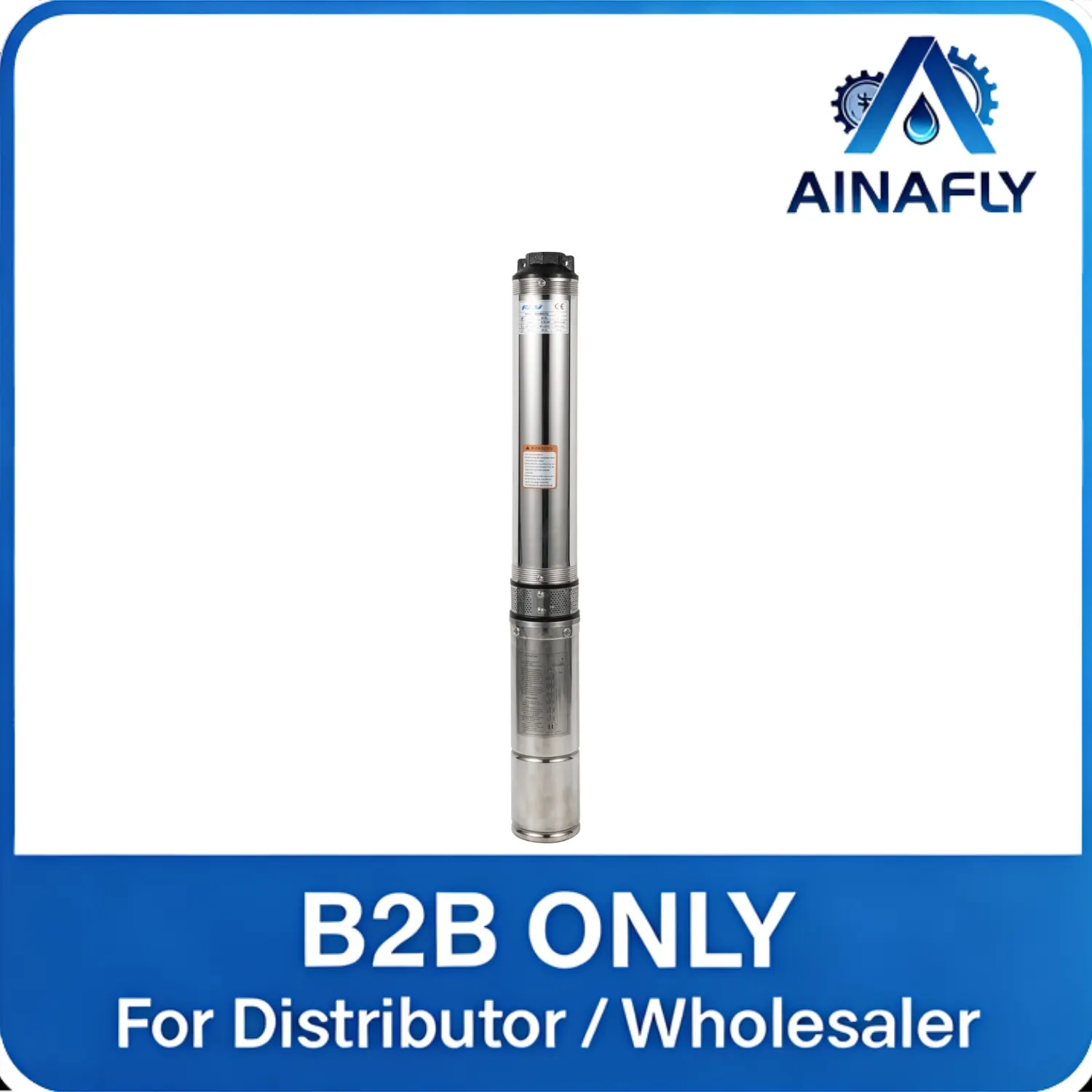
A submersible pump represents one of the most innovative solutions for moving water from depths where conventional surface pumps cannot effectively operate. These specialized pumps are engineered to function completely underwater, making them indispensable for applications ranging from residential well water systems to large-scale industrial dewatering operations. Understanding how a submersible pump achieves efficient underwater operation requires examining its unique design principles, advanced sealing technologies, and sophisticated motor cooling systems that enable reliable performance in challenging submerged environments.
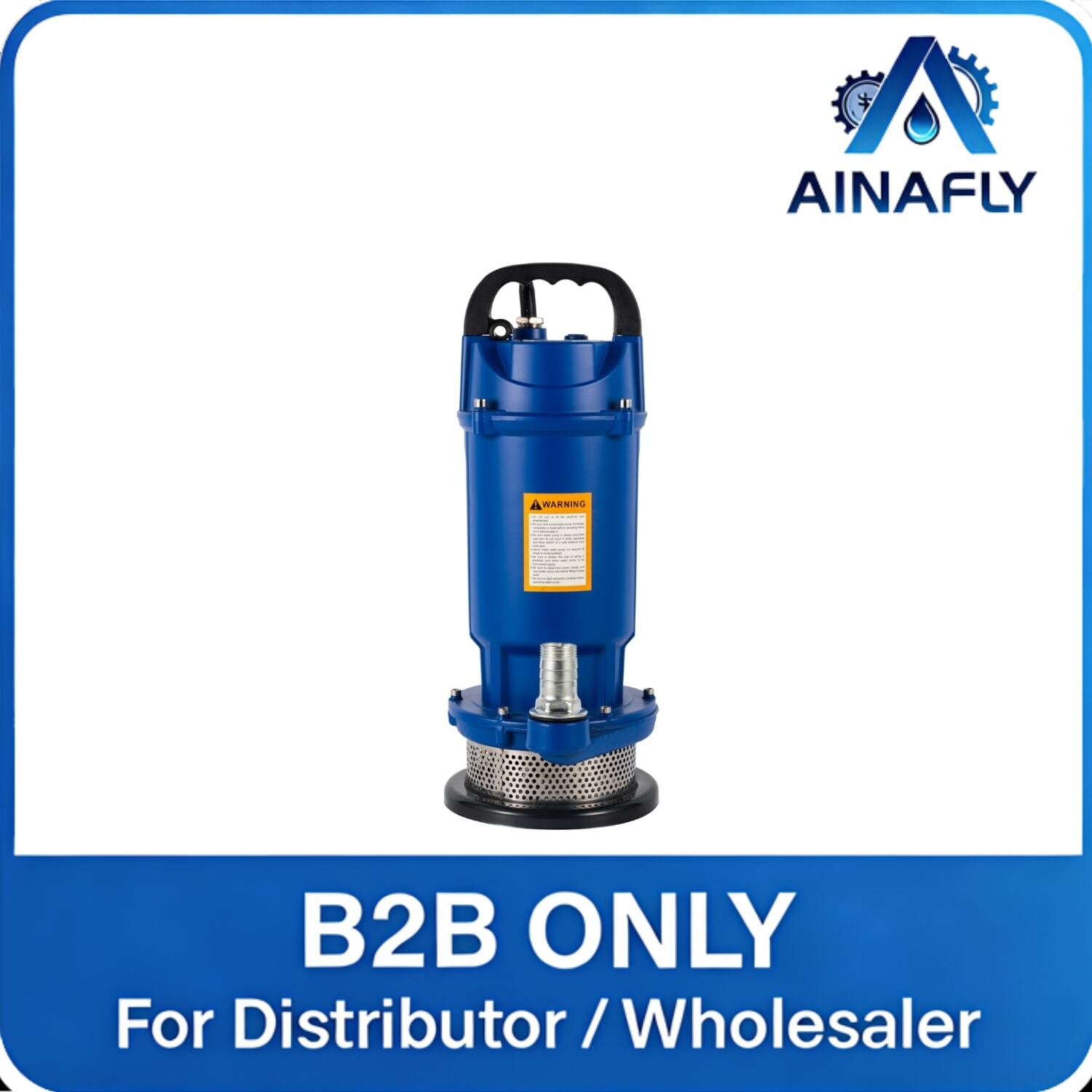
Core Design Architecture of Underwater Pump Systems
Integrated Motor and Pump Housing Configuration
The fundamental architecture of a submersible pump centers on its integrated design where the electric motor and pump impeller are housed within a single waterproof unit. This configuration eliminates the need for external drive shafts or coupling mechanisms that would create potential leak points. The motor compartment is hermetically sealed using advanced elastomeric seals and mechanical face seals that maintain integrity under varying water pressures and temperatures.
The pump housing typically features a multi-stage centrifugal design that maximizes hydraulic efficiency while minimizing energy consumption. Each stage contains precision-engineered impellers and diffusers that progressively increase water pressure as fluid moves through the pump chamber. The materials used in construction, often high-grade stainless steel or cast iron with protective coatings, ensure long-term resistance to corrosion and wear in underwater environments.
Advanced Sealing Technology and Pressure Management
Effective sealing represents the most critical aspect of submersible pump operation, as any breach in the motor compartment would result in immediate failure. Modern submersible pump designs incorporate multiple barrier systems including primary mechanical seals, secondary O-ring seals, and pressure equalization chambers. These systems work together to prevent water infiltration while accommodating thermal expansion and pressure variations during operation.
The pressure equalization mechanism is particularly sophisticated, utilizing a flexible diaphragm or bladder system that allows internal air pressure to adjust automatically with changing water depth. This prevents excessive pressure differentials that could compromise seal integrity and ensures consistent performance across various installation depths. Additionally, many high-quality units feature oil-filled motor chambers that provide additional protection against moisture infiltration.
Electrical Systems and Motor Cooling Mechanisms
Waterproof Electrical Connection Systems
The electrical system of a submersible pump must maintain complete isolation from the surrounding water environment while delivering reliable power to the motor windings. Specialized cable entry systems utilize compression glands and potting compounds to create permanent watertight seals around power conductors. The electrical connections inside the motor housing are often encapsulated in moisture-resistant materials to prevent corrosion and electrical failures.
Control systems for submersible pumps frequently incorporate built-in protection features such as motor overload protection, dry-run detection, and thermal monitoring. These safety mechanisms automatically shut down the pump when operating conditions exceed safe parameters, preventing damage to internal components. Advanced models may include variable frequency drives that optimize motor speed based on demand, significantly improving overall system efficiency.
Innovative Motor Cooling and Heat Dissipation
Unlike surface-mounted pumps that rely on air circulation for cooling, a submersible pump utilizes the surrounding water as its primary cooling medium. The motor housing is designed with external fins or cooling channels that maximize heat transfer surface area, allowing efficient dissipation of heat generated during operation. This water-cooling effect actually provides superior temperature control compared to air-cooled alternatives, enabling higher power densities and improved performance.
The thermal management system also includes internal circulation mechanisms that distribute heat evenly throughout the motor housing. Some designs incorporate forced circulation systems using small internal fans or pumps that move coolant fluid through heat exchange chambers. This active cooling approach ensures that critical components such as motor windings and electronic controls remain within optimal temperature ranges during extended operation periods.
Hydraulic Performance and Efficiency Optimization
Multi-Stage Centrifugal Pump Design Principles
The hydraulic design of a submersible pump typically employs multi-stage centrifugal technology to achieve high lift capabilities while maintaining energy efficiency. Each pump stage consists of a rotating impeller that imparts kinetic energy to the water, followed by a stationary diffuser that converts this kinetic energy into pressure. The number of stages determines the total head capacity, with more stages providing greater lift capability for deep well applications.
Impeller design plays a crucial role in overall pump efficiency, with modern computational fluid dynamics enabling optimization of blade geometry, inlet angles, and exit velocities. Advanced submersible pump models feature impellers manufactured from corrosion-resistant materials with precision-balanced construction to minimize vibration and wear. The close tolerances between impeller and housing components ensure maximum hydraulic efficiency while accommodating thermal expansion during operation.
Flow Control and System Integration Features
Contemporary submersible pump systems incorporate sophisticated flow control mechanisms that adapt operation to varying demand conditions. Variable speed drives allow precise adjustment of pump output to match system requirements, reducing energy consumption during low-demand periods. Pressure sensors and flow meters provide real-time feedback to control systems, enabling automatic adjustment of operating parameters for optimal efficiency.
Integration with building management systems or industrial control networks allows remote monitoring and control of submersible pump operations. These smart features include predictive maintenance algorithms that analyze performance trends and vibration patterns to identify potential issues before they result in equipment failure. Advanced diagnostic capabilities can detect changes in motor current, flow rates, and operating temperatures that indicate the need for preventive maintenance.
Installation Considerations and Operational Factors
Proper Positioning and Depth Requirements
Successful submersible pump operation depends heavily on proper installation techniques and positioning within the water source. The pump must be installed at sufficient depth to ensure continuous submersion even during low water conditions, while avoiding excessive depth that could create unnecessary pressure on sealing systems. Proper positioning also includes maintaining adequate clearance from the bottom of the well or reservoir to prevent sediment ingestion that could damage internal components.
Installation procedures must account for thermal expansion of the discharge piping and provide adequate support for the pump weight and thrust forces generated during operation. Check valves and isolation valves should be strategically positioned to facilitate maintenance operations while preventing backflow that could damage the pump or create water hammer effects. The electrical cable must be properly secured and protected from abrasion or damage during installation and operation.
Maintenance Protocols and Performance Monitoring
Regular maintenance of submersible pump systems focuses primarily on monitoring seal integrity, electrical insulation resistance, and hydraulic performance indicators. Periodic testing of motor insulation resistance helps identify potential moisture infiltration before it causes catastrophic failure. Vibration analysis can detect bearing wear, impeller imbalance, or cavitation conditions that could affect long-term reliability.
Performance monitoring should include tracking of power consumption, flow rates, and discharge pressures to identify gradual degradation in pump efficiency. Many modern submersible pump installations include continuous monitoring systems that automatically log operating parameters and alert operators to abnormal conditions. Preventive maintenance schedules typically include annual inspection of electrical connections, seal condition assessment, and verification of proper motor cooling system operation.
Applications and Industry-Specific Considerations
Residential and Commercial Water Supply Systems
In residential applications, submersible pumps provide reliable water supply from private wells, offering quiet operation and space-saving installation compared to surface-mounted alternatives. The submersible pump design eliminates the need for pump houses or above-ground equipment that could be subject to freezing or vandalism. Modern residential units often include integrated pressure tanks and control systems that provide consistent water pressure throughout the home while minimizing cycling frequency.
Commercial and municipal water supply systems frequently utilize larger capacity submersible pumps for high-volume applications such as irrigation, municipal wells, and water treatment facilities. These installations may incorporate multiple pump systems with alternating operation schedules to ensure continuous service and provide redundancy for critical applications. Energy efficiency becomes particularly important in these high-volume applications, making advanced motor technologies and variable speed drives essential features.
Industrial and Municipal Wastewater Management
Industrial applications of submersible pumps include dewatering operations, process water circulation, and wastewater management systems. These environments often present additional challenges such as corrosive chemicals, abrasive particles, or elevated temperatures that require specialized materials and design modifications. Submersible pump systems used in these applications may feature hardened impellers, ceramic shaft sleeves, and chemical-resistant sealing materials.
Municipal sewage and stormwater systems rely heavily on submersible pump technology for lift stations and drainage applications. These pumps must handle solids-laden water while maintaining reliable operation in underground installations that are difficult to access for maintenance. Specialized sewage submersible pumps incorporate features such as clog-resistant impeller designs, grinding mechanisms for solids reduction, and robust construction to withstand the harsh operating environment typical of municipal wastewater systems.
FAQ
What makes a submersible pump more efficient than surface pumps for deep water applications
Submersible pumps achieve superior efficiency in deep water applications because they eliminate the suction limitations that affect surface pumps. By operating underwater at the point of water intake, submersible pumps avoid the energy losses associated with lifting water through suction pipes and are not subject to the atmospheric pressure limitations that restrict surface pump suction lift to approximately 25 feet. Additionally, the surrounding water provides excellent motor cooling, allowing higher power densities and more efficient operation compared to air-cooled surface units.
How do submersible pumps maintain electrical safety while operating underwater
Submersible pump electrical safety relies on multiple layers of protection including hermetic motor sealing, ground fault circuit interruption, and specialized underwater cable systems. The motor windings are completely isolated from water contact through advanced sealing technologies and oil-filled chambers that maintain positive pressure differentials. Electrical codes require ground fault protection and proper grounding systems to immediately shut down power in case of any electrical leakage, while underwater cables feature double insulation and moisture barriers to prevent electrical hazards.
What factors determine the optimal depth for submersible pump installation
Optimal submersible pump installation depth depends on several factors including minimum water levels, pump cooling requirements, and system hydraulic considerations. The pump must remain submerged during lowest expected water conditions to prevent dry running and ensure adequate motor cooling. However, excessive depth increases discharge head requirements and may create unnecessary stress on sealing systems. Generally, installation 10-20 feet below minimum water levels provides optimal balance between reliable submersion and system efficiency, while considering local groundwater variations and seasonal fluctuations.
How often should submersible pumps undergo maintenance inspection and service
Submersible pump maintenance intervals vary based on operating conditions, water quality, and usage patterns, but annual comprehensive inspections are typically recommended for most applications. Monthly monitoring of electrical parameters, flow rates, and energy consumption helps identify performance trends, while quarterly checks of control systems and safety devices ensure proper operation. In harsh environments such as municipal wastewater or high-mineral content water, more frequent inspections every six months may be necessary to detect seal degradation, bearing wear, or corrosion issues before they result in costly failures.
Table of Contents
- Core Design Architecture of Underwater Pump Systems
- Electrical Systems and Motor Cooling Mechanisms
- Hydraulic Performance and Efficiency Optimization
- Installation Considerations and Operational Factors
- Applications and Industry-Specific Considerations
-
FAQ
- What makes a submersible pump more efficient than surface pumps for deep water applications
- How do submersible pumps maintain electrical safety while operating underwater
- What factors determine the optimal depth for submersible pump installation
- How often should submersible pumps undergo maintenance inspection and service