 EN
EN
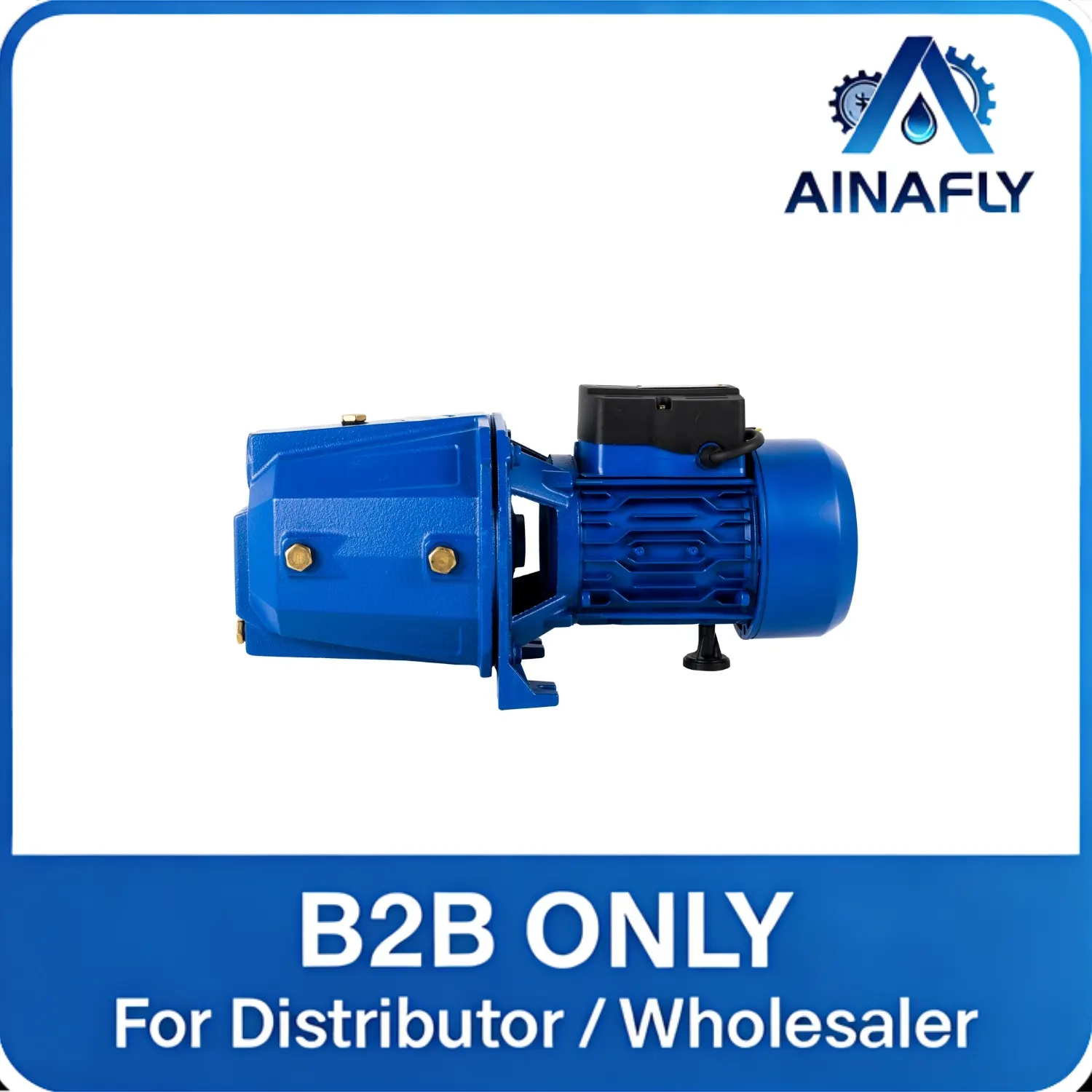
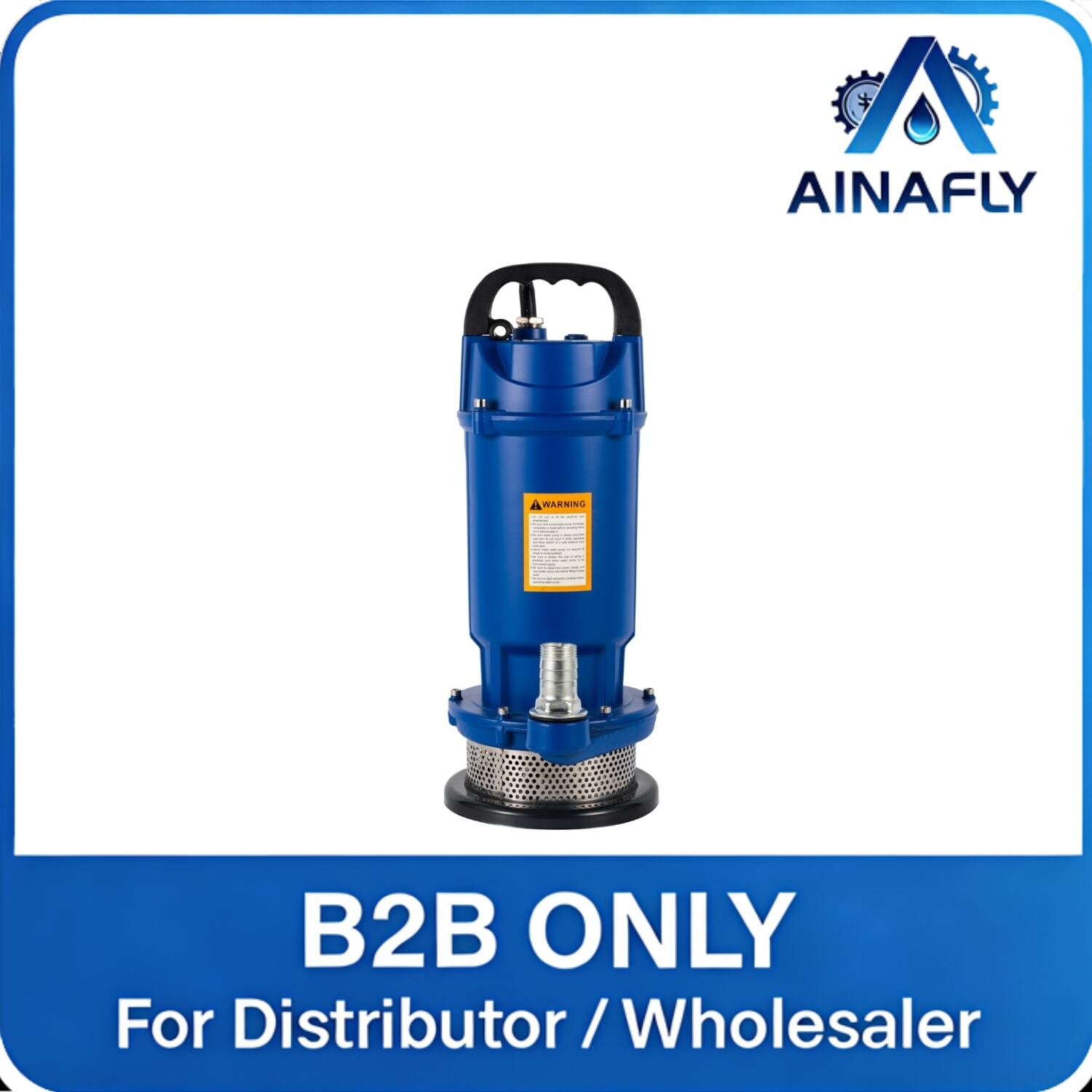
Industrial operations across multiple sectors rely heavily on efficient water management and fluid handling systems. Among the various pumping solutions available, the submersible pump stands out as one of the most versatile and reliable technologies for demanding applications. These specialized devices operate while fully submerged in the fluid they are designed to move, offering unique advantages that make them indispensable in modern industrial processes. Understanding the diverse applications of submersible pump technology helps industries optimize their operations while ensuring reliable performance in challenging environments.
Water Treatment and Municipal Applications
Sewage and Wastewater Management
Municipal wastewater treatment facilities represent one of the largest application areas for submersible pump systems. These facilities require robust pumping solutions capable of handling raw sewage, treated effluent, and various intermediate processing stages. The submersible pump design offers significant advantages in these environments, including reduced noise levels, minimal space requirements, and protection from harsh atmospheric conditions. Modern wastewater treatment plants utilize these pumps for lift stations, sump pumping, and final effluent discharge operations.
The sealed motor design of submersible pumps makes them particularly suitable for handling corrosive wastewater containing chemicals, organic matter, and suspended solids. Advanced materials and protective coatings ensure long-term reliability even when exposed to aggressive sewage compositions. Additionally, the submerged operation eliminates priming issues and reduces maintenance requirements compared to surface-mounted alternatives.
Potable Water Distribution Systems
Clean water supply systems in urban and rural areas depend on submersible pump technology for reliable distribution. Deep well applications utilize these pumps to extract groundwater from aquifers hundreds of feet below ground level. The compact design allows installation in narrow well casings while maintaining high efficiency and flow rates. Water utilities appreciate the reduced energy consumption and extended service life that quality submersible pump units provide.
Booster stations throughout distribution networks employ submersible pumps to maintain adequate pressure and flow rates across extensive service areas. These installations benefit from the quiet operation and minimal surface footprint that submersible designs offer. Remote monitoring capabilities integrated into modern units enable utilities to optimize performance and predict maintenance needs proactively.
Industrial Manufacturing and Processing
Chemical Processing Operations
Chemical manufacturing facilities require specialized pumping solutions capable of handling corrosive, toxic, or reactive fluids safely. The submersible pump configuration provides an ideal solution for these demanding applications by containing all mechanical components within sealed housings. This design minimizes the risk of leaks and reduces worker exposure to hazardous materials. Specialized materials of construction, including exotic alloys and advanced polymers, enable these pumps to handle aggressive chemicals reliably.
Process tanks, reactor vessels, and storage containers in chemical plants often utilize submersible pumps for transfer operations, circulation, and drainage applications. The ability to operate while fully submerged eliminates vapor space concerns and reduces the risk of air entrainment in sensitive processes. Temperature-resistant designs accommodate hot chemical streams while maintaining seal integrity and motor protection.
Food and Beverage Industry Applications
Food processing facilities utilize submersible pump technology for various sanitary applications requiring strict hygiene standards. These pumps handle ingredient transfer, cleaning solution circulation, and wastewater management in compliance with food safety regulations. Smooth surface finishes and sanitary design features facilitate thorough cleaning and prevent bacterial growth. Stainless steel construction ensures compatibility with food-grade cleaning chemicals and high-temperature sanitization procedures.
Beverage production lines employ submersible pumps for ingredient handling, tank cleaning, and process water circulation. The sealed design prevents contamination while maintaining the purity standards required for consumable products. CIP (Clean-in-Place) compatibility allows these pumps to remain installed during automated cleaning cycles, reducing downtime and labor requirements.
Mining and Heavy Industry Operations
Mine Dewatering Systems
Mining operations face constant challenges related to groundwater infiltration and surface water accumulation in excavation sites. Heavy-duty submersible pump systems provide essential dewatering capabilities that enable safe and efficient mining activities. These pumps must handle high volumes of abrasive-laden water while operating in harsh underground environments. Robust construction with wear-resistant materials ensures reliable performance despite exposure to sand, gravel, and other abrasive particles.
Open-pit mining operations utilize large-capacity submersible pumps to remove accumulated rainwater and groundwater from excavation areas. The portable nature of these units allows rapid deployment to different locations as mining progresses. Emergency dewatering capabilities are crucial for maintaining operational continuity during severe weather events or unexpected water influx situations.
Construction and Excavation Support
Construction projects frequently encounter groundwater issues that require temporary or permanent dewatering solutions. Foundation excavations, utility installations, and tunnel construction rely on submersible pump systems to maintain dry working conditions. These applications demand pumps capable of handling varying water levels and debris content while providing consistent performance throughout project duration.
Tunnel boring operations utilize specialized submersible pumps to manage groundwater infiltration and remove accumulated water from work areas. The compact design allows installation in confined spaces while providing sufficient capacity to handle unexpected water influx. Automated control systems enable unmanned operation during night shifts and weekend periods when construction activities are suspended.
Agricultural and Irrigation Systems
Crop Irrigation and Water Management
Modern agriculture depends on efficient irrigation systems to maximize crop yields while conserving water resources. Submersible pump installations in wells, ponds, and reservoirs provide reliable water sources for agricultural irrigation. These systems can operate automatically based on soil moisture sensors and weather conditions, optimizing water usage while reducing labor requirements. Energy-efficient motor designs minimize operating costs for farmers operating on tight margins.
Drip irrigation and sprinkler systems utilize submersible pumps to maintain consistent pressure and flow rates across extensive field networks. Variable frequency drives enable precise control of pump output to match changing irrigation demands throughout growing seasons. Remote monitoring capabilities allow farmers to track performance and identify potential issues before they impact crop production.
Aquaculture and Fish Farming
Fish farming operations require continuous water circulation to maintain proper oxygen levels and remove waste products from aquaculture systems. Submersible pump technology provides efficient water movement while minimizing disturbance to fish populations. The quiet operation and smooth flow characteristics reduce stress on aquatic species while maintaining optimal growing conditions. Corrosion-resistant materials ensure long-term reliability in saltwater and brackish water environments.
Recirculating aquaculture systems employ submersible pumps for biological filtration, water treatment, and temperature control applications. These closed-loop systems require precise flow control to maintain water quality parameters within acceptable ranges. The reliability of submersible pump systems is crucial for preventing fish mortality and maintaining profitable operations.
Oil and Gas Industry Applications
Produced Water Handling
Oil and gas production operations generate significant volumes of produced water that require efficient handling and treatment. Submersible pump systems designed for hydrocarbon service provide safe and reliable pumping of oil-water mixtures from production facilities. Explosion-proof motor designs and specialized sealing systems ensure safe operation in hazardous environments where flammable vapors may be present.
Offshore platforms utilize submersible pumps for ballast water management, fire suppression systems, and emergency drainage applications. The harsh marine environment demands pumps constructed with superior corrosion resistance and mechanical reliability. Remote operation capabilities are essential for unmanned platforms and subsea installations where maintenance access is limited.
Tank and Vessel Drainage
Storage tank cleaning and maintenance operations in refineries and petrochemical facilities require specialized submersible pump equipment capable of handling hydrocarbon residues safely. These pumps must comply with strict safety regulations while providing efficient drainage of tank bottoms and sediment removal. Intrinsically safe electrical designs prevent ignition sources in explosive atmospheres.
Pipeline maintenance operations employ portable submersible pump units for hydrostatic testing, cleaning, and emergency response applications. The ability to quickly deploy these pumps to remote locations is crucial for maintaining pipeline integrity and responding to environmental incidents. Specialized materials and coatings provide compatibility with various petroleum products and pipeline chemicals.
Marine and Offshore Applications
Ship and Vessel Operations
Marine vessels rely on submersible pump systems for bilge water removal, ballast water management, and cargo handling operations. The compact design and reliable operation make these pumps ideal for shipboard installations where space is limited and downtime cannot be tolerated. Seawater-resistant materials ensure long service life in the corrosive marine environment while meeting international maritime safety standards.
Cruise ships and commercial vessels utilize submersible pumps for gray water and black water management systems. These applications require pumps capable of handling waste streams while maintaining sanitary conditions and environmental compliance. Advanced control systems enable automated operation and monitoring of multiple pump stations throughout large vessels.
Port and Harbor Infrastructure
Port facilities employ submersible pump systems for dock drainage, storm water management, and maintenance dredging operations. These installations must handle varying tidal conditions and weather-related water level fluctuations while maintaining operational capabilities. The submersible design eliminates concerns about pump priming and provides consistent performance regardless of water level variations.
Marina and yacht harbor facilities utilize submersible pumps for fuel spill response, dock washing systems, and emergency dewatering operations. The ability to deploy these pumps quickly during environmental incidents is crucial for minimizing ecological damage and meeting regulatory response requirements. Portable units provide flexibility for addressing various emergency situations throughout harbor areas.
FAQ
What makes submersible pumps more suitable for industrial applications than surface pumps
Submersible pumps offer several key advantages for industrial applications including elimination of priming issues, reduced noise levels, protection from weather and vandalism, and more efficient operation due to positive suction head. The submerged motor design also provides better cooling and longer service life in demanding industrial environments where continuous operation is required.
How do you select the right submersible pump for specific industrial applications
Proper selection requires careful consideration of flow rate requirements, total dynamic head, fluid characteristics including temperature and chemical compatibility, installation constraints, and electrical supply availability. Working with experienced pump manufacturers and consulting detailed application guides ensures optimal performance and reliability for specific industrial requirements.
What maintenance practices are essential for industrial submersible pump systems
Regular maintenance includes monitoring motor insulation resistance, checking cable connections for moisture infiltration, inspecting mechanical seals for wear, and verifying proper electrical protection settings. Preventive maintenance schedules should be based on operating conditions and manufacturer recommendations to maximize equipment reliability and service life.
Can submersible pumps handle abrasive or corrosive fluids effectively
Yes, submersible pumps can be specifically designed with wear-resistant materials, protective coatings, and specialized impeller designs to handle abrasive slurries and corrosive chemicals. Material selection including hardened steels, ceramic components, and exotic alloys enables these pumps to provide reliable service in the most demanding industrial fluid handling applications.