
 EN
EN
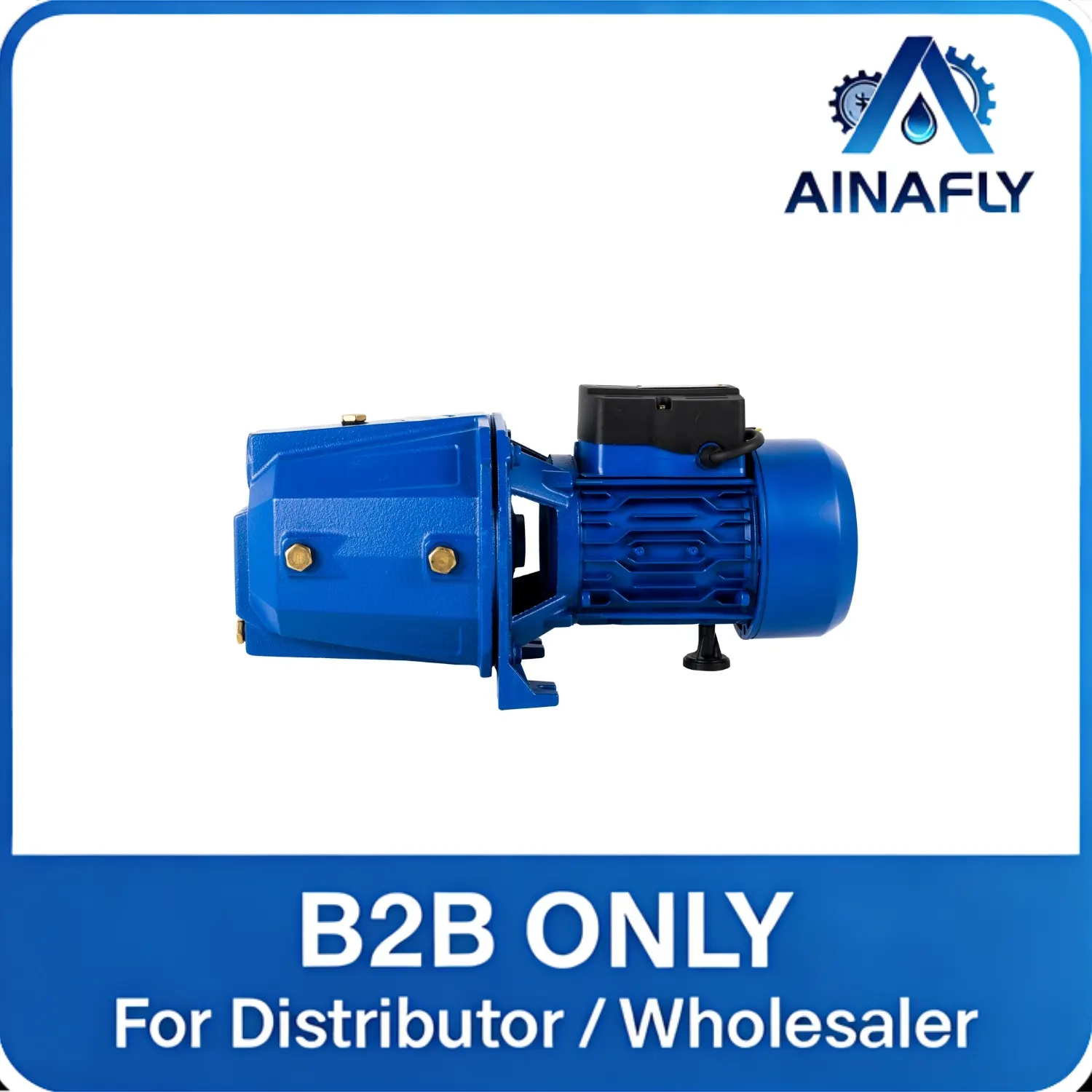
Energy efficiency has become a critical consideration in modern pumping applications, particularly as operational costs continue to rise and environmental concerns drive the need for sustainable solutions. The choice between submersible pump systems and traditional surface pumps significantly impacts energy consumption, operational efficiency, and long-term cost effectiveness. Understanding the fundamental differences in energy transfer mechanisms between these two technologies reveals why submersible pump installations often deliver superior performance with reduced energy losses compared to their surface-mounted counterparts.
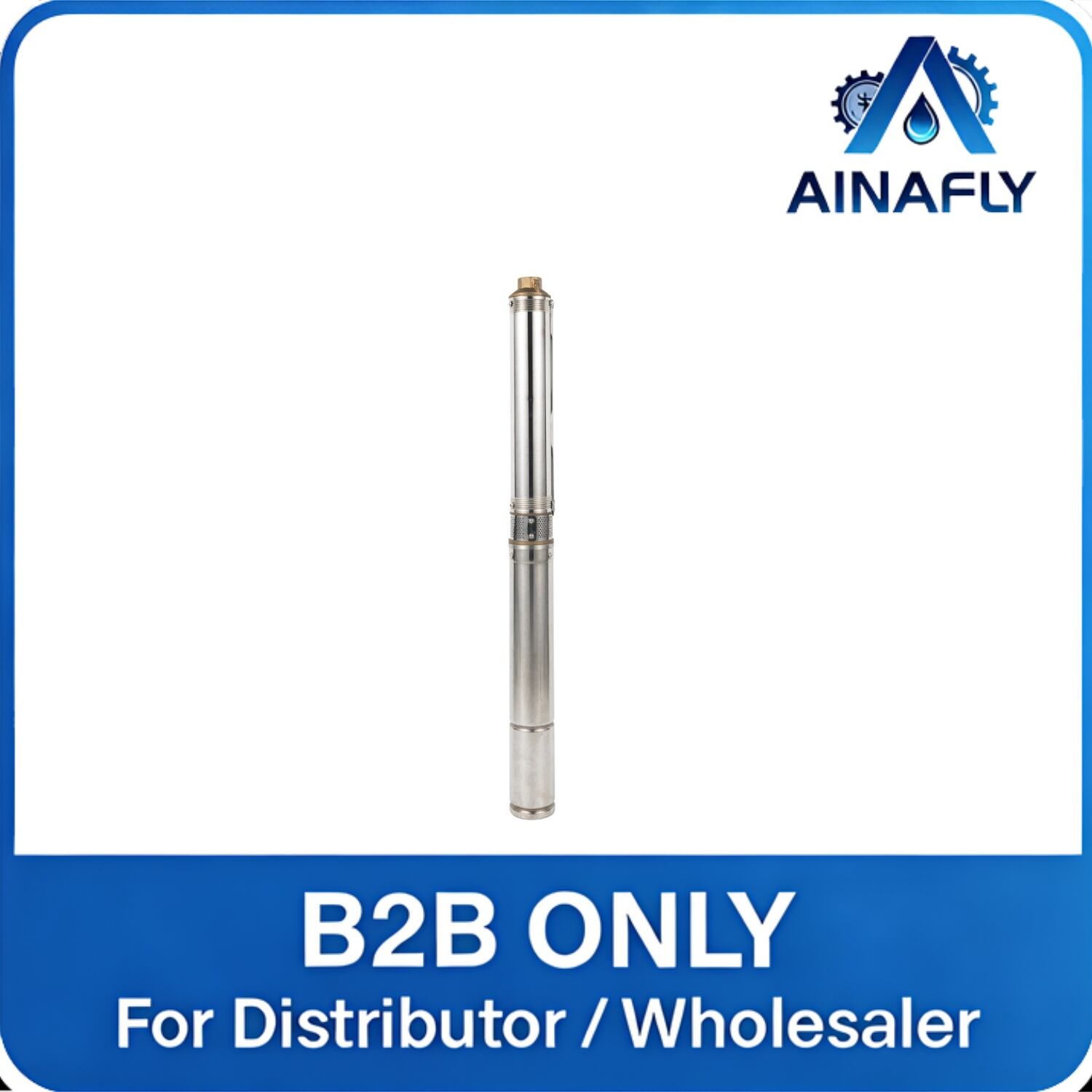
The energy efficiency advantages of submersible pump designs stem from their unique positioning within the fluid medium they transport. Unlike surface pumps that must overcome significant suction lift requirements, submersible pump units operate under positive pressure conditions, eliminating the energy penalties associated with creating vacuum conditions at the pump inlet. This fundamental operational difference translates into measurable energy savings across various applications, from residential water systems to large-scale industrial installations.
Fundamental Energy Transfer Principles
Hydraulic Efficiency Advantages
The hydraulic efficiency of a submersible pump benefits significantly from its submerged operation, where the pump impeller receives water under positive pressure rather than having to create suction lift. This positive suction head eliminates cavitation risks and allows the pump to operate at optimal efficiency points throughout its performance curve. Surface pumps, conversely, must expend energy creating the necessary vacuum conditions to lift water from the source to the pump inlet, representing a direct energy loss that compounds with increasing lift heights.
Temperature effects also play a crucial role in hydraulic efficiency comparisons. A submersible pump operates in a temperature-controlled environment provided by the surrounding water, which helps maintain consistent viscosity characteristics and reduces internal friction losses. Surface pumps exposed to ambient temperature variations experience efficiency fluctuations as fluid properties change, particularly in extreme weather conditions where temperature swings can significantly impact pumping performance.
The elimination of long suction lines represents another significant hydraulic advantage for submersible pump systems. Surface installations require extensive piping networks that introduce friction losses, air entrapment risks, and potential leak points that reduce overall system efficiency. Each pipe joint, elbow, and length of suction line adds resistance that the pump motor must overcome, directly translating to increased energy consumption compared to submersible configurations.
Motor Cooling and Thermal Management
Motor cooling efficiency represents a critical factor in energy consumption differences between submersible pump and surface pump designs. The water-cooled environment surrounding a submersible pump motor provides consistent and effective heat dissipation, allowing the motor to operate at lower temperatures and higher efficiency levels. This natural cooling effect reduces the electrical resistance in motor windings, improving power factor and reducing energy losses that typically increase with motor temperature.
Surface pump motors rely on air cooling systems that are inherently less efficient than liquid cooling, particularly in hot climates or enclosed installations. The need for additional cooling fans or ventilation systems in surface pump applications represents parasitic power consumption that reduces overall system efficiency. A properly designed submersible pump eliminates these auxiliary cooling requirements, channeling all electrical energy toward fluid movement rather than thermal management.
The consistent operating temperature of submersible pump motors also extends bearing life and reduces mechanical friction losses. Temperature fluctuations in surface-mounted motors cause thermal expansion and contraction cycles that increase wear rates and mechanical inefficiencies. Submersible installations maintain stable operating conditions that optimize mechanical component performance throughout the equipment lifecycle.
System Design and Installation Benefits
Reduced Pipe Network Complexity
System design simplicity represents a major energy efficiency advantage for submersible pump installations compared to surface pump configurations. The elimination of suction piping reduces the total dynamic head requirements, allowing smaller motors to achieve the same flow rates and pressures. This direct correlation between reduced head requirements and lower power consumption makes submersible pump systems particularly attractive for applications where energy costs represent a significant operational expense.
The streamlined piping design also reduces maintenance requirements and potential efficiency degradation over time. Surface pump systems with complex suction networks are prone to air leaks, pipe corrosion, and joint failures that gradually reduce system performance. Each maintenance issue introduces additional energy losses as the pump works harder to overcome system inefficiencies, creating a compounding effect on energy consumption over the equipment lifecycle.
Installation flexibility allows submersible pump systems to be positioned optimally within the fluid source, minimizing unnecessary elevation changes and reducing total head requirements. Surface pumps are constrained by suction lift limitations and often require installation locations that are not hydraulically optimal, forcing the system to work against unnecessary pressure differentials that directly translate to increased energy consumption.
Priming and Start-Up Efficiency
The self-priming nature of submersible pump installations eliminates the energy costs associated with priming systems required by surface pumps. Automatic priming systems, vacuum pumps, and foot valve arrangements all consume energy and introduce potential failure points that can compromise system efficiency. A submersible pump system starts immediately under load without requiring auxiliary priming equipment, reducing both energy consumption and system complexity.
Start-up transients also favor submersible pump configurations due to the reduced inertial loads and stable operating conditions. Surface pumps must overcome air column displacement and establish flow through potentially long suction lines, creating higher start-up current draws and extended acceleration periods. The immediate availability of fluid at the submersible pump inlet allows for smoother starts with lower inrush currents and faster achievement of steady-state operating conditions.
Frequent cycling applications particularly benefit from submersible pump efficiency advantages, as each start-stop cycle in surface pump systems requires re-establishment of priming conditions. The cumulative energy costs of repeated priming and start-up sequences can represent a significant portion of total energy consumption in intermittent duty applications, making submersible alternatives increasingly attractive for variable demand situations.
Performance Optimization and Control Systems
Variable Frequency Drive Integration
Modern submersible pump systems integrate seamlessly with variable frequency drive technology to optimize energy consumption across varying demand conditions. The stable operating environment and consistent cooling provided by submersible installations allow VFD systems to operate more efficiently, with reduced harmonic heating effects and improved power quality. This integration enables precise flow control that matches pump output to actual demand, eliminating the energy waste associated with throttling valves or bypass systems commonly used with surface pumps.
The reduced electrical noise and interference in submersible pump installations also improve VFD performance and reliability. Surface-mounted systems often experience electromagnetic interference from external sources that can compromise drive efficiency and control accuracy. The shielded environment of submersible installations provides cleaner electrical conditions that allow control systems to operate at peak efficiency levels.
Advanced control algorithms specifically designed for submersible pump applications can leverage the system's inherent efficiency advantages to further optimize energy consumption. Pressure sensing, flow monitoring, and predictive control strategies work more effectively with the stable baseline performance characteristics of submersible systems, enabling sophisticated energy management approaches that are difficult to implement with surface pump configurations.
Load Matching and Efficiency Curves
The efficiency curve characteristics of submersible pump systems typically show flatter profiles across varying flow rates compared to surface pumps, meaning they maintain higher efficiency levels across a broader operating range. This characteristic becomes particularly important in applications with variable demand patterns, where surface pumps may operate at reduced efficiency for significant periods while submersible alternatives maintain acceptable performance levels.
Pump selection optimization becomes more precise with submersible installations due to the predictable operating conditions and reduced system variables. The elimination of suction lift calculations and priming considerations allows engineers to select pumps that operate closer to their best efficiency points, maximizing energy performance throughout the system lifecycle. Surface pump selections must account for additional variables and safety margins that often result in oversized installations operating at reduced efficiency.
The ability to stage multiple submersible pump units in series or parallel configurations provides additional opportunities for load matching and efficiency optimization. Modular installations can activate individual pump units based on demand requirements, maintaining high efficiency levels across varying load conditions while providing redundancy and maintenance flexibility that surface pump systems cannot easily accommodate.
Maintenance and Lifecycle Energy Considerations
Reduced Mechanical Wear Components
The protected environment of submersible pump installations significantly reduces wear on mechanical components, maintaining efficiency levels throughout the equipment lifecycle. Surface pumps exposed to environmental contamination, temperature cycling, and weather conditions experience accelerated component degradation that gradually reduces efficiency and increases energy consumption. The stable operating conditions in submersible applications preserve initial performance characteristics for extended periods.
Bearing life extension in submersible pump motors directly correlates to maintained efficiency levels, as worn bearings introduce friction losses and mechanical inefficiencies that increase energy consumption. The consistent lubrication and cooling provided by the surrounding fluid environment extends bearing life significantly compared to surface installations, reducing both maintenance costs and energy penalties associated with mechanical wear.
Impeller and volute wear patterns also differ between submersible and surface pump applications, with submersible installations typically showing more uniform wear characteristics due to consistent operating conditions. Surface pumps may experience uneven wear patterns related to cavitation, air entrainment, and variable operating conditions that create efficiency degradation over time.
System Reliability and Uptime
The higher reliability inherent in submersible pump systems translates to consistent energy performance without the efficiency degradation associated with emergency repairs or temporary fixes common in surface pump installations. Unplanned downtime often forces surface pump systems to operate with compromised efficiency while awaiting proper repairs, whereas submersible systems maintain design performance until scheduled maintenance intervals.
Predictive maintenance capabilities are enhanced in submersible pump installations due to the stable operating environment that provides consistent baseline measurements for condition monitoring systems. Vibration analysis, temperature monitoring, and electrical signature analysis provide more reliable indicators of component condition, enabling proactive maintenance that preserves efficiency rather than reactive repairs that may compromise performance.
The reduced complexity of submersible pump installations also minimizes the potential failure points that can compromise system efficiency. Surface pump systems with extensive piping networks, priming systems, and auxiliary equipment create multiple opportunities for efficiency-degrading failures, while submersible installations concentrate critical components in a protected, monitored environment.
FAQ
What percentage of energy savings can be expected when switching from surface pumps to submersible pumps?
Energy savings when transitioning from surface to submersible pump systems typically range from 15% to 40%, depending on the specific application parameters such as lift height, flow requirements, and operating conditions. Applications with significant suction lift requirements see the greatest savings, as eliminating the need to create vacuum conditions removes a major energy penalty. The actual savings percentage varies based on system design, pump selection, and operating patterns, but most installations experience measurable reductions in energy consumption within the first year of operation.
How does the initial cost difference between submersible and surface pumps affect the overall energy ROI?
While submersible pump systems often require higher initial investment compared to surface alternatives, the energy savings and reduced maintenance costs typically provide payback periods between 2-5 years depending on energy costs and usage patterns. The elimination of costly suction piping, priming systems, and pump houses often offsets much of the initial cost difference, while ongoing energy savings and reduced maintenance requirements provide long-term economic benefits that continue throughout the equipment lifecycle.
Are there specific applications where surface pumps might still be more energy-efficient than submersible pumps?
Surface pumps may maintain energy efficiency advantages in applications with very low lift requirements, minimal flow rates, or situations where multiple pump stations serve different elevation zones. Large-scale applications with existing surface pump infrastructure and optimized piping systems may not justify conversion costs despite potential energy benefits. Additionally, applications requiring frequent pump removal for maintenance or cleaning may favor surface installations despite energy efficiency trade-offs.
How do variable frequency drives affect energy savings differently between submersible and surface pump systems?
Variable frequency drives typically provide greater energy savings when applied to submersible pump systems due to their inherently more efficient baseline operation and stable operating conditions. The reduced system complexity and elimination of priming requirements allow VFD systems to operate more effectively, with submersible installations often achieving 20-30% additional energy savings through VFD integration compared to 10-15% savings when VFDs are applied to surface pump systems with similar operating profiles.
Table of Contents
- Fundamental Energy Transfer Principles
- System Design and Installation Benefits
- Performance Optimization and Control Systems
- Maintenance and Lifecycle Energy Considerations
-
FAQ
- What percentage of energy savings can be expected when switching from surface pumps to submersible pumps?
- How does the initial cost difference between submersible and surface pumps affect the overall energy ROI?
- Are there specific applications where surface pumps might still be more energy-efficient than submersible pumps?
- How do variable frequency drives affect energy savings differently between submersible and surface pump systems?