
 EN
EN
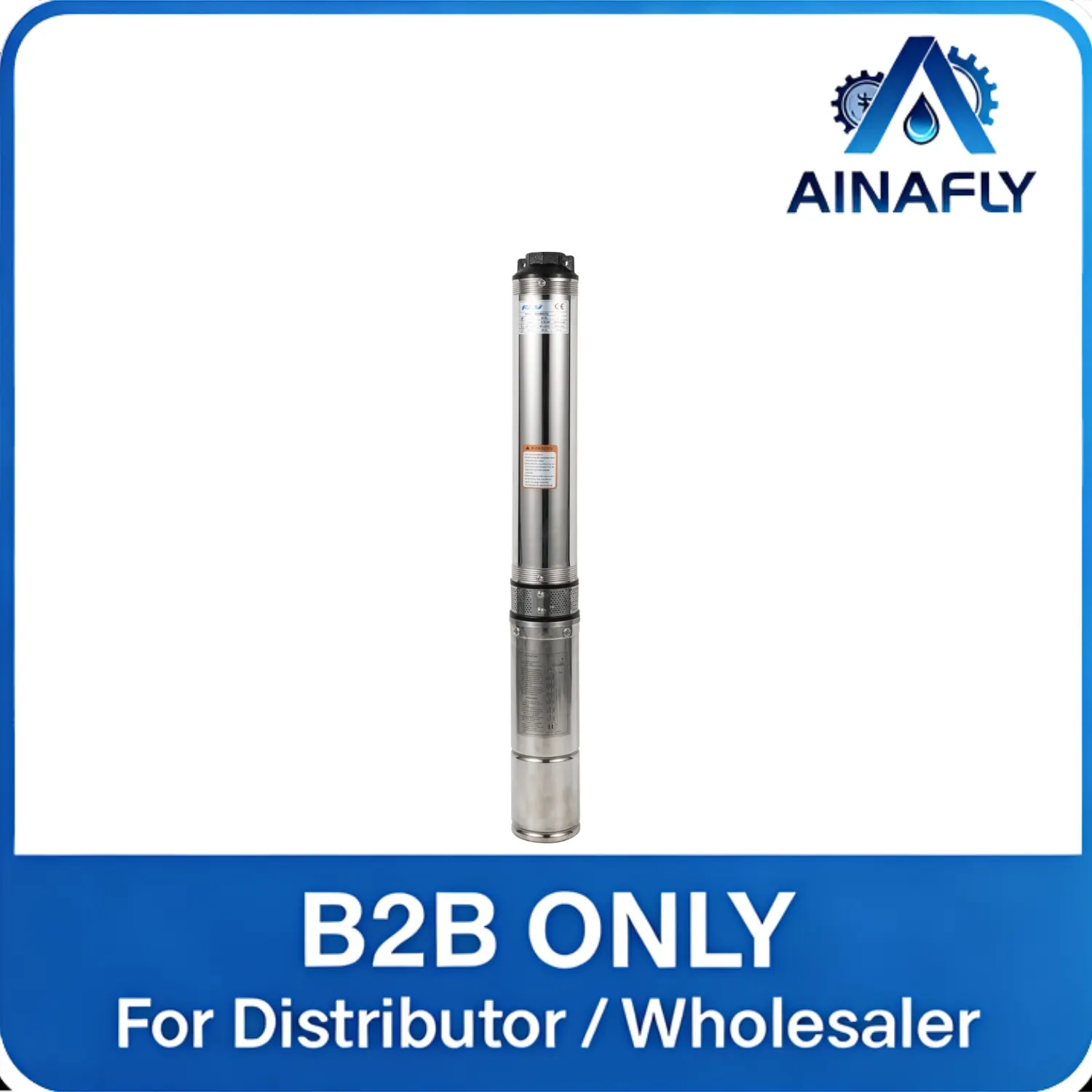
Installing a submersible pump represents a significant investment in water management infrastructure for residential, commercial, and industrial applications. Understanding the essential considerations before installation ensures optimal performance, longevity, and cost-effectiveness of your submersible pump system. Proper planning addresses critical factors including site assessment, pump sizing, electrical requirements, and maintenance protocols that directly impact system reliability and operational efficiency.
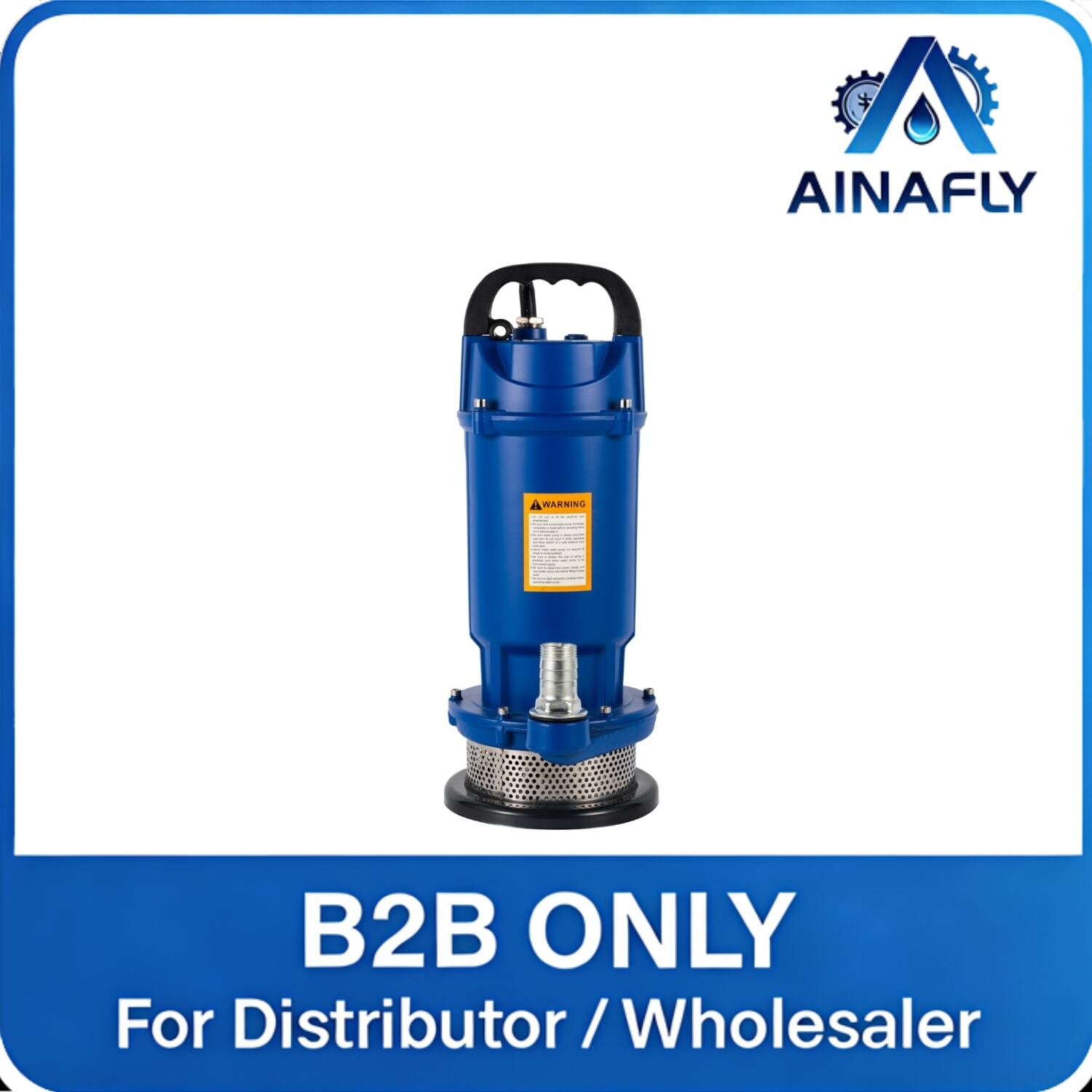
Understanding Submersible Pump Applications and Types
Residential Water System Applications
Submersible pump installations in residential settings typically serve well water extraction, drainage systems, and irrigation networks. These applications require careful consideration of household water demand, peak usage periods, and pressure requirements throughout the distribution system. Residential submersible pump systems must accommodate varying flow rates while maintaining consistent pressure across multiple fixtures and appliances.
The selection process involves evaluating total dynamic head calculations, which include static lift, friction losses through piping, and pressure requirements at the point of use. Proper sizing ensures the submersible pump operates within its efficiency curve while meeting household water demands without excessive cycling or premature wear.
Commercial and Industrial Applications
Commercial installations demand robust submersible pump systems capable of handling higher flow rates, continuous operation, and specialized fluid characteristics. Industrial applications may involve pumping corrosive liquids, high-temperature fluids, or materials containing suspended solids that require specialized impeller designs and housing materials.
These environments necessitate comprehensive system analysis including redundancy planning, monitoring capabilities, and maintenance accessibility. The submersible pump configuration must integrate with existing control systems while providing reliable performance under demanding operational conditions.
Site Assessment and Preparation Requirements
Well Characteristics and Geological Considerations
Thorough well assessment forms the foundation of successful submersible pump installation. Well diameter, depth, static water level, and drawdown characteristics directly influence pump selection and installation methodology. Geological formations affect water quality, pumping rates, and long-term system performance requiring detailed analysis before equipment selection.
Water quality testing reveals chemical composition, pH levels, and contaminant presence that may necessitate specialized materials or protective measures. Corrosive environments require stainless steel or specialized coatings to prevent premature failure, while high sand content demands consideration of wear-resistant components and settling systems.
Electrical Infrastructure and Power Requirements
Electrical system evaluation ensures adequate power supply capacity, proper grounding, and safety compliance for submersible pump operation. Motor specifications determine voltage requirements, starting current demands, and protection device sizing that must align with available electrical infrastructure.
Installation locations often require electrical upgrades including dedicated circuits, appropriate disconnect switches, and motor protection devices. The submersible pump motor cable must be sized for voltage drop considerations over the installation depth while meeting environmental exposure requirements.
Pump Sizing and Performance Calculations
Flow Rate Determination Methods
Accurate flow rate calculations consider peak demand scenarios, simultaneous usage patterns, and future expansion requirements. Residential calculations typically involve fixture unit methods or detailed usage analysis, while commercial applications require process-specific flow rate determinations based on operational requirements.
The selected submersible pump must provide adequate flow rates while operating within manufacturer efficiency specifications. Oversizing results in excessive cycling and reduced lifespan, while undersizing creates inadequate system performance and user dissatisfaction.
Head Calculations and System Analysis
Total dynamic head calculations encompass static lift from pumping level to discharge point, friction losses through piping systems, and required pressure at points of use. Pipe sizing, length, fittings, and elevation changes contribute to friction losses that must be accurately calculated for proper submersible pump selection.
System curves demonstrate the relationship between flow rate and head requirements, enabling optimization of pump selection for maximum efficiency. Operating point analysis ensures the submersible pump functions within its preferred operating range while meeting system demands across varying conditions.
Installation Planning and Safety Considerations
Equipment and Tools Requirements
Proper installation requires specialized equipment including appropriate lifting devices, torque wrenches, cable splicing materials, and safety equipment. The submersible pump weight and installation depth determine lifting equipment specifications and safety protocols necessary for safe handling during installation procedures.
Installation tools must accommodate well dimensions, pipe connections, and electrical terminations while ensuring worker safety throughout the installation process. Confined space procedures may apply depending on installation configuration and access requirements.
Safety Protocols and Regulatory Compliance
Installation safety encompasses electrical safety protocols, confined space procedures, and equipment handling guidelines that protect personnel and equipment during installation activities. Local codes and regulations specify requirements for electrical connections, grounding systems, and installation methods that ensure compliance and safety.
Permit requirements vary by location and application type, often requiring professional engineering review and inspection procedures. The submersible pump installation must meet local building codes, electrical standards, and environmental regulations specific to the installation location and application.
Electrical Connections and Control Systems
Motor Cable Installation and Protection
Motor cable selection considers voltage requirements, current carrying capacity, and environmental protection necessary for reliable submersible pump operation. Cable sizing calculations account for voltage drop over installation depth while providing adequate ampacity for motor starting and running currents.
Cable protection systems prevent damage during installation and operation while maintaining electrical integrity throughout the system lifespan. Proper cable management techniques ensure reliable connections and facilitate future maintenance activities.
Control Panel Configuration and Integration
Control systems coordinate submersible pump operation with system demands while providing protection against adverse operating conditions. Pressure switches, motor starters, and monitoring devices integrate to provide automatic operation and system protection throughout varying operating conditions.
Advanced control systems may incorporate variable frequency drives, remote monitoring capabilities, and diagnostic functions that optimize submersible pump performance while reducing energy consumption and maintenance requirements.
Maintenance Planning and System Monitoring
Preventive Maintenance Schedules
Establishing comprehensive maintenance schedules extends submersible pump lifespan while ensuring reliable system performance. Regular monitoring of operating parameters including flow rates, pressure levels, and electrical consumption identifies potential issues before system failure occurs.
Maintenance procedures encompass electrical connection inspection, control system testing, and performance verification that maintain system reliability. Documentation of maintenance activities provides valuable information for troubleshooting and system optimization throughout the operational lifespan.
Performance Monitoring and Troubleshooting
Continuous monitoring systems track submersible pump performance parameters enabling proactive maintenance and optimization. Trending analysis of operating data identifies gradual performance degradation allowing scheduled maintenance before critical failures occur.
Diagnostic capabilities built into modern control systems provide detailed information about submersible pump operation, electrical parameters, and system conditions. This information facilitates rapid troubleshooting and reduces downtime during maintenance activities.
Environmental Factors and Special Considerations
Water Quality Impact on Equipment Selection
Water chemistry significantly influences submersible pump material selection and system design requirements. Corrosive environments necessitate specialized materials and protective coatings that resist chemical attack while maintaining structural integrity throughout the operational lifespan.
Suspended solids content affects impeller design, clearance specifications, and wear characteristics requiring careful evaluation during equipment selection. The submersible pump must accommodate water quality conditions while providing reliable service and acceptable maintenance intervals.
Climate and Environmental Protection
Environmental conditions including temperature extremes, flooding potential, and seismic activity influence installation design and equipment protection requirements. Cold climate installations require freeze protection measures while hot climates may necessitate cooling considerations for electrical components.
Environmental protection systems safeguard control equipment and electrical connections from moisture, temperature fluctuations, and physical damage. The submersible pump installation must withstand local environmental conditions while maintaining safe and reliable operation throughout varying weather conditions.
FAQ
What factors determine the correct submersible pump size for my application
Submersible pump sizing depends on required flow rate, total dynamic head, and operating conditions specific to your application. Flow rate calculations consider peak demand, simultaneous usage, and future expansion needs. Head calculations include static lift, friction losses, and pressure requirements. Professional evaluation ensures optimal pump selection for efficiency and longevity.
How deep can a submersible pump be installed safely
Installation depth limitations depend on pump design, motor specifications, and cable requirements. Most residential submersible pump systems operate effectively up to 300 feet depth, while specialized units handle greater depths. Electrical cable voltage drop calculations and motor cooling requirements influence maximum installation depths for specific applications.
What electrical requirements must be considered for submersible pump installation
Electrical requirements include adequate power supply capacity, proper motor protection, and appropriate cable sizing for installation depth. Voltage drop calculations ensure adequate motor voltage while ampacity requirements accommodate starting currents. Grounding systems and disconnect switches must comply with local electrical codes for safe operation.
How often should submersible pump systems undergo maintenance inspections
Maintenance frequency varies based on operating conditions, water quality, and system demands. Residential submersible pump systems typically require annual inspection of electrical connections and performance parameters. Commercial installations may need quarterly monitoring while continuous operation systems benefit from monthly performance checks and trending analysis of operating parameters.
Table of Contents
- Understanding Submersible Pump Applications and Types
- Site Assessment and Preparation Requirements
- Pump Sizing and Performance Calculations
- Installation Planning and Safety Considerations
- Electrical Connections and Control Systems
- Maintenance Planning and System Monitoring
- Environmental Factors and Special Considerations
- FAQ