 EN


Domestic booster pumps are essential for maintaining adequate water pressure throughout residential plumbing systems, but their operational noise can become a significant source of household disruption. Understanding the noise reduction solutions available for a booster pump helps homeowners and property managers create quieter, more comfortable living environments. The noise generated by a booster pump typically ranges from 60 to 85 decibels, which can disrupt daily activities, disturb sleep, and create long-term stress. Fortunately, multiple proven strategies exist to significantly reduce booster pump noise while maintaining optimal water pressure performance and system reliability.
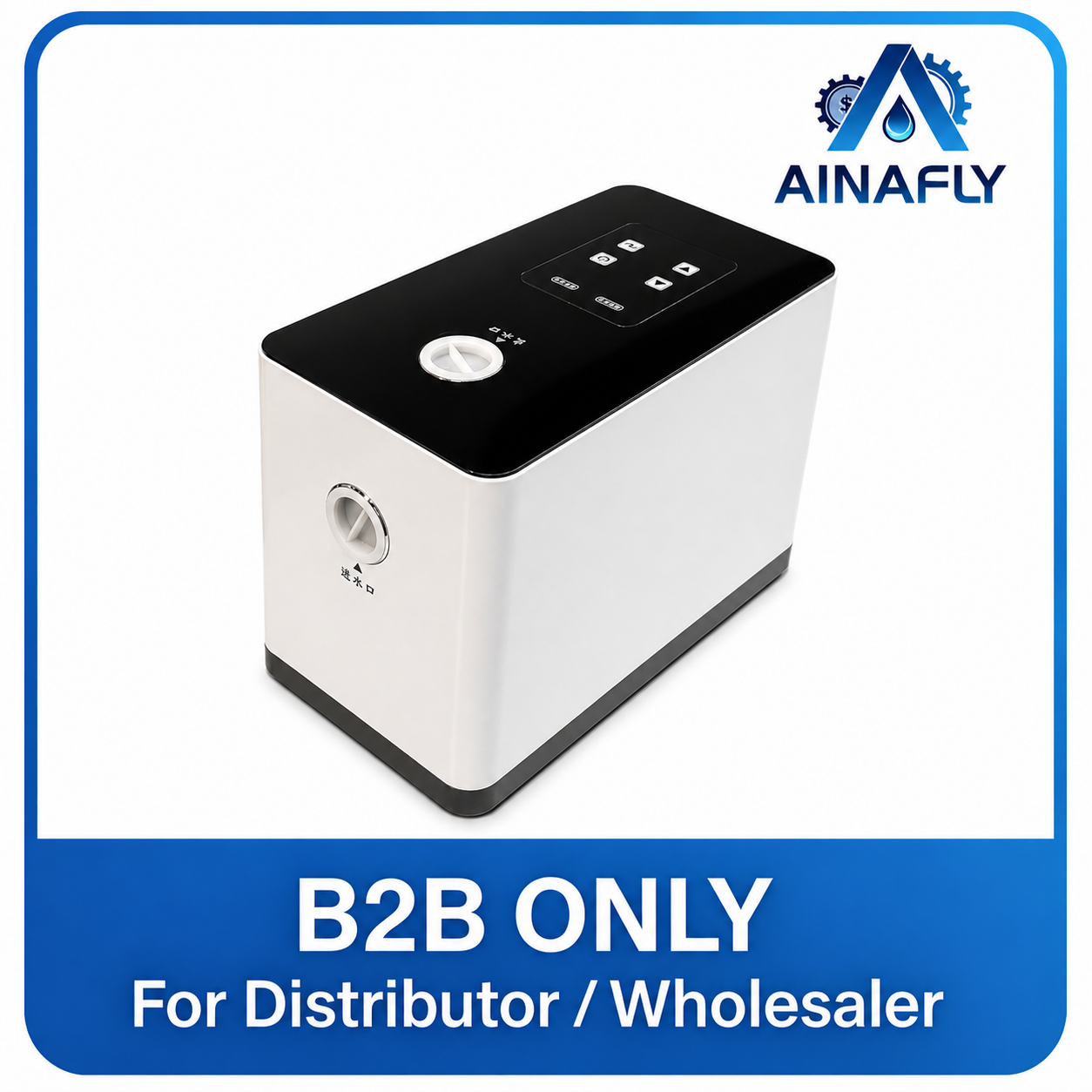
Addressing booster pump noise requires a comprehensive approach that combines equipment selection, installation practices, and environmental modifications. A quality booster pump with advanced noise-dampening technology can reduce operational sound by 10 to 20 decibels compared to conventional models. This article explores the most effective noise reduction solutions for a booster pump, including vibration isolation mounting systems, acoustic enclosures, strategic plumbing modifications, and the selection of inherently quieter booster pump models designed for residential applications.
Vibration Isolation and Mounting Solutions
Rubber and Spring-Based Isolation Mounts
Vibration transmission through mounting points is a primary source of noise amplification in booster pump installations. Installing a booster pump on vibration isolation mounts—typically made from natural rubber, synthetic elastomers, or spring mechanisms—can reduce noise transmission by 30 to 50 percent. These isolation mounts absorb and dampen the mechanical vibrations generated during pump operation before they transfer to the surrounding structure, walls, and piping. The effectiveness of isolation mounts depends on proper load calculation, correct mounting height, and ensuring the booster pump remains stable and level during all operational conditions.
Anti-Vibration Pads and Flooring
Placement of a booster pump on specialized anti-vibration pads constructed from high-density foam, neoprene, or composite materials further reduces structure-borne noise transmission. These pads decouple the booster pump from the floor or mounting surface, preventing vibrations from radiating through the building structure. For maximum effectiveness, a booster pump should be installed on a dedicated concrete pad elevated above the floor level, combined with flexible piping connections that prevent rigid pipe transmission of vibration and noise. This dual-layer approach—isolation mounts plus anti-vibration flooring—creates a comprehensive vibration control system that significantly diminishes the audible noise generated by booster pump operation.
Acoustic Enclosures and Sound Barriers
Pump Enclosure Design and Materials
Surrounding a booster pump with a custom acoustic enclosure or soundproof cabinet can reduce noise output by 20 to 40 decibels, depending on enclosure construction and material selection. Effective enclosures for a booster pump use sound-absorbing materials such as melamine foam, mineral wool, or fiberglass blankets combined with mass-loaded vinyl barriers that reflect and absorb sound waves. The enclosure must maintain adequate ventilation to prevent motor overheating while incorporating access panels for maintenance and service. When properly designed, a booster pump enclosure maintains equipment accessibility while creating a significant acoustic barrier that keeps operational noise contained and prevents sound from propagating throughout the residence.
Partial Barriers and Strategic Placement
In cases where a full enclosure is impractical, installing partial sound barriers or positioning a booster pump in isolated mechanical rooms provides meaningful noise reduction. Sound-absorbing panels placed around three sides of a booster pump installation can reduce noise by 10 to 25 decibels, particularly if the pump room has been treated with acoustic materials. Strategic placement away from bedrooms, living areas, and common spaces naturally reduces the perceptual impact of booster pump noise. Additionally, installing the booster pump in a dedicated utility room with sealed doors and acoustic door seals prevents noise from traveling throughout the home while maintaining the functionality and pressure regulation that the booster pump provides.
Equipment Selection and System Optimization
Low-Noise Booster Pump Models
Modern variable-frequency drive (VFD) booster pump units operate significantly more quietly than fixed-speed models because they adjust motor speed based on actual demand requirements. A VFD-equipped booster pump typically generates 55 to 70 decibels, compared to 75 to 85 decibels for traditional fixed-speed designs. Permanent magnet motor technology and optimized impeller designs further reduce turbulence and mechanical noise in contemporary booster pump products. Selecting a low-noise booster pump during initial installation eliminates noise problems before they develop, making this the most cost-effective long-term solution. Investing in a quiet booster pump with advanced motor technology and precision engineering provides both improved reliability and a substantially quieter household water pressure system.
Piping Modifications and Flexible Connections
The piping system connected to a booster pump can amplify and transmit operational noise if rigid connections are used. Replacing rigid copper or steel connections with flexible, vibration-absorbing hoses near the booster pump discharge and suction points significantly reduces noise transmission through the plumbing system. Pipe clamps with rubber isolators prevent pipes from vibrating against wall framing and radiating sound throughout the building. Properly sized piping—avoiding excessive velocity that creates turbulent flow noise—ensures that a booster pump operates efficiently and quietly. Adding expansion tanks near the booster pump absorbs pressure fluctuations that otherwise create noise, providing dual benefits of noise reduction and system protection.
FAQ
What decibel level should a quiet booster pump achieve?
A modern, well-maintained booster pump operating with noise reduction solutions should produce 55 to 70 decibels, compared to 75 to 85 decibels for conventional models. For context, 60 decibels approximates normal conversation, while 70 decibels resembles a washing machine operation. Variable-frequency booster pump models with permanent magnet motors naturally operate at lower decibel levels, and when combined with vibration isolation and acoustic enclosures, achieve even quieter performance suitable for residential environments.
Can existing booster pump noise be reduced after installation?
Yes, retrofitting an existing booster pump installation with vibration isolation mounts, flexible piping connections, acoustic panels, and sound-absorbing enclosures can reduce operational noise by 20 to 50 decibels. Upgrading to a variable-frequency booster pump with low-noise motor technology represents the most significant potential improvement for an already-installed system. The cost-effectiveness of retrofit solutions depends on current noise levels, existing installation quality, and the specific components being upgraded or modified.
How does booster pump placement affect household noise levels?
Locating a booster pump in a basement, utility closet, or exterior mechanical room dramatically reduces the audible impact of operational noise in living spaces compared to installation near bedrooms or common areas. The distance between a booster pump and occupied zones acts as a natural sound attenuator, with every doubling of distance reducing sound perception by approximately 6 decibels. Combined with acoustic treatment and isolation mounts, strategic booster pump placement creates a multi-layered noise control strategy that effectively minimizes household disturbance while ensuring reliable water pressure throughout the residence.