 EN
EN

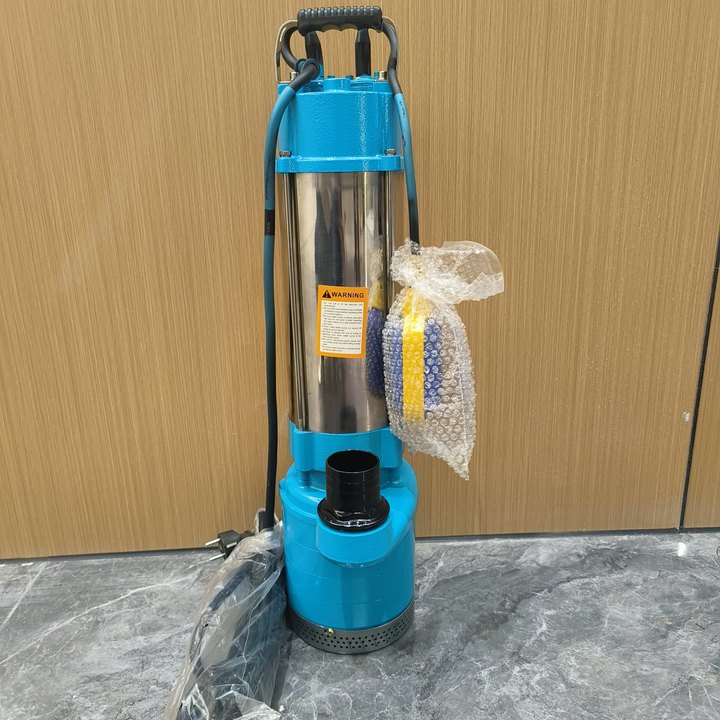
When industrial operations demand reliable high-pressure fluid transfer, the choice between a multistage pump and a single-stage unit becomes critical to system performance and long-term operational costs. A multistage pump is engineered specifically to handle elevated pressure requirements that would overwhelm single-stage alternatives, making it the superior choice for demanding applications across mining, oil and gas, chemical processing, and water treatment industries. Understanding why a multistage pump delivers better results requires examining how pressure accumulation, efficiency, and component longevity combine to create a fundamentally different operating profile.
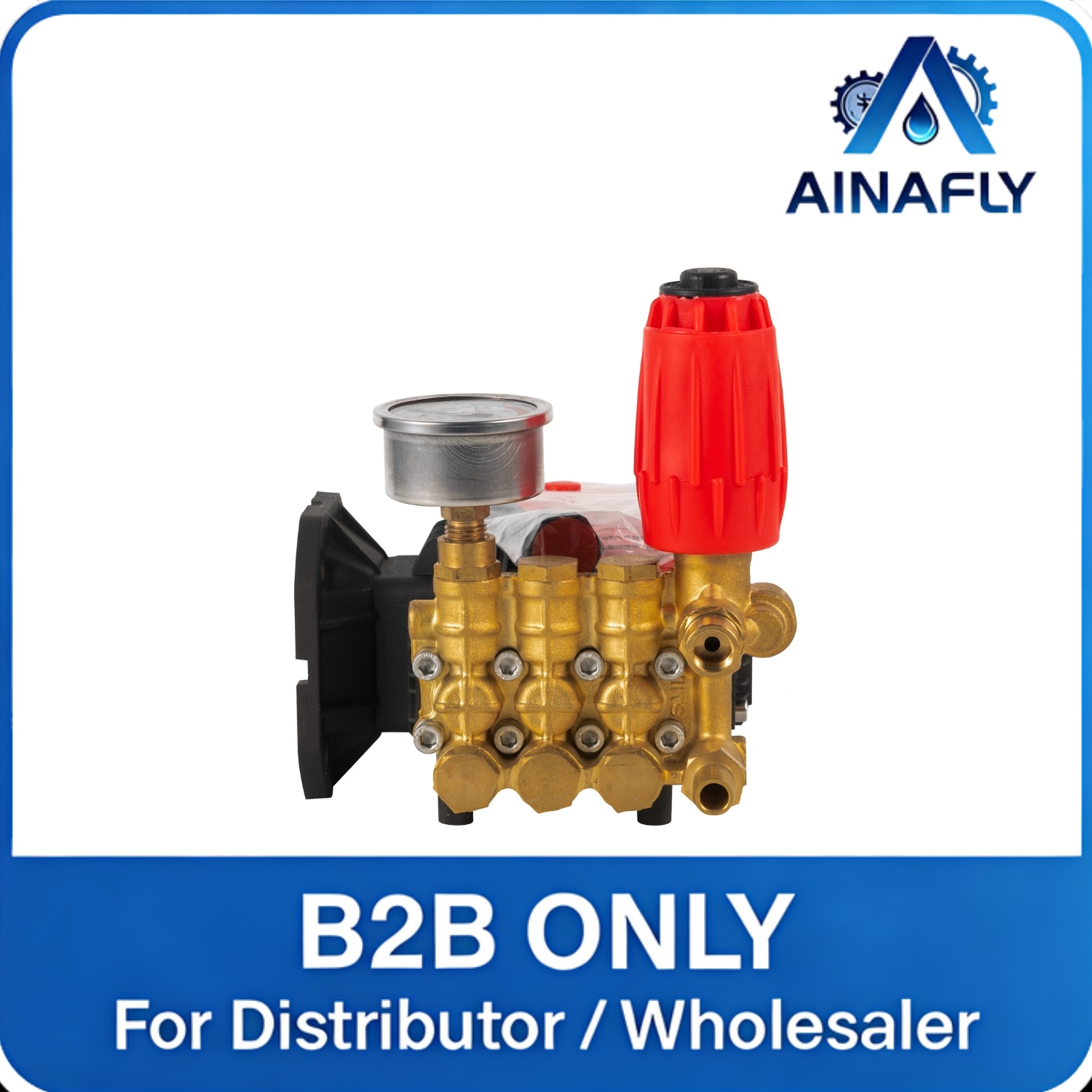
The fundamental advantage of a multistage pump lies in its design architecture, which uses multiple impeller stages arranged in series to progressively increase pressure on the fluid being transported. Each stage within a multistage pump adds incremental pressure boost, allowing the total discharge pressure to reach levels that a single-stage pump cannot achieve without risking mechanical failure or severe inefficiency. This design principle makes a multistage pump the natural choice when system requirements exceed the pressure rating of conventional single-stage equipment.
Pressure Development and Performance Advantages
Understanding Multistage Pump Pressure Capacity
A multistage pump generates pressure through sequential impeller action, where each impeller stage contributes measurable pressure increase. Single-stage pumps rely on a single impeller rotating at operational speed, limiting the maximum pressure they can develop before cavitation, seal degradation, and mechanical wear accelerate component failure. A multistage pump distributes the pressure-building workload across multiple stages, reducing stress on individual components and enabling sustained operation at pressures ranging from 500 to 3,000 PSI or higher, depending on stage count and design specifications. This capability directly addresses high-pressure applications that would damage or quickly exhaust single-stage equipment.
Why Pressure Distribution Matters in Industrial Settings
Industrial systems transporting viscous fluids, injecting chemicals at precise pressures, or moving liquids across significant distances require a multistage pump to manage cumulative system resistance without sacrificing flow rate. When a single-stage pump attempts these tasks, the motor must compensate through increased rotational speed or horsepower, generating heat, cavitation, and accelerated wear that shortens equipment lifespan. A multistage pump handles the same duty at lower rotational speeds and reduced stress levels, preserving seal integrity, bearing life, and impeller surfaces. This translates to lower maintenance frequency, reduced unplanned downtime, and significantly lower total cost of ownership compared to replacing failing single-stage units.
Efficiency and Operational Cost Implications
Energy Consumption Reduction with Multistage Design
Operating a multistage pump at design conditions produces superior energy efficiency compared to oversizing a single-stage unit to meet pressure requirements. When a single-stage pump must generate high pressure, the motor works against increased fluid resistance, consuming considerably more electrical energy for marginal flow output. A multistage pump distributes this resistance across multiple stages, allowing the motor to operate closer to its optimal efficiency curve and reduce electrical consumption by 15 to 30 percent in typical high-pressure applications. For facilities running pumps continuously or on demanding schedules, this efficiency advantage translates to measurable reductions in utility costs and carbon footprint over equipment operating life.
Reliability and Extended Component Lifespan
The superior design of a multistage pump directly extends the operational lifespan of seals, bearings, and impeller components by distributing hydraulic and mechanical stresses more evenly than single-stage alternatives. Single-stage units pushed to high-pressure limits experience rapid seal degradation, bearing preload increases, and impeller cavitation erosion that necessitate replacement intervals measured in hundreds of operating hours. A multistage pump running at equivalent discharge pressure experiences substantially lower component stress, supporting operating intervals of thousands of hours between overhaul cycles. This reliability advantage justifies the higher initial investment in multistage equipment, as replacement and maintenance costs for single-stage alternatives often exceed the equipment purchase price within two to three years of intensive service.
Application Scenarios Where Multistage Pumps Excel
High-Pressure Fluid Transfer Across Industrial Sectors
Oil and gas operations rely on multistage pump designs to inject water or chemical agents into underground formations at pressures exceeding 2,000 PSI, where single-stage equipment would fail catastrophically or require dangerous speed increases. Mining operations use multistage pumps to dewater deep pit workings against significant hydrostatic pressure, maintaining consistent discharge rates that single-stage units cannot sustain. Chemical processing facilities employ multistage pump technology to meter high-viscosity liquids or hazardous substances at precise pressures without generating excessive heat or risking seal failure. Water treatment plants utilize multistage design for reverse osmosis systems requiring 400 to 1,200 PSI membrane pressure, where single-stage alternatives would require impractically large and inefficient motors.
System Design Integration and Performance Predictability
Engineers selecting a multistage pump benefit from predictable performance curves and established design practices that guarantee consistent operation across varying load conditions. A multistage pump maintains relatively flat efficiency across a range of operating points, whereas single-stage units become increasingly inefficient as discharge pressure increases. This predictability simplifies system design, allows accurate energy consumption forecasting, and reduces the risk of equipment undersizing or oversizing errors. When system requirements demand pressures above 300 PSI or fluid viscosities exceed 100 centistokes, a multistage pump emerges as the only practical choice that avoids catastrophic failure modes, excessive operating costs, or reduced component reliability.
FAQ
How much more expensive is a multistage pump compared to single-stage equipment?
A multistage pump typically costs 40 to 80 percent more than a single-stage unit of equivalent displacement, but the increased initial investment returns through lower maintenance costs, reduced energy consumption, and extended operating intervals. Over a five-year operating period, most industrial applications find that a multistage pump delivers lower total cost of ownership despite the higher purchase price, particularly in high-pressure or continuous-duty applications where single-stage equipment experiences frequent failure or replacement.
Can a multistage pump operate at lower pressures without damage?
Yes, a multistage pump designed for high-pressure service will operate safely at reduced discharge pressures, though efficiency typically decreases when the pump operates well below its design point. Operating a multistage pump at pressures below 30 percent of its rated capacity may require bearing or seal adjustments to maintain proper performance, but the equipment will not suffer damage from moderate pressure reductions in normal industrial duty.
What maintenance does a multistage pump require versus single-stage alternatives?
A multistage pump generally requires less frequent maintenance than single-stage equipment operating at equivalent discharge pressures, as the distributed pressure design reduces component stress and seal wear rates. Both pump types require regular seal inspections, bearing lubrication checks, and impeller fouling assessments, but a well-maintained multistage pump extends service intervals by 50 to 100 percent compared to single-stage units subjected to continuous high-pressure duty.