 EN
EN

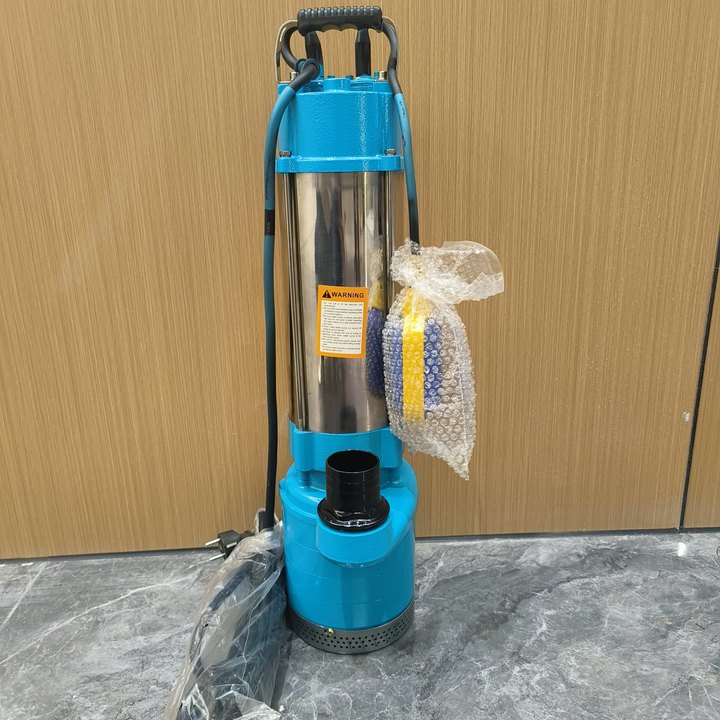
Understanding the design principles behind efficient multistage pumps is essential for industrial professionals seeking reliable fluid transfer solutions. A multistage pump uses multiple impeller stages arranged sequentially to generate higher discharge pressures and overcome significant elevation changes or system resistance. Unlike single-stage pumps that rely on one impeller, a multistage pump combines the pressure contributions from each stage, making it ideal for deep well applications, booster systems, and long-distance fluid distribution. The efficiency of a multistage pump depends on careful engineering choices that balance flow rate, pressure delivery, energy consumption, and operational durability across all stages.
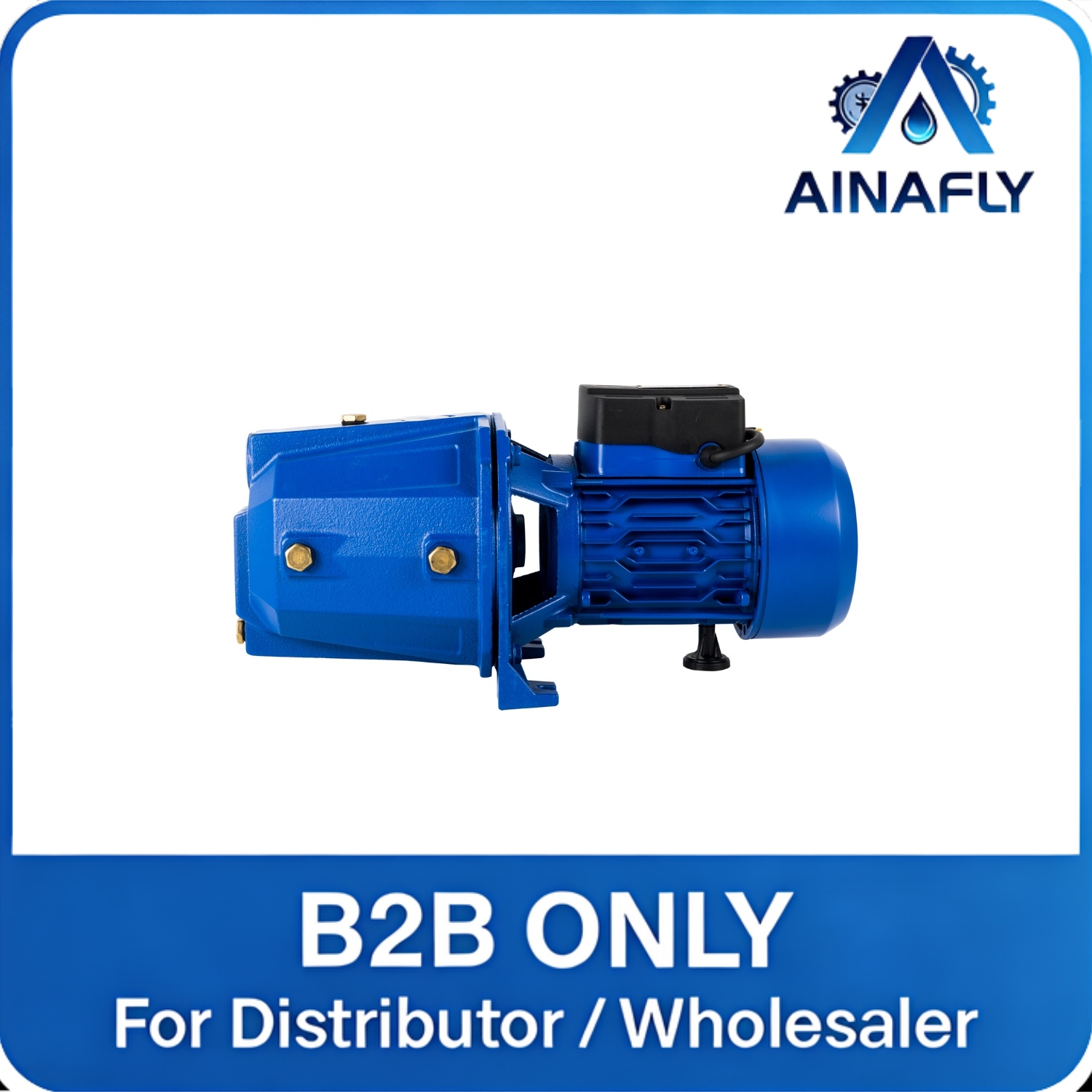
The architecture of a multistage pump reflects decades of fluid mechanics research and industrial performance feedback. Each stage within the multistage pump performs identical pressure-lifting work, and when stacked together, these stages produce cumulative pressure rise necessary for demanding applications. Modern multistage pump technology emphasizes hydraulic optimization, structural integrity, and thermal management to ensure consistent performance across variable operating conditions. Engineers designing a multistage pump must consider impeller shape, flow path geometry, seal reliability, and material selection to achieve both immediate performance goals and long-term operational economy.
Impeller Design and Stage Configuration
Sequential Impeller Arrangement
The foundation of an efficient multistage pump lies in how impellers are arranged and optimized within the pump housing. Each impeller in a multistage pump is engineered to receive partially pressurized fluid from the previous stage and accelerate it further using centrifugal force. The blade geometry of each impeller influences both the pressure rise and the fluid velocity at the impeller outlet. Modern multistage pump designs employ computational fluid dynamics to refine impeller profiles, reducing turbulence and recirculation losses that would otherwise decrease overall efficiency. The number of stages in a multistage pump is determined by the required total head and the desired efficiency curve, with more stages providing higher pressure at the cost of increased complexity and heat generation.
Pressure Staging Logic
Each stage in a multistage pump contributes roughly equal pressure increments, though this can be adjusted based on system requirements. An improperly balanced multistage pump may experience excessive vibration or cavitation in early stages while later stages remain underutilized. Designers of a multistage pump calculate the individual stage head such that each impeller operates near its best efficiency point across the intended operating range. This principle ensures that a multistage pump delivers stable performance without premature component wear or unexpected pressure spikes. The serial arrangement means that fluid flows continuously through diffusers between stages, where kinetic energy from one impeller's outlet converts back into pressure before entering the next impeller inlet.
Flow Path Optimization and Energy Management
Diffuser and Return Channel Design
Between each pair of impellers in a multistage pump sits a diffuser, a critical component that converts the high-velocity fluid exiting one impeller into higher-pressure, lower-velocity fluid entering the next stage. The efficiency of a multistage pump is directly influenced by diffuser geometry, blade spacing, and flow angles within these channels. Poorly designed diffusers cause excessive turbulence and energy loss, reducing the overall efficiency of the multistage pump and generating unwanted heat. Modern multistage pump designs feature carefully contoured diffusers with optimized blade curvature to minimize separation and maximize pressure recovery. The return channel that directs flow back to the next impeller inlet also affects a multistage pump's performance by maintaining consistent inlet conditions and preventing cavitation.
Velocity and Pressure Balance
Maintaining appropriate velocity profiles throughout a multistage pump prevents destructive shock losses and erosion at stage transitions. When fluid velocity changes too abruptly between stages, a multistage pump experiences localized energy dissipation and potential cavitation damage. Engineers designing a multistage pump specify smooth transitions and controlled flow expansion areas to keep velocity changes gradual. This attention to flow path continuity ensures that a multistage pump operates smoothly across its rated flow range and maintains consistent pressure delivery. Excessive velocity in any section of a multistage pump also increases wear on internal components, shortening service life and increasing maintenance costs.
Material Selection and Thermal Considerations
Component Material Choices
The materials used in a multistage pump must withstand repeated pressure cycling, potential cavitation erosion, and chemical attack from the pumped fluid. Cast iron remains common for multistage pump housings due to its castability and cost-effectiveness, while bronze and stainless steel impellers offer superior corrosion resistance in demanding environments. A multistage pump designed for seawater or chemical transport requires materials that prevent galvanic corrosion and chemical degradation. High-strength alloys used in modern multistage pump construction improve durability without significantly increasing weight or cost. The seal materials in a multistage pump must also withstand higher pressures and temperature rises compared to single-stage designs.
Heat Generation and Thermal Management
Friction losses within a multistage pump convert mechanical energy into heat, raising fluid temperature as it passes through successive stages. An inefficient multistage pump can experience temperature rises of ten to twenty degrees Celsius, potentially affecting fluid properties and seal performance. Design engineers minimize heat generation in a multistage pump through optimized clearance tolerances, friction-reducing surface treatments, and selection of low-friction materials. Some multistage pump applications require external cooling jackets or specific operating procedures to prevent fluid degradation. The cumulative effect of thermal stress on a multistage pump's internal components influences its expected service interval and replacement timeline.
Reliability Features and Operational Stability
Vibration Control and Rotor Dynamics
A multistage pump with misaligned stages or unbalanced rotors generates excessive vibration that accelerates bearing wear and shaft fatigue. Modern multistage pump design incorporates precise rotor balancing at each stage and rigorous alignment specifications to ensure smooth operation even at high speeds. The shaft within a multistage pump must be sized appropriately to handle cumulative bending moments from pressure forces while maintaining acceptable deflection limits. Vibration monitoring becomes increasingly important in large multistage pump installations where early detection of mechanical issues prevents catastrophic failure. Bearing selection for a multistage pump accounts for the combined radial and thrust loads generated across all stages simultaneously.
Cavitation Prevention and Inlet Requirements
Cavitation occurs when pressure within a multistage pump falls below the fluid's vapor pressure, creating vapor bubbles that collapse destructively and damage internal surfaces. A multistage pump designed to avoid cavitation requires positive inlet pressure, adequate inlet line sizing, and inlet check valves that prevent siphoning during shutdown. The first-stage inlet design of a multistage pump is particularly critical because it sets conditions for all subsequent stages. Modern multistage pump specifications include minimum inlet pressure requirements and recommendations for inlet tank design to ensure reliable operation. Cavitation damage to a multistage pump reduces efficiency, increases noise, and eventually compromises structural integrity.
FAQ
What makes a multistage pump more efficient than a single-stage pump?
A multistage pump achieves higher efficiency in high-head applications because each individual stage operates closer to its best efficiency point. Single-stage pumps serving the same high-head duty would operate far from optimal conditions, wasting energy. The modular approach of a multistage pump allows engineers to optimize impeller diameter, blade angles, and stage count independently, resulting in better overall energy conversion than forcing a single impeller to achieve the same total pressure.
How does the number of stages affect multistage pump performance?
The number of stages in a multistage pump directly determines the total pressure rise capability, with each stage contributing incrementally to the final discharge pressure. Adding stages to a multistage pump increases pressure capacity but also increases internal friction, heat generation, and system complexity. Design engineers balance these factors by specifying the minimum number of stages required for the application, optimizing both capital cost and operating efficiency. Oversizing a multistage pump with unnecessary stages reduces efficiency while undersizing it compromises performance and reliability.
What maintenance considerations apply to multistage pump systems?
Regular maintenance of a multistage pump includes monitoring discharge pressure, inlet pressure, fluid temperature, and vibration signatures to detect developing problems early. Seal inspection and replacement intervals are typically shorter for a multistage pump than for single-stage designs due to higher internal pressures and temperatures. Clearance checks between rotating and stationary components ensure that a multistage pump continues operating within design specifications. Fluid analysis and strainer inspection prevent contamination from damaging the tight tolerances within a multistage pump, extending service life and maintaining efficiency.