 EN
EN

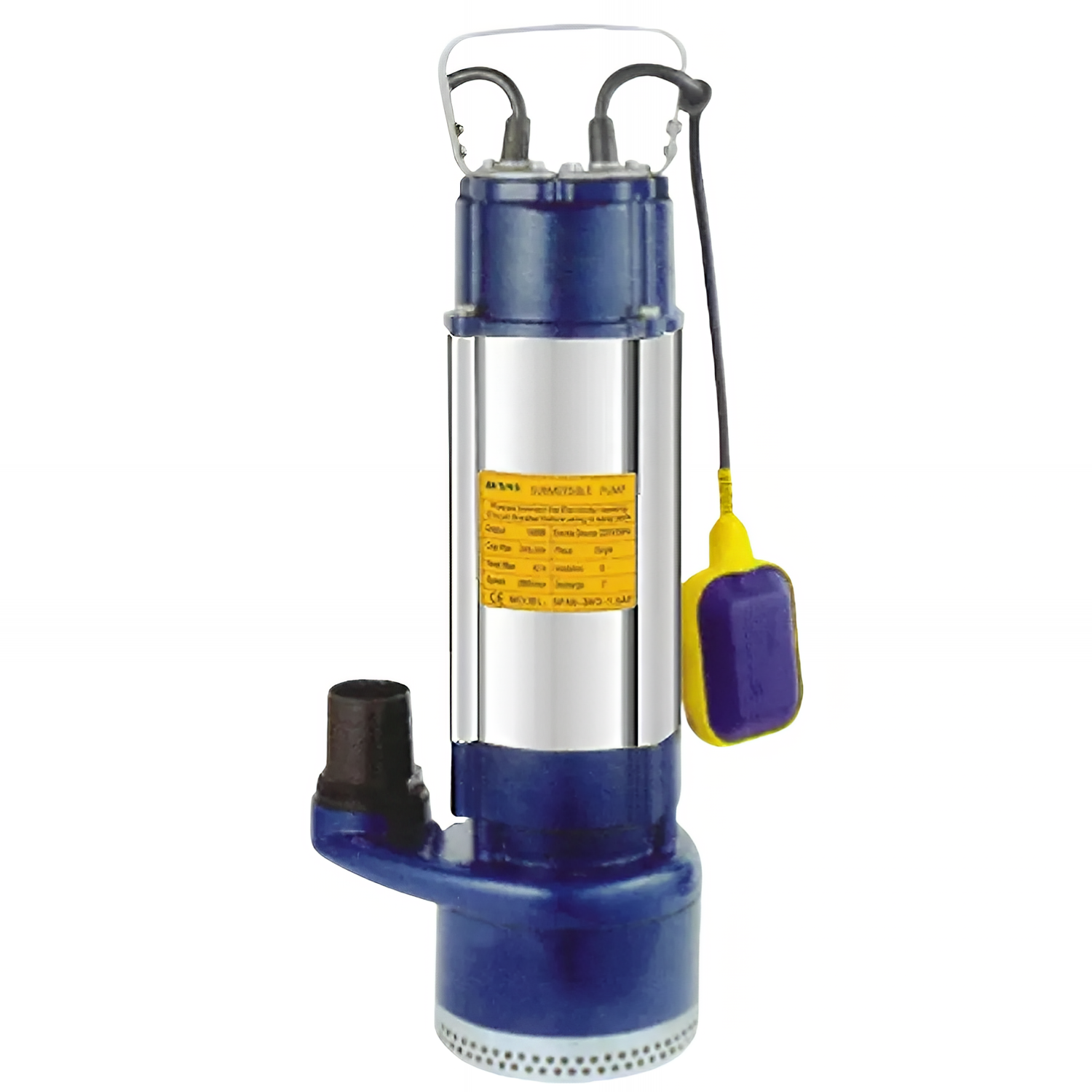
Cavitation represents one of the most damaging phenomena affecting multistage pump performance and longevity. When a multistage pump operates under conditions where pressure drops below the fluid's vapor pressure, bubbles form within the liquid. These vapor bubbles collapse violently when entering higher pressure zones, creating shock waves that erode pump impellers, seals, and bearing surfaces. Understanding how to prevent cavitation in your multistage pump is essential for maintaining operational efficiency, reducing maintenance costs, and extending equipment life. Industrial facilities relying on multistage pump systems for critical applications cannot afford unexpected downtime or performance degradation caused by cavitation damage.
A multistage pump uses multiple impeller stages arranged in series to generate higher discharge pressures than single-stage centrifugal pumps can achieve. Each stage adds pressure incrementally, making multistage pumps ideal for high-pressure applications in petrochemical processing, water distribution, and industrial cooling systems. However, this multi-stage design also introduces complexity in preventing cavitation issues. When operators fail to recognize early warning signs or neglect proper maintenance protocols for their multistage pump installation, cavitation can progress from minor erosion to catastrophic failure within weeks.
Understanding Cavitation in Multistage Pump Systems
How Cavitation Develops in a Multistage Pump
Cavitation occurs within a multistage pump when inlet pressure falls below the saturated vapor pressure of the pumped fluid. In the first stage of a multistage pump, the impeller's rotating blades create low-pressure zones that can trigger vapor bubble formation if inlet conditions are unfavorable. Unlike single-stage designs, a multistage pump compounds this risk because each successive stage relies on stable pressure conditions from the previous stage. If cavitation initiates in the first stage, it propagates through subsequent stages of the multistage pump, amplifying damage and reducing hydraulic efficiency. The violent collapse of vapor bubbles sends shock waves through the multistage pump's internal passages, pitting metallic surfaces and degrading performance metrics.
Why Multistage Pump Cavitation Matters in Industrial Applications
Industrial operators depend on multistage pump reliability for continuous process operation. Cavitation-induced damage in a multistage pump creates a cascading failure pattern: initial pitting weakens structural integrity, vibration increases, and bearing loads escalate until complete failure becomes imminent. The cost of emergency repairs on a disabled multistage pump often exceeds the investment in preventive maintenance by a factor of five or more. Beyond financial impact, cavitation damage to a multistage pump can compromise product quality, waste valuable pumped fluids, and trigger safety incidents in pressure-sensitive environments. Understanding cavitation mechanisms specific to multistage pump design is therefore a critical competency for maintenance teams and process engineers.
Key Factors That Trigger Cavitation in Multistage Pumps
Inlet Pressure and Suction Conditions for Multistage Pump Operation
Every multistage pump has a minimum inlet pressure requirement, often called the Net Positive Suction Head (NPSH) required value. When the actual inlet pressure drops below this threshold, a multistage pump enters a cavitation-prone state. Common causes include blockages in suction strainers, excessive suction line friction losses, elevated fluid temperature reducing vapor pressure margin, or improper pump elevation relative to the fluid reservoir. To protect a multistage pump from cavitation triggered by poor inlet conditions, verify that atmospheric or supply pressure at the pump inlet exceeds the NPSH requirement by an adequate safety margin. Industrial best practice dictates maintaining inlet pressure at least 10–15% above the minimum NPSH requirement for any multistage pump installation.
Temperature Effects on Multistage Pump Cavitation Risk
Elevated fluid temperature dramatically increases cavitation likelihood in a multistage pump. As temperature rises, the fluid's vapor pressure increases, narrowing the pressure margin available to prevent bubble formation. A multistage pump designed for cold water service may cavitate severely if repurposed for warm oil or hot industrial process fluids without thermal derating. Thermal cycling also stresses seals and bearing elements of a multistage pump, accelerating wear that compounds cavitation vulnerability. Operators must monitor bulk fluid temperature continuously and implement cooling strategies when temperatures approach design limits for the multistage pump. Installing thermocouples at the pump outlet and comparing readings to nameplate specifications helps identify thermal stress before cavitation initiates.
Practical Prevention Strategies for Multistage Pump Cavitation
Design and Installation Practices to Eliminate Multistage Pump Cavitation
Preventing cavitation in a multistage pump begins at the design and installation stage. Position the pump inlet below the fluid level whenever possible to maximize hydrostatic pressure at pump entry. Size suction piping to limit velocity to 0.6–1.2 meters per second, reducing friction losses that compromise inlet pressure available to the multistage pump. Specify suction strainers with adequate surface area so that clogging cannot restrict flow or create upstream backpressure. When selecting a multistage pump, confirm that the NPSH available at your site exceeds the manufacturer's NPSH required specification by the recommended margin. Isolate the suction line from vibration sources to avoid cavitation-inducing pressure fluctuations. These foundational practices protect a multistage pump from cavitation before operation even begins.
Operational Monitoring and Maintenance for Multistage Pump Health
Active monitoring is essential for early detection of cavitation in operating multistage pump systems. Establish baseline vibration signatures for your multistage pump under normal conditions, then compare periodic measurements to identify subtle degradation patterns that signal emerging cavitation. Acoustic monitoring devices can detect the characteristic crackling sound of collapsing vapor bubbles, alerting operators to cavitation onset before visible damage accumulates. Regularly inspect the multistage pump discharge pressure and flow rate; unexplained pressure loss often indicates cavitation-induced erosion reducing impeller efficiency. Implement a preventive maintenance schedule that includes disassembly inspection of a multistage pump's first and final stage impellers every 12–24 months of operation. Document erosion patterns observed during these inspections to correlate with operational changes that may have increased cavitation risk. Filter the pumped fluid regularly to remove debris that could block strainers and trigger inlet pressure loss in the multistage pump.
Fluid Management and System Optimization for Multistage Pump Protection
The fluid properties and system conditions directly influence cavitation behavior in any multistage pump. Maintain fluid viscosity within nameplate specifications; excessively thick fluids create higher suction line losses that reduce inlet pressure to the multistage pump. Degassing procedures remove dissolved air that can evolve into free bubbles at low pressure points within a multistage pump, mimicking or exacerbating cavitation effects. If your multistage pump handles volatile fluids like light hydrocarbons, consider pressurizing the supply reservoir slightly to raise inlet pressure and protect against cavitation. Install pressure gauges at multiple points along the suction and discharge lines to provide real-time visibility into the pressure profile affecting your multistage pump. Configure automatic alerts if inlet pressure falls below safe limits, enabling rapid corrective action before cavitation damage occurs. These fluid management practices create a stable operating envelope that minimizes cavitation risk for your multistage pump installation.
Recognizing and Responding to Cavitation Damage in Multistage Pumps
Warning Signs of Active Cavitation in Multistage Pump Equipment
Operators must recognize cavitation symptoms to intervene before extensive damage develops in a multistage pump. Unusual noise resembling grinding gravel or popcorn popping inside the multistage pump housing often signals active cavitation. Elevated vibration levels, measured either manually or through continuous monitoring systems, frequently accompany cavitation in a multistage pump. Unexplained efficiency loss, where discharge pressure or flow rate drops without corresponding inlet condition changes, suggests cavitation-induced impeller erosion within the multistage pump. Shaft seals leaking excessively may indicate cavitation damage to seal faces or bearing bores in the multistage pump structure. When any of these symptoms appear, immediately investigate inlet pressure and fluid conditions; if cavitation is confirmed, reduce the multistage pump flow rate or increase inlet pressure until abnormal signs cease.
Assessment and Recovery Options for Cavitation-Damaged Multistage Pumps
Once cavitation damage occurs in a multistage pump, assessment determines whether repair or replacement is economically justified. Visual inspection during disassembly reveals the extent of pitting on multistage pump impellers and housings. Minor surface erosion may not require immediate action if the multistage pump continues meeting performance specifications, but continued operation accelerates damage progression. Severe pitting that penetrates significantly into multistage pump impeller blade structure typically justifies replacement, as erosion exposes the pump to accelerated fatigue failure. Many operators establish damage threshold criteria before cavitation incidents occur, defining acceptable erosion levels for their multistage pump applications. Some industrial facilities stock spare impeller sets for critical multistage pump installations, enabling rapid restoration after cavitation events. Engaging the multistage pump manufacturer for guidance on remaining useful life and repair economics ensures that recovery decisions align with operational priorities and budget constraints.
FAQ
What is the primary cause of cavitation in a multistage pump?
Cavitation in a multistage pump occurs when inlet pressure falls below the fluid's vapor pressure, causing bubbles to form and subsequently collapse violently, creating shock waves that erode internal components. The most common cause is inadequate inlet pressure resulting from suction line restrictions, excessive height above the fluid source, or elevated fluid temperature that reduces the vapor pressure margin.
How can I verify that my multistage pump installation is protected against cavitation?
Compare your actual inlet pressure to the multistage pump manufacturer's NPSH required specification and ensure that available pressure exceeds the required value by at least 10–15%. Install pressure gauges at the pump inlet to monitor conditions continuously, maintain suction strainers to prevent blockages, and keep fluid temperature within design limits for your multistage pump system.
Can cavitation in a multistage pump be repaired without replacing the pump?
Minor cavitation erosion on a multistage pump's impellers and housings may be repaired by replacing damaged components, but severe pitting often necessitates full multistage pump replacement. Assess the extent of damage during disassembly; if erosion compromises structural integrity or exceeds acceptable performance thresholds, replacement typically proves more cost-effective than attempting repairs on the damaged multistage pump.