 EN
EN

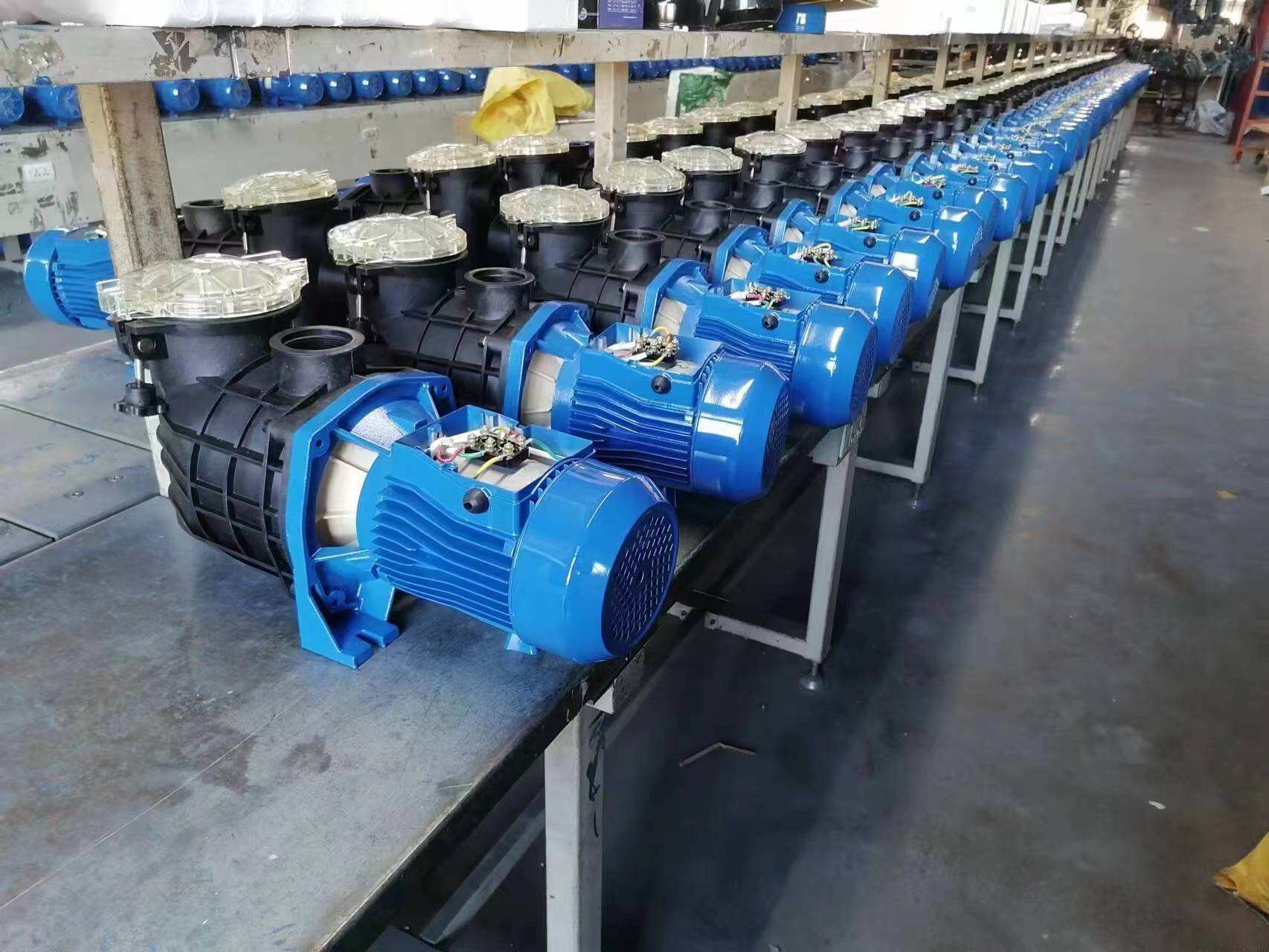
ရေကန်ပိုမ်းသည် သင့်ရေကန်၏ ရေစီးဆင်းမှုစနစ်၏ နှလုံးသားဖြစ်ပြီး ရေကန်ကို သန့်ရှင်းပါးလွင်စေရန်၊ ကျန်းမာရေးနေရာတွင် အောင်မြင်စေရန်နှင့် ရေကူးရန် သင့်တော်စေရန်အတွက် အရေးကြီးသော ရေစီးဆင်းမှုကို ဖန်တီးပေးပါသည်။ ယုံကုံစိတ်ချရသော ရေကန်ပိုမ်းမှ ရေစီးဆင်းမှုများ မရှိပါက အကောင်းဆုံးသော ရေများပင် မကြာခင်တွင် ရေစို့မှုများ ဖြစ်လာပြီး ရေကူးသူများအတွက် အန္တရာယ်ရှိလာမည်ဖြစ်သည်။ ပိုမ်းသည် ရေကန်မှ ရေကို စုပ်ယူပြီး စီမံထားသော ရေစီးဆင်းမှုစနစ်မှတစ်ဆင့် ရေကို ဖောက်ထွငေးပြီး သန့်စင်ပြီး ပြန်လည်ထည့်သွင်းပေးသည်။ သင့်ရေကန်ပိုမ်း၏ အလုပ်လုပ်ပုံကို နားလည်ခြင်းသည် ရေအရည်အသွေးကို အကောင်းမွန်ဆုံးဖြစ်စေရန်နှင့် နှစ်များစွာကြာမျှ ပျော်ရွှင်စွာ ရေကူးနိုင်ရန်အတွက် အရေးကြီးပါသည်။
ရေကန်ရေစီးဆင်းမှု၏ အခြေခံလုပ်ဆောင်မှု
ရေစီးဆင်းမှု အခြေအနေများနှင့် ပိုမ်း၏ လုပ်ဆောင်မှုများ
ရေကန်ပမ်ပ်၏ အဓိကလုပ်ဆောင်ချက်မှာ ရေကန်၏ စီးဆေးခြင်းစနစ်တွင် ရေကို အဆက်မပါသည့် စီးဆေးမှုဖြစ်စေရန် ဖန်တီးပေးခြင်းဖြစ်သည်။ ပမ်ပ်သည် အဓိကရေထုတ်ပေးသည့် ပိုက်လိုင်းများနှင့် ရေမှုန်စုပ်ယူသည့် ပိုက်လိုင်းများမှတစ်ဆင့် ရေကန်မှ ရေကို စုပ်ယူရန် စုပ်ယူမှုအားကို ဖန်တီးပေးပြီး စနစ်အတွင်းသို့ ရေကို ဆွဲဆောင်ရန် အနုတ်ဖိအားကို ဖန်တီးပေးသည်။ ထိုရေသည် ပမ်ပ်၏ အင်ပ်လာ (impeller) အတွင်းသို့ ဝင်ရောက်ပြီး အင်ပ်လာသည် အမြန်နှုန်းဖြင့် လှည့်ပတ်ကာ လိုအပ်သည့် ဖိအားခြားနားမှုကို ဖန်တီးပေးသည်။ အင်ပ်လာ၏ လှည့်ပတ်မှုမှ ဖန်တီးသည့် အလေးချိန်အား (centrifugal force) သည် ရေကို အပြင်ဘက်သို့ တွန်းပေးပြီး စီးဆေးခြင်းစနစ်အတွင်းသို့ လုံလောက်သည့် ဖိအားဖြင့် စီးဆေးခြင်းလုပ်ငန်းစဉ်တစ်ခုလုံးတွင် ဖိအားခြားနားမှုကို ကျော်လွှားနိုင်ရန် ရေကို တွန်းပေးသည်။
ခေတ်မှီရေကန်ပန်ပို့စက်များ၏ ဒီဇိုင်းများတွင် ရေစီးဆင်းမှုကို အများဆုံးဖော်ထုတ်ပေးရန်နှင့် စွမ်းအင်သုံးစွမ်းမှုကို အနည်းဆုံးဖော်ထုတ်ရန် တိကျစွာ အင်ဂျင်နီယာပြုလုပ်ထားသော အင်ပဲလာများကို ထည့်သွင်းအသုံးပြုထားပါသည်။ အင်ပဲလာ၏ ကွေးသော ဗေန်များကို ရေစီးဆင်းမှုကို ချောမွေ့စေရန်နှင့် ရှုပ်ထွေးမှုကို လျော့နည်းစေရန်၊ ထို့အတူ စွမ်းဆောင်ရည်ကို မြင့်တင်ရန်အတွက် အထူးပုံစံဖော်ထားပါသည်။ ရေသည် ပန်ပို့စက်၏ အိမ်အုပ်ထဲသို့ ဝင်ရောက်လာသည့်အခါ လှည့်နေသော အင်ပဲလာနှင့် တွေ့ကုန်ပါသည်။ ထိုအင်ပဲလာသည် ရေကို အများအားဖြင့် အပြင်ဘက်သို့ အရ быှိုက်စေပြီး ရေကို စစ်ထုတ်စက်များ၊ ရေအေးပေးစက်များနှင့် အခြားသော ပစ္စည်းများအတွင်းသို့ ဖော်ပေးရန်အတွက် လိုအပ်သော ဖိအားကို ဖန်တီးပေးပါသည်။ ထို့နောက် ရေသည် ပြန်လည်ထုတ်လွှတ်သော ရေစီးဆင်းမှုများမှတစ်ဆင့် ရေကန်ထဲသို့ ပြန်လည်ဝင်ရောက်လာပါသည်။
ရေစီးဆင်းမှုပုံစံများနှင့် ရေ၏ လှုပ်ရှားမှု
ရေကူးကန်ထိရောက်စွာလည်ပတ်ရန်အတွက် ရေကူးကန်တစ်ခုလုံး၏ ပမာဏတစ်လျှောက်တွင် အကောင်းဆုံးရေရွေ့လျားမှုပုံစံများကို ဖန်တီးရန်အတွက် စုပ်ယူမှုနှင့် ပြန်စီးဆင်းမှုအမှတ်များကို ဗျူဟာကျကျနေရာချထားရန် လိုအပ်ပါသည်။ ကောင်းမွန်စွာအလုပ်လုပ်သော ရေကူးကန်စုပ်စက်သည် ရေကူးကန်၏ထောင့်တိုင်းကိုရောက်ရှိသော လည်ပတ်မှုပုံစံများကို ထူထောင်ရန် ဗျူဟာကျကျနေရာချထားသော စကရင်မာများ၊ အဓိကရေဆင်းပိုက်များနှင့် ပြန်စီးဆင်းမှုဂျက်များနှင့် တွဲဖက်လုပ်ဆောင်သည်။ မျက်နှာပြင်စကရင်မာများသည် ပေါလောမျောနေသော အပျက်အစီးများနှင့် အဆီများကို ဖယ်ရှားပေးပြီး အဓိကရေဆင်းပိုက်များသည် ရေကူးကန်၏ အနက်ရှိုင်းဆုံးနေရာများမှ ရေကို ဆွဲယူကာ ပိုမိုလေးလံသောညစ်ညမ်းမှုများ စုပုံနေလေ့ရှိသည်။
ရေကန်ပန်ပ်သည် အိမ်သုံးရေကန်များအတွက် ပုံမှန်အားဖြင့် ၆ နှစ်မှ ၈ နှစ်အထိ ကြာမှ ရေကန်အတွင်းရှိ ရေပမာဏအားလုံးကို ပြောင်းလဲပေးနိုင်ရန် လုံလောက်သော စီးဆင်းမှုနှုန်းကို ထုတ်ပေးရမည်။ ဤရေပမာဏပြောင်းလဲမှုနှုန်းသည် ရေအားလုံးကို စနစ်တကျ စီမံထားသော စီမံကွပ်မူစနစ်မှ ပုံမှန်အားဖြင့် ဖောက်သည်များအတွက် ဖောက်သည်များအတွက် ရေကို စုပုံမှုမဖြစ်စေဘဲ ဓာတုပစ္စည်းများကို တည်ငြိမ်စွာ ဖြန့်ဖြူးပေးနိုင်ရန် အထောက်အကူပေးပါသည်။ ရေကန်ပညာရှင်များသည် ရေကန်ပမာဏ၊ ပိုက်လိုင်းအရွယ်အစား၊ စက်ပစ္စည်းများ၏ ခုခံမှုနှင့် လိုအပ်သော ရေပမာဏပြောင်းလဲမှုအချိန်တို့ကို အခြေခံ၍ လိုအပ်သော ပန်ပ်စွမ်းရည်ကို တွက်ချက်ကြပါသည်။
စီမံကွပ်မူစနစ်နှင့် ရေကုသမှု ပေါင်းစပ်မှု
အဆင့်များစွာပါဝင်သော စီမံကွပ်မူလုပ်ငန်းစဉ်
ရေကန်ပန်ပ်သည် အရွယ်အစားနှင့် အမျိုးအစားအမျိုးမျိုးရှိသော ညစ်ညမ်းမှုများကို ဖယ်ရှားရန် ဒီဇိုင်းထုတ်ထားသည့် စနစ်တကျဖွဲ့စည်းထားသော စစ်ထုတ်စနစ်အတွင်းမှ ရေကို ဖောက်သည်။ အဓိကစစ်ထုတ်မှုသည် သဲစစ်ထုတ်စက်များ၊ ကာဗွန်စစ်ထုတ်စက်များ သို့မဟုတ် ဒိုင်အေတောမေးစ်အာသ် စစ်ထုတ်စက်များမှတဆင့် အများအားဖြင့် ဖောက်လုပ်သည်။ အဆိုပါစစ်ထုတ်စက်များတွင် ထိရောက်စွာ အလုပ်လုပ်နေရန် အထူးသော ရေစီးနေမှုနှုန်းများနှင့် ဖိအားအဆင့်များ လိုအပ်ပါသည်။ ပန်ပ်သည် စစ်ထုတ်မှု ထိရောက်မှုကို သေချာစေရန် ဖိအားကို တည်ငြိမ်စေရန် လိုအပ်ပါသည်။ ထို့အပှင့် စစ်ထုတ်မှုအလုပ်လုပ်မှုကို ပျက်စီးစေနိုင်သည့် ဖိအားအလွန်များခြင်းကို ရှောင်ရှားရန်လည်း လိုအပ်ပါသည်။
သဲစစ်ထုတ်စနစ်များသည် ရေကန်အတွင်းရှိ ရေကို အောက်သို့ ဖိလှုပ်ပေးရန် ရေကန်ပန်ပိုက်များအပေါ်တွင် မှီခိုပါသည်။ ထိုရေသည် အထူးသွေးထားသော သဲအလွှာများကို ဖြတ်သန်းရာတွင် အမှုဏ်များနှင့် ညစ်ညမ်းမှုများကို ဖမ်းယူပါသည်။ စစ်ထုတ်ပြီးသော ရေသည် အောက်ခြေစနစ်များမှတဆင့် အပေါ်သို့ ပေါက်ကွဲပါသည်။ ထို့နောက် ရေကန်သို့ ပြန်လည်ထည့်သွင်းရန် ပန်ပိုက်သို့ ပြန်လည်ရောက်ရှိပါသည်။ ကာဗွန်ထုတ်စနစ်များသည် ရေကန်ပန်ပိုက်များမှ အလယ်အလတ်အဆင့် ဖိအားကို လိုအပ်ပါသည်။ ထိုဖိအားဖြင့် ရေသည် ပိုမိုကြီးမားသော အမှုဏ်များနှင့် အညစ်အကှေးများကို ဖမ်းယူနိုင်သည့် ပိုမိုကြီးမားသော အမှုဏ်ဖိလ်များကို ဖြတ်သန်းပါသည်။ ပုံမှန်အားဖြင့် ရေစစ်ထုတ်စနစ်ကို ပြန်လည်သုတ်သင်ခြင်း (backwashing) သို့မဟုတ် ကာဗွန်ထုတ်စနစ်ကို အသစ်လဲလှယ်ခြင်းဖြင့် အကောင်းဆုံး စစ်ထုတ်မှုစွမ်းရည်ကို ထိန်းသိမ်းပါသည်။ ထို့အပေါ်တွင် ပန်ပိုက်မော်တာအပေါ် အလွန်အမင်း ဖိအားများမှုကို ကာကွယ်ပါသည်။
ဓာတုပစ္စည်းများ ဖြန့်ဖြူးခြင်းနှင့် ရေကုသမှု
စက်ပိုင်း စစ်ထုတ်ခြင်းအပြင် ရေကူးကန်ပန့်သည် ရေကူးကန်ရေတစ်လျှောက် သန့်စင်ဆေးဝါးများ ဖြန့်ဝေရာတွင် အရေးပါသော အခန်းကဏ္ဍကို ပါဝင်သည်။ ရေချိုးခန်းတွင် ရေသန့်စင်ရေးပစ္စည်းများ အသုံးပြုရန် ရေပူပွန်ရဲ့ ဆက်တိုက်လုပ်ဆောင်မှုက ဓာတုပစ္စည်းတွေကို တစ်သမတ်တည်း ရောစပ်ဖို့ ကူညီပေးပြီး ဓာတုပစ္စည်းတွေ မြင့်မားတဲ့ အမာခံရှိတဲ့ အပူစက်တွေ (သို့) ဘက်တီးရီးယားနဲ့ ရေညှိတွေ ပွားနိုင်တဲ့ သေနေတဲ့ နေရာတွေကို ကာကွယ်ပေးတယ်။
ဆားရေ ကလိုရီဂျင်ဂျာနေးတာတွေနဲ့ ဓာတုဓာတ်သွင်းစနစ်တွေဟာ ရေကနေ ရေစီးဆင်းမှု အစဉ်အလာကို အားကိုးပါတယ်။ ထောင့်ရေခန်းပั๊မှူး ကောင်းမွန်စွာ လုပ်ဆောင်ဖို့ပါ။ ဒီစနစ်တွေက သန့်စင်ဆေးတွေကို ပြန်ပို့တဲ့လိုင်းထဲကို ထိုးသွင်းပေးပြီး ရေမကူးခင်မှာ ပန့်ရဲ့ ဖိအားက သေချာစွာ ရောစပ်ပေးပါတယ်။ မှန်ကန်သော ရေပူစက်အသုံးပြုမှုသည် ဓာတုကုသမှုများ ထိရောက်စေရန် လိုအပ်သော ထိတွေ့မှုအချိန်ကို ထိန်းသိမ်းပေးပြီး ထိရောက်မှုမရှိသော သန့်စင်ခြင်း သို့မဟုတ် စက်ပစ္စည်း အပျက်အစီးဖြစ်စေနိုင်သော ဓာတုအဆင့်ခွဲမှုကို တားဆီးပေးသည်။
အင်္ဂါရေး ကျိုးပြုချက်နှင့် Performance Optimization
အမြန်နှုန်းပြောင်းလဲနိုင်သည့် နည်းပညာနှင့် စွမ်းအားစီမံခန့်ခွဲမှု
ခေတ်မှီရေကန်ပိုက်ဆက်မော်တာနည်းပညာတွင် စွမ်းအင်သုံးစွ expenditure ကို ထိရောက်စွာ အနိမ့်ဆုံးဖျောက်ပေးသည့် အမြန်နှုန်းပြောင်းလဲနိုင်သည့် မော်တာများ ပါဝင်ပါသည်။ အမြန်နှုန်းပြောင်းလဲနိုင်သည့် မော်တာများသည် လိုအပ်သည့် ရေစီးကြောင်းလိုအပ်ချက်များနှင့် ကိုက်ညီစေရန် မော်တာ၏ rpm ကို ညှိပေးပါသည်။ ပုံမှန်ရေစီးကြောင်းအတွက် နိမ့်သည့် အမြန်နှုန်းဖြင့် လည်ပတ်ပြီး ရေသန့်စင်ခြင်း သို့မဟုတ် ဓာတုပစ္စည်းဖြင့် ကုသခြင်းအတွက် အပိုရေစီးကြောင်းလိုအပ်သည့်အခါတွင် မြင့်မားသည့် အမြန်နှုန်းဖြင့် လည်ပတ်ပါသည်။ ဤနည်းပညာသည် ရေစီးကြောင်းထိန်းချုပ်မှုကို ပိုမိုကောင်းမွန်စေရန်အပ် စွမ်းအင်သုံးစွ expenditure ကို ရေစီးကြောင်းတစ်မျှသော အမြန်နှုန်းမော်တာများနှင့် နှိုင်းယှဉ်ပါက ခုနှစ်ဆ အထိ လျှော့ချနိုင်ပါသည်။
ရေကန်ပန်ပ်၏ စွမ်းဆောင်ရည်သည် လုပ်ဆောင်မှုစရိတ်များနှင့် ပတ်ဝန်းကျင်ထိန်းသိမ်းရေး တွင် တိုက်ရိုက်အကျိုးသက်ရောက်မှုရှိပါသည်။ စွမ်းဆောင်ရည်မြင့်မော်တာများသည် လျှပ်စစ်စားစရိတ်ကို လျှော့ချပေးပြီး ယုံကြည်စိတ်ချရသော လုပ်ဆောင်မှုနှင့် ပိုမိုရှည်လျော်သော အသုံးပြုနေ့ရက်များကို ထောက်ပံ့ပေးပါသည်။ ခေတ်မီပန်ပ်ထိန်းချုပ်မှုစနစ်များသည် စနစ်၏ လုပ်ဆောင်မှုကို စောင်းကြည့်ပြီး စွမ်းအင်အသုံးပြုမှုအနည်းဆုံးဖြင့် အကောင်းမွန်ဆုံး ရေစီးကြောင်းကို ထိန်းသိမ်းရန် အလိုအလျောက် လုပ်ဆောင်မှုကို ညှိပေးပါသည်။ ဤအသိဉာဏ်ရှိသော စနစ်များသည် စနစ်၏ ခုခံမှုပေါ်တွင် ပြောင်းလဲမှုများကို သိရှိနိုင်ပြီး ပန်ပ်၏ အမြန်နှုန်းကို အလိုအလျောက် ညှိပေးနိုင်ပါသည်။ ထို့ကြောင့် ဖီလ်တာတွင် အညစ်အကြေးများ စုပုံမှု သို့မဟုတ် ရာသီဥတုအလိုက် လုပ်ဆောင်မှုအခြေအနေများ ပြောင်းလဲသည့်အခါတွင်ပါ စွမ်းဆောင်ရည် တူညီမှုကို အာမခံပေးနိုင်ပါသည်။
ထိန်းသိမ်းရေးလိုအပ်ချက်များနှင့် စွမ်းဆောင်ရည်ထိန်းသိမ်းရေး
ပုံမှန် ပြုပြင်ထိန်းသိမ်းမှုသည် ရေကူးကန်ပန့်၏ သက်တမ်းတစ်ခုလုံးတွင် အမြင့်ဆုံးထိရောက်မှုဖြင့် အလုပ်လုပ်စေသည်။ အပြင်ဘက်တွင်လည်း မော်တာအားထိန်းသိမ်းရန် လိုအပ်သည်။ ရေကူးကန်အတွက် ရေစုပ်စက်ကို ကောင်းကောင်း ထိန်းသိမ်းထားခြင်းဖြင့် ရေစီးဆင်းမှု ပုံမှန်ဖြစ်စေပြီး စွမ်းအင်ကုန်ကျစရိတ်ကို လျှော့ချပေးလျက် ရေအရည်အသွေးကို ထိခိုက်စေနိုင်သော စျေးကြီးသော စနစ်ပျက်စီးမှုများကို ကာကွယ်ပေးပါတယ်။
ကာကွယ်ရေး ထိန်းသိမ်းမှု အစီအစဉ်များတွင် ရေပူပွန် အစိတ်အပိုင်းများအား ပုံမှန် စစ်ဆေးခြင်း၊ ရေစီးဆင်းမှုနှုန်း မှန်ကန်မှုကို စစ်ဆေးခြင်း၊ ဘေးကင်းရေး စနစ်များကို စမ်းသပ်ခြင်းတို့ ပါဝင်သင့်သည်။ ကျွမ်းကျင် နည်းပညာပညာရှင်တွေဟာ စနစ် ပျက်စီးမှု မဖြစ်ခင်မှာ ဖြစ်နိုင်ခြေရှိတဲ့ ပြဿနာတွေကို ရှာဖွေနိုင်ပြီး ရေကူးကန်ရဲ့ မပြတ်သားတဲ့ လုပ်ဆောင်မှုနဲ့ အကောင်းဆုံး ရေအရည်အသွေးကို အာမခံပေးပါတယ်။ အေးစက်သော ရာသီဥတုတွင် ရေကူးကန်ပန့်ကို အေးခဲခြင်းမှ ကာကွယ်ပေးရန် မှန်ကန်သော ဆောင်းရာသီခံစနစ်များဖြင့် ပြုလုပ်ထားပြီး ပုံမှန်သန့်စင်ခြင်းသည် ပန့်၏ ထိရောက်မှုကို လျော့ကျစေနိုင်သည့် သို့မဟုတ် စောပြီး ပျက်စီးစေနိုင်သော အချိုးများ စုစည်းခြင်းနှင့် အပျက်အစီးကို
စနစ်ဒီဇိုင်းနှင့် တပ်ဆင်မှုလိုအပ်ချက်များ
ပန့်အသေးစိတ်နှင့် ရေအားပေး တွက်ချက်မှု
ရေကူးကန်အတွက် မှန်ကန်စွာ ရွေးချယ်ရန်အတွက် ရေကူးကန်အရွယ်အစား၊ ရေပိုက်များနှင့် ပစ္စည်းကိရိယာများ၏ သတ်မှတ်ချက်များအပေါ် အခြေခံ၍ ရေအားပေးစနစ် လိုအပ်ချက်များကို ဂရုတစိုက် တွက်ချက်ရန် လိုအပ်သည်။ အရွယ်အစားနည်းတဲ့ ပန့်တွေဟာ လုံလောက်တဲ့ သွေးလည်ပတ်မှုကို မပေးနိုင်သလို အရွယ်အစားကြီးတဲ့ ပန့်တွေက စွမ်းအင်ကို ဖြုန်းတီးပြီး စနစ် အစိတ်အပိုင်းတွေကို အလွန်အကျွံ စွဲလန်းစေနိုင်ပါတယ်။ ကျွမ်းကျင်တဲ့ ရေကူးကန်ဒီဇိုင်းပညာရှင်တွေဟာ စွမ်းအင်ထိရောက်မှုနဲ့ လည်ပတ်မှု ကုန်ကျစရိတ်တွေနဲ့ စွမ်းဆောင်ရည်လိုအပ်ချက်တွေကို ဟန်ချက်ညီစေတဲ့ အကောင်းဆုံး ရေပူပွန်အရွယ်အစားကို သတ်မှတ်ဖို့ လုပ်ငန်းစံနှုန်း တွက်ချက်မှုတွေကို သုံးပါတယ်။
စီးဆင်းမှုစနစ်တွင် ပိုက်လေးမှု၊ စက်ပစ္စည်းများ၏ဖိအားကျဆင်းမှုနှင့် အမြင့်အနိမ့်ပြောင်းလဲမှုတို့အပါအဝင် ခုခံမှုအားလုံးကို စုစုပေါင်း ဒိုင်နမစ်ဟက်ဒ် တွက်ချက်မှုတွင် ထည့်သွင်းစဉ်းစားပါသည်။ ရေကန်စနစ်အတွက် ထိရောက်စွာ စီးဆင်းမှုနှင့် စီးကွေးမှုပြုလုပ်ရန် လိုအပ်သော စီးဆင်းမှုနှုန်းကို ပေးစေရန် အရွယ်အစားမှန်ကန်သော ရေကန်ပန်းပေါင်းသည် ဤခုခံမှုကို преодолеть လုပ်ဆောင်ရမည်ဖြစ်သည်။ ခေတ်မှီ ပန်းပေါင်းရွေးချယ်မှုဆော့ဖ်ဝဲလ်များသည် စနစ်၏ စွမ်းဆောင်ရည်ကို အကောင်းဆုံးဖော်ဆောင်ရန် ပန်းပေါင်းနှင့် စက်ပစ္စည်းများ၏ အမျိုးမျိုးသော ပေါင်းစပ်မှုများကို မော်ဒယ်လုပ်ခြင်းဖြင့် အထိရောက်ဆုံး ပုံစံကို ရှာဖွေပေးပါသည်။
တပ်ဆင်မှုအတွက် စံနှုန်းများနှင့် ဘေးကင်းရေးအကြောင်းအရာများ
ပရော်ဖက်ရှင်နယ် တပ်ဆင်မှုသည် သင့်ရေကန်ပန်းပေါင်းသည် ဘေးကင်းစွာနှင့် ထိရောက်စွာ လုပ်ဆောင်နေစေရန်နှင့် ဒေသခံ လျှပ်စစ်နှင့် အဆောက်အဦးဆိုင်ရာ စံနှုန်းများနှင့် ကိုက်ညီစေရန် အာမခံပေးပါသည်။ မှန်ကန်သော လျှပ်စစ်ချိတ်ဆက်မှုများ၊ မြေပေါ်ချိတ်ဆက်မှုစနစ်များနှင့် ဘေးကင်းရေး ချိတ်ဆက်မှုများသည် လျှပ်စစ်အန္တရာယ်များမှ စက်ပစ္စည်းများနှင့် အသုံးပြုသူများကို ကာကွယ်ပေးပါသည်။ ပန်းပေါင်းတပ်ဆင်မှုတွင် ထိရောက်သော ခွဲထုတ်ထားသော ဖိအားထိန်းချုပ်မှုဖိအားများ၊ ချိတ်ဆက်မှုများနှင့် ပုံမှန်ပြုပြင်ထိန်းသိမ်းမှုများနှင့် ပြုပြင်မှုများအတွက် လွယ်ကူစွာ ဝင်ရောက်နိုင်သော အဆင်ပေးမှုများ ပါဝင်ရမည်ဖြစ်ပါသည်။
လေဝင်လေထွက်စနစ် လိုအပ်ချက်များသည် ရေကန်ပန်းပိုက်မော်တာများအတွက် လုံလောက်သော အအေးခံမှုကို သေချာစေပြီး လျှပ်စစ်ပစ္စည်းများကို စိုထုံးမှုနှင့် ပတ်ဝန်းကျင်ဆိုင်ရာ ညစ်ညမ်းမှုများမှ ကာကွယ်ပေးပါသည်။ သင့်လျော်သော တပ်ဆင်မှုနှင့် ကုန်စင်နှုန်းချိန်ညှိမှု (vibration isolation) များသည် အသံများ ပျံ့နှံ့ခြင်းနှင့် ဖွဲ့စည်းပုံဆိုင်ရာ ပျက်စီးမှုများကို ကာကွယ်ပေးပြီး ပန်းပိုက်၏ ချောမွေ့သော လုပ်ဆောင်မှုကို သေချာစေပါသည်။ ပရော်ဖက်ရှင်နယ် တပ်ဆင်သူများသည် ရေကန်ပန်းပိုက်အတွက် သင့်လျော်သော ရေဖြည့်ခြင်း (priming) လုပ်ထုံးများနှင့် စနစ်စတာ့အပ် (system startup) လုပ်ထုံးများကို စစ်ဆေးပေးပါသည်။ ထိုသို့ပြုလုပ်ခြင်းဖြင့် ရေမပါဘဲ လုပ်ဆောင်မှု (dry running) ကြောင့် ပျက်စီးမှုများကို ကာကွယ်ပေးပြီး ရှည်လျားသော ကာလအထိ ယုံကြည်စိတ်ချရသော စွမ်းဆောင်ရည်ကို သေချာစေပါသည်။
အဖြစ်များသော ပန်းပိုက်ပြဿနာများနှင့် ဖြေရှင်းနည်းများ
စွမ်းဆောင်ရည်ပြဿနာများနှင့် ရှာဖွေရှာဖွေရှာဖွေရှာဖွေရှာဖွေရှာဖွေရှာဖွေရှာဖွေရှာဖွေရှာဖွေရှာဖွေရှာဖွေရှာဖွေရှာဖွေရှာဖွေရှာဖွေရှာဖွေရှာဖွေရှာဖွေရှာဖွေရှာဖွေရှာဖွေရှာဖွေရှာဖွေရှာဖွေရှာဖွေရှာဖွေရှာဖွေရှာဖွေရှာဖွေရှာဖွေရှာဖွေရှာဖွေရှာဖွေရှာဖွေရှာဖွေရှာဖွေရှာဖွေရှာဖွေရှာဖွေရှာဖွေရှာဖွေရှာဖွေရှာဖွေရှာဖွေရှာဖွေရှာဖွေရှာဖွေရှာဖွေရှာဖွေ......
ရေကန်ပန်းပိုက်သည် လုံလောက်သော ရေစီးကြောင်းဖွဲ့စည်းမှုကို ထိန်းသိမ်းနိုင်ခြင်း မရှိပါက အဆင့်ဆင့် ရှာဖွေရှာဖွေရှာဖွေရှာဖွေရှာဖွေရှာဖွေရှာဖွေရှာဖွေရှာဖွေရှာဖွေရှာဖွေရှာဖွေရှာဖွေရှာဖွေရှာဖွေရှာဖွေရှာဖွေရှာဖွေရှာဖွေရှာဖွေရှာဖွေရှာဖွေရှာဖွေရှာဖွေရှာဖွေရှာဖွေရှာဖွေရှာဖွေရှာဖွေရှာဖွေရှာဖွေရှာဖွေရှာဖွေရှာဖွေရှာဖွေရှာဖွေရှာဖွေရှာဖွေရှာဖွေရှာဖွေရှာဖွေရှာဖွေရှာဖွေရှာဖွေရှာဖွေရှာဖွေရှာဖွေရှာဖွေရှာဖွေရှာဖွေရ...... အကြောင်းရင်းကို စနစ်တကျ ရှာဖွေခြင်းဖြင့် မှန်ကန်သော ဖြေရှင်းနည်းကို သေချာစေပါသည်။ အဖြစ်များသော လက္ခဏာများတွင် ရေစီးကြောင်းနှုန်း လျော့နည်းခြင်း၊ ထူးခြားသော အသံများ ထွက်ပေါ်ခြင်း၊ အလွန်အမင်း တုန်ခါမှုများ ဖြစ်ပေါ်ခြင်း သို့မဟုတ် ပန်းပိုက်အားလုံး ပျက်စီးသွားခြင်း တို့ ပါဝင်ပါသည်။ အဆိုပါ လက္ခဏာတစ်ခုချင်းစီသည် ပုံမှန်အားဖွဲ့စည်းပုံအတိုင်း သီးခြားပြဿနာများကို ညွှန်ပေးပါသည်။ ထိုပြဿနာများကို ဖြေရှင်းရာတွင် ရိုးရှင်းသော ထိန်းသိမ်းမှုလုပ်ငန်းများမှ စတင်၍ အစိတ်အပိုင်းများ အစားထိုးခြင်း သို့မဟုတ် စနစ်ပြောင်းလဲမှုများအထိ ကွဲပြားသော ပြုပြင်မှုများ လိုအပ်ပါသည်။
အေးခဲမှုနှုန်းပြဿနာများသည် အများအားဖြင့် ပန်းပေါက်စ်ထဲတွင် အမှိုအမွှားများ စုပုံခြင်း၊ စီလ်တာများ ညစ်ပတ်ခြင်း သို့မဟုတ် စုပ်ယူမှုစနစ်တွင် လေရှိခြင်းတို့ကြောင့် ဖြစ်ပေါ်လေ့ရှိပါသည်။ ပရိုင့်မ်ကို ထိန်းသိမ်းနိုင်ခြင်းမရှိသော ရေကန်ပန်းပေါက်စ်သည် စုပ်ယူမှုလိုင်းတွင် ရှိသော အက်ကြောင်းများ၊ ပျက်စီးနေသော စီလ်များ သို့မဟုတ် ရေကန်အတွင်းရှိ ရေအဆင့်မှီမှုမရှိခြင်းတို့ကြောင့် ဖြစ်ပေါ်လေ့ရှိပါသည်။ မော်တာပြဿနာများဖြစ်သည့် အပူလွန်ကဲခြင်း သို့မဟုတ် စတာတ်မှုမရှိခြင်းတို့သည် လျှပ်စစ်ပြဿနာများ၊ ပုံပေါက်စ်အတွင်းရှိ ဘီယာရင်းများ ပုံပေါက်စ်အတွင်းရှိ အင်ပီလာများ ပျက်စီးခြင်းတို့ကြောင့် ဖြစ်ပေါ်လေ့ရှိပါသည်။ ထိုသို့သော ပြဿနာများကို ကျွမ်းကျင်သူများ၏ ရှုပ်ထွေးသော ရှာဖွေမှုနှင့် ပြုပြင်မှုများ လိုအပ်ပါသည်။
ကာကွယ်ရေး measures နှင့် စနစ်၏ သက်တမ်း
စနစ်တက်ကြွသော ကာကွယ်ရေး ပြုပြင်မှုများကို အကောင်အထည်ဖော်ခြင်းဖြင့် ရေကန်ပန်းပေါက်စ်၏ သက်တမ်းကို သိသိသာသာ တိုးမှုန်းနိုင်ပါသည်။ ထို့အပေါ်အခြေခံ၍ လုပ်ငန်းစဉ်စုံလင်မှု ကုန်ကုန်ကုန်ကုန်ကုန်ကုန်ကုန်ကုန်ကုန်ကုန်ကုန်ကုန်ကုန်ကုန်ကုန်ကုန်ကုန်ကုန်ကုန်ကုန်ကုန်ကုန်ကုန်ကုန်ကုန်ကုန်ကုန်ကုန်ကုန်ကုန်ကုန်ကုန်ကုန်ကုန်ကုန်ကုန်ကုန်ကုန်ကုန်ကုန်ကုန်ကုန်ကုန်ကုန်ကုန်ကုန်ကုန်ကုန်ကုန်ကုန်ကုန်ကုန်ကုန်ကုန်ကုန်ကုန်ကုန်ကုန်ကုန်ကုန်ကုန်ကုန်ကုန်ကုန်ကုန်ကုန်ကုန်ကုန်ကုန်ကုန်ကုန်ကုန်ကုန်ကုန်ကုန်ကုန်ကုန်ကုန်ကုန်ကုန်ကုန်ကုန်ကုန်ကုန်ကုန်က...... လုပ်ငန်းစဉ်များကို ပုံမှန်အတိုင်း ဆေးကြောခြင်း၊ အစိတ်အပိုင်းများကို စနစ်တက်ကြွစွာ စစ်ဆေးခြင်းနှင့် သုံးစွဲမှုအရ ပျက်စီးနေသော အစိတ်အပိုင်းများကို အချိန်မှီ အစားထိုးခြင်းတို့ဖြင့် သေးငယ်သော ပြဿနာများမှ အကြီးစား စနစ်ပျက်စီးမှုများသို့ ဖြစ်ပေါ်လာခြင်းကို ကာကွယ်နိုင်ပါသည်။ ရေဓာတ် ဓာတုဗေဒ စီမံခန့်ခွဲမှုသည်လည်း ပန်းပေါက်စ်၏ သက်တမ်းကို သက်ရောက်မှုရှိပါသည်။ အက်စစ်ဓာတ်ပါသော အခြေအနေများသည် စီလ်များ၊ အင်ပီလာများနှင့် အိမ်အုပ်စုများကို ပျက်စီးစေနိုင်ပါသည်။
ခေတ်မှီရေကန်ပန်းပိုက်စနစ်များ၏ စောင်းကြည့်မှုစနစ်များသည် အချိန်နှင့်တစ်ပါတည်း စွမ်းဆောင်ရည်ဆိုင်ရာ အချက်အလက်များကို ပေးစေပြီး ကြိုတင်ပြုလုပ်သော ထိန်းသိမ်းရေး အစီအစဉ်များနှင့် ပြဿနာများကို စောစောသိရှိရန် အထောက်အကူပေးပါသည်။ ဤစနစ်များသည် စီးဆင်းမှုနှုန်းများ၊ ဖိအားအဆင့်များ၊ စွမ်းအင်သု consumption များနှင့် အလုပ်လုပ်သည့် အချိန်များကို ခြေရာခံပြီး ဖြစ်ပေါ်လာနေသည့် ပြဿနာများကို ညွှန်ပြသည့် အလားအလာများကို ဖော်ထုတ်ပေးပါသည်။ စွမ်းရည်မြင့် စောင်းကြည့်မှုစွမ်းရည်များသည် ရေကန်လုပ်သမ်းများအား စနစ်၏ စွမ်းဆောင်ရည်ကို အကောင်းဆုံးဖော်ထုတ်ရန် အထောက်အကူပေးပြီး ထိန်းသိမ်းရေးစရိတ်များကို အနည်းဆုံးဖော်ထုတ်ရန်နှင့် စက်ပစ္စည်းများ၏ သက်တမ်းကို ရှည်လျားစေရန် အထောက်အကူပေးပါသည်။
မေးလေ့ရှိသောမေးခွန်းများ
ရေကန်ပန်းပိုက်စက်ကို တစ်နေ့လျှင် မည်မျှအကြိမ် လုပ်ဆောင်သင့်ပါသနည်း။
ရေကန်ပန်းပိုက်စက်ကို ရေကန်အသုံးပြုသည့် ရှေးနေ့များတွင် ရေကန်အတွင်းရေများ ကောင်းစွာ စီးဆင်းမှုနှင့် စီးကွယ်မှုကို အာမခံရန် တစ်နေ့လျှင် ၈ နှင့် ၁၂ နာရီအထိ အများအားဖြင့် လုပ်ဆောင်သင့်ပါသည်။ အတိအကျသော လုပ်ဆောင်ချိန်သည် ရေကန်အရွယ်အစား၊ ရေကန်အသုံးပြုသူများ၏ အရေအတွက်၊ ပတ်ဝန်းကျင်အခြေအနေများနှင့် စက်ပစ္စည်းများ၏ စွမ်းဆောင်ရည်ပေါ်တွင် မှီခိုပါသည်။ အမြန်နှုန်းပြောင်းလဲနိုင်သည့် ပန်းပိုက်စက်များကို စီးဆင်းမှုကို ထိန်းသိမ်းရန် အမြန်နှုန်းနိုင်ငံသော အချိန်အတွင်း ပိုမိုကြာမြင်းစွာ လုပ်ဆောင်နိုင်ပြီး စွမ်းအင်သု consumption ကို လျှော့ချနိုင်ပါသည်။ ထိုသို့သော ပန်းပိုက်စက်များသည် အမြန်နှုန်းတစ်မျှသော ပန်းပိုက်စက်များထက် အချိန်တိုတွင် လုပ်ဆောင်သည့် အချိန်အတွင်း စွမ်းအင်သု consumption ကို ပိုမိုလျှော့ချနိုင်ပါသည်။
ရေကန်ပန်းပိုက်စက်သည် အဘယ်ကြောင့် ပိုက်လုံးအတွင်း ရေကို မှန်ကန်စွာ မုန်းမှု (prime) မှု ဆုံးရှုံးသနည်း။
ရေကန်ပမ်ပ်၏ ပရိုင့်မင်းပြဿနာများသည် အများအားဖြင့် စပ်ဆက်မှုစနစ်တွင် လေယိုစေသည့် အကွက်များ၊ ရေအဆင့်နိမ့်ခြင်း၊ စကင်နာအိတ်များ ပိတ်နေခြင်း သို့မဟုတ် ပမ်ပ်အိတ်များ ပျက်စီးခြင်းတို့ကြောင့် ဖြစ်ပါသည်။ အခြားသော အဖြစ်များသည့် အကြောင်းရင်းများတွင် စပ်ဆက်မှုလိုင်းများ ပိတ်နေခြင်း၊ စစ်ဆေးရေးတံခါးများ ပျက်စီးခြင်း သို့မဟုတ် လေများ စနစ်ထဲသို့ ဝင်ရောက်စေသည့် အချိန်မှီမှီ မဟုတ်သည့် တံခါးများ၏ အနေအထားများ ပါဝင်ပါသည်။ လေဝင်ရောက်မှု၏ အရင်းအမြစ်ကို ရှာဖွေ၍ ပြင်ဆင်ခြင်းဖြင့် ပမ်ပ်၏ ပုံမှန်လုပ်ဆောင်မှုနှင့် ရေစီးကြောင်း ပုံမှန်ဖြစ်လာပါသည်။
ကျွန်ုပ်၏ ရေကန်ပမ်ပ်သည် အစားထိုးရန် လိုအပ်ပါသလား သိရှိနည်း
ရေကန်ပမ်ပ်ကို အစားထိုးရန် လိုအပ်ကြောင်း ညွှန်ပြသည့် လက္ခဏာများတွင် ပုံမှန်အားဖြင့် ပြင်ဆင်မှုများ မကြာခဏ လုပ်ရခြင်း၊ စွမ်းအင်အသုံးပြုမှု အလွန်များခြင်း၊ ရေစီးကြောင်းနှုန်းများကို ပုံမှန်ထိန်းသိမ်းနိုင်ခြင်း မရှိခြင်း သို့မဟုတ် မော်တာပျက်စီးခြင်း တို့ ပါဝင်ပါသည်။ ရှစ်နှစ်မှ ဆယ်နှစ်ကျော်ကြာသည့် ပမ်ပ်များကို ပိုမိုထိရောက်သည့် ပမ်ပ်များဖြင့် အစားထိုးခြင်းဖြင့် ပိုမိုကောင်းမွန်သည့် လုပ်ဆောင်မှုနှင့် စုစုပေါင်း လုပ်ဆောင်မှုစုတ်စွဲမှု နိမ့်ခြင်းတို့ကို ရရှိနိုင်ပါသည်။ ပိုမိုကောင်းမွန်သည့် ရေရှည်တွင် တန်ဖိုးရှိမှုရှိမှုကို ဆုံးဖြတ်ရန် ပေါ်လ်က်သို့ အကူအညီတောင်းခံရန် လိုအပ်ပါသည်။
ကျွန်ုပ်သည် ရေကန်ပမ်ပ်ကို ကိုယ်တိုင်တပ်ဆင်နိုင်ပါသလား
ရေကန်ပန်ပ်မှုန်းတပ်ဆင်ခြင်းသည် လုံခြုံစေရန်နှင့် အမှန်ကန်စွာ အလုပ်လုပ်နေစေရန်အတွက် လျှပ်စစ်နှင့် ပိုက်လေးမှုန်းဆိုင်ရာ ကျွမ်းကျင်မှုများကို လိုအပ်ပါသည်။ ဒေသခံစည်းမျဉ်းများအရ လျှပ်စစ်ချိတ်ဆက်မှုများကို အထူးသဖြင့် ဗို့အား ၂၂၀ ဗို့ဖြင့် အလုပ်လုပ်ရသည့် ပန်ပ်မှုန်းများအတွက် လိုင်စင်ရ ပညာရှင်များဖြင့်သာ လုပ်ဆောင်ရန် လိုအပ်ပါသည်။ အတွေ့အကြုံရှိသည့် အိမ်ရှင်များသည် တပ်ဆင်မှု၏ အချို့သော အပိုင်းများကို ကိုယ်တိုင်လုပ်ဆောင်နိုင်သော်လည်း ပညာရှင်များဖြင့် တပ်ဆင်ခြင်းဖြင့် လုံခြုံရေးစံနှုန်းများနှင့် အာမခံချက်အချက်အလက်များကို လိုက်နာနိုင်ပါသည်။ ထို့အပ alongside စက်ပစ္စည်းများကို ပျက်စီးစေနိုင်သည့် သို့မဟုတ် လုံခြုံရေးအန္တရာယ်များကို ဖန်တီးနိုင်သည့် စရိတ်ကုန်သည့် အမှားများကို ကာကွယ်ပေးနိုင်ပါသည်။
အကြောင်းအရာများ
- ရေကန်ရေစီးဆင်းမှု၏ အခြေခံလုပ်ဆောင်မှု
- စီမံကွပ်မူစနစ်နှင့် ရေကုသမှု ပေါင်းစပ်မှု
- အင်္ဂါရေး ကျိုးပြုချက်နှင့် Performance Optimization
- စနစ်ဒီဇိုင်းနှင့် တပ်ဆင်မှုလိုအပ်ချက်များ
-
အဖြစ်များသော ပန်းပိုက်ပြဿနာများနှင့် ဖြေရှင်းနည်းများ
- စွမ်းဆောင်ရည်ပြဿနာများနှင့် ရှာဖွေရှာဖွေရှာဖွေရှာဖွေရှာဖွေရှာဖွေရှာဖွေရှာဖွေရှာဖွေရှာဖွေရှာဖွေရှာဖွေရှာဖွေရှာဖွေရှာဖွေရှာဖွေရှာဖွေရှာဖွေရှာဖွေရှာဖွေရှာဖွေရှာဖွေရှာဖွေရှာဖွေရှာဖွေရှာဖွေရှာဖွေရှာဖွေရှာဖွေရှာဖွေရှာဖွေရှာဖွေရှာဖွေရှာဖွေရှာဖွေရှာဖွေရှာဖွေရှာဖွေရှာဖွေရှာဖွေရှာဖွေရှာဖွေရှာဖွေရှာဖွေရှာဖွေရှာဖွေရှာဖွေရှာဖွေရှာဖွေရှာဖွေ......
- ကာကွယ်ရေး measures နှင့် စနစ်၏ သက်တမ်း
- မေးလေ့ရှိသောမေးခွန်းများ