 EN
EN

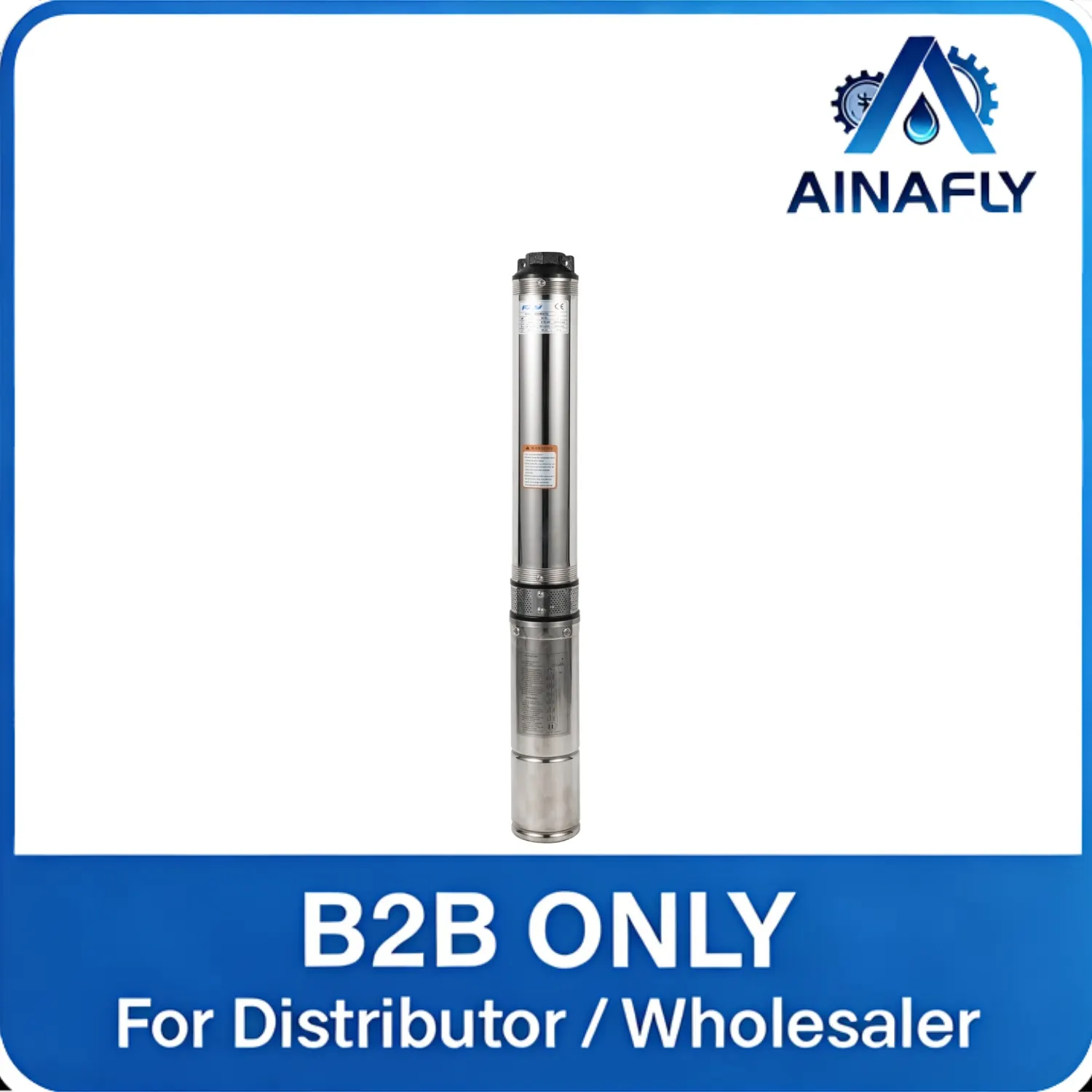
Water pumps serve as essential mechanical devices that move fluids from one location to another, playing a crucial role in countless applications across residential and industrial environments. From supplying clean drinking water to remote households to powering massive manufacturing operations, these versatile machines have become indispensable components of modern infrastructure. Understanding how water pump systems function and their diverse applications helps property owners and business operators make informed decisions about their fluid handling needs.
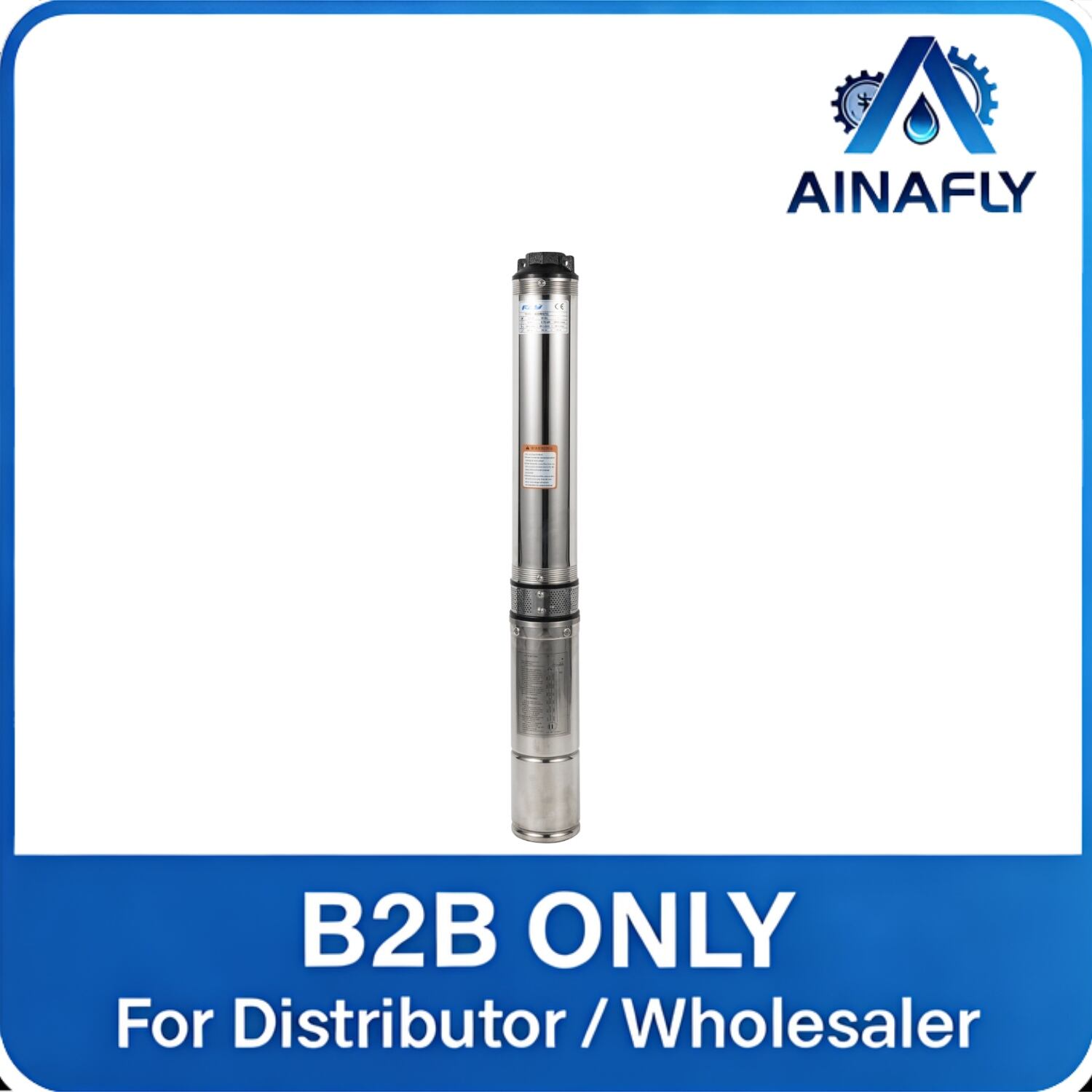
The widespread adoption of water pump technology spans multiple sectors, from agricultural irrigation systems to urban water distribution networks. Each application presents unique challenges regarding pressure requirements, flow rates, and environmental conditions that influence equipment selection. Modern water pump designs incorporate advanced materials and engineering principles to deliver reliable performance while minimizing energy consumption and maintenance requirements.
Selecting the appropriate water pump solution requires careful consideration of specific operational parameters, installation constraints, and long-term performance expectations. Whether addressing residential water supply challenges or industrial process requirements, understanding the fundamental principles behind water pump operation enables users to optimize system efficiency and extend equipment lifespan.
Residential Water Pump Applications
Home Water Supply Systems
Residential properties often rely on water pump systems to deliver consistent water pressure throughout the home, especially in areas where municipal water supply is unavailable or insufficient. Private wells equipped with submersible water pump units provide reliable access to groundwater resources, ensuring families have adequate water for daily activities. These systems typically incorporate pressure tanks that store pressurized water, reducing the frequency of pump cycling and extending equipment life.
Deep well water pump installations require careful sizing to match household demand patterns while maintaining optimal pressure levels. Factors such as well depth, static water level, and peak demand periods influence the selection of appropriate pump horsepower and flow capacity. Professional installation ensures proper electrical connections, pressure switch calibration, and safety features that protect both the water pump and household electrical systems.
Shallow well applications utilize different water pump configurations that draw water from sources less than 25 feet below ground level. These systems often employ jet pumps or convertible jet pumps that can be installed above ground in basement or utility room locations. Proper priming and suction line installation are critical for maintaining consistent water pump performance in shallow well applications.
Irrigation and Landscaping
Homeowners with extensive landscaping or garden areas frequently install dedicated irrigation water pump systems to maintain healthy plant growth while conserving municipal water resources. These systems can draw water from various sources including ponds, streams, rainwater collection systems, or dedicated irrigation wells. Automatic controllers integrate with water pump operation to provide scheduled watering cycles that optimize plant health while minimizing water waste.
Pool and spa circulation systems represent specialized residential water pump applications that require continuous operation to maintain water quality and temperature. Pool water pump units must handle chemically treated water while providing sufficient flow rates for effective filtration and cleaning. Variable speed water pump motors offer energy savings by adjusting flow rates based on actual demand, reducing operational costs during low-usage periods.
Landscape fountain and water feature applications utilize smaller water pump units designed for continuous operation in decorative settings. These systems require careful attention to water level monitoring and debris protection to prevent pump damage. Energy-efficient water pump designs help minimize electricity costs while maintaining attractive water displays throughout the day and evening hours.
Basement and Sump Applications
Basement waterproofing systems commonly incorporate sump water pump installations that automatically remove accumulated groundwater or surface water infiltration. These critical safety systems prevent flooding damage by activating whenever water levels reach predetermined trigger points. Battery backup systems ensure continued water pump operation during power outages when flooding risks are often highest.
Sewage ejector water pump systems handle wastewater removal from basement bathrooms, laundry rooms, or other below-grade facilities where gravity drainage is not feasible. These specialized pumps must handle solid waste particles and withstand harsh chemical environments while maintaining reliable operation. Regular maintenance including impeller cleaning and seal inspection helps prevent costly system failures and potential health hazards.
Condensate removal applications in HVAC systems utilize small water pump units to handle moisture produced by air conditioning equipment. These systems prevent water damage by continuously removing condensation that would otherwise accumulate in drain pans or ductwork. Proper installation includes overflow protection and alarm systems that alert homeowners to potential drainage problems.
Industrial Water Pump Applications
Manufacturing and Processing
Industrial manufacturing facilities depend on robust water pump systems for process cooling, cleaning operations, and raw material handling. Large-scale production environments require high-capacity water pump installations that can maintain consistent flow rates under varying demand conditions. Process water systems often incorporate multiple pump configurations including primary, standby, and emergency backup units to ensure uninterrupted operations.
Chemical processing applications present unique challenges for water pump selection due to corrosive fluid handling requirements and strict safety regulations. Specialized materials including stainless steel, exotic alloys, and chemical-resistant coatings protect pump components from aggressive chemicals while maintaining long-term reliability. Seal systems must prevent dangerous chemical leaks while withstanding extreme temperature and pressure conditions.
Food and beverage manufacturing requires water pump systems that meet strict sanitary standards while handling various liquid products. Sanitary pump designs incorporate smooth surfaces, accessible cleaning ports, and materials approved for food contact applications. Clean-in-place systems integrate with water pump operation to provide automated cleaning cycles that maintain product quality and regulatory compliance.
Power Generation and Utilities
Electric power generation facilities utilize massive water pump systems for cooling tower circulation, boiler feedwater supply, and ash handling operations. These critical applications require extremely reliable water pump performance to prevent costly plant shutdowns and maintain electrical grid stability. Redundant pump installations and comprehensive maintenance programs ensure continuous operation under demanding conditions.
Municipal water treatment plants rely on high-capacity water pump systems to move millions of gallons daily through complex purification processes. Raw water intake pumps deliver untreated water from lakes, rivers, or wells to treatment facilities where additional water pump stages handle chemical dosing, filtration backwashing, and treated water distribution. Variable frequency drives optimize energy consumption by matching pump output to system demand.
Wastewater treatment facilities require specialized water pump designs capable of handling sewage, sludge, and other contaminated fluids. These robust systems must operate reliably in harsh environments while meeting strict environmental discharge standards. Solids handling capabilities and clog-resistant impeller designs minimize maintenance requirements and prevent system disruptions.
Oil and Gas Industry
Petroleum refineries utilize water pump systems for various applications including cooling water circulation, fire protection, and process fluid handling. High-temperature and high-pressure conditions require specialized water pump designs with enhanced materials and sealing systems. API standards govern pump specifications to ensure consistent performance and interchangeability across different installations.
Offshore drilling platforms depend on seawater water pump systems for drilling mud circulation, fire suppression, and general utility services. These marine applications require corrosion-resistant materials and robust construction to withstand harsh saltwater environments. Emergency pump systems provide backup capabilities for critical safety functions including blowout prevention and platform evacuation.
Pipeline transfer stations employ booster water pump installations to maintain product flow over long distances. These systems must handle various petroleum products while meeting strict safety and environmental regulations. Leak detection systems and emergency shutdown capabilities protect against environmental contamination and ensure operator safety.
Water Pump Selection Criteria
Performance Requirements
Determining appropriate water pump specifications begins with accurate assessment of flow rate requirements, operating pressure conditions, and system head calculations. Flow rates measured in gallons per minute or cubic meters per hour must account for peak demand periods and future expansion needs. Total dynamic head calculations include static lift, friction losses, and pressure requirements to ensure adequate pump performance throughout the operating range.
Efficiency considerations significantly impact long-term operating costs, particularly for continuous-duty water pump applications. High-efficiency pump designs reduce energy consumption and heat generation while extending equipment life. Variable speed drives allow pump output adjustment to match system demand, providing substantial energy savings compared to constant-speed installations with throttling control.
Net positive suction head requirements must be carefully evaluated to prevent cavitation damage and ensure reliable water pump operation. Suction line design, fluid temperature, and atmospheric conditions all influence available NPSH and pump selection criteria. Inadequate NPSH can cause premature pump failure, excessive noise, and reduced performance even in properly sized installations.
Environmental and Installation Factors
Environmental conditions including temperature extremes, humidity levels, and exposure to corrosive substances influence water pump material selection and protection requirements. Indoor installations may require different specifications compared to outdoor applications that face weather exposure. Proper ventilation and temperature control help maintain optimal operating conditions and extend equipment life.
Installation space constraints often dictate water pump configuration choices between horizontal, vertical, and submersible designs. Foundation requirements, piping access, and maintenance clearances must be considered during system planning phases. Modular pump designs facilitate future maintenance and component replacement without extensive system modifications.
Electrical supply characteristics including voltage, phase, and frequency requirements must match available power systems. Motor starting methods and overload protection help prevent electrical damage and ensure safe operation. Emergency power backup systems may be necessary for critical water pump applications where interruptions could cause significant damage or safety hazards.
Maintenance and Reliability
Preventive Maintenance Programs
Systematic maintenance schedules help maximize water pump reliability while minimizing unexpected failures and costly repairs. Regular inspection procedures include vibration monitoring, temperature measurements, and seal condition assessments that identify potential problems before they cause system failures. Lubrication schedules for bearing systems and coupling maintenance help ensure smooth operation and extended equipment life.
Performance monitoring systems track water pump efficiency, power consumption, and operating parameters to detect gradual degradation that may indicate developing problems. Trending analysis helps optimize maintenance schedules and predict component replacement needs. Modern monitoring systems can provide remote alerts and automatic shutdown protection to prevent catastrophic failures.
Spare parts inventory management ensures critical components are available when needed for emergency repairs or scheduled maintenance activities. Impeller replacement, seal kits, and bearing assemblies represent common wear items that should be maintained in inventory for rapid system restoration. Vendor partnerships and service agreements can provide technical support and expedited parts delivery for complex water pump systems.
Troubleshooting Common Issues
Low flow or pressure conditions often indicate problems with suction line restrictions, impeller wear, or internal recirculation. Systematic troubleshooting procedures help identify root causes and guide appropriate corrective actions. Cavitation damage, air entrainment, and system blockages represent common issues that can significantly impact water pump performance if not addressed promptly.
Excessive vibration or noise may indicate mechanical problems including misalignment, bearing wear, or impeller damage. Proper diagnosis requires vibration analysis equipment and understanding of pump operating characteristics. Foundation problems, pipe strain, and coupling issues can also contribute to mechanical problems that reduce equipment life and performance.
Seal leakage represents another common water pump problem that can lead to contamination, efficiency losses, and environmental concerns. Different seal types require specific maintenance procedures and replacement techniques. Understanding seal operating principles and proper installation methods helps prevent premature failures and ensures effective sealing performance.
FAQ
What factors determine the right water pump size for residential applications
Residential water pump sizing depends on several key factors including household water demand, well depth, static water level, and required pressure levels. Peak demand periods typically occur during morning and evening hours when multiple fixtures may be used simultaneously. A properly sized system should meet peak demand while maintaining adequate pressure throughout the home. Professional assessment considers future needs and ensures the selected water pump can handle maximum expected usage without excessive cycling or pressure fluctuations.
How often should industrial water pump systems undergo maintenance
Industrial water pump maintenance schedules vary based on operating conditions, duty cycle, and criticality of the application. High-duty installations may require weekly inspections and monthly detailed maintenance, while standby systems might need quarterly attention. Critical process pumps often incorporate continuous monitoring systems that track performance parameters and predict maintenance needs. Generally, bearing lubrication, seal inspection, and alignment checks should occur at regular intervals determined by manufacturer recommendations and operating experience.
What are the main differences between centrifugal and positive displacement water pumps
Centrifugal water pump designs use rotating impellers to impart velocity to fluids, converting kinetic energy to pressure through volute or diffuser sections. These pumps excel in high-flow, moderate-pressure applications and offer simple construction with minimal maintenance requirements. Positive displacement pumps trap fixed volumes of fluid and force them through discharge lines, providing consistent flow regardless of pressure conditions. They work better for high-pressure, low-flow applications or when precise flow control is essential.
Can water pump systems operate efficiently with renewable energy sources
Modern water pump systems can integrate effectively with solar panels, wind generators, and other renewable energy sources through proper system design and energy storage solutions. Variable frequency drives help optimize pump performance with fluctuating power supplies, while battery storage systems provide consistent operation during low generation periods. Solar-powered water pump installations are particularly effective for remote locations where grid power is unavailable or expensive. Proper sizing of both the pump system and renewable energy components ensures reliable operation while minimizing environmental impact and operating costs.
Table of Contents
- Residential Water Pump Applications
- Industrial Water Pump Applications
- Water Pump Selection Criteria
- Maintenance and Reliability
-
FAQ
- What factors determine the right water pump size for residential applications
- How often should industrial water pump systems undergo maintenance
- What are the main differences between centrifugal and positive displacement water pumps
- Can water pump systems operate efficiently with renewable energy sources