 EN
EN
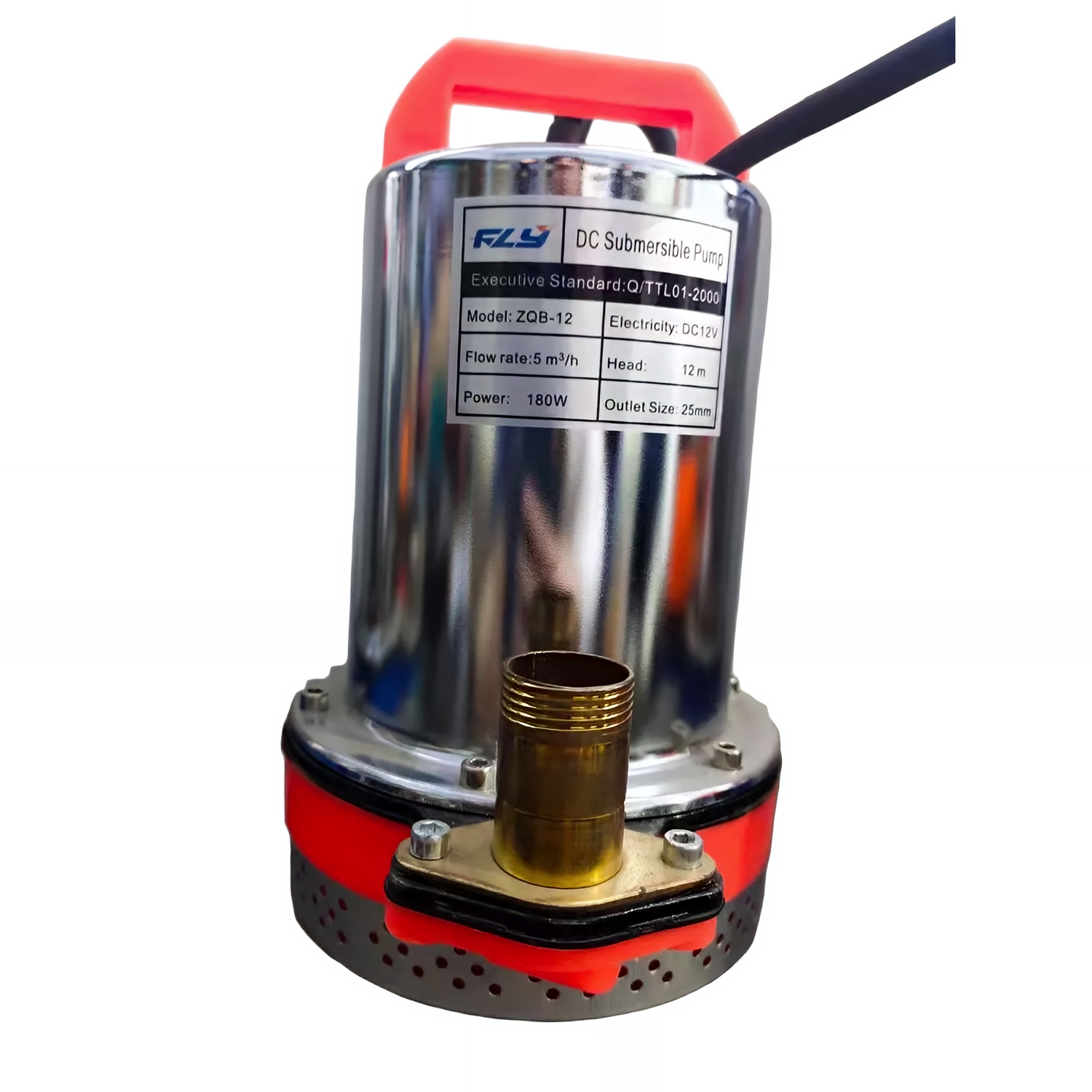
Solar-powered water pumping systems have revolutionized agricultural irrigation and domestic water supply across remote areas worldwide. These innovative systems harness renewable energy to provide sustainable water solutions where traditional grid electricity remains unavailable or unreliable. A well-designed solar pump configuration integrates multiple critical components that work harmoniously to deliver consistent water flow throughout varying weather conditions. Understanding these essential elements ensures optimal system performance, longevity, and cost-effectiveness for both residential and commercial applications.
Photovoltaic Panel Configuration and Sizing
Solar Panel Array Design Principles
The photovoltaic panel array serves as the primary energy source for any solar pump installation. Proper sizing requires careful calculation of daily water requirements, pumping head, and local solar irradiance levels. Monocrystalline silicon panels typically offer superior efficiency rates between 18-22%, making them ideal for space-constrained installations. Panel orientation and tilt angles must align with geographical latitude to maximize energy capture throughout seasonal variations.
Modern solar pump systems often incorporate panel tracking mechanisms that follow sun movement across the sky, increasing energy collection by 25-35% compared to fixed installations. However, tracking systems add complexity and maintenance requirements that must be weighed against performance gains. Fixed panel arrays remain popular for their reliability and lower initial investment costs.
Power Output Matching Requirements
Matching photovoltaic panel wattage to pump motor specifications prevents system inefficiencies and component damage. Oversized panel arrays can stress motor windings through excessive voltage, while undersized configurations result in inadequate pumping performance during peak demand periods. Professional system designers typically specify panel arrays with 20-30% excess capacity to accommodate seasonal irradiance fluctuations and panel degradation over time.
Temperature coefficients significantly impact panel performance, with crystalline silicon modules losing approximately 0.4% efficiency per degree Celsius above 25°C. Hot climate installations require derating calculations to ensure adequate power delivery during summer months when cooling demands peak but panel efficiency drops.
Motor and Pump Assembly Selection
DC Versus AC Motor Technologies
Direct current motors offer several advantages for solar pump applications, including simplified control systems and higher efficiency at variable speeds. Brushless DC motors eliminate maintenance requirements associated with carbon brush replacement while providing precise speed control through electronic commutation. These characteristics make DC motors particularly suitable for remote installations where maintenance access remains limited.
Alternating current motors require power inverters to convert DC solar energy to AC, introducing additional conversion losses and system complexity. However, AC motors generally cost less initially and offer greater availability from multiple manufacturers. Three-phase AC motors provide smooth operation and high starting torque, making them suitable for deep well applications requiring substantial lifting force.
Centrifugal and Positive Displacement Options
Centrifugal pumps excel in high-volume, low-head applications such as surface water transfer and shallow well pumping. These pumps offer simple construction, minimal maintenance requirements, and cost-effective operation for agricultural irrigation systems. Impeller design variations accommodate different flow rates and pressure requirements while maintaining reasonable efficiency across operating ranges.
Positive displacement pumps, including progressive cavity and diaphragm designs, handle high-head applications more effectively than centrifugal alternatives. These pumps maintain consistent flow rates regardless of system pressure variations, making them ideal for deep well installations and applications requiring precise flow control. However, positive displacement pumps typically require more frequent maintenance and higher initial investment costs.
Power Conditioning and Control Systems
Maximum Power Point Tracking Technology
Maximum Power Point Tracking controllers optimize energy extraction from photovoltaic panels by continuously adjusting operating voltage and current to match changing irradiance conditions. MPPT technology can improve system efficiency by 15-25% compared to simple direct-drive configurations, particularly during partial shading or variable weather conditions. Advanced controllers incorporate weather prediction algorithms that adjust pumping schedules based on forecasted solar availability.
Modern solar pump controllers include built-in diagnostics and remote monitoring capabilities that enable proactive maintenance and troubleshooting. These features prove invaluable for installations in remote locations where immediate technical support remains unavailable. Data logging functions track system performance trends and identify potential issues before component failures occur.
Variable Frequency Drive Integration
Variable frequency drives provide smooth motor speed control that extends equipment lifespan while optimizing energy utilization. These devices eliminate mechanical stress associated with direct motor starting and stopping, reducing wear on pump components and electrical connections. Soft-start capabilities prevent voltage sags that could affect other connected equipment or damage sensitive motor windings.
Programmable VFD settings allow system optimization for specific applications, including flow rate adjustment, pressure control, and automatic shutdown sequences. Advanced drives incorporate power factor correction and harmonic filtering to improve overall system efficiency and reduce electromagnetic interference with nearby electronic equipment.
Water Storage and Distribution Infrastructure
Tank Sizing and Material Selection
Water storage capacity calculations must account for daily consumption patterns, solar pump output variations, and backup requirements during extended cloudy periods. Storage tanks typically range from 1-7 days of water supply, depending on application criticality and local weather patterns. Larger storage systems reduce solar pump cycling frequency while providing adequate reserves during low-irradiance periods.
Tank materials must withstand local environmental conditions while maintaining water quality standards. Polyethylene and fiberglass tanks offer corrosion resistance and reasonable costs for most applications, while stainless steel provides superior durability in harsh chemical environments. Proper tank placement considers gravity flow potential, freeze protection requirements, and accessibility for maintenance activities.
Distribution System Design Considerations
Piping systems require careful sizing to minimize friction losses that reduce overall solar pump efficiency. Oversized pipes increase initial costs without proportional performance benefits, while undersized pipes create excessive pressure drops that limit system capacity. Distribution networks should incorporate isolation valves, pressure gauges, and flow meters to facilitate maintenance and performance monitoring.
Pressure regulation systems maintain consistent water delivery pressure despite varying solar pump output levels. Accumulator tanks store pressurized water that supplements pump output during peak demand periods, reducing motor cycling and improving system longevity. Automatic pressure switches control pump operation based on system demand rather than solar availability alone.
Installation and Commissioning Best Practices
Site Preparation and Foundation Requirements
Proper site preparation ensures solar pump system longevity and optimal performance throughout equipment lifespan. Foundation design must accommodate local soil conditions, seismic requirements, and equipment access needs. Concrete pads provide stable mounting surfaces for pumps and control panels while elevating equipment above potential flood levels. Adequate drainage around foundations prevents water accumulation that could damage electrical components.
Solar panel mounting structures require engineering analysis to withstand local wind and snow loads. Ground-mounted systems offer easier maintenance access compared to roof installations, while tracker systems need additional clearance for movement mechanisms. Proper grounding systems protect equipment from lightning strikes and electrical faults that could damage expensive components.
System Testing and Performance Validation
Comprehensive system testing verifies that all solar pump components function according to design specifications before commissioning. Performance testing should include flow rate measurements at various solar irradiance levels, pressure testing of all piping connections, and electrical safety verification. Documentation of baseline performance provides reference data for future maintenance and troubleshooting activities.
Commissioning procedures include operator training on system operation, maintenance requirements, and emergency shutdown procedures. Written operating manuals should include component specifications, maintenance schedules, and troubleshooting guides tailored to specific installation requirements. Regular performance monitoring during initial operation identifies any optimization opportunities or potential issues requiring attention.
Maintenance and Troubleshooting Protocols
Preventive Maintenance Scheduling
Regular maintenance activities extend solar pump system lifespan while maintaining optimal performance levels. Panel cleaning schedules depend on local environmental conditions, with dusty or polluted areas requiring more frequent attention. Electrical connection inspections identify loose terminals or corrosion that could cause system failures or safety hazards. Motor bearing lubrication and alignment checks prevent mechanical failures that could damage expensive components.
Seasonal maintenance activities include battery testing for backup systems, inverter cooling system cleaning, and control system calibration verification. Water system components require periodic inspection for leaks, corrosion, or blockages that reduce system efficiency. Maintaining detailed maintenance logs helps identify recurring issues and optimize service intervals for specific operating conditions.
Common Troubleshooting Procedures
Systematic troubleshooting approaches minimize diagnostic time while preventing unnecessary component replacement. Flow rate reductions often indicate pump wear, pipe blockages, or electrical supply issues that require different corrective actions. Voltage and current measurements help isolate electrical problems from mechanical issues, streamlining repair procedures and reducing downtime costs.
Remote monitoring systems enable proactive troubleshooting that identifies developing problems before complete system failures occur. Alarm systems alert operators to abnormal operating conditions, while data logging provides historical performance trends that help predict maintenance requirements. Professional technical support becomes more effective when supported by comprehensive system data and operating history.
FAQ
How long do solar pump systems typically last
Well-maintained solar pump systems operate reliably for 15-25 years, with photovoltaic panels often warranted for 20-25 years and pump assemblies lasting 10-15 years depending on operating conditions. Regular maintenance and quality component selection significantly impact system longevity, while harsh operating environments may reduce equipment lifespan.
What size solar pump system do I need for my application
System sizing depends on daily water requirements, pumping height, local solar irradiance levels, and desired storage capacity. Professional system designers typically specify pumps 20-30% larger than calculated requirements to accommodate seasonal variations and equipment degradation. A detailed site assessment ensures optimal system performance and cost-effectiveness.
Can solar pump systems operate during cloudy weather
Solar pump systems continue operating during partially cloudy conditions, though at reduced capacity. Battery backup systems or adequate water storage extend operation during extended cloudy periods. MPPT controllers optimize energy extraction from available sunlight, maintaining reasonable performance even under challenging weather conditions.
What maintenance is required for solar pump systems
Routine maintenance includes panel cleaning, electrical connection inspection, pump performance monitoring, and water system leak checks. Most systems require professional service annually, with component replacement schedules varying based on equipment type and operating conditions. Remote monitoring systems reduce maintenance costs by enabling condition-based service rather than fixed schedule approaches.