
 EN
EN



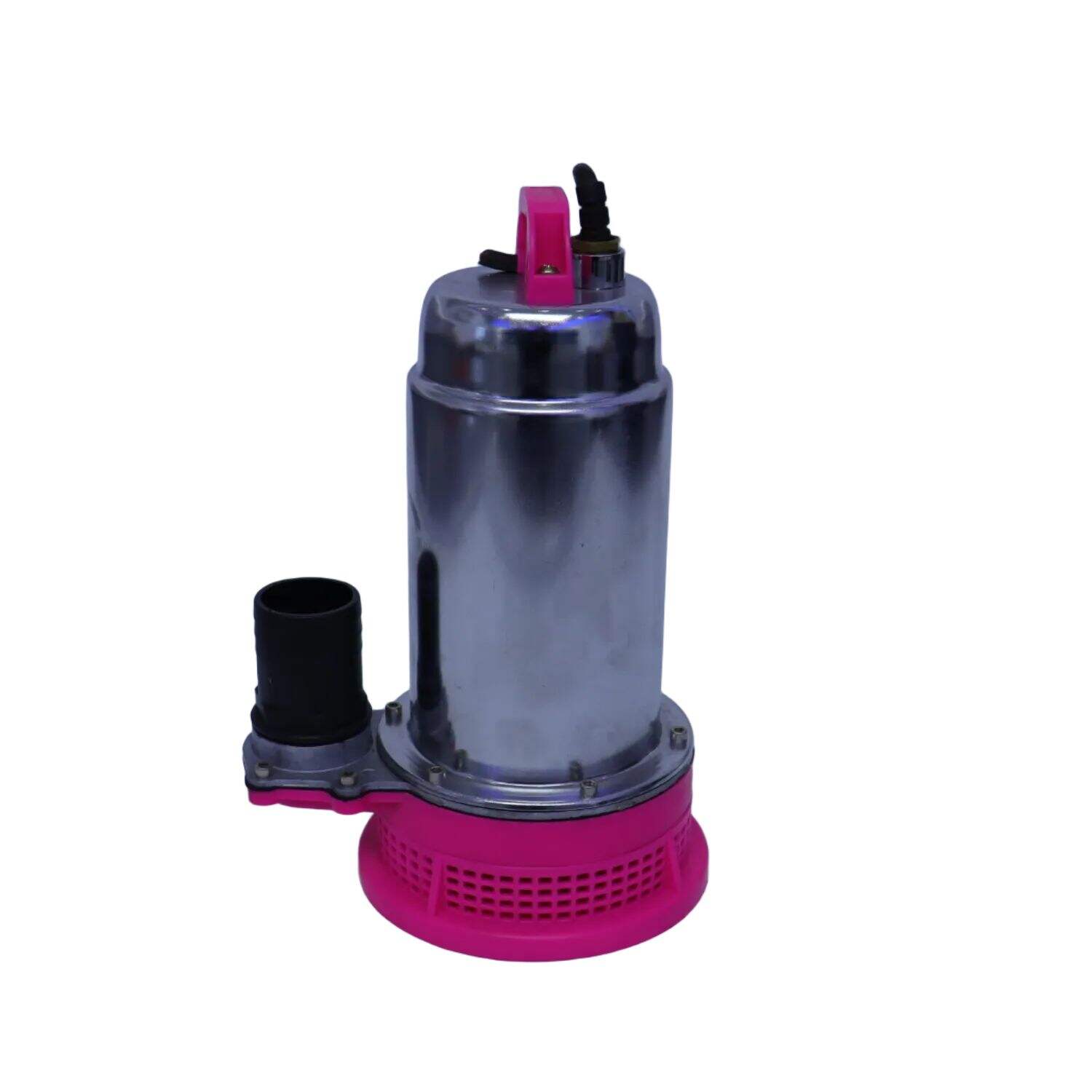
Remote water supply systems face unique challenges that traditional pumping solutions often cannot address effectively. The need for reliable, cost-efficient, and environmentally sustainable water access in off-grid locations has driven innovation in renewable energy technologies. A solar pump represents a revolutionary approach to overcoming these infrastructure limitations, providing dependable water access where conventional electrical grids are unavailable or prohibitively expensive to install.
The adoption of solar-powered water pumping systems has transformed how communities, agricultural operations, and industrial facilities approach water management in remote areas. These systems harness photovoltaic technology to convert sunlight directly into mechanical energy, eliminating dependency on fossil fuels or external power sources. This fundamental shift toward renewable energy solutions addresses both immediate water access needs and long-term sustainability goals.
Economic Benefits of Solar Water Pumping Systems
Reduced Operating Costs and Energy Independence
The financial advantages of implementing a solar pump system become apparent through significantly reduced operating expenses. Unlike diesel generators or electric pumps that require continuous fuel purchases or utility payments, solar pumps operate using free solar energy once the initial installation is complete. This energy independence translates to predictable long-term costs, making budget planning more straightforward for organizations and communities.
Maintenance requirements for solar pump systems are minimal compared to conventional alternatives. The absence of internal combustion engines eliminates the need for regular oil changes, filter replacements, and engine overhauls that characterize diesel-powered systems. Solar panels typically carry warranties of 20-25 years, while pump motors can operate reliably for decades with basic preventive maintenance. This durability factor significantly reduces lifetime ownership costs.
Return on Investment and Payback Period
Investment analysis consistently demonstrates favorable returns for solar pump installations in remote locations. The payback period typically ranges from 3-7 years, depending on the system size, local solar irradiance levels, and the cost of alternative energy sources in the specific region. After this initial payback period, the system continues generating value through free operation for the remainder of its 20+ year lifespan.
Government incentives and renewable energy subsidies further improve the economic case for solar pumping systems. Many regions offer tax credits, grants, or preferential financing for solar installations, reducing upfront capital requirements and accelerating return on investment timelines. These financial incentives recognize the broader societal benefits of renewable energy adoption and water access improvements.
Technical Advantages and System Reliability
Simplified Installation and Modular Design
Modern solar pump systems feature modular designs that simplify installation processes in challenging remote locations. Components can be transported separately and assembled on-site without requiring extensive infrastructure development. This modularity allows for system customization based on specific water requirements, depth considerations, and available installation space.
The installation process eliminates the need for extensive electrical infrastructure or fuel storage facilities that conventional pumping systems require. Solar panels can be mounted on simple frames or tracking systems, while pump controllers integrate seamlessly with existing well casings or surface water sources. This streamlined approach reduces both installation time and associated costs.
Performance Optimization and Smart Control Features
Advanced solar pump systems incorporate Maximum Power Point Tracking (MPPT) technology that optimizes energy conversion efficiency throughout varying sunlight conditions. These intelligent controllers automatically adjust pump operation to match available solar power, maximizing water output during peak sunlight hours while protecting system components from damage during low-light periods.
Remote monitoring capabilities allow operators to track system performance, water output, and maintenance requirements from distant locations. This connectivity enables proactive maintenance scheduling and rapid response to system issues, minimizing downtime and ensuring consistent water supply reliability. Data logging features provide valuable insights for system optimization and performance improvement over time.
Environmental Impact and Sustainability Benefits
Carbon Footprint Reduction and Clean Energy
The environmental advantages of solar pump systems extend far beyond simple water access provision. By replacing diesel generators or grid electricity derived from fossil fuels, these systems eliminate direct greenhouse gas emissions associated with water pumping operations. A typical solar pump installation can prevent several tons of CO2 emissions annually compared to equivalent diesel-powered systems.
The clean energy profile of solar pumping aligns with global climate initiatives and corporate sustainability goals. Organizations implementing these systems contribute to renewable energy targets while demonstrating environmental stewardship to stakeholders and communities. This positive environmental impact creates additional value beyond the direct operational benefits.
Ecosystem Protection and Resource Conservation
Solar pump installations minimize environmental disruption in sensitive remote locations. The absence of fuel storage tanks, exhaust emissions, and noise pollution protects local ecosystems and wildlife habitats. This environmental compatibility makes solar pumping particularly suitable for protected areas, agricultural zones, and ecologically sensitive regions where conventional pumping methods might cause environmental damage.
Water conservation features built into modern solar pump systems prevent waste through precise flow control and automated shutoff capabilities. These systems can be programmed to match water output with actual consumption needs, preventing over-pumping and aquifer depletion that might occur with less sophisticated pumping approaches.
Application Versatility and Scalability
Agricultural and Irrigation Applications
Agricultural applications represent one of the most significant markets for solar pump systems, particularly in regions where grid electricity is unreliable or unavailable. These systems provide consistent irrigation water for crop production, livestock watering, and agricultural processing operations. The ability to operate during peak sunlight hours aligns well with crop water requirements, creating natural synergy between solar energy availability and irrigation needs.
Farmers utilizing solar pump systems gain greater control over their water supply, reducing dependency on external infrastructure and enabling expansion into previously unviable agricultural areas. The reliability and predictability of solar-powered irrigation support more sophisticated crop planning and yield optimization strategies, contributing to improved agricultural productivity and food security.
Community Water Supply and Development Projects
Community development projects increasingly rely on solar pump technology to provide clean water access in underserved regions. These systems can serve entire villages or neighborhoods, pumping water from deep wells or surface sources to centralized distribution points or elevated storage tanks. The long-term reliability and low maintenance requirements make solar pumps particularly suitable for community applications where technical expertise may be limited.
Educational institutions, healthcare facilities, and community centers benefit significantly from solar pump installations that ensure consistent water availability for essential services. The independence from external power sources prevents service disruptions that might otherwise compromise critical community functions during power outages or fuel shortages.
System Design Considerations and Optimization
Sizing and Configuration Parameters
Proper solar pump system sizing requires careful analysis of water demand patterns, solar resource availability, and hydraulic requirements. System designers must consider daily water consumption, seasonal variations, pumping head requirements, and local solar irradiance data to optimize component selection and system configuration. This technical analysis ensures that the installed system meets water supply requirements while maximizing efficiency and minimizing costs.
Storage considerations play a crucial role in system design, with options including elevated tanks, ground-level reservoirs, or direct-use applications. Storage capacity must balance water security requirements with system costs, considering factors such as water quality preservation, freeze protection, and distribution infrastructure requirements.
Integration with Existing Infrastructure
Solar pump systems can be integrated with existing water infrastructure to enhance overall system reliability and efficiency. Hybrid configurations might include backup power sources, water treatment systems, or distribution networks that leverage existing investments while adding solar pumping capabilities. This integration approach maximizes the value of both new and existing infrastructure components.
Retrofitting existing wells or water sources with solar pump technology often proves more cost-effective than developing entirely new water supply systems. The modular nature of solar pumping components facilitates integration with various well types, pipe configurations, and water treatment requirements without extensive infrastructure modification.
FAQ
How long do solar pump systems typically last?
Solar pump systems are designed for long-term operation, with solar panels typically warranted for 20-25 years and pump motors capable of operating reliably for 15-20 years or more with proper maintenance. The solid-state nature of solar components and the absence of mechanical wear in photovoltaic panels contribute to exceptional system longevity. Regular maintenance primarily involves cleaning solar panels and periodic pump inspections, making these systems highly durable investments for remote water supply applications.
Can solar pumps work effectively during cloudy weather or winter months?
Modern solar pump systems incorporate advanced controllers that maximize performance even during reduced sunlight conditions. While output decreases during cloudy weather, the systems continue operating at reduced capacity. Many installations include battery storage or water storage tanks to provide consistent water availability during periods of limited solar energy. Proper system sizing accounts for seasonal variations in solar irradiance, ensuring adequate water supply throughout the year in most climatic conditions.
What maintenance requirements do solar pump systems have?
Solar pump systems require minimal maintenance compared to conventional pumping alternatives. Primary maintenance tasks include periodic cleaning of solar panels to remove dust or debris, visual inspection of electrical connections, and routine pump motor checks. Most systems operate for years without significant maintenance requirements. The absence of fuel systems, air filters, and internal combustion engines eliminates many maintenance tasks associated with diesel-powered alternatives, making solar pumps particularly suitable for remote locations where regular service access is limited.
Are solar pumps suitable for deep well applications?
Solar pump technology has advanced significantly to accommodate deep well applications, with systems capable of pumping from depths exceeding 300 feet in many configurations. Submersible solar pump systems are specifically designed for deep well applications, featuring high-efficiency motors and advanced controller technology that optimizes performance across varying conditions. The key consideration for deep well applications is proper system sizing to ensure adequate power generation for the required pumping head and flow rate combinations.