 EN
EN
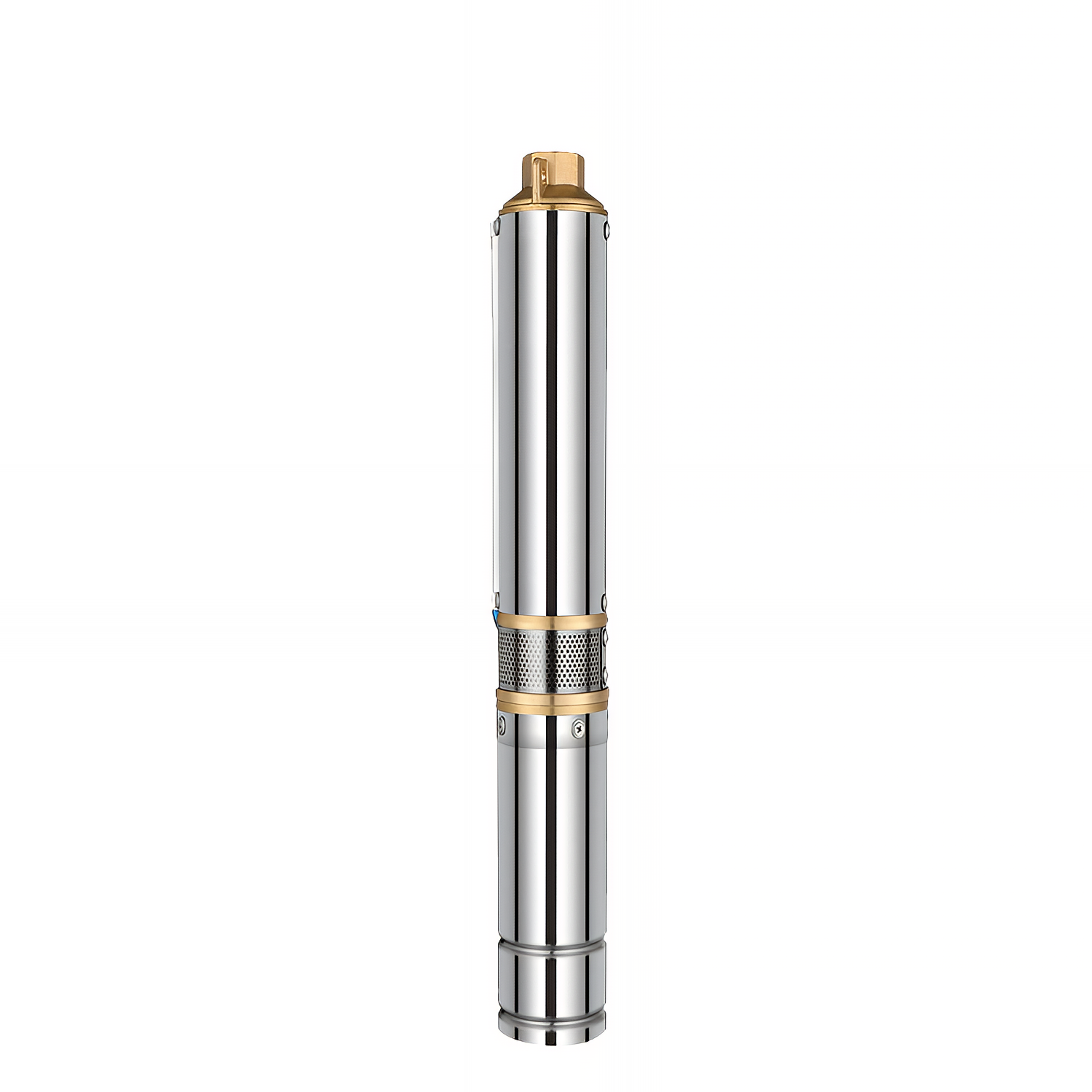
Modern agriculture faces unprecedented challenges as global food demand continues to rise while water resources become increasingly scarce. Traditional irrigation methods often rely on fossil fuel-powered systems that contribute to carbon emissions and operational costs. The adoption of renewable energy solutions in agriculture has emerged as a critical pathway toward sustainability, with solar pump technology leading this transformation. These innovative systems harness the sun's energy to provide reliable water access for agricultural irrigation, offering farmers an environmentally responsible and economically viable alternative to conventional pumping methods.
Understanding Solar Pump Technology in Agriculture
Core Components and Functionality
A solar pump system consists of several integrated components that work together to deliver consistent water flow for agricultural applications. The photovoltaic panels capture solar radiation and convert it into direct current electricity, which powers the pump motor through a sophisticated controller unit. Modern solar pump designs incorporate maximum power point tracking technology to optimize energy conversion efficiency throughout varying sunlight conditions. The pump mechanism itself can be either submersible or surface-mounted, depending on the water source depth and specific agricultural requirements.
The controller unit serves as the brain of the solar pump system, managing power distribution and protecting components from electrical surges or dry-run conditions. Advanced controllers feature programmable settings that allow farmers to customize pumping schedules based on crop water requirements and seasonal variations. Many contemporary solar pump systems include remote monitoring capabilities, enabling real-time performance tracking and maintenance alerts through mobile applications or web-based platforms.
Types of Solar Pumps for Different Agricultural Needs
Submersible solar pump systems excel in deep well applications where water sources are located more than twenty feet below ground level. These units are fully sealed and designed to operate continuously underwater, making them ideal for accessing groundwater resources in areas with limited surface water availability. The submersible design protects internal components from environmental factors while maximizing pumping efficiency through direct contact with the water source.
Surface solar pump configurations work effectively for shallow wells, rivers, ponds, and other accessible water sources. These systems offer easier maintenance access and typically cost less than submersible alternatives while providing sufficient flow rates for most agricultural irrigation needs. Surface-mounted solar pump units can be relocated as needed, offering flexibility for seasonal farming operations or temporary irrigation projects.
Environmental Benefits of Solar-Powered Irrigation
Carbon Footprint Reduction
Implementing a solar pump system significantly reduces agricultural carbon emissions by eliminating dependence on diesel generators or grid electricity from fossil fuel sources. A typical agricultural solar pump can prevent approximately three to five tons of carbon dioxide emissions annually compared to equivalent diesel-powered irrigation systems. This environmental impact becomes even more substantial when considering the cumulative effect across multiple farming operations and extended operational lifespans of twenty to twenty-five years.
The renewable energy approach of solar pump technology aligns with global climate change mitigation efforts while supporting sustainable farming practices. Unlike fossil fuel alternatives, solar-powered irrigation systems produce zero direct emissions during operation, contributing to cleaner air quality in rural agricultural communities. The environmental benefits extend beyond carbon reduction to include decreased noise pollution and elimination of fuel transportation requirements.
Water Resource Conservation
Precision water delivery capabilities of modern solar pump systems promote efficient water usage through programmable flow control and automated scheduling features. These systems can be integrated with soil moisture sensors and weather monitoring equipment to optimize irrigation timing and volume based on actual crop needs rather than fixed schedules. Smart solar pump controllers can reduce agricultural water consumption by fifteen to thirty percent compared to traditional irrigation methods.
The consistent flow rates provided by solar pump technology enable implementation of drip irrigation and micro-sprinkler systems that minimize water waste through evaporation and runoff. Variable frequency drives in advanced solar pump systems automatically adjust pumping speed based on system pressure and demand, ensuring optimal water pressure for different irrigation zones while conserving energy and water resources.
Economic Advantages for Agricultural Operations
Long-term Cost Savings
While the initial investment in a solar pump system may be higher than conventional alternatives, the long-term operational savings create substantial economic benefits for agricultural businesses. Elimination of fuel costs represents the most immediate financial advantage, with typical diesel pump operations costing three to five dollars per hour compared to essentially free solar pump operation during daylight hours. These savings accumulate significantly over the system's operational lifetime, often resulting in payback periods of three to five years.
Maintenance requirements for solar pump systems are minimal compared to internal combustion engine alternatives, reducing ongoing service costs and minimizing operational downtime. The absence of moving parts in photovoltaic panels and the simple mechanical design of the pump components contribute to exceptional reliability and reduced maintenance expenses. Insurance costs may also decrease due to the elimination of fuel storage risks and reduced fire hazards associated with diesel-powered equipment.
Government Incentives and Support Programs
Many regional and national governments offer financial incentives to encourage solar pump adoption in agricultural sectors through tax credits, rebates, and subsidized loan programs. These support mechanisms can reduce the effective purchase price of a solar pump system by twenty to fifty percent, making the technology more accessible to small and medium-scale farming operations. Grant programs specifically targeting sustainable agriculture initiatives often include solar pump installations as eligible investments.
Development banks and agricultural lending institutions increasingly recognize the economic viability of solar pump technology, offering specialized financing products with favorable terms for renewable energy agricultural investments. The predictable operational costs and proven reliability of modern solar pump systems make them attractive assets for agricultural loan portfolios, facilitating easier access to capital for system purchases.
Technical Performance and Reliability
Flow Rate Capabilities and System Sizing
Modern solar pump systems can deliver flow rates ranging from five gallons per minute for small-scale applications to over one hundred gallons per minute for large agricultural operations. System sizing depends on factors including water source depth, horizontal distance, elevation changes, and daily water requirements for specific crops. Professional system design ensures optimal matching between solar panel capacity, pump specifications, and irrigation demands to maximize efficiency and performance.
A well-designed solar pump system includes sufficient battery storage or water tank capacity to maintain irrigation capabilities during periods of limited sunlight or high demand. Hybrid configurations can incorporate backup power sources for critical applications while maintaining the primary benefits of solar operation during optimal conditions.
Durability and Weather Resistance
Agricultural solar pump systems are engineered to withstand harsh environmental conditions including extreme temperatures, high humidity, dust exposure, and severe weather events. Photovoltaic panels typically carry warranties of twenty to twenty-five years and are designed to maintain performance in temperatures ranging from negative forty to positive eighty-five degrees Celsius. Corrosion-resistant materials and protective coatings ensure long-term reliability in diverse agricultural environments.
Pump components feature robust construction with stainless steel or high-grade composite materials that resist chemical corrosion and mechanical wear. Sealed electrical connections and weatherproof enclosures protect sensitive control components from moisture, dust, and pest infiltration. Regular inspection and basic maintenance procedures can extend system life beyond manufacturer specifications while maintaining optimal performance levels.
Installation and Integration Considerations
Site Assessment and Preparation
Successful solar pump installation begins with comprehensive site evaluation to determine optimal panel placement, water source access, and electrical configuration requirements. Solar irradiance analysis ensures adequate energy availability throughout the growing season while identifying potential shading issues from trees, buildings, or terrain features. Water source testing confirms flow capacity, depth measurements, and water quality parameters that affect pump selection and system design.
Foundation preparation for solar panel mounting requires stable, level surfaces that can withstand wind loads and thermal expansion cycles. Ground-mounted systems offer flexibility for optimal sun exposure while pole-mounted configurations save space and reduce ground preparation requirements. Proper grounding and electrical safety measures ensure compliance with local codes and protect equipment from electrical surges or lightning strikes.
Integration with Existing Irrigation Infrastructure
Solar pump systems can be seamlessly integrated with existing irrigation networks through appropriate piping connections, pressure regulation, and flow control valves. Retrofit installations often require minimal modifications to current infrastructure while providing immediate operational benefits. Automated control systems can manage multiple irrigation zones and coordinate solar pump operation with existing timers or smart irrigation controllers.
Compatibility with precision agriculture technologies enables integration of soil moisture monitoring, weather stations, and crop management software with solar pump control systems. Data logging capabilities provide valuable insights into water usage patterns, system performance trends, and opportunities for further optimization. Remote monitoring features allow farmers to track solar pump status and make operational adjustments from mobile devices or central management platforms.
Maintenance Requirements and Best Practices
Preventive Maintenance Procedures
Regular maintenance of solar pump systems involves simple procedures that most farmers can perform without specialized technical expertise. Monthly visual inspections of photovoltaic panels should check for dirt accumulation, physical damage, or shading from vegetation growth. Panel cleaning with mild soap and water maintains optimal energy production while avoiding harsh chemicals that could damage protective coatings.
Quarterly electrical connection inspections ensure tight, corrosion-free contacts while monitoring system voltage and current readings confirms proper operation. Pump performance checks include flow rate measurements, pressure readings, and unusual noise or vibration detection. Water level monitoring prevents dry-run conditions that could damage pump components while tracking seasonal variations in water source availability.
Troubleshooting Common Issues
Most solar pump performance issues stem from reduced solar panel efficiency due to dirt accumulation, shading, or electrical connection problems. Systematic troubleshooting begins with visual inspection of all system components followed by electrical measurements at key connection points. Controller diagnostic features often provide error codes or status indicators that help identify specific problems and guide appropriate corrective actions.
Reduced flow rates may indicate pump wear, clogged intake screens, or declining water source levels rather than solar pump system malfunctions. Water quality changes can affect pump performance through mineral buildup or corrosive conditions that require specific maintenance procedures. Professional service support remains available for complex issues or major component replacement while routine maintenance tasks require minimal technical expertise.
FAQ
What size solar pump do I need for my farm irrigation?
Solar pump sizing depends on your daily water requirements, water source depth, and distance from pump to irrigation area. A typical calculation considers peak daily flow needs, total dynamic head including elevation and friction losses, and available solar irradiance in your location. Professional system designers can evaluate these factors and recommend appropriate pump capacity, solar panel array size, and control system specifications for optimal performance and cost-effectiveness.
How long do solar pump systems typically last?
Quality solar pump systems are designed for twenty to twenty-five year operational lifespans with proper maintenance. Photovoltaic panels typically maintain eighty percent of rated output after twenty years while pump components may require replacement every ten to fifteen years depending on usage conditions and water quality. Controller units and electrical components generally last fifteen to twenty years with periodic inspection and preventive maintenance ensuring optimal system longevity.
Can solar pumps work during cloudy weather or winter months?
Solar pump systems continue operating during overcast conditions at reduced capacity, typically producing thirty to fifty percent of peak output depending on cloud density and solar panel efficiency. Battery storage systems can provide power during periods of inadequate solar irradiance while hybrid configurations incorporate backup generators for critical applications. Winter performance depends on geographic location, with proper system sizing accounting for seasonal variations in solar availability and irrigation demands.
What maintenance is required for agricultural solar pumps?
Solar pump maintenance involves monthly panel cleaning, quarterly electrical connection inspection, and annual pump performance evaluation. Most maintenance tasks require basic tools and minimal technical expertise while professional service may be needed for major repairs or component replacement. Preventive maintenance programs extend system life and maintain optimal performance while reducing unexpected downtime and repair costs throughout the operational lifetime of your agricultural solar pump investment.