 EN
EN
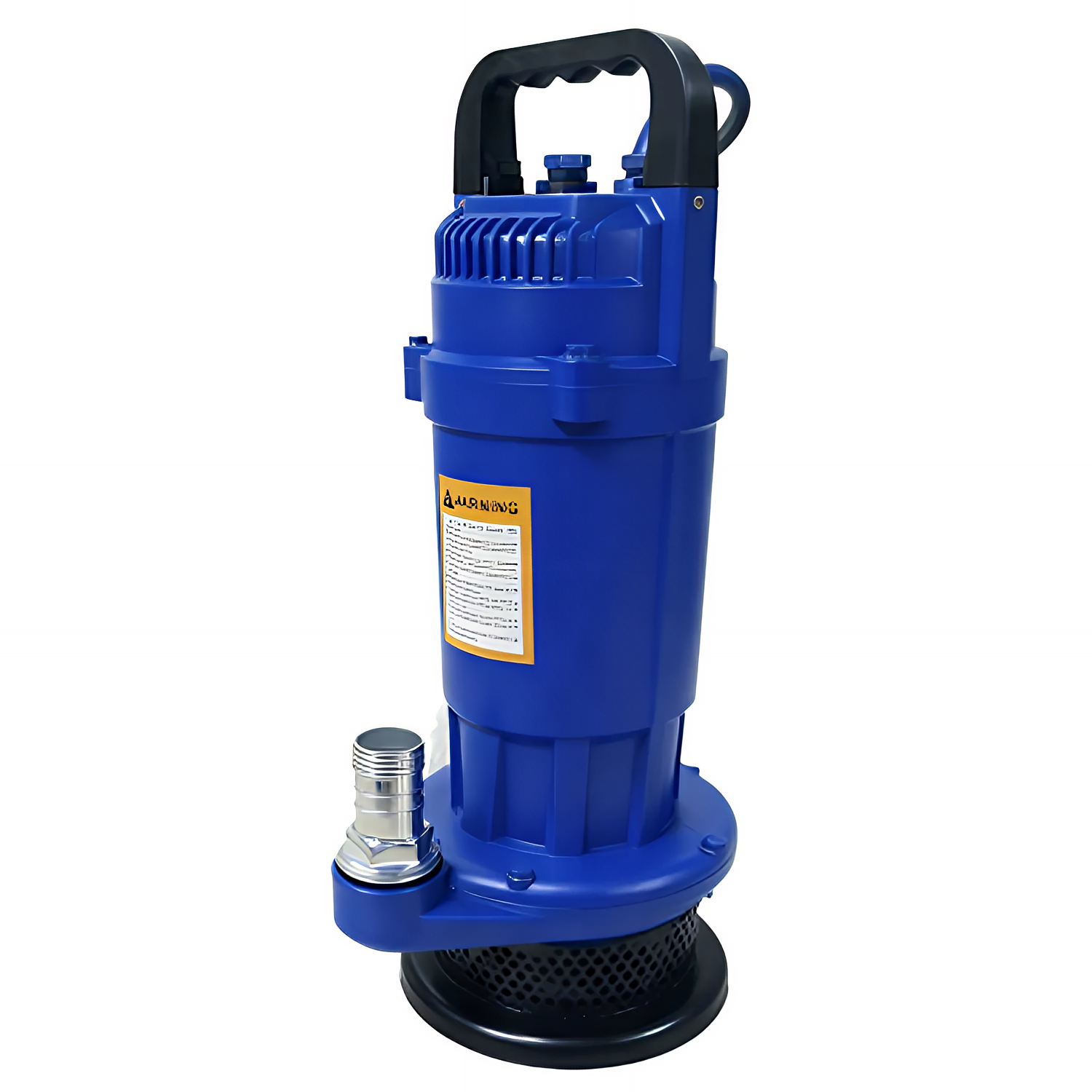
A submersible pump represents a critical investment for agricultural operations, residential water systems, and industrial applications. These sophisticated pumping systems operate beneath the water surface, delivering consistent performance when properly maintained. Understanding the essential maintenance practices that extend equipment lifespan directly impacts operational efficiency and cost management. Regular maintenance protocols ensure optimal performance while preventing costly breakdowns that can disrupt water supply systems. The longevity of any submersible pump depends heavily on systematic care, proper installation, and adherence to manufacturer specifications.
Preventive Maintenance Fundamentals
Regular Inspection Schedules
Establishing a consistent inspection routine forms the foundation of effective submersible pump maintenance. Monthly visual assessments should examine control panels, electrical connections, and surface-mounted components for signs of wear or damage. These inspections help identify potential issues before they escalate into major problems requiring expensive repairs. Professional technicians recommend documenting each inspection with photographs and detailed notes to track equipment condition over time. This systematic approach enables operators to recognize patterns and predict maintenance needs more accurately.
Quarterly inspections should include more comprehensive evaluations of pump performance metrics. Monitoring discharge pressure, flow rates, and power consumption provides valuable insights into internal component condition. Any deviation from baseline performance indicators warrants immediate attention and investigation. Experienced operators maintain detailed logs of these measurements to establish trends and identify gradual performance degradation. This proactive monitoring approach significantly extends submersible pump service life by addressing issues during their early stages.
Performance Monitoring Systems
Modern submersible pump installations benefit tremendously from automated monitoring systems that continuously track operational parameters. These sophisticated systems measure vibration levels, temperature fluctuations, and electrical consumption patterns to provide real-time performance data. Advanced monitoring solutions can detect abnormal conditions and alert operators before critical failures occur. The integration of remote monitoring capabilities allows for immediate response to potential problems, regardless of location or time of day.
Data analytics platforms can process historical performance information to predict maintenance requirements and optimize operational schedules. This predictive maintenance approach reduces unexpected downtime while maximizing equipment efficiency. Smart monitoring systems also help operators understand the relationship between environmental conditions and submersible pump performance. Temperature variations, water quality changes, and seasonal demand fluctuations all impact equipment longevity and operational efficiency.
Electrical System Maintenance
Motor Protection Strategies
The electrical motor represents the heart of any submersible pump system, requiring specialized attention to ensure reliable operation. Regular testing of insulation resistance helps identify potential electrical faults before they cause motor failure. Professional electricians should conduct these tests using calibrated instruments to measure insulation integrity between windings and ground connections. Maintaining proper insulation resistance values prevents electrical shorts that can permanently damage expensive motor components.
Motor protection devices, including thermal overload relays and phase monitors, require periodic calibration and testing. These protective systems safeguard the submersible pump motor from electrical anomalies such as voltage fluctuations, phase imbalances, and overcurrent conditions. Ensuring proper operation of protection devices prevents costly motor damage and extends overall system lifespan. Regular replacement of protection device components according to manufacturer recommendations maintains system reliability.
Cable and Connection Integrity
Submersible pump cables endure challenging environmental conditions that can compromise their integrity over time. Water infiltration, temperature extremes, and mechanical stress all contribute to cable deterioration. Annual cable inspections should examine the entire length for signs of jacket damage, conductor corrosion, or connection point degradation. Professional technicians use specialized equipment to test cable continuity and insulation resistance throughout the installation.
Connection points between cables, control panels, and motor terminals require particular attention during maintenance procedures. These critical junctions often experience the highest stress levels and are most susceptible to failure. Proper torque specifications must be maintained on all electrical connections to prevent loose joints that generate heat and accelerate component degradation. Using appropriate sealing compounds and protective enclosures helps maintain connection integrity in harsh environmental conditions.
Mechanical Component Care
Impeller and Volute Maintenance
The impeller assembly represents the primary mechanical component responsible for water movement in any submersible pump. Regular inspection and cleaning of impeller surfaces removes accumulated debris that can cause imbalance and reduce efficiency. Sand, sediment, and organic matter can build up on impeller vanes, creating turbulence that increases energy consumption and accelerates wear. Professional cleaning procedures involve careful removal and thorough cleaning using appropriate solvents and tools.
Volute casing inspections should examine internal surfaces for signs of erosion, corrosion, or mechanical damage. Cavitation damage appears as pitted surfaces on volute walls and impeller vanes, indicating operational problems that require immediate attention. Proper alignment between impeller and volute components ensures optimal hydraulic performance and minimizes mechanical stress. Any signs of misalignment or excessive clearances warrant professional evaluation and corrective action.
Bearing and Seal Systems
Bearing assemblies within submersible pump systems require specialized lubrication and monitoring to maintain proper operation. These critical components support rotating shaft assemblies while withstanding significant radial and axial loads. Regular lubrication according to manufacturer specifications prevents premature bearing failure and extends operational life. High-quality lubricants formulated for submersible applications provide superior protection against water contamination and temperature extremes.
Mechanical seals prevent water infiltration into motor compartments while allowing shaft rotation. These precision-engineered components require careful handling and proper installation techniques to function effectively. Seal failure represents one of the most common causes of submersible pump problems, often resulting from improper installation or inadequate maintenance. Regular seal inspections and timely replacement according to manufacturer recommendations prevent catastrophic motor damage from water infiltration.
Water Quality Considerations
Filtration and Treatment Requirements
Water quality directly impacts submersible pump longevity through its effects on internal components and operational efficiency. High levels of suspended solids accelerate wear on impellers, volutes, and bearing systems. Installing appropriate filtration systems upstream of the pump intake reduces abrasive particle exposure and extends component life. Sand separators and settling tanks effectively remove larger particles that cause the most significant mechanical damage.
Chemical treatment of water supplies can help minimize corrosion and scale formation within submersible pump systems. pH adjustment, corrosion inhibitors, and scale prevention chemicals protect internal surfaces from aggressive water conditions. Professional water analysis helps determine optimal treatment strategies for specific applications and local water conditions. Regular monitoring of water quality parameters ensures treatment systems remain effective over time.
Corrosion Prevention Measures
Corrosive water conditions pose significant threats to submersible pump materials, particularly in applications involving brackish or contaminated water sources. Stainless steel construction provides superior corrosion resistance compared to standard materials, justifying higher initial costs through extended service life. Protective coatings and cathodic protection systems offer additional defense against corrosive environments when properly installed and maintained.
Regular inspection of external surfaces helps identify early signs of corrosion before structural integrity becomes compromised. Surface discoloration, pitting, or material loss indicates aggressive water conditions that require immediate attention. Implementing appropriate material selection and protective measures during initial installation provides the best defense against corrosion-related failures. Understanding local water chemistry characteristics enables proper system design and material specification.
Operational Best Practices
Start-Up and Shutdown Procedures
Proper start-up procedures significantly impact submersible pump reliability and service life. Gradual system pressurization prevents hydraulic shock that can damage internal components and connections. Pre-start inspections should verify proper priming, electrical connections, and control system functionality before energizing the motor. Following manufacturer-recommended start-up sequences ensures all systems operate within design parameters from the beginning of each operational cycle.
Controlled shutdown procedures protect submersible pump components from thermal shock and mechanical stress. Allowing systems to cool gradually prevents rapid temperature changes that can cause material expansion and contraction. Proper valve sequencing during shutdown prevents water hammer effects that generate destructive pressure waves throughout the system. These careful operational practices contribute significantly to extended equipment life and reduced maintenance requirements.
Load Management Techniques
Operating submersible pump systems within design parameters maximizes efficiency while minimizing component stress. Understanding the relationship between flow rates, discharge pressures, and power consumption helps operators optimize performance for specific applications. Variable frequency drives provide excellent load management capabilities by adjusting motor speed to match demand requirements. This technology reduces energy consumption while extending motor life through reduced starting stress.
Avoiding frequent cycling extends submersible pump life by reducing start-up stress on electrical and mechanical components. Pressure tanks, accumulator systems, and intelligent controls help minimize cycling frequency while maintaining consistent system pressure. Proper system sizing ensures pumps operate within their efficiency ranges rather than at extreme operating points that accelerate wear. Understanding application requirements enables proper equipment selection and operational optimization.
Troubleshooting Common Issues
Performance Degradation Diagnosis
Declining submersible pump performance often indicates developing problems that require prompt attention. Reduced flow rates, increased energy consumption, or unusual noise levels suggest internal component wear or system restrictions. Systematic troubleshooting procedures help identify root causes rather than addressing symptoms alone. Performance testing using calibrated instruments provides objective data for accurate problem diagnosis.
Common performance issues include impeller wear, volute erosion, and bearing deterioration. Each condition produces characteristic symptoms that experienced technicians can recognize through proper testing procedures. Cavitation damage creates distinctive noise patterns and performance characteristics that indicate operational problems requiring immediate correction. Understanding these diagnostic indicators enables timely interventions that prevent minor issues from becoming major failures.
Emergency Response Protocols
Developing comprehensive emergency response procedures minimizes damage when submersible pump failures occur. These protocols should include immediate shutdown procedures, damage assessment techniques, and temporary replacement strategies. Having backup equipment readily available reduces downtime while permanent repairs are completed. Emergency contact information for qualified service technicians ensures prompt professional assistance when needed.
Documentation of failure modes and corrective actions provides valuable information for preventing future occurrences. Failure analysis helps identify systemic problems that require design modifications or operational changes. This continuous improvement approach enhances overall system reliability while reducing long-term maintenance costs. Proper emergency preparedness demonstrates professional system management and operational excellence.
Professional Service Requirements
Qualified Technician Expertise
Complex submersible pump systems require specialized knowledge and equipment for proper maintenance and repair. Certified technicians possess the training and experience necessary to diagnose problems accurately and implement effective solutions. Professional service providers maintain specialized tools, testing equipment, and replacement parts inventories that enable efficient maintenance operations. Attempting complex repairs without proper expertise often results in additional damage and increased costs.
Regular professional inspections complement routine maintenance activities by providing expert evaluation of system condition and performance. These comprehensive assessments identify potential problems that may not be apparent during routine operations. Professional technicians can recommend system improvements, component upgrades, and operational modifications that enhance reliability and efficiency. Establishing relationships with qualified service providers ensures access to expert assistance when needed.
Warranty and Service Agreements
Comprehensive service agreements provide predictable maintenance costs while ensuring professional care for submersible pump systems. These contracts typically include regular inspections, preventive maintenance, and emergency repair services. Professional service agreements often provide cost advantages compared to reactive maintenance approaches while improving system reliability. Understanding warranty terms and service agreement provisions helps operators make informed decisions about maintenance strategies.
Maintaining detailed service records supports warranty claims and demonstrates proper equipment care. Documentation of regular maintenance activities, component replacements, and professional inspections provides valuable information for troubleshooting and service planning. These records also support equipment valuation for insurance and replacement planning purposes. Proper documentation practices demonstrate professional system management and operational responsibility.
FAQ
How often should submersible pumps receive professional maintenance?
Professional maintenance schedules vary based on application severity, water quality, and operational demands. Most submersible pump installations benefit from annual professional inspections and maintenance services. High-demand applications or harsh environmental conditions may require more frequent professional attention. Critical applications should consider semi-annual professional evaluations to ensure reliable operation.
What are the most common causes of submersible pump failure?
Motor failures due to electrical problems represent the most frequent cause of submersible pump breakdowns. Seal failures allowing water infiltration into motor compartments rank as the second most common failure mode. Mechanical wear from abrasive particles and improper installation practices also contribute significantly to premature equipment failure. Regular maintenance and proper installation techniques prevent most common failure modes.
Can submersible pumps operate continuously without maintenance?
No mechanical equipment can operate indefinitely without maintenance, including submersible pump systems. Continuous operation without proper maintenance leads to accelerated wear, reduced efficiency, and eventual failure. Regular maintenance intervals ensure reliable operation while maximizing equipment lifespan. Preventive maintenance costs significantly less than emergency repairs and replacement expenses.
What water quality conditions most affect submersible pump longevity?
High levels of suspended solids cause accelerated mechanical wear on impellers and internal components. Corrosive water conditions attack metal surfaces and reduce structural integrity over time. Extreme pH levels and aggressive chemical constituents can damage seals and protective coatings. Water temperature extremes also impact component materials and operational efficiency. Regular water quality testing helps identify conditions that threaten equipment longevity.