
 EN
EN
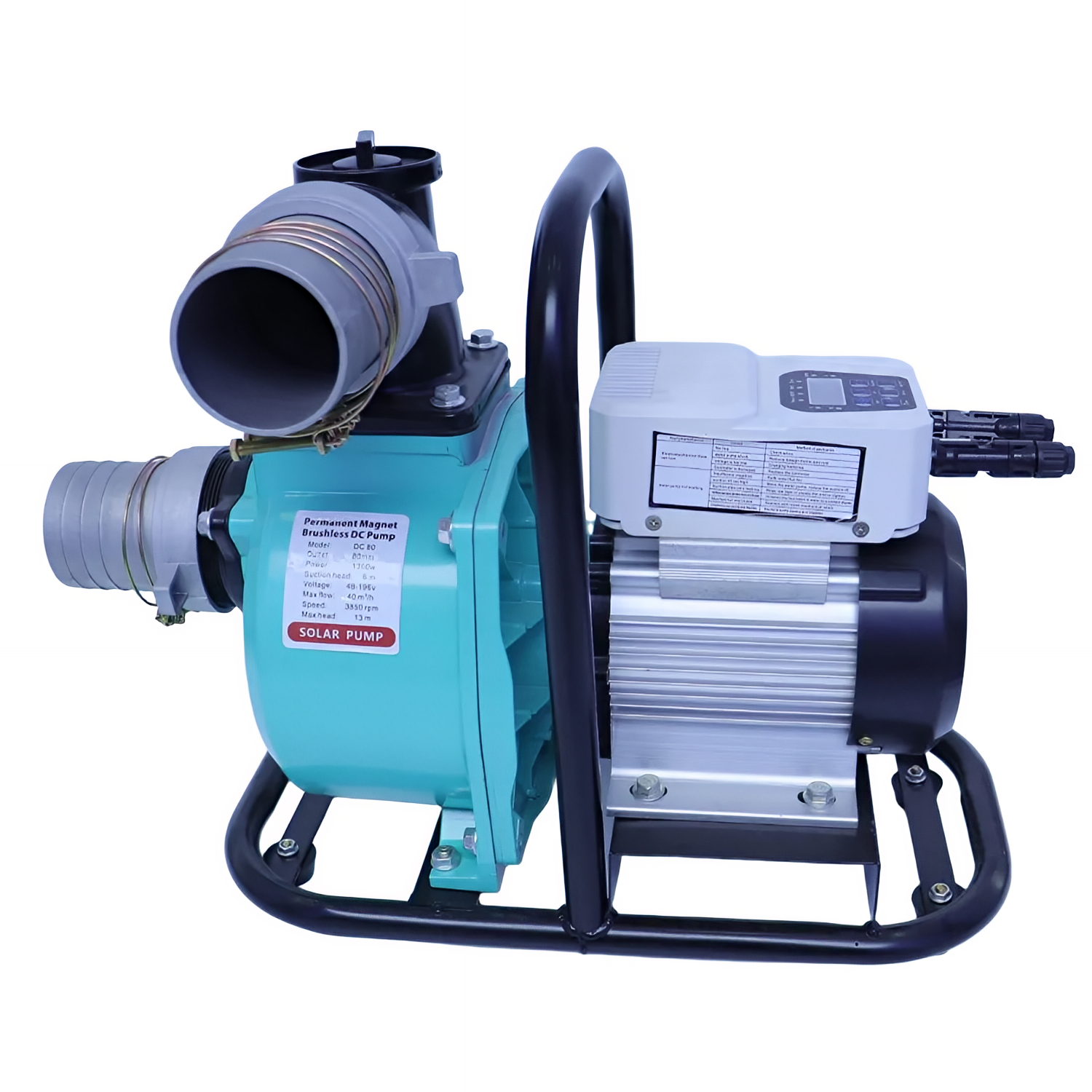
The transition toward renewable energy solutions has revolutionized agricultural and residential water management systems worldwide. A solar pump represents one of the most innovative technologies enabling water access in remote locations where traditional grid electricity remains unavailable. These systems harness the sun's energy to power water extraction and distribution processes, making them ideal for rural communities, agricultural operations, and off-grid installations. Understanding how these systems function independently of electrical infrastructure reveals the remarkable engineering principles that drive sustainable water solutions.
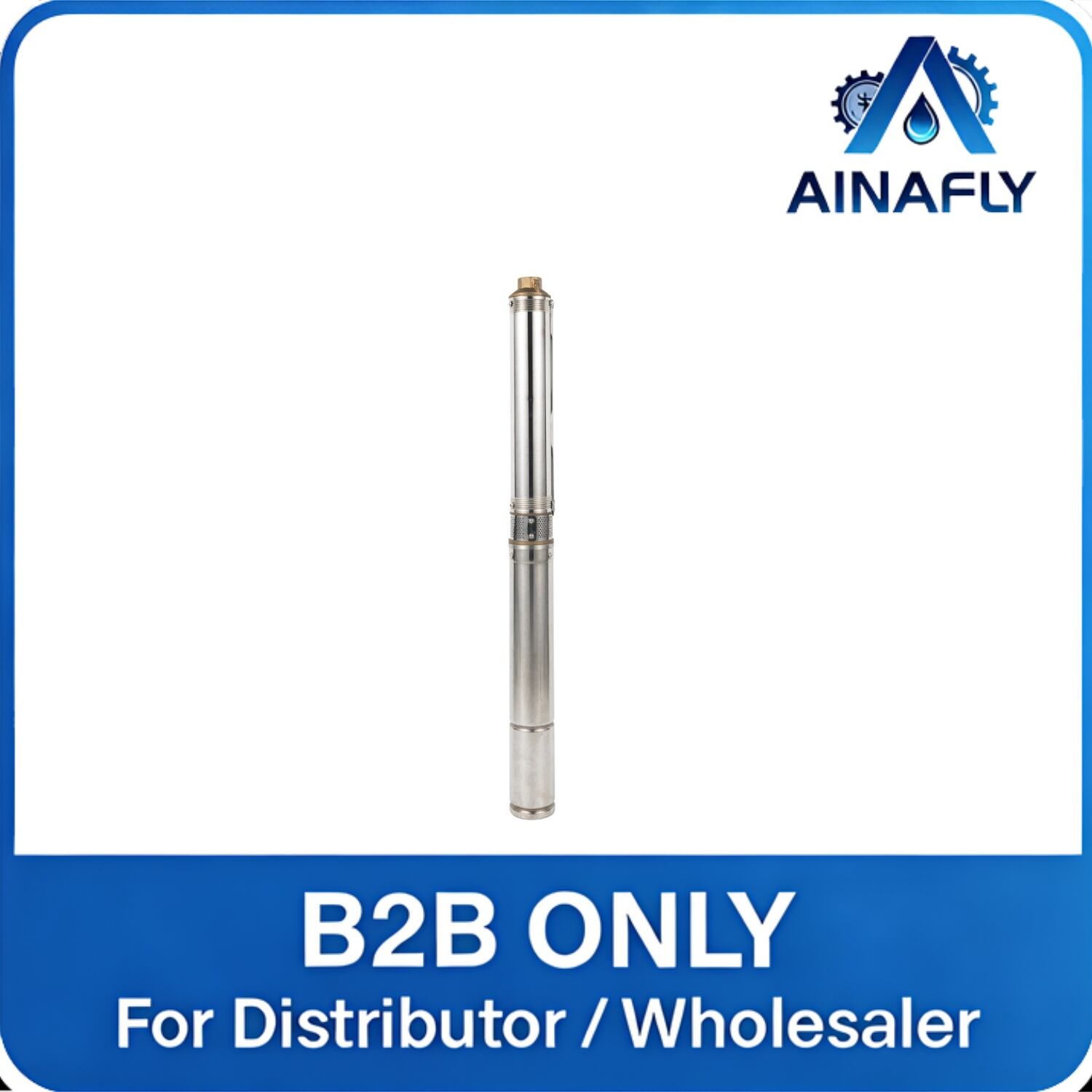
Modern solar pump technology combines photovoltaic panels, specialized controllers, and robust pump mechanisms to create entirely self-sufficient water systems. These installations eliminate dependency on conventional power grids while providing reliable water access for irrigation, livestock watering, and domestic use. The integration of advanced battery storage and intelligent control systems ensures continuous operation even during periods of limited sunlight, making solar-powered water solutions increasingly attractive for diverse applications.
Core Components of Solar Pump Systems
Photovoltaic Panel Configuration
The photovoltaic array serves as the primary energy source for any solar pump installation, converting sunlight directly into electrical current through semiconductor technology. These panels typically consist of monocrystalline or polycrystalline silicon cells arranged in series to generate sufficient voltage for pump operation. The panel configuration depends on the specific power requirements of the pump motor and the expected solar irradiance levels at the installation site.
Proper panel sizing ensures optimal performance throughout varying seasonal conditions and weather patterns. Engineers calculate the required panel capacity based on daily water demand, pumping depth, and available sunlight hours. Modern solar pump systems often incorporate maximum power point tracking technology to extract the highest possible energy output from the photovoltaic array under changing atmospheric conditions.
Installation orientation and tilt angle significantly impact the overall system efficiency, with panels typically positioned to maximize exposure to direct sunlight throughout peak operational hours. Advanced mounting systems allow for seasonal adjustments to optimize energy capture as the sun's path changes throughout the year.
Motor and Pump Assembly
The motor and pump assembly represents the mechanical heart of the solar pump system, converting electrical energy into hydraulic force necessary for water movement. Brushless DC motors have become the preferred choice for solar pump applications due to their high efficiency, reduced maintenance requirements, and compatibility with variable voltage inputs from photovoltaic arrays.
Centrifugal pumps excel in high-flow, low-head applications such as surface water transfer and shallow well pumping, while positive displacement pumps provide superior performance for deep well applications and high-pressure requirements. The pump selection process considers factors including total dynamic head, required flow rate, and the specific characteristics of the water source.
Specialized submersible designs allow for direct installation within water sources, eliminating the need for priming systems and reducing installation complexity. These units feature corrosion-resistant materials and waterproof electrical connections to ensure long-term reliability in challenging environments.
Control and Monitoring Systems
Advanced control systems optimize solar pump operation by managing power distribution, protecting equipment from damage, and maximizing system efficiency. These controllers continuously monitor photovoltaic output, motor performance, and system parameters to ensure optimal operation under varying conditions. Variable frequency drives adjust motor speed based on available solar energy, allowing the system to operate efficiently across a wide range of irradiance levels.
Integrated protection features prevent motor damage from conditions such as dry running, overcurrent, and voltage fluctuations. Many modern systems incorporate remote monitoring capabilities, enabling operators to track performance metrics and diagnose issues from distant locations through wireless communication technologies.
Smart control algorithms can prioritize different operational modes based on water demand patterns, battery charge levels, and weather forecasts. These systems learn from historical performance data to optimize energy usage and predict maintenance requirements before failures occur.
Energy Conversion and Storage Mechanisms
Direct Drive Operation
Direct drive solar pump systems connect photovoltaic panels directly to the pump motor without intermediate energy storage, creating the simplest and most cost-effective configuration for many applications. This approach eliminates the complexity and expense associated with battery systems while maintaining high overall efficiency through reduced energy conversion losses.
The pump operates only when sufficient solar irradiance is available, with output varying throughout the day based on available sunlight intensity. Peak pumping capacity typically occurs during midday hours when solar energy production reaches maximum levels. This operational pattern often aligns well with irrigation requirements and evapotranspiration rates in agricultural applications.
Water storage tanks or reservoirs provide the necessary buffer to maintain water availability during non-pumping hours, essentially storing energy in the form of elevated water rather than electrical batteries. This approach proves particularly effective for applications where immediate water delivery is not critical and adequate storage capacity exists.
Battery Integration Systems
Battery-integrated solar pump configurations provide continuous operation capability by storing excess solar energy during peak production hours for use during periods of low or no sunlight. Deep-cycle battery technologies, including lithium-ion and absorbed glass mat designs, offer the durability and cycling capability necessary for daily charge and discharge operations.
Charge controllers regulate the battery charging process to prevent overcharging and extend battery life while ensuring optimal energy storage efficiency. These systems typically incorporate multiple charging algorithms designed for different battery chemistries and environmental conditions. Temperature compensation features adjust charging parameters based on ambient conditions to maintain optimal battery performance and longevity.
Backup power capabilities enable critical water pumping operations during extended cloudy periods or emergency situations. The battery capacity sizing process considers factors such as daily energy consumption, desired autonomy period, and local weather patterns to ensure reliable operation under various conditions.
Installation and Configuration Considerations
Site Assessment and Planning
Comprehensive site assessment forms the foundation of successful solar pump installations, requiring detailed analysis of water resources, solar exposure, and operational requirements. Hydrogeological surveys determine water availability, quality, and sustainable pumping rates to ensure long-term system viability. Solar irradiance measurements and shading analysis identify optimal panel placement locations and predict seasonal energy production variations.
Accessibility considerations impact both installation costs and ongoing maintenance requirements, with remote locations requiring specialized equipment and logistics planning. Soil conditions and geological factors influence foundation requirements for panel mounting systems and pump installations. Environmental factors such as wind loads, temperature extremes, and precipitation patterns affect component selection and system design parameters.
Regulatory compliance ensures installations meet local electrical codes, water rights requirements, and environmental protection standards. Permit processes may involve multiple agencies and require detailed technical documentation demonstrating system safety and environmental impact assessments.
System Sizing and Optimization
Accurate system sizing balances performance requirements with economic constraints to deliver optimal value for specific applications. Water demand calculations consider peak usage periods, seasonal variations, and future expansion requirements to ensure adequate capacity throughout the system lifecycle. Pumping head calculations account for static lift, friction losses, and pressure requirements to determine total system hydraulic requirements.
Solar resource analysis utilizes historical weather data and solar irradiance measurements to predict energy availability throughout the year. The sizing process accounts for system losses, including inverter efficiency, wiring losses, and temperature derating factors that impact overall performance. Conservative design approaches incorporate safety factors to ensure reliable operation under less-than-optimal conditions.
Economic optimization balances initial capital costs with long-term operational savings to minimize lifecycle costs. Component selection considers factors such as efficiency ratings, warranty terms, and maintenance requirements to maximize return on investment over the system's operational lifetime.
Performance Optimization Strategies
Seasonal Adjustments and Maintenance
Regular maintenance protocols ensure solar pump systems maintain peak performance throughout their operational lifetime while minimizing unexpected failures and costly repairs. Panel cleaning schedules remove dust, debris, and biological growth that can significantly reduce energy production, with cleaning frequency adjusted based on local environmental conditions and seasonal patterns.
Seasonal adjustments to panel tilt angles can increase annual energy production by up to fifteen percent in some locations, making manual or automated tracking systems cost-effective for larger installations. Electrical connection inspections prevent corrosion and loose connections that could lead to power losses or safety hazards. Motor and pump maintenance includes bearing lubrication, impeller inspection, and seal replacement according to manufacturer specifications.
Performance monitoring systems track key metrics such as energy production, water output, and system efficiency to identify potential issues before they result in system failures. Preventive maintenance schedules based on operating hours and environmental exposure help maximize component lifespan while minimizing operational disruptions.
Advanced Control Strategies
Modern solar pump installations incorporate sophisticated control algorithms that optimize system performance across varying operating conditions and user requirements. Adaptive control systems learn from historical performance data to predict optimal operating parameters and adjust system behavior accordingly. Weather-based forecasting integrates meteorological data to optimize energy storage and water pumping schedules based on predicted solar availability.
Demand-responsive control systems prioritize water delivery based on user-defined preferences and real-time requirements, ensuring critical applications receive priority during periods of limited energy availability. Multi-zone irrigation control allows for sequential watering of different areas based on soil moisture levels, crop requirements, and available water pressure.
Energy management algorithms balance direct pump operation with battery charging to optimize overall system efficiency and ensure adequate backup power availability. These systems can automatically switch between different operational modes based on factors such as time of day, season, and energy availability patterns.
Applications and Use Cases
Agricultural Irrigation Systems
Solar pump technology has revolutionized agricultural water management in regions where conventional grid electricity is unavailable or unreliable, enabling farmers to implement efficient irrigation systems that reduce labor costs and improve crop yields. Drip irrigation systems powered by solar pumps deliver precise water application while minimizing waste, making them ideal for water-scarce regions and high-value crops.
Livestock watering applications benefit from the reliability and low maintenance requirements of solar pump systems, ensuring continuous access to clean water in remote pasture areas. The ability to operate independently of fuel supplies makes solar pumps particularly valuable for grazing operations in areas where fuel delivery is expensive or logistically challenging.
Greenhouse and controlled environment agriculture applications utilize solar pump systems for both irrigation and climate control functions, with integrated misting systems providing humidity control and temperature regulation. The scalable nature of solar pump technology allows for system expansion as agricultural operations grow and evolve.
Community Water Supply
Rural community water supply projects increasingly rely on solar pump technology to provide reliable access to clean water for domestic use, healthcare facilities, and educational institutions. These installations eliminate the ongoing fuel costs and maintenance complexity associated with diesel-powered alternatives while providing silent, emission-free operation.
Water treatment integration allows solar pump systems to power both water extraction and purification processes, creating complete water supply solutions for communities lacking access to treated water sources. Elevated storage systems provide gravity-fed distribution networks that maintain water pressure and availability during nighttime hours and cloudy periods.
Emergency response applications utilize portable solar pump systems to provide temporary water access during natural disasters or infrastructure failures. The rapid deployment capability and independence from damaged electrical infrastructure make these systems valuable tools for humanitarian relief operations.
Economic and Environmental Benefits
Cost-Effectiveness Analysis
The economic advantages of solar pump systems become increasingly apparent when considering total lifecycle costs compared to conventional alternatives, particularly in remote locations where fuel transportation and electrical infrastructure development costs are prohibitive. Initial capital investments are typically recovered within three to seven years through eliminated fuel costs and reduced maintenance requirements.
Operating cost advantages include elimination of fuel purchases, reduced maintenance complexity, and minimal labor requirements for day-to-day operations. The absence of moving parts in photovoltaic systems contributes to exceptional reliability and longevity, with many panels carrying warranties exceeding twenty-five years of operation.
Government incentives and financing programs in many regions provide additional economic benefits through tax credits, rebates, and low-interest loans specifically designed to promote renewable energy adoption. These programs can significantly reduce initial capital requirements while accelerating payback periods for solar pump installations.
Environmental Impact Reduction
Solar pump systems contribute significantly to environmental protection goals by eliminating greenhouse gas emissions associated with diesel-powered alternatives while reducing dependence on fossil fuel transportation to remote locations. The silent operation of solar pumps eliminates noise pollution concerns in sensitive environmental areas and residential applications.
Water conservation benefits result from the precise control capabilities of modern solar pump systems, which can deliver exact water quantities based on actual requirements rather than fixed pumping schedules. Integration with soil moisture sensors and weather monitoring systems enables precision irrigation that minimizes water waste while maintaining optimal growing conditions.
Lifecycle environmental impact assessments demonstrate that solar pump systems generate minimal environmental impact over their operational lifetime, with recyclable components and absence of hazardous materials making end-of-life disposal straightforward and environmentally responsible.
FAQ
How long do solar pump systems typically last?
Solar pump systems are designed for long-term operation, with photovoltaic panels typically lasting 25-30 years and maintaining over 80% of their original capacity throughout their warranty period. The pump motor and controller components generally require replacement after 10-15 years of operation, depending on usage patterns and maintenance quality. Overall system lifecycle often exceeds 20 years with proper maintenance and periodic component replacement.
Can solar pumps work during cloudy weather?
Solar pump systems can operate during cloudy conditions, although at reduced capacity compared to bright sunlight. Systems with battery storage maintain full operation during overcast periods by utilizing stored energy from previous sunny periods. Direct-drive systems without batteries will operate at reduced flow rates during cloudy weather, with output varying based on available solar irradiance levels throughout the day.
What maintenance is required for solar pump systems?
Solar pump systems require minimal maintenance compared to conventional alternatives, primarily involving periodic cleaning of solar panels to maintain optimal energy production and inspection of electrical connections for corrosion or loosening. Pump components may require bearing lubrication and seal replacement according to manufacturer schedules, while battery systems need periodic electrolyte level checks and terminal cleaning to ensure optimal performance and longevity.
How do I determine the right size solar pump for my needs?
Proper solar pump sizing requires calculation of total daily water requirements, pumping depth or pressure requirements, and available solar resources at the installation location. Professional assessment should consider factors such as peak demand periods, seasonal variations in water needs, and local solar irradiance patterns to ensure adequate system capacity. Consulting with experienced solar pump suppliers or engineers helps ensure optimal system design for specific applications and operating conditions.