 EN
EN

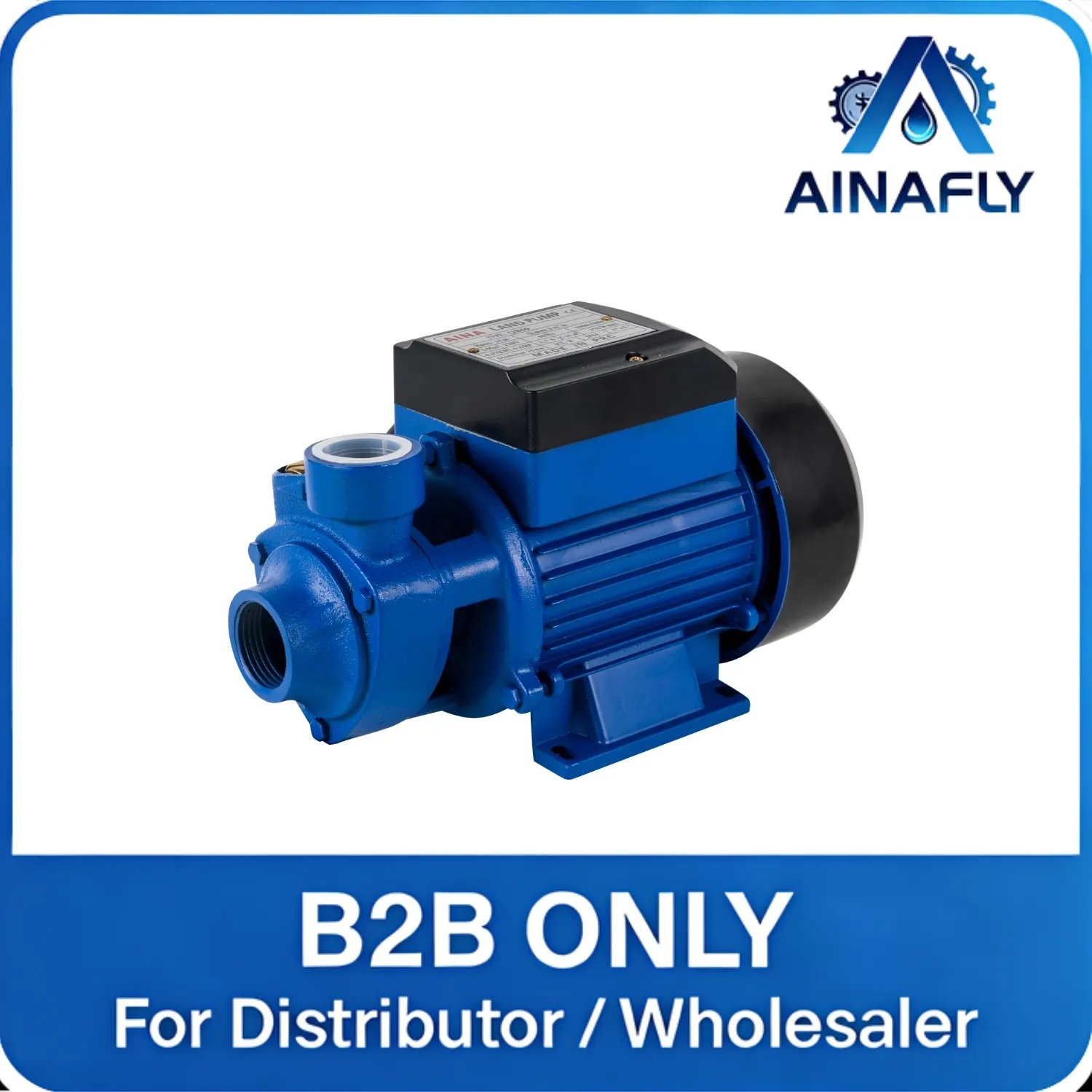
Water distribution systems form the backbone of modern civilization, ensuring that clean, potable water reaches homes, businesses, and industrial facilities across vast networks. At the heart of these complex systems lies a critical component that enables the seamless flow of water from source to destination: the water pump. These mechanical devices serve as the driving force that overcomes gravitational challenges, pressure losses, and distance barriers to maintain consistent water supply throughout distribution networks.
The continuous operation of water distribution networks depends heavily on sophisticated pumping systems that work around the clock to maintain adequate pressure and flow rates. Without these essential mechanisms, water would struggle to reach elevated areas, overcome friction losses in lengthy pipeline systems, or maintain sufficient pressure for proper distribution to end users. Understanding how water pump technology supports continuous distribution reveals the intricate engineering behind our daily water supply.
Fundamental Principles of Water Pump Operation in Distribution Systems
Pressure Generation and Maintenance
The primary function of any water pump within a distribution system revolves around pressure generation. Municipal water networks require consistent pressure levels to ensure adequate flow reaches all connected properties, regardless of elevation or distance from the source. A properly designed water pump system creates the necessary pressure differential that drives water through the extensive network of pipes, valves, and fittings that comprise modern distribution infrastructure.
Pressure maintenance becomes particularly critical in systems serving varied topographical areas. When water must travel uphill or reach elevated storage tanks, the water pump must generate sufficient head pressure to overcome gravitational forces. This pressure generation capability determines the pump's effectiveness in maintaining continuous service to all connected users, making proper pump selection crucial for system reliability.
Flow Rate Optimization
Beyond pressure considerations, water pump systems must deliver appropriate flow rates to meet varying demand patterns throughout different periods. Peak demand hours require higher flow capacity, while off-peak periods may operate at reduced rates. Modern water pump installations incorporate variable frequency drives and sophisticated control systems that automatically adjust pump operation to match real-time demand while maintaining system efficiency.
Flow rate optimization directly impacts energy consumption and operational costs. By matching pump output to actual demand, water utilities can significantly reduce energy expenses while extending equipment lifespan. This optimization process requires careful coordination between multiple pump units in larger systems, ensuring seamless transitions during demand fluctuations.
Types of Water Pumps in Distribution Networks
Centrifugal Pump Applications
Centrifugal pumps dominate municipal water distribution applications due to their reliability, efficiency, and maintenance characteristics. These pumps utilize rotating impellers to impart kinetic energy to water, converting this energy into pressure through carefully designed volute casings. The simplicity of centrifugal pump design makes them ideal for continuous operation scenarios where reliability takes precedence over complex functionality.
In distribution systems, centrifugal water pump installations typically feature multiple units operating in parallel or series configurations. Parallel operation allows for redundancy and capacity flexibility, while series arrangements provide enhanced pressure capabilities for challenging applications. The modular nature of centrifugal pump systems enables utilities to scale capacity as demand grows without completely redesigning existing infrastructure.
Positive Displacement Pump Advantages
Positive displacement pumps offer unique advantages in specific distribution scenarios, particularly where precise flow control or high-pressure capabilities are required. These pumps deliver consistent flow rates regardless of system pressure variations, making them valuable for specialized applications within larger distribution networks. Their ability to generate high pressures at relatively low flow rates makes them suitable for booster applications and specialized industrial supply connections.
While less common in main distribution lines, positive displacement water pump technology finds applications in pressure boosting stations, chemical injection systems, and specialized industrial connections. Their precise control characteristics make them valuable components in automated distribution systems where exact flow rates must be maintained regardless of downstream pressure fluctuations.
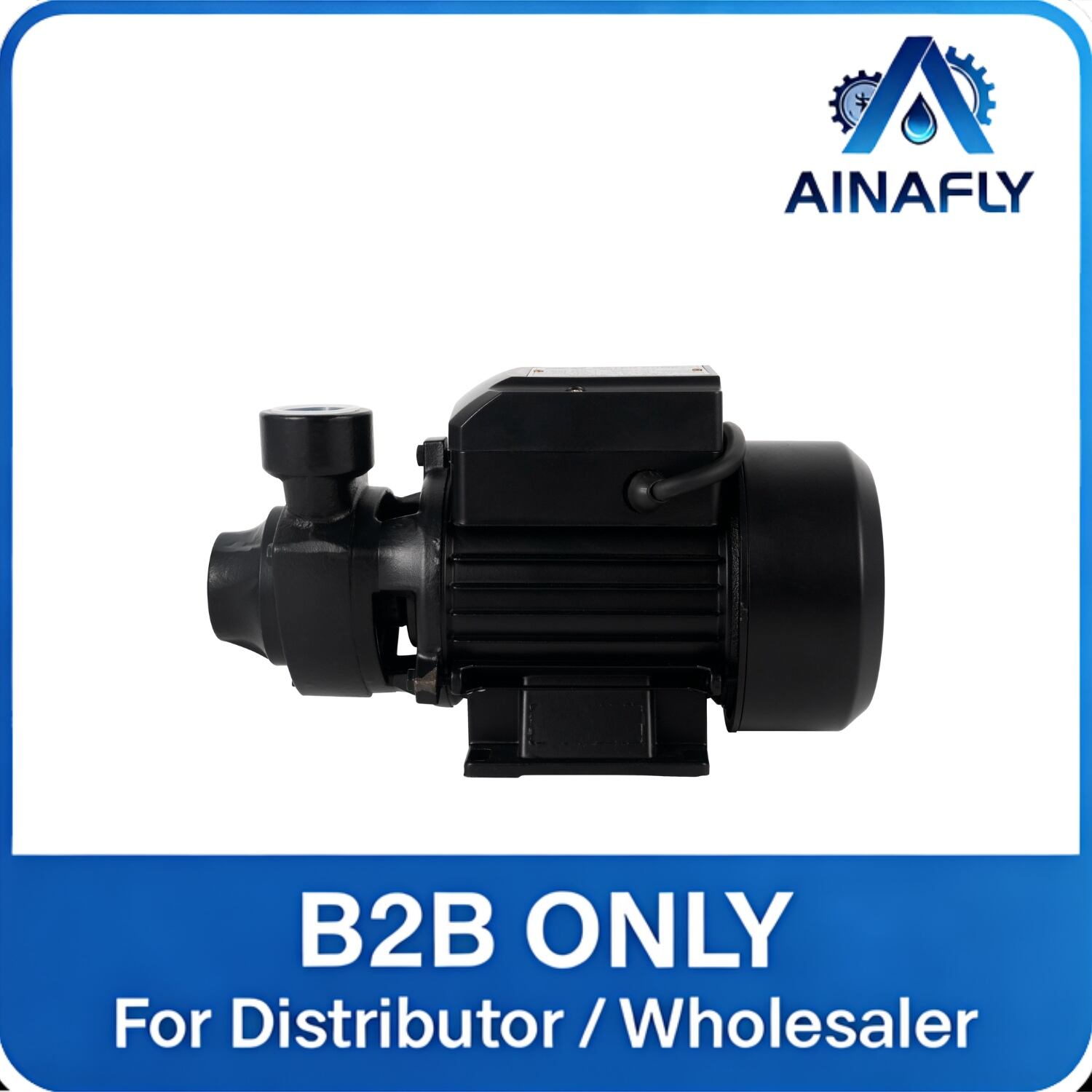
Control Systems and Automation in Water Pump Operations
Variable Frequency Drive Integration
Modern water pump installations increasingly rely on variable frequency drive technology to optimize performance and energy consumption. These electronic control systems adjust motor speed in response to system demand, allowing pumps to operate at optimal efficiency points throughout varying load conditions. VFD integration enables precise control over pump performance while significantly reducing energy consumption compared to traditional fixed-speed operations.
The integration of VFD technology with water pump systems provides numerous operational benefits beyond energy savings. Soft starting capabilities reduce mechanical stress on pump components, extending equipment lifespan and reducing maintenance requirements. Additionally, the precise speed control allows for gradual pressure changes that minimize water hammer effects and protect distribution system integrity.
SCADA System Coordination
Supervisory Control and Data Acquisition systems play a crucial role in coordinating water pump operations across extensive distribution networks. These computerized systems continuously monitor system parameters including pressure, flow rate, tank levels, and equipment status to make real-time operational decisions. SCADA integration allows for centralized control of multiple pump stations while providing operators with comprehensive system visibility.
Advanced SCADA systems incorporate predictive algorithms that anticipate demand patterns and automatically adjust pump operations to maintain optimal system performance. This predictive capability enables proactive management of distribution systems, preventing pressure drops or supply interruptions before they occur. The integration of weather data, historical consumption patterns, and real-time monitoring creates intelligent pump control systems that enhance reliability while minimizing operational costs.
Energy Efficiency and Sustainability Considerations
Pump Selection for Optimal Efficiency
Energy efficiency considerations play an increasingly important role in water pump selection and operation within distribution systems. Modern high-efficiency pump designs incorporate advanced impeller geometries, optimized hydraulic passages, and premium motor technologies that significantly reduce energy consumption compared to older installations. Proper pump selection based on actual system requirements rather than oversized safety factors can result in substantial energy savings over equipment lifetime.
The selection process for efficient water pump systems requires careful analysis of system curves, duty points, and operating patterns. Pumps operating near their best efficiency points consume significantly less energy while delivering superior performance and longevity. This optimization process often involves complex hydraulic calculations and system modeling to ensure proper matching between pump characteristics and system requirements.
Renewable Energy Integration
Sustainable water distribution systems increasingly incorporate renewable energy sources to power water pump operations. Solar photovoltaic systems, wind generation, and energy storage technologies offer opportunities to reduce the carbon footprint of water distribution while potentially lowering operational costs. These renewable energy installations require specialized control systems that coordinate energy production with pump demand patterns.
The integration of renewable energy with water pump systems presents unique challenges related to energy storage, grid interconnection, and demand matching. However, the combination of energy-efficient pump technology with renewable power sources creates highly sustainable distribution systems that align with environmental goals while maintaining reliable service delivery.
Maintenance and Reliability in Continuous Operations
Preventive Maintenance Strategies
Continuous water distribution depends heavily on preventive maintenance programs that ensure water pump systems operate reliably without unexpected failures. These comprehensive programs include regular inspection schedules, lubrication protocols, vibration analysis, and performance monitoring that identify potential issues before they result in service interruptions. Properly maintained pump systems deliver decades of reliable service while minimizing emergency repair costs.
Modern maintenance strategies increasingly rely on condition monitoring technologies that provide real-time assessment of pump health. Vibration sensors, thermal imaging, oil analysis, and performance trending identify developing problems while equipment remains operational. This predictive approach to maintenance maximizes equipment availability while optimizing maintenance resource allocation.
Redundancy and Backup Systems
Reliable water distribution requires redundant pump capacity and backup systems that ensure continuous service during equipment failures or maintenance periods. Most critical installations incorporate multiple water pump units with automatic switchover capabilities that seamlessly maintain service during individual unit outages. This redundancy planning extends beyond individual pumps to include backup power generation, alternative water sources, and emergency distribution protocols.
Emergency preparedness planning for water pump systems includes provisions for rapid equipment replacement, mobile pump deployment, and alternative distribution methods. These comprehensive backup strategies ensure that critical water services continue during extended outages while permanent repairs are completed. The investment in redundant systems and emergency preparedness directly correlates with service reliability and customer satisfaction levels.
Future Developments in Water Pump Technology
Smart Pump Technologies
The evolution of water pump technology continues with the development of smart pump systems that incorporate artificial intelligence, machine learning, and advanced sensor technologies. These intelligent systems continuously optimize performance based on changing conditions, learn from operational patterns, and predict maintenance requirements with unprecedented accuracy. Smart water pump installations promise significant improvements in efficiency, reliability, and operational cost reduction.
Internet of Things connectivity enables remote monitoring and control capabilities that revolutionize water pump management. Cloud-based analytics platforms process vast amounts of operational data to identify optimization opportunities and predict system behavior under various scenarios. This technological advancement transforms traditional reactive maintenance approaches into proactive management strategies that prevent problems before they impact service delivery.
Advanced Materials and Design Innovations
Ongoing research in materials science and pump design continues to improve water pump performance and longevity. Advanced coating technologies, corrosion-resistant materials, and optimized hydraulic designs extend equipment lifespan while improving efficiency. These innovations particularly benefit installations in challenging environments where traditional materials may experience accelerated wear or corrosion.
Computational fluid dynamics and advanced manufacturing techniques enable the development of highly optimized pump components that deliver superior performance across wide operating ranges. These design improvements result in water pump systems that maintain high efficiency across varying load conditions while reducing maintenance requirements and extending service life.
FAQ
What factors determine the size and type of water pump needed for a distribution system
The selection of appropriate water pump size and type depends on several critical factors including total dynamic head requirements, flow rate demands, system pressure needs, and elevation changes throughout the distribution network. Engineers must calculate pipe friction losses, static head requirements, and peak demand scenarios to properly size pump systems. Additionally, factors such as water quality, ambient conditions, energy costs, and maintenance capabilities influence the selection of specific pump technologies and configurations.
How do water pumps maintain consistent pressure throughout large distribution networks
Large distribution networks maintain consistent pressure through strategically placed pump stations, pressure reducing valves, and elevated storage tanks that work together as integrated systems. Water pump stations are positioned at key locations to boost pressure where needed, while control systems automatically adjust pump operation based on real-time pressure monitoring throughout the network. This coordinated approach ensures adequate pressure reaches all users regardless of their distance from the source or elevation within the service area.
What backup systems are typically used when water pumps fail in distribution networks
Distribution systems typically incorporate multiple backup strategies including redundant pump units at each station, emergency generator systems for power outages, mobile pump trailers for temporary service, and interconnected pipeline networks that allow water supply from alternative sources. Many systems also maintain elevated storage tanks that provide gravity-fed emergency supply during pump failures. These comprehensive backup systems ensure continuous water service during equipment maintenance or unexpected failures while permanent repairs are completed.
How does energy efficiency impact water pump selection for municipal systems
Energy efficiency significantly impacts both initial pump selection and long-term operational costs in municipal water systems. High-efficiency water pump designs with premium motors and optimized hydraulics can reduce energy consumption by 20-30% compared to standard efficiency units. When combined with variable frequency drives and intelligent control systems, these efficient pumps deliver substantial cost savings over their operational lifetime. The initial investment in efficient equipment typically pays for itself through reduced energy costs within several years while providing superior performance and reliability.
Table of Contents
- Fundamental Principles of Water Pump Operation in Distribution Systems
- Types of Water Pumps in Distribution Networks
- Control Systems and Automation in Water Pump Operations
- Energy Efficiency and Sustainability Considerations
- Maintenance and Reliability in Continuous Operations
- Future Developments in Water Pump Technology
-
FAQ
- What factors determine the size and type of water pump needed for a distribution system
- How do water pumps maintain consistent pressure throughout large distribution networks
- What backup systems are typically used when water pumps fail in distribution networks
- How does energy efficiency impact water pump selection for municipal systems