 EN
EN
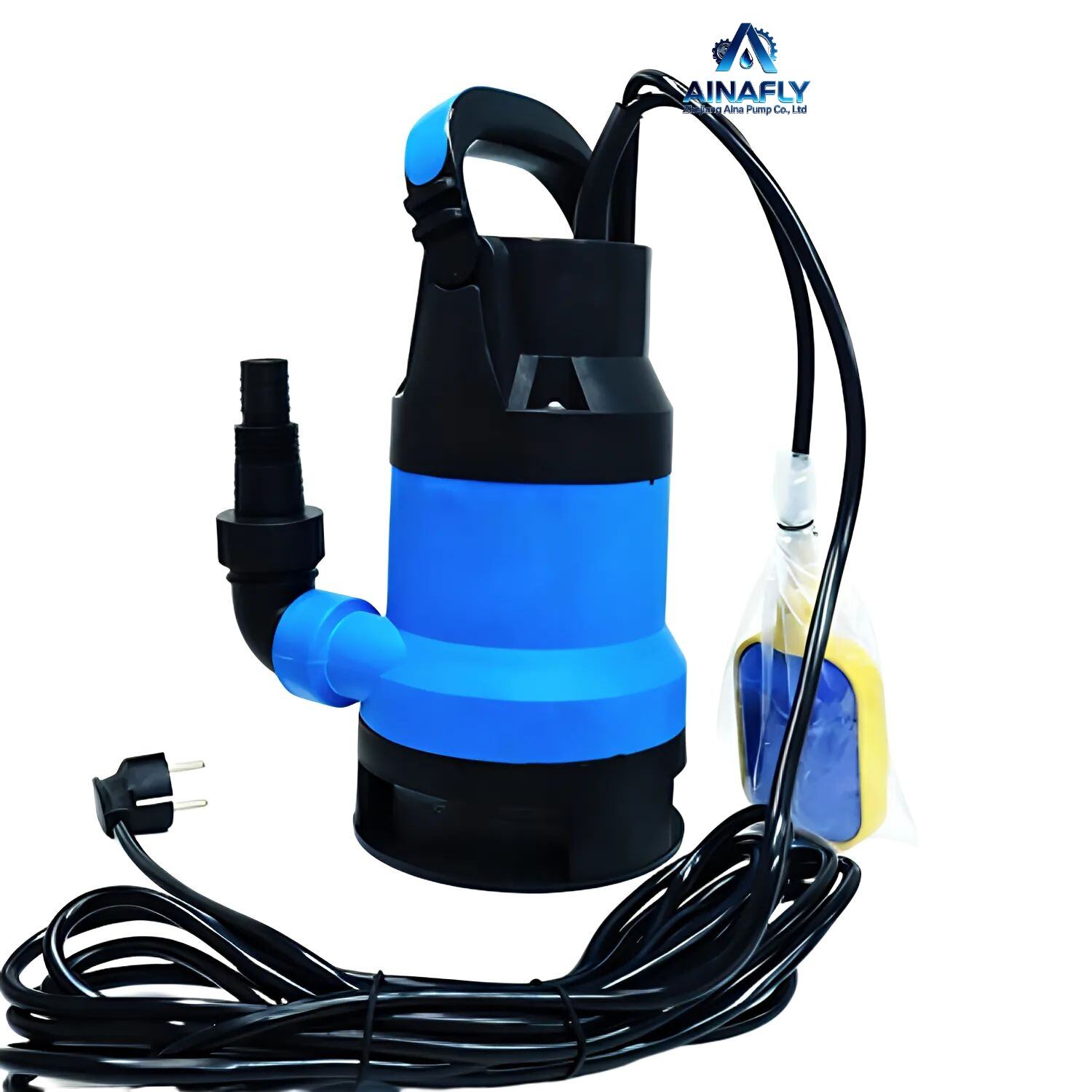
Maintaining optimal performance of industrial water systems requires consistent attention to critical components, particularly the water pump mechanisms that drive fluid circulation throughout facilities. Proper maintenance practices ensure these essential systems operate at peak efficiency while minimizing unexpected downtime and costly repairs. Understanding comprehensive maintenance protocols enables facility managers to extend equipment lifespan and maintain reliable operations across diverse industrial applications.
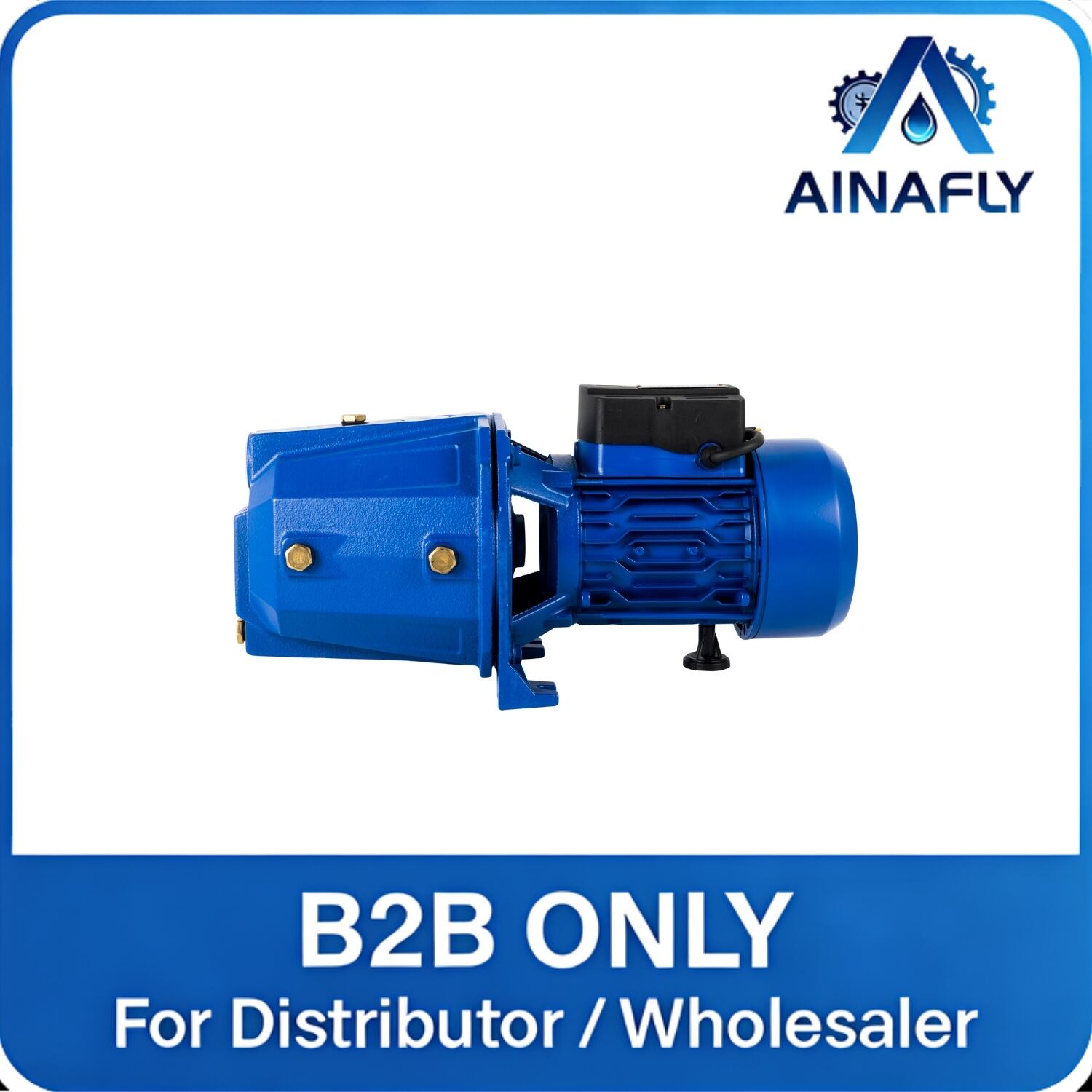
Water pump maintenance encompasses multiple interconnected systems requiring systematic evaluation and preventive care. Effective maintenance programs integrate scheduled inspections, component replacements, performance monitoring, and environmental considerations to ensure continuous operation. These comprehensive approaches prevent catastrophic failures while optimizing energy consumption and operational costs throughout the equipment lifecycle.
Essential Daily and Weekly Inspection Protocols
Visual Assessment Procedures
Daily visual inspections form the foundation of effective water pump maintenance programs, enabling early detection of potential issues before they escalate into costly problems. Operators should examine pump housings for signs of corrosion, leakage, or unusual wear patterns that indicate developing mechanical issues. These routine assessments help identify alignment problems, vibration concerns, and seal deterioration that could compromise system integrity.
Weekly inspection protocols should include detailed examination of electrical connections, motor housings, and coupling assemblies. Proper documentation of observed conditions creates valuable historical records that reveal performance trends and potential failure patterns. Systematic recording enables maintenance teams to predict required interventions and schedule repairs during planned downtime periods rather than emergency situations.
Performance Monitoring Techniques
Monitoring operational parameters provides critical insights into water pump performance characteristics and developing maintenance needs. Regular measurement of flow rates, pressure differentials, and power consumption establishes baseline performance metrics for comparison during future evaluations. These measurements help identify gradual efficiency degradation that might otherwise go unnoticed until significant problems develop.
Temperature monitoring across pump components reveals bearing wear, inadequate lubrication, or cooling system problems affecting long-term reliability. Vibration analysis techniques detect mechanical imbalances, misalignment issues, or component wear patterns requiring attention. Advanced monitoring systems can provide real-time alerts when parameters exceed acceptable ranges, enabling immediate corrective actions.
Lubrication Management and Bearing Care
Proper Lubricant Selection
Selecting appropriate lubricants for water pump applications requires understanding specific operating conditions, environmental factors, and manufacturer specifications. High-quality lubricants reduce friction between moving components while protecting against corrosion and contamination that could damage critical surfaces. Regular lubricant analysis reveals contamination levels, viscosity changes, and additive depletion indicating replacement needs.
Different water pump configurations require specific lubricant types optimized for their unique operating characteristics. Submersible units need lubricants designed for underwater applications, while surface-mounted systems may require different formulations. Understanding these requirements ensures optimal protection and performance across diverse installation environments.
Bearing Maintenance Strategies
Bearing maintenance represents one of the most critical aspects of water pump care, directly impacting system reliability and operational efficiency. Proper bearing lubrication schedules prevent premature wear while ensuring smooth operation under varying load conditions. Over-lubrication can be as problematic as under-lubrication, making precise application essential for optimal performance.
Regular bearing inspection includes checking for excessive play, unusual noise patterns, or temperature variations indicating developing problems. Replacement timing depends on operating hours, environmental conditions, and load factors affecting bearing life expectancy. Maintaining accurate records of bearing performance helps establish optimal replacement intervals for specific applications.
Seal and Gasket Maintenance Programs
Seal Inspection and Replacement
Mechanical seals in water pump systems require regular inspection to prevent leakage that could damage surrounding equipment or create safety hazards. Proper seal maintenance involves monitoring for signs of wear, checking spring tension, and ensuring adequate cooling water flow to prevent overheating. Early detection of seal problems enables replacement during scheduled maintenance rather than emergency shutdowns.
Different seal materials perform optimally under specific conditions, making proper selection crucial for long-term reliability. Temperature extremes, chemical compatibility, and pressure requirements influence seal material choice and replacement intervals. Understanding these factors helps maintenance teams select appropriate replacement components for specific applications.
Gasket System Care
Gasket maintenance ensures proper sealing between pump components while preventing contamination that could affect water quality or system performance. Regular inspection of gasket surfaces reveals compression set, cracking, or chemical degradation requiring replacement. Proper installation techniques ensure optimal sealing performance and extended service life.
Environmental factors significantly impact gasket longevity, with temperature cycling, chemical exposure, and mechanical stress affecting material integrity. Selecting appropriate gasket materials for specific applications prevents premature failure while maintaining system reliability. Regular replacement schedules based on operating conditions help prevent unexpected failures.
Motor and Electrical System Maintenance
Electrical Connection Care
Electrical connections in water pump systems require regular inspection to prevent voltage drops, overheating, or complete system failures. Loose connections create resistance that generates heat, potentially damaging wiring or control components. Systematic tightening of electrical connections during maintenance intervals prevents these issues while ensuring reliable power delivery.
Insulation resistance testing reveals developing problems with motor windings or cable systems before complete failures occur. These tests help identify moisture infiltration, insulation degradation, or contamination affecting electrical performance. Regular testing enables proactive replacement of deteriorating components before they cause system-wide problems.
Motor Ventilation and Cooling
Motor cooling systems require regular cleaning to maintain adequate airflow and prevent overheating that could damage windings or reduce operational efficiency. Accumulated debris in cooling fins or ventilation passages restricts heat dissipation, leading to elevated operating temperatures. Regular cleaning maintains optimal thermal management throughout varying load conditions.
Cooling fan maintenance ensures adequate airflow across motor surfaces while preventing bearing failures that could disable cooling systems. Fan blade inspection reveals damage or imbalance that could create vibration or reduce cooling effectiveness. Proper fan maintenance extends motor life while maintaining consistent performance under demanding operating conditions.
Impeller and Volute Maintenance
Impeller Inspection and Cleaning
Impeller maintenance directly affects water pump efficiency and performance characteristics across all operating conditions. Regular inspection reveals wear patterns, erosion damage, or debris accumulation affecting hydraulic performance. Cleaning procedures remove accumulated deposits while inspection identifies components requiring repair or replacement.
Proper impeller balance ensures smooth operation while preventing vibration that could damage bearings or other system components. Balancing procedures require specialized equipment and expertise to achieve optimal results. Regular balance verification helps maintain system stability while extending component life expectancy.
Volute Case Maintenance
Volute case inspection reveals erosion patterns, corrosion damage, or structural issues affecting water pump performance and reliability. Internal surfaces require regular examination for wear that could alter hydraulic characteristics or create clearance problems. Proper maintenance procedures address these issues before they compromise system operation.
Clearance adjustments between impeller and volute components ensure optimal efficiency while preventing contact that could cause catastrophic damage. These measurements require precision tools and careful documentation to maintain proper relationships. Regular clearance verification helps optimize performance while preventing costly mechanical failures.
Preventive Maintenance Scheduling
Maintenance Interval Planning
Effective maintenance scheduling balances operational requirements with component service intervals to minimize disruption while ensuring reliable water pump performance. Different components have varying maintenance needs based on operating conditions, environmental factors, and manufacturer recommendations. Coordinated scheduling maximizes maintenance efficiency while reducing overall system downtime.
Condition-based maintenance strategies use performance monitoring data to optimize maintenance timing rather than relying solely on calendar-based schedules. This approach can extend component life while reducing maintenance costs through more precise intervention timing. Advanced monitoring systems enable predictive maintenance approaches that further optimize resource utilization.
Documentation and Record Keeping
Comprehensive maintenance records provide valuable insights into water pump performance trends, component reliability, and optimal service intervals. Detailed documentation enables analysis of failure patterns, cost trends, and maintenance effectiveness across different operating conditions. These records support informed decision-making regarding component replacement, upgrade timing, and maintenance strategy refinements.
Digital maintenance management systems streamline record keeping while providing advanced analysis capabilities for performance optimization. Automated scheduling, work order management, and inventory tracking improve maintenance efficiency while ensuring critical tasks receive appropriate attention. Proper documentation supports warranty claims and regulatory compliance requirements.
Troubleshooting Common Performance Issues
Flow and Pressure Problems
Reduced flow rates or pressure fluctuations in water pump systems often indicate developing mechanical or hydraulic problems requiring immediate attention. Systematic troubleshooting procedures help identify root causes rather than addressing symptoms alone. Common issues include impeller wear, suction line restrictions, or internal recirculation affecting overall performance.
Pressure measurement at multiple system points helps isolate problem areas while eliminating potential causes through systematic evaluation. Proper diagnostic procedures prevent unnecessary component replacement while ensuring effective problem resolution. Understanding system hydraulics enables more effective troubleshooting and faster problem resolution.
Vibration and Noise Analysis
Unusual vibration or noise patterns in water pump installations indicate mechanical problems that could lead to catastrophic failures if left unaddressed. Systematic analysis of vibration frequency and amplitude reveals specific component problems while enabling targeted maintenance interventions. Early detection prevents costly secondary damage to connected equipment.
Noise analysis techniques help distinguish between normal operational sounds and problematic conditions requiring attention. Different noise characteristics indicate specific problems such as cavitation, bearing wear, or impeller damage. Proper analysis enables precise problem identification and effective corrective actions.
FAQ
How often should water pump bearings be inspected and lubricated
Water pump bearing inspection should occur monthly for critical applications, while lubrication intervals depend on operating conditions and manufacturer specifications, typically ranging from 1,000 to 8,000 operating hours. High-temperature or contaminated environments may require more frequent attention, while clean, moderate conditions allow extended intervals. Always consult manufacturer guidelines and consider actual operating conditions when establishing maintenance schedules.
What are the most common signs of impending water pump failure
Early warning signs include unusual vibration, increased noise levels, reduced flow rates, elevated operating temperatures, and visible leakage around seals or connections. Performance degradation such as higher power consumption or inability to maintain pressure also indicates developing problems. Regular monitoring of these parameters enables proactive maintenance before complete failure occurs.
How can facility managers optimize water pump energy efficiency through maintenance
Maintaining proper impeller clearances, ensuring clean heat exchangers, keeping electrical connections tight, and using appropriate lubricants all contribute to optimal energy efficiency. Regular cleaning of cooling systems, proper alignment verification, and timely replacement of worn components prevent energy waste. Performance monitoring helps identify efficiency degradation requiring corrective action.
What environmental factors most significantly impact water pump maintenance requirements
Temperature extremes, humidity levels, dust or debris exposure, chemical contamination, and vibration from surrounding equipment significantly influence maintenance needs. Corrosive environments require more frequent inspection and specialized materials, while clean installations may allow extended service intervals. Understanding site-specific conditions helps optimize maintenance strategies for local requirements.
Table of Contents
- Essential Daily and Weekly Inspection Protocols
- Lubrication Management and Bearing Care
- Seal and Gasket Maintenance Programs
- Motor and Electrical System Maintenance
- Impeller and Volute Maintenance
- Preventive Maintenance Scheduling
- Troubleshooting Common Performance Issues
-
FAQ
- How often should water pump bearings be inspected and lubricated
- What are the most common signs of impending water pump failure
- How can facility managers optimize water pump energy efficiency through maintenance
- What environmental factors most significantly impact water pump maintenance requirements