 EN
EN

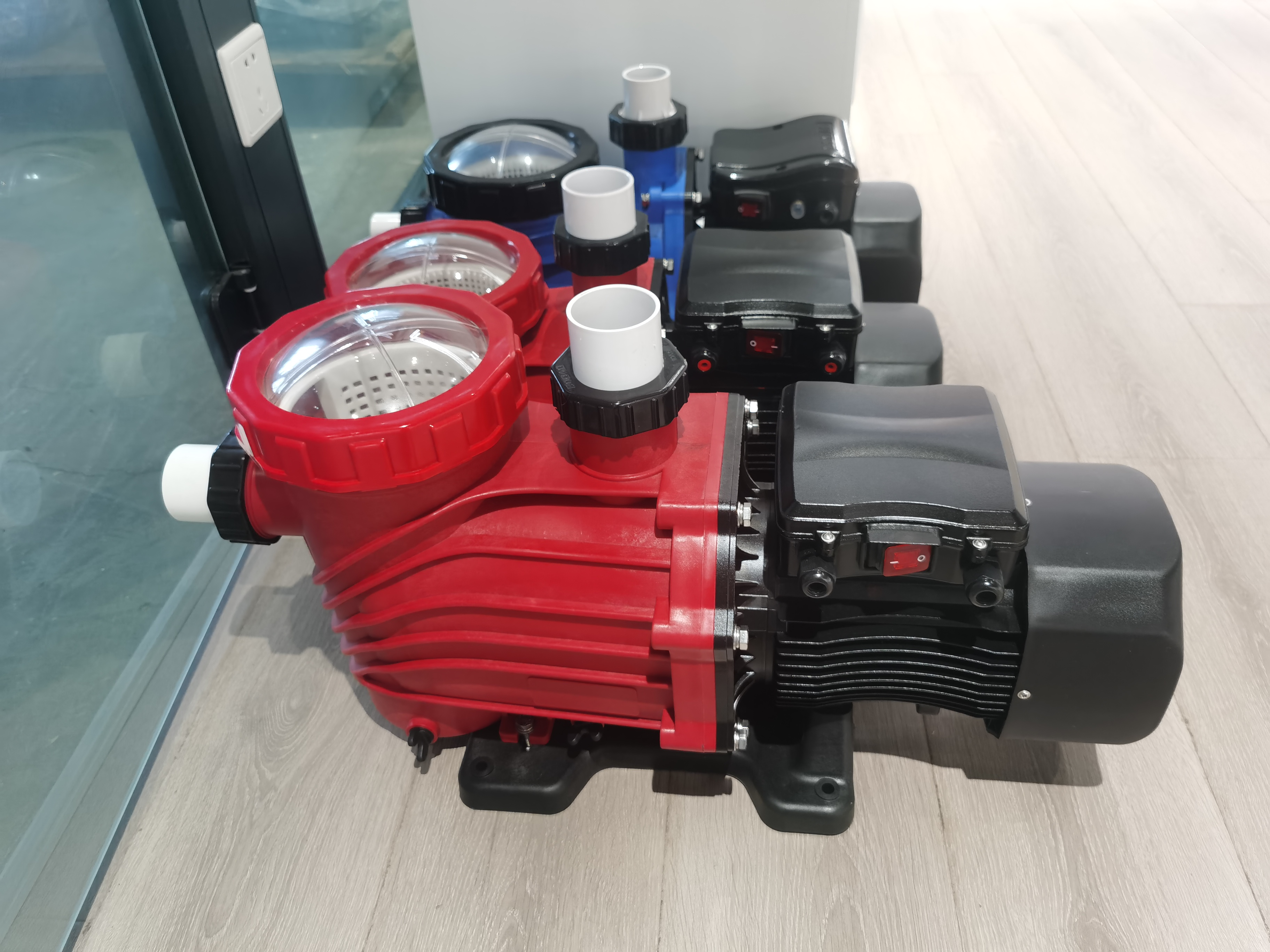
Selecting the appropriate swimming pool pump is crucial for maintaining crystal-clear water and ensuring optimal circulation throughout your pool system. The size and capacity of your swimming pool pump directly impact energy efficiency, water quality, and overall system performance. Understanding the relationship between pool volume, circulation requirements, and pump specifications will help you make an informed decision that balances effectiveness with operational costs.
Understanding Pool Volume and Circulation Requirements
Calculating Your Pool Volume Accurately
The foundation of proper swimming pool pump sizing begins with accurately determining your pool's total water volume. For rectangular pools, multiply length by width by average depth, then multiply by 7.5 to convert cubic feet to gallons. Round pools require a different calculation using the formula: 3.14 × radius squared × average depth × 7.5. Kidney-shaped and irregular pools present additional challenges, often requiring professional measurement or breaking the pool into sections for more precise calculations.
Accurate volume measurements ensure your swimming pool pump can handle the complete water circulation within the recommended timeframe. Most pool professionals recommend complete water turnover every 6 to 8 hours during peak swimming season. This circulation rate helps maintain proper chemical distribution, prevents algae growth, and ensures consistent water temperature throughout the pool. Miscalculating volume can lead to undersized or oversized pump selection, both of which create operational inefficiencies.
Determining Optimal Flow Rates
Flow rate requirements depend on several factors beyond basic pool volume, including bather load, environmental conditions, and filtration system specifications. A standard residential swimming pool pump should circulate the entire pool volume at least twice daily, translating to a flow rate measured in gallons per minute. Higher bather loads or pools located in areas with heavy debris require increased circulation rates to maintain water clarity and sanitation effectiveness.
Environmental factors such as nearby trees, wind patterns, and sun exposure influence the ideal flow rate for your specific installation. Pools surrounded by vegetation or in windy locations accumulate debris more rapidly, necessitating higher circulation rates. Additionally, heated pools and spas require more frequent turnover to maintain consistent temperatures and prevent stratification. These considerations directly impact the size and capacity requirements for your swimming pool pump selection.
Pump Sizing for Above-Ground Pools
Small to Medium Above-Ground Pool Requirements
Above-ground pools typically range from 12 to 30 feet in diameter, with volumes between 3,000 and 20,000 gallons. These installations generally require swimming pool pump capacities between 0.5 and 1.5 horsepower to achieve adequate circulation. Smaller pools benefit from lower horsepower pumps that provide gentle, consistent circulation without creating excessive turbulence or noise. The reduced hydraulic head in above-ground installations allows for more efficient pump operation at lower power levels.
Installation considerations for above-ground pools include pump placement, suction line length, and return jet positioning. The swimming pool pump should be positioned below water level when possible to maintain prime and reduce cavitation risk. Shorter plumbing runs improve overall system efficiency and reduce the total dynamic head, allowing smaller pumps to achieve required flow rates. Proper valve placement and skimmer integration also influence pump sizing decisions for above-ground applications.
Large Above-Ground Pool Considerations
Larger above-ground pools exceeding 24 feet in diameter require more robust circulation systems and correspondingly larger swimming pool pump units. These installations often benefit from variable-speed pumps that can adjust flow rates based on current pool conditions and usage patterns. Multi-speed options provide flexibility for different operational modes, such as circulation, filtration, and cleaning cycles, while maintaining energy efficiency throughout various operational scenarios.
Advanced filtration requirements in larger above-ground pools may necessitate additional equipment integration, including automatic pool cleaners, heating systems, and chemical feeders. Each additional component increases the total system head and flow requirements, directly impacting swimming pool pump sizing calculations. Professional installation becomes increasingly important as system complexity grows, ensuring proper hydraulic matching between all system components.
In-Ground Pool Pump Specifications
Residential In-Ground Pool Systems
In-ground pools present unique sizing challenges due to deeper installations, longer plumbing runs, and more complex hydraulic systems. Standard residential in-ground pools require swimming pool pump capacities ranging from 1 to 3 horsepower, depending on pool size, depth, and feature complexity. The increased total dynamic head from deeper installations and longer pipe runs necessitates higher-capacity pumps to maintain adequate flow rates throughout the entire circulation system.
Modern in-ground pool installations increasingly incorporate energy-efficient variable-speed swimming pool pump technology that automatically adjusts motor speed based on system demands. These advanced units can reduce energy consumption by up to 80% compared to traditional single-speed pumps while providing superior circulation control. Variable-speed capabilities allow for optimized flow rates during different operational periods, such as reduced nighttime circulation and increased daytime filtration during heavy use periods.
Commercial and Large Residential Applications
Large residential pools and commercial installations require industrial-grade swimming pool pump systems capable of handling high-volume circulation demands. These applications typically utilize pumps ranging from 3 to 10 horsepower or larger, depending on total system volume and operational requirements. Multiple pump configurations become common in larger installations, providing redundancy, improved efficiency, and the ability to operate different pool zones independently.
Commercial swimming pool pump installations must comply with additional safety and efficiency regulations, including energy consumption limits and noise restrictions. These requirements often favor variable-speed pump technology with advanced control systems that monitor and adjust circulation based on real-time pool conditions. Professional engineering consultation becomes essential for these complex installations to ensure proper hydraulic design and regulatory compliance throughout the system lifecycle.
Special Pool Features and Pump Requirements
Spa and Hot Tub Integration
Pools with attached spas or hot tubs require specialized swimming pool pump configurations to handle the different circulation and heating requirements of each water body. Spa circulation typically requires higher flow rates relative to volume due to increased bather density and higher operating temperatures. Dedicated spa pumps or dual-speed systems allow for independent operation while sharing filtration and heating equipment with the main pool system.
Temperature differential requirements between pools and spas influence pump sizing and system design considerations. Hot tub circulation systems must maintain consistent water movement to prevent hot spots and ensure even heat distribution throughout the smaller water volume. The swimming pool pump system must accommodate these varying demands while maintaining energy efficiency and operational reliability across all connected water features.
Water Features and Circulation Enhancement
Decorative water features such as fountains, waterfalls, and laminar jets require additional pump capacity beyond basic pool circulation needs. These features typically operate on dedicated circulation loops with separate swimming pool pump units sized specifically for their flow and head requirements. Feature pumps must provide consistent pressure and flow to maintain proper operation while integrating seamlessly with the main pool circulation system.
Advanced pool designs incorporating multiple water features benefit from sophisticated control systems that coordinate pump operation across all system components. Smart swimming pool pump controllers can optimize energy consumption by operating features only when needed while maintaining baseline circulation requirements. This integrated approach maximizes feature enjoyment while minimizing operational costs and system complexity throughout the installation lifecycle.
Energy Efficiency and Operational Considerations
Variable Speed Technology Benefits
Variable-speed swimming pool pump technology represents the current standard for energy-efficient pool circulation, offering significant operational cost reductions compared to traditional fixed-speed units. These pumps automatically adjust motor speed to match current system demands, reducing energy consumption during low-demand periods while providing full capacity when needed. The ability to fine-tune circulation rates optimizes chemical distribution, filtration efficiency, and overall water quality maintenance.
Energy savings from variable-speed swimming pool pump installations typically range from 50% to 90% compared to single-speed alternatives, with payback periods often under three years. Advanced programming capabilities allow for customized circulation schedules that align with local utility rate structures, pool usage patterns, and seasonal requirements. These intelligent systems learn from operational data to continuously optimize performance and energy efficiency throughout their service life.
Maintenance and Longevity Factors
Proper swimming pool pump sizing directly impacts equipment longevity and maintenance requirements throughout the system lifecycle. Undersized pumps operate continuously at maximum capacity, leading to premature wear and frequent component replacement. Conversely, oversized pumps create excessive system pressures that stress filtration components and plumbing connections, potentially causing costly repairs and reduced equipment life.
Regular maintenance schedules become more critical with improperly sized swimming pool pump installations, as systems operating outside optimal parameters require increased attention to prevent failures. Properly sized pumps operate within design parameters, reducing maintenance frequency and extending component life expectancy. Investment in appropriate pump sizing pays dividends through reduced service calls, longer equipment life, and improved system reliability over time.
Professional Installation and System Integration
Hydraulic System Design
Professional swimming pool pump installation ensures proper hydraulic matching between all system components, optimizing circulation efficiency and equipment longevity. Experienced installers calculate total dynamic head accurately, accounting for elevation changes, pipe friction losses, and equipment pressure drops throughout the entire circulation system. This comprehensive analysis prevents common sizing errors that lead to poor performance and increased operational costs.
System integration extends beyond basic pump sizing to include filtration equipment, heating systems, and automated cleaning devices. Each component adds specific flow and pressure requirements that influence overall swimming pool pump selection and system design. Professional installation ensures all components work harmoniously together, maximizing performance while maintaining energy efficiency and operational reliability throughout the system lifecycle.
Code Compliance and Safety Requirements
Local building codes and safety regulations significantly impact swimming pool pump installation requirements, particularly regarding electrical connections, equipment placement, and operational safety features. Professional installers ensure compliance with National Electrical Code requirements, including proper bonding, grounding, and GFCI protection for all pool electrical equipment. These safety measures protect users while ensuring reliable system operation.
Modern swimming pool pump installations must incorporate various safety features, including emergency shut-offs, flow switches, and pressure monitoring systems. These components work together to prevent damage from dry running, blocked suction lines, or system overpressure conditions. Professional installation ensures these safety systems integrate properly with the primary circulation equipment while meeting all applicable safety standards and local code requirements.
FAQ
What happens if I choose an oversized swimming pool pump?
An oversized swimming pool pump creates several operational problems including excessive energy consumption, increased system pressure that can damage filtration equipment, and potential cavitation issues that reduce pump life. Oversized pumps also create excessive water turbulence that can actually reduce filtration efficiency and make chemical balancing more difficult. The higher initial cost and increased operational expenses make oversizing an expensive mistake that provides no performance benefits.
How do I calculate the minimum flow rate needed for my pool?
Calculate minimum flow rate by dividing your total pool volume by the desired turnover time in minutes. For example, a 20,000-gallon pool with 8-hour turnover requires 20,000 ÷ 480 minutes = 41.7 gallons per minute minimum flow rate. Add 10-20% capacity for system losses and equipment variations. This calculation provides the baseline for swimming pool pump sizing, though additional features may require higher flow rates.
Can I use the same pump size for different pool shapes?
Pool shape influences circulation patterns and may affect pump sizing requirements, but total volume remains the primary sizing factor. Irregular shapes like kidney or L-shaped pools may require higher flow rates to ensure adequate circulation in dead zones or distant areas. Round pools typically circulate more efficiently than rectangular pools of equal volume. However, proper return jet placement and skimmer positioning often matter more than basic pool shape for swimming pool pump sizing decisions.
When should I consider upgrading to a variable-speed swimming pool pump?
Consider upgrading to a variable-speed swimming pool pump when replacing an existing single-speed unit, especially if your current energy costs exceed $50 monthly for pool circulation. New pool installations should always include variable-speed technology for optimal efficiency. The technology particularly benefits pools with multiple features, varying usage patterns, or time-of-use electricity rates. Most installations achieve payback within 2-4 years through reduced energy consumption and improved system longevity.