 EN
EN

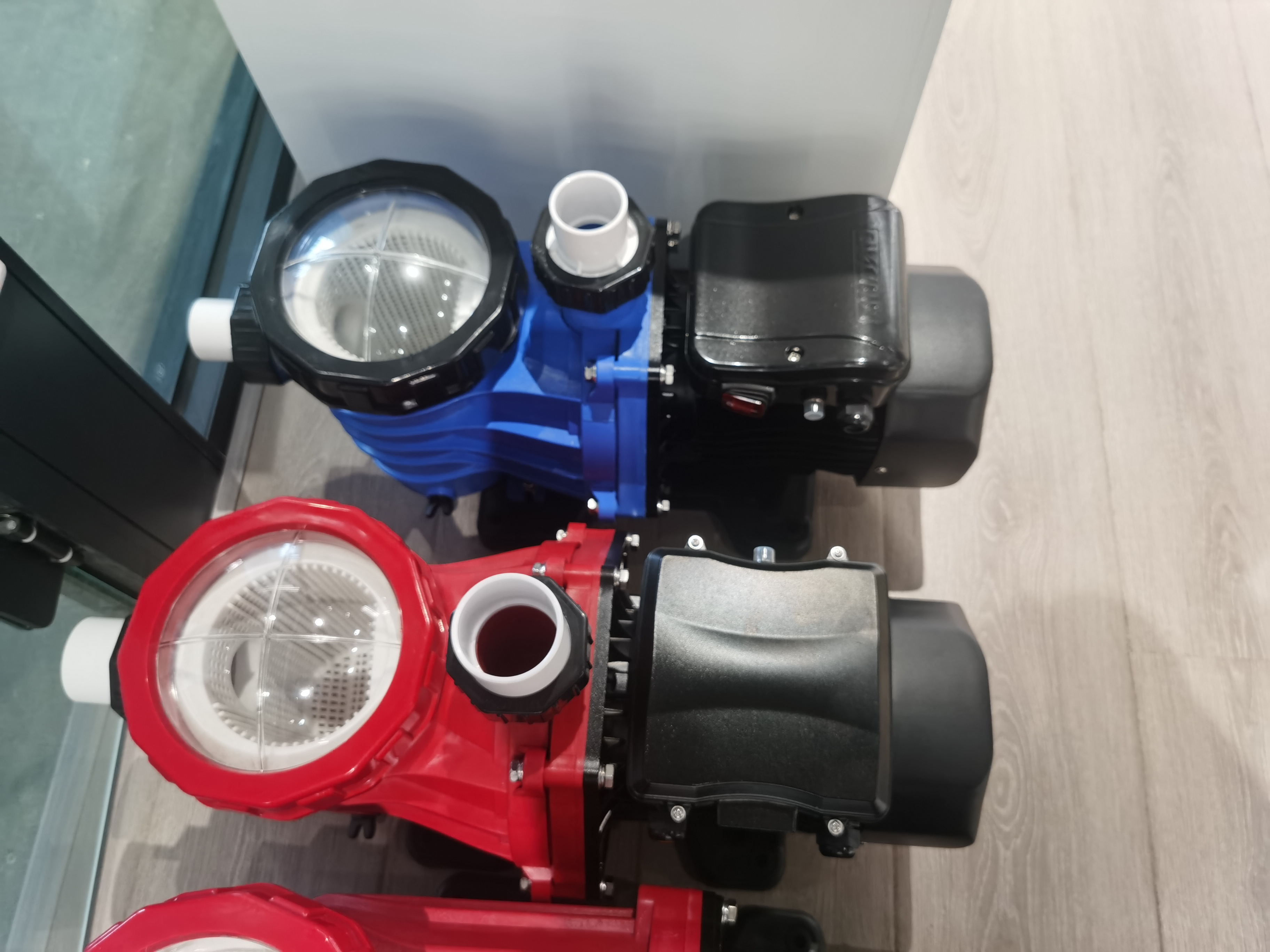
Energy efficiency has become a critical consideration for homeowners and commercial facility operators when selecting a swimming pool pump. Modern pool systems require reliable water circulation to maintain cleanliness and chemical balance, but traditional pumps often consume excessive electricity, leading to high operational costs. Understanding the key features that determine energy efficiency can help property owners make informed decisions that reduce both environmental impact and monthly utility expenses while maintaining optimal water quality.
Variable Speed Motor Technology
Advanced Motor Control Systems
Variable speed motors represent the most significant advancement in swimming pool pump efficiency technology. Unlike traditional single-speed motors that operate at constant RPM regardless of actual demand, variable speed systems automatically adjust motor speed based on pool requirements. This intelligent control reduces energy consumption by up to 90% compared to conventional pumps during low-demand periods such as overnight filtration cycles.
The permanent magnet synchronous motors used in premium variable speed systems deliver superior efficiency ratings compared to induction motors. These advanced motors maintain consistent performance across varying load conditions while generating less heat and requiring minimal maintenance. The integrated control algorithms continuously monitor system pressure and flow rates, automatically adjusting speed to maintain optimal circulation without wasting energy on unnecessary high-speed operation.
Programmable Speed Settings
Sophisticated programming capabilities allow users to customize operation schedules based on specific pool usage patterns and maintenance requirements. Multi-speed programming enables different circulation rates for various functions including filtration, heating, cleaning, and water feature operation. This flexibility ensures that each swimming pool pump operates at the most efficient speed for each specific task, eliminating energy waste from over-circulation during low-demand periods.
Smart scheduling features enable automatic speed transitions throughout daily cycles, reducing manual intervention while optimizing energy consumption. Advanced models include seasonal adjustment capabilities that modify operation parameters based on temperature changes, usage frequency, and water chemistry requirements. These programmable features transform energy management from reactive maintenance to proactive optimization, resulting in substantial long-term cost savings.
Hydraulic Design Optimization
Impeller Engineering
The impeller design significantly impacts both hydraulic performance and energy efficiency in modern pool circulation systems. Advanced computational fluid dynamics modeling enables manufacturers to optimize impeller blade geometry for maximum water flow with minimal energy input. Precision-engineered impellers reduce turbulence and cavitation, which traditionally waste energy through heat generation and vibration.
High-efficiency impellers feature carefully calculated blade angles and spacing that maximize pressure generation while minimizing resistance. The materials used in premium impeller construction, such as engineered thermoplastics or corrosion-resistant alloys, maintain dimensional accuracy over extended operation periods. This consistency ensures that efficiency ratings remain stable throughout the equipment lifecycle, preventing performance degradation that increases energy consumption over time.
Volute Chamber Design
The volute chamber surrounding the impeller plays a crucial role in converting kinetic energy from rotating water into pressure energy for system circulation. Optimized volute geometry reduces energy losses through improved flow transition from the impeller to the discharge port. Advanced designs incorporate smooth internal surfaces and carefully calculated expansion ratios that minimize turbulence and pressure drops.
Precision manufacturing techniques ensure consistent volute chamber dimensions that maintain hydraulic efficiency specifications. The integration of computational analysis tools during design development enables engineers to identify and eliminate flow separation zones that traditionally cause energy losses. These improvements result in measurable efficiency gains that translate directly to reduced electrical consumption during operation.
Smart Control Integration
Digital Communication Protocols
Modern energy-efficient pool pumps incorporate digital communication capabilities that enable integration with comprehensive pool automation systems. These communication protocols allow centralized control of multiple pool equipment components, optimizing overall system efficiency through coordinated operation. The swimming pool pump becomes part of an intelligent ecosystem that responds to real-time conditions and user preferences.
Advanced diagnostic capabilities provide continuous monitoring of pump performance parameters including flow rate, pressure, temperature, and power consumption. This data enables predictive maintenance scheduling that prevents efficiency degradation caused by worn components or system imbalances. Remote monitoring capabilities allow service technicians to identify potential issues before they impact energy consumption or system reliability.
Automated Optimization Algorithms
Sophisticated control algorithms continuously analyze system performance and automatically adjust operating parameters to maintain optimal efficiency. These systems learn from historical operation data and environmental conditions to predict optimal circulation schedules. Machine learning capabilities enable the control system to adapt to changing pool conditions and usage patterns without manual programming adjustments.
Real-time optimization considers multiple variables including ambient temperature, solar heating input, bather load, and chemical treatment requirements. The integration of weather forecasting data enables proactive adjustments that prepare the pool system for changing conditions while maintaining energy efficiency. These intelligent features transform traditional reactive pool maintenance into predictive system management that optimizes both performance and energy consumption.
Construction Quality and Materials
Corrosion-Resistant Components
The selection of premium materials significantly impacts long-term efficiency by preventing performance degradation caused by corrosion and chemical attack. Stainless steel components resist chlorine and other pool chemicals that traditionally cause premature wear in standard pumps. Advanced polymer materials provide excellent chemical resistance while maintaining dimensional stability under varying temperature conditions.
Precision manufacturing processes ensure consistent component tolerances that maintain hydraulic efficiency over extended operation periods. Quality construction prevents internal leakage and maintains optimal clearances between rotating and stationary components. These manufacturing standards result in swimming pool pump systems that maintain efficiency ratings throughout their operational lifecycle, providing consistent energy savings over many years of service.
Thermal Management Systems
Effective thermal management prevents efficiency losses caused by excessive heat generation during pump operation. Advanced cooling systems incorporate optimized airflow patterns and heat dissipation surfaces that maintain optimal operating temperatures. Temperature control prevents thermal stress that can cause component degradation and efficiency reduction over time.
Integrated temperature monitoring systems provide early warning of thermal issues that could impact performance or component reliability. Automatic thermal protection features prevent damage from overheating conditions while maintaining safe operation parameters. These thermal management capabilities ensure consistent efficiency performance regardless of ambient conditions or varying load requirements.
Flow Rate Optimization Features
Pressure Sensor Integration
Advanced pressure sensing technology enables precise monitoring of system hydraulic conditions, allowing automatic adjustment of pump speed to maintain optimal flow rates. These sensors detect changes in filter loading, valve positions, and other system variables that affect circulation requirements. The integration of pressure feedback enables the swimming pool pump to operate at the minimum speed necessary to maintain adequate circulation, maximizing energy savings.
Differential pressure monitoring across filtration systems provides real-time indication of filter condition and cleaning requirements. This information enables automated backwash scheduling that maintains optimal filtration efficiency while minimizing energy waste from excessive pressure losses. Smart pressure management prevents over-circulation during periods when reduced flow rates are adequate for maintaining water quality.
Flow Optimization Algorithms
Sophisticated algorithms analyze historical performance data to determine optimal flow rates for various pool functions and environmental conditions. These systems consider factors such as pool volume, turnover requirements, heating demands, and chemical distribution needs to calculate minimum circulation rates that maintain water quality standards. Advanced optimization reduces unnecessary circulation that wastes energy without providing additional benefits.
Adaptive control systems continuously monitor water quality parameters and adjust circulation rates based on actual requirements rather than fixed schedules. This dynamic optimization responds to varying bather loads, weather conditions, and seasonal changes that affect circulation needs. The result is a swimming pool pump system that provides adequate circulation while operating at maximum efficiency for current conditions.
Energy Monitoring and Reporting
Real-Time Consumption Tracking
Integrated energy monitoring systems provide detailed tracking of electrical consumption, enabling users to understand the relationship between operating parameters and energy costs. Real-time power monitoring displays current consumption levels and projects daily, monthly, and annual operating costs based on local utility rates. This transparency enables informed decisions about operation schedules and system optimization opportunities.
Historical energy consumption data enables trend analysis that identifies opportunities for additional efficiency improvements. Comparative reporting shows the impact of different operating modes, seasonal variations, and maintenance activities on overall energy usage. This information supports data-driven decisions about swimming pool pump operation that maximize efficiency while maintaining adequate water quality and circulation.
Efficiency Performance Analytics
Advanced analytics capabilities provide detailed analysis of pump efficiency trends and identify factors that impact energy consumption. Performance benchmarking compares current operation to historical baselines and manufacturer specifications, alerting users to efficiency degradation that may indicate maintenance requirements. These analytical tools transform energy management from reactive monitoring to proactive optimization.
Comprehensive reporting features generate detailed efficiency reports that document energy savings achieved through system optimization. These reports provide valuable documentation for utility rebate programs and energy efficiency certifications. The integration of cost analysis tools enables users to quantify the financial benefits of efficiency improvements and justify investments in advanced swimming pool pump technology.
FAQ
How much energy can a variable speed swimming pool pump save compared to single-speed models
Variable speed swimming pool pump systems typically reduce energy consumption by 50-90% compared to traditional single-speed models. The actual savings depend on pool size, usage patterns, and local utility rates, but most installations achieve payback periods of 1-3 years through reduced electricity costs. Advanced variable speed systems optimize circulation based on real-time requirements rather than operating at constant high speed, eliminating energy waste during low-demand periods such as overnight filtration cycles.
What maintenance requirements affect swimming pool pump efficiency over time
Regular maintenance including filter cleaning, impeller inspection, and seal replacement directly impacts long-term efficiency performance. Clogged filters increase system pressure and force pumps to work harder, consuming additional energy to maintain circulation rates. Professional annual inspections identify worn components that cause efficiency degradation before they result in equipment failure. Proper chemical balance prevents corrosion that can damage internal components and reduce hydraulic efficiency over time.
Can smart controls and automation improve swimming pool pump energy efficiency
Smart control systems significantly enhance energy efficiency by optimizing operation schedules based on actual pool requirements rather than fixed programming. Automated systems adjust circulation rates for varying conditions including weather changes, usage patterns, and water quality requirements. Advanced controls integrate with other pool equipment to coordinate operation and eliminate unnecessary energy consumption from conflicting system operations. Remote monitoring capabilities enable proactive maintenance that prevents efficiency degradation.
What size swimming pool pump provides optimal efficiency for different pool volumes
Proper swimming pool pump sizing requires careful analysis of pool volume, hydraulic system resistance, and circulation requirements to achieve optimal efficiency. Oversized pumps waste energy by operating at reduced efficiency points, while undersized systems cannot maintain adequate water quality. Professional hydraulic calculations consider total dynamic head, required turnover rates, and auxiliary equipment demands to determine the most efficient pump size. Variable speed capabilities allow single pumps to efficiently serve varying load conditions that previously required multiple fixed-speed units.
Table of Contents
- Variable Speed Motor Technology
- Hydraulic Design Optimization
- Smart Control Integration
- Construction Quality and Materials
- Flow Rate Optimization Features
- Energy Monitoring and Reporting
-
FAQ
- How much energy can a variable speed swimming pool pump save compared to single-speed models
- What maintenance requirements affect swimming pool pump efficiency over time
- Can smart controls and automation improve swimming pool pump energy efficiency
- What size swimming pool pump provides optimal efficiency for different pool volumes