 EN
EN

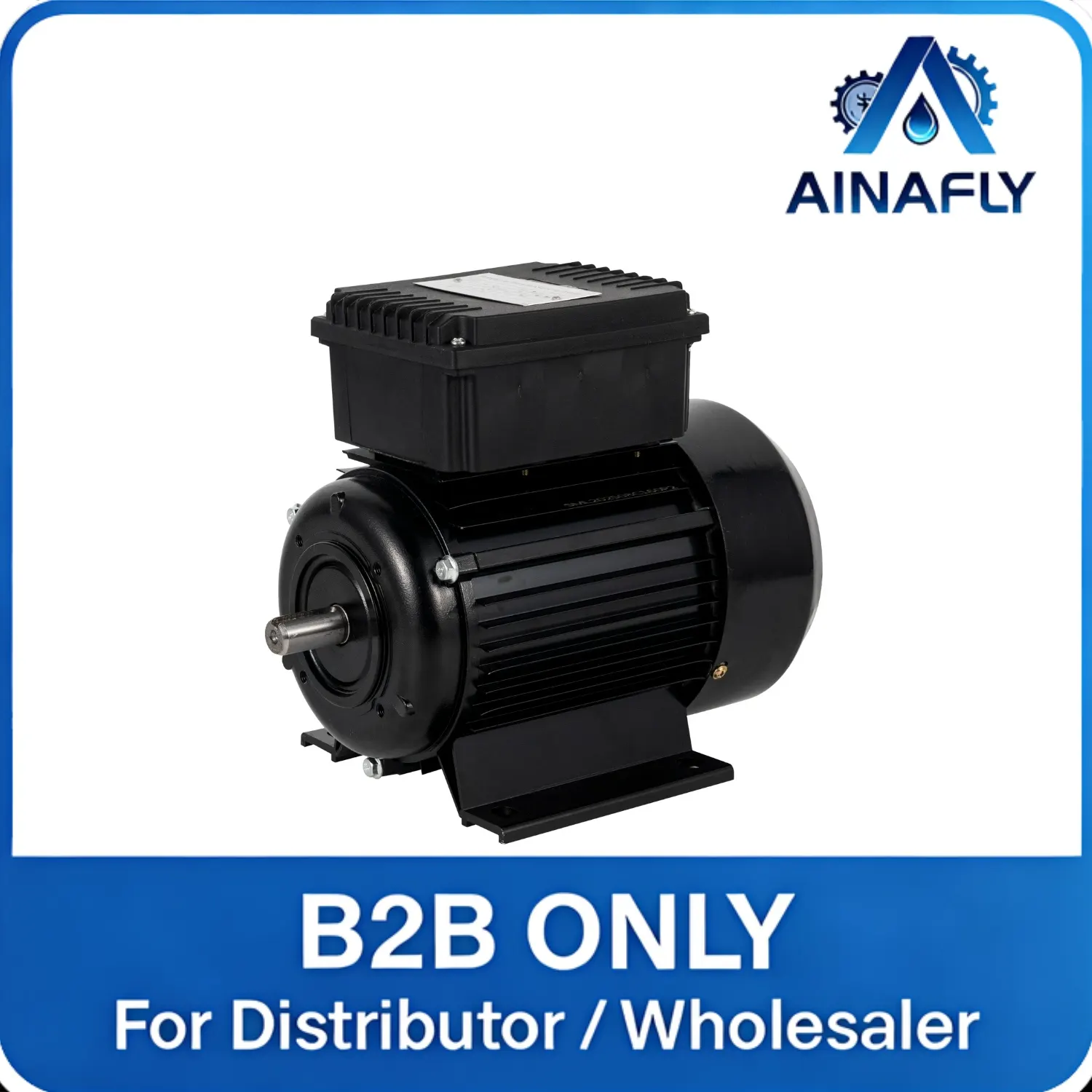
Industrial pump technology has experienced remarkable evolution in recent years, driven by the demands of Industry 4.0, environmental sustainability, and operational efficiency. Modern industrial facilities require pumping solutions that deliver superior performance while minimizing energy consumption and maintenance requirements. These technological advancements are fundamentally changing how industries approach fluid handling systems across sectors ranging from oil and gas to chemical processing and water treatment.
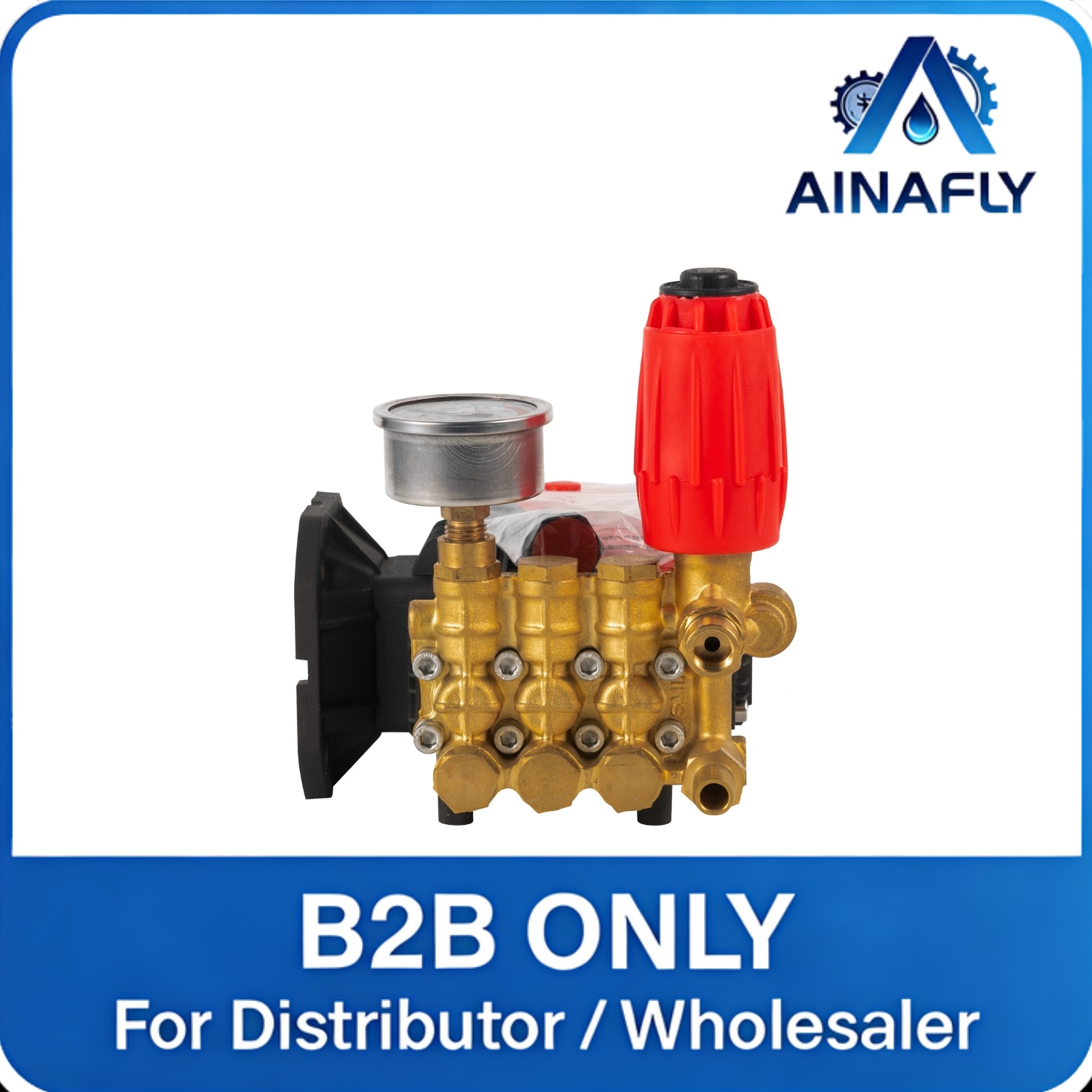
The latest innovations in industrial pump design incorporate advanced materials science, intelligent control systems, and predictive maintenance capabilities that were previously unimaginable. These technological breakthroughs enable manufacturers to achieve unprecedented levels of reliability, efficiency, and operational intelligence. Understanding these advancements is crucial for facility managers, engineers, and procurement professionals who must make informed decisions about their pumping infrastructure investments in an increasingly competitive marketplace.
Smart Control Systems and IoT Integration
Advanced Sensor Technology
Modern industrial pump systems now incorporate sophisticated sensor networks that continuously monitor critical operating parameters including flow rate, pressure, temperature, vibration, and power consumption. These sensors utilize wireless communication protocols and edge computing capabilities to provide real-time data transmission to centralized control systems. The integration of IoT technology allows operators to monitor multiple industrial pump installations across different facility locations from a single dashboard interface.
Temperature sensors equipped with thermal imaging capabilities can detect hotspots that indicate bearing wear or seal degradation before catastrophic failure occurs. Pressure transducers with digital signal processing provide precise feedback for automated control loops that optimize pump performance based on system demand variations. Vibration analysis sensors employ machine learning algorithms to identify subtle changes in pump operation that may indicate impending maintenance requirements.
Flow measurement technology has advanced significantly with the introduction of ultrasonic and electromagnetic sensors that provide non-intrusive monitoring capabilities. These sensors eliminate the need for mechanical flow elements that can restrict flow and create pressure drops in the system. The data collected by these sensors enables operators to optimize industrial pump performance by identifying inefficiencies in the pumping system design or operation.
Predictive Maintenance Algorithms
Artificial intelligence and machine learning technologies have revolutionized maintenance strategies for industrial pump installations. Predictive maintenance algorithms analyze historical performance data, operating conditions, and sensor inputs to forecast potential equipment failures before they occur. These systems can predict bearing replacement schedules, seal maintenance requirements, and optimal service intervals based on actual operating conditions rather than fixed time-based maintenance schedules.
Machine learning models continuously improve their predictive accuracy by analyzing patterns in pump performance data and correlating these patterns with actual maintenance events. This approach enables facility operators to schedule maintenance activities during planned downtime periods, reducing the impact on production operations. The algorithms can also recommend optimal operating parameters that maximize equipment life while maintaining required performance levels.
Advanced diagnostic capabilities include spectral analysis of vibration signatures, thermal pattern recognition, and acoustic monitoring that can detect cavitation, misalignment, and other operational issues. These diagnostic tools provide detailed information about the root causes of performance degradation, enabling maintenance technicians to address problems more effectively and prevent recurring issues.
Materials Science and Coating Innovations
Corrosion-Resistant Alloys
Recent developments in metallurgy have produced new alloy compositions specifically designed for harsh industrial environments where traditional materials fail prematurely. Duplex and super-duplex stainless steels offer superior corrosion resistance in chloride-rich environments while maintaining excellent mechanical properties. These materials extend the service life of industrial pump components significantly, particularly in marine, chemical processing, and desalination applications.
Nickel-based superalloys and specialized titanium grades provide exceptional resistance to high-temperature corrosion and erosion in demanding applications such as geothermal energy production and high-pressure steam systems. The development of powder metallurgy techniques has enabled the production of complex geometries with uniform material properties that would be difficult or impossible to achieve through traditional casting or machining methods.
Advanced ceramic materials including silicon carbide and aluminum oxide offer exceptional wear resistance and chemical inertness for industrial pump applications involving abrasive slurries or highly corrosive chemicals. These materials can operate at elevated temperatures and pressures while maintaining dimensional stability and surface finish quality that contributes to optimal hydraulic performance.
Surface Engineering Technologies
Thermal spray coatings and physical vapor deposition techniques have advanced significantly, enabling the application of protective layers with precise thickness control and superior adhesion properties. These coatings can provide specific surface characteristics such as reduced friction, enhanced corrosion resistance, or improved wear properties without compromising the structural integrity of the base material.
Plasma-transferred arc welding and laser cladding technologies allow for the selective application of wear-resistant materials to high-stress areas of industrial pump components such as impeller vanes and volute casings. This approach optimizes material usage while providing maximum protection against erosive wear and corrosion damage in critical areas.
Nanotechnology applications include the development of self-healing coatings that can automatically repair minor surface damage and hydrophobic treatments that reduce fouling and improve cleaning efficiency. These advanced surface treatments significantly extend maintenance intervals and improve the overall reliability of industrial pump systems in challenging operating environments.
Energy Efficiency and Variable Speed Drive Technology
High-Efficiency Motor Integration
Permanent magnet synchronous motors and switched reluctance motors have emerged as highly efficient alternatives to traditional induction motors for industrial pump applications. These advanced motor technologies achieve efficiency levels exceeding 95% while providing precise speed control and reduced maintenance requirements due to the absence of brushes or slip rings.
Integrated motor-pump designs eliminate coupling losses and alignment issues while reducing the overall footprint of the pumping system. These integrated units feature optimized hydraulic and electromagnetic designs that work together to maximize overall system efficiency. The close integration of motor and pump components also enables more sophisticated control strategies that optimize performance across varying operating conditions.
Magnetic levitation technology has been successfully implemented in specialized industrial pump applications where contamination-free operation is critical. Magnetic bearings eliminate the need for lubrication and provide virtually unlimited bearing life while enabling operation at extremely high speeds that can improve hydraulic efficiency and reduce system size requirements.
Advanced Variable Frequency Drive Systems
Modern variable frequency drives incorporate advanced power electronics and control algorithms that provide precise speed regulation while minimizing harmonic distortion and electromagnetic interference. These drives feature regenerative braking capabilities that can recover energy during deceleration and feed it back into the electrical system, further improving overall energy efficiency.
Sensorless vector control technology enables precise torque and speed control without the need for encoder feedback, reducing system complexity and cost while maintaining excellent dynamic performance. These control systems can automatically adjust operating parameters to compensate for changes in fluid properties, system resistance, and environmental conditions.
Power factor correction and active harmonic filtering capabilities built into modern drives reduce the impact on electrical distribution systems while improving overall power quality. These features are particularly important in industrial facilities with multiple industrial pump installations that could otherwise create significant electrical disturbances.
Hydraulic Design and Computational Fluid Dynamics
Advanced Impeller Geometries
Computational fluid dynamics simulation technology has enabled the development of highly optimized impeller designs that minimize energy losses while maximizing hydraulic performance. Three-dimensional blade geometries with complex curvatures and varying thickness distributions provide superior flow characteristics compared to traditional two-dimensional designs.
Biomimetic design approaches inspired by natural fluid dynamics phenomena have led to innovative impeller configurations that reduce turbulence and cavitation while improving efficiency. These designs often feature organic curves and surface textures that guide fluid flow more effectively than conventional geometric shapes.
Multi-stage industrial pump designs now incorporate individually optimized impeller geometries for each stage, taking into account the changing fluid properties and flow conditions throughout the pumping process. This approach maximizes the efficiency of each stage while minimizing the overall energy consumption of the complete pumping system.
Cavitation Prevention Technologies
Advanced anti-cavitation designs utilize specialized inlet geometries and impeller eye configurations that maintain positive pressure margins even under challenging suction conditions. These designs incorporate computational analysis of three-dimensional flow patterns to identify and eliminate areas where cavitation inception might occur.
Inducer technology has been refined to provide improved suction performance in applications where net positive suction head is limited. Modern inducers feature optimized blade angles and hub contours that gradually accelerate the fluid while maintaining stable flow conditions that prevent vapor formation.
Active cavitation control systems utilize pressure sensors and flow control valves to automatically adjust operating conditions when cavitation is detected. These systems can modify recirculation flow rates or adjust downstream pressure conditions to maintain stable operation within the acceptable cavitation limits for the industrial pump design.
Digital Twin Technology and Simulation
Real-Time Performance Modeling
Digital twin technology creates virtual representations of physical industrial pump systems that continuously update based on real-time sensor data and operating conditions. These digital models enable operators to visualize pump performance, predict future behavior, and optimize operating parameters without affecting actual production operations.
Advanced simulation algorithms incorporate complex physics models that account for fluid properties, thermal effects, mechanical stresses, and wear mechanisms. These models can predict the impact of operating changes before they are implemented, reducing the risk of equipment damage or performance degradation.
Machine learning integration enables digital twin models to continuously improve their accuracy by comparing predicted performance with actual measured results. This self-learning capability allows the models to adapt to changing conditions and equipment aging effects that might not be captured in the original design calculations.
Virtual Testing and Optimization
Virtual prototyping capabilities allow engineers to test new industrial pump designs and modifications in simulated environments before physical implementation. This approach significantly reduces development time and costs while enabling more extensive testing scenarios than would be practical with physical prototypes.
Optimization algorithms can automatically adjust design parameters to achieve specific performance targets such as maximum efficiency, minimum noise levels, or optimal reliability characteristics. These algorithms can evaluate millions of design variations to identify optimal solutions that might not be apparent through traditional design approaches.
Life cycle simulation capabilities enable engineers to predict long-term performance trends and maintenance requirements based on anticipated operating conditions and duty cycles. This information supports better decision-making regarding equipment selection, maintenance strategies, and replacement timing for industrial pump installations.
FAQ
How do smart sensors improve industrial pump reliability compared to traditional monitoring methods?
Smart sensors provide continuous, real-time monitoring of multiple operating parameters simultaneously, enabling early detection of performance degradation before catastrophic failures occur. Unlike traditional periodic inspections, these sensors use machine learning algorithms to identify subtle changes in vibration patterns, temperature profiles, and flow characteristics that indicate developing problems. This predictive capability allows maintenance teams to schedule repairs during planned downtime, significantly reducing unplanned outages and extending equipment life.
What are the main energy savings benefits of modern variable frequency drive systems for industrial pumps?
Modern variable frequency drives can reduce energy consumption by 20-50% in typical industrial pump applications by matching pump speed to actual system demand rather than using throttling valves or bypass systems. Advanced drives incorporate regenerative braking, power factor correction, and harmonic filtering that further improve electrical efficiency. The precise speed control also reduces mechanical stress on pump components, extending equipment life and reducing maintenance costs while maintaining optimal system performance.
How do advanced materials extend the service life of industrial pumps in corrosive environments?
New corrosion-resistant alloys and ceramic materials can operate in aggressive chemical environments that would quickly destroy traditional materials. Duplex stainless steels provide superior resistance to chloride stress corrosion cracking, while ceramic components offer exceptional chemical inertness and wear resistance. Advanced surface coatings using nanotechnology can provide self-healing properties that automatically repair minor damage, significantly extending the time between maintenance interventions and reducing life cycle costs.
What role does computational fluid dynamics play in modern industrial pump design optimization?
Computational fluid dynamics enables engineers to visualize and optimize complex three-dimensional flow patterns within pump components, identifying areas of energy loss, cavitation risk, and inefficient flow separation. This technology supports the development of biomimetic impeller designs and optimized volute geometries that achieve higher efficiencies than traditional design methods. CFD analysis also enables virtual testing of design modifications without expensive physical prototyping, accelerating the development of more efficient and reliable industrial pump solutions.
Table of Contents
- Smart Control Systems and IoT Integration
- Materials Science and Coating Innovations
- Energy Efficiency and Variable Speed Drive Technology
- Hydraulic Design and Computational Fluid Dynamics
- Digital Twin Technology and Simulation
-
FAQ
- How do smart sensors improve industrial pump reliability compared to traditional monitoring methods?
- What are the main energy savings benefits of modern variable frequency drive systems for industrial pumps?
- How do advanced materials extend the service life of industrial pumps in corrosive environments?
- What role does computational fluid dynamics play in modern industrial pump design optimization?