 EN
EN

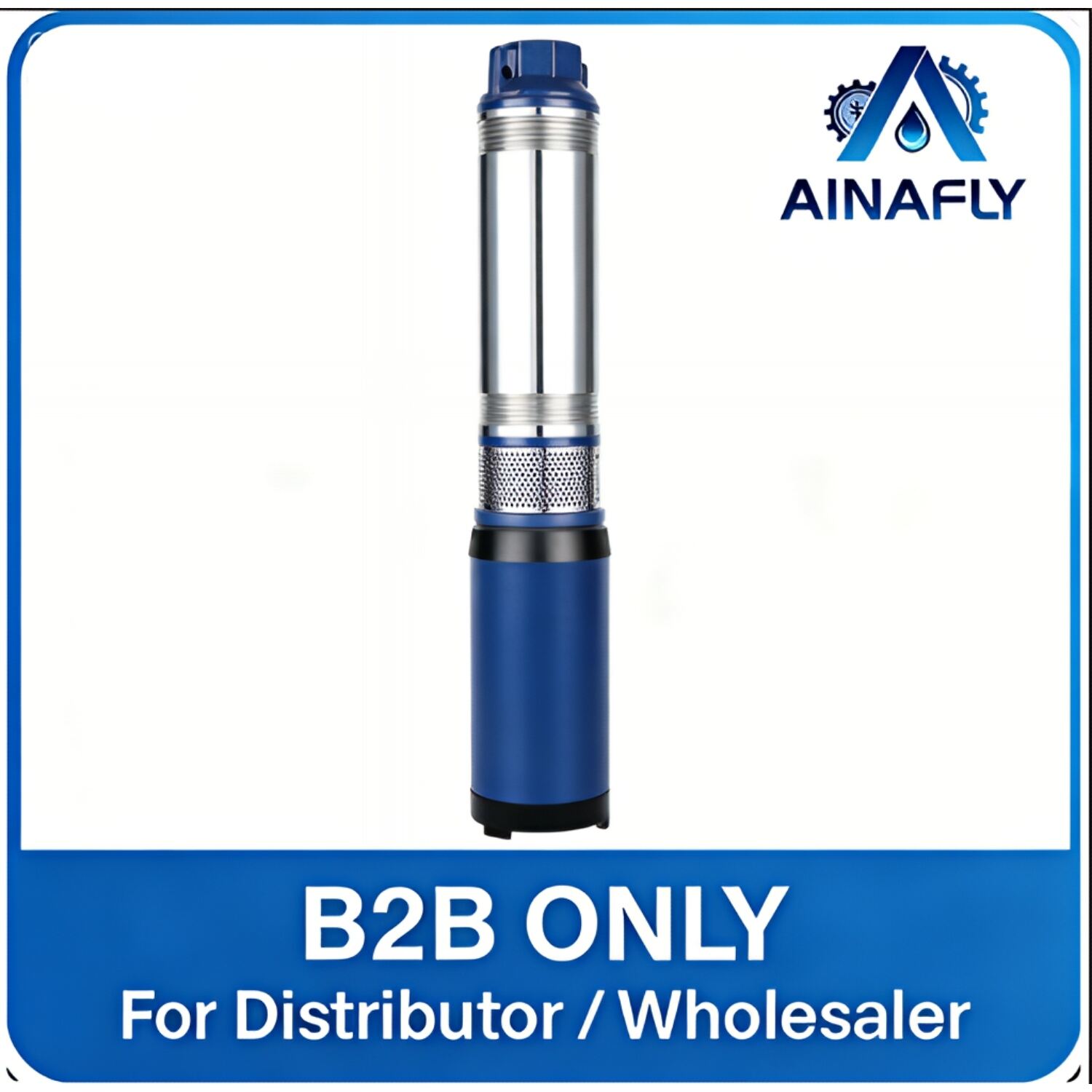
In applications such as household water supply, farmland irrigation, orchard watering, and deep well water extraction, screw pumps are a very common type of water pump. Their advantages include simple structure, high head, and stable water output, making them especially suitable for small-flow and high-head water supply needs.
However, many customers may encounter problems when using screw pumps, such as no water output, reduced flow, insufficient head, frequent tripping, or increased noise. In many cases, these problems are not caused by pump damage itself, but are related to model selection, installation environment, power supply conditions, water quality, and daily maintenance.
This article summarizes common screw pump problems, possible causes, and practical solutions from a real application perspective, helping users choose and use screw pumps more effectively.
1. Why Does a Screw Pump Fail to Pump Water?
No water output is one of the most common issues reported by screw pump users. When this happens, the following points should be checked first.
First, confirm whether the pump is fully submerged in water. If it is a submersible screw pump, it must be completely placed underwater during operation. If the water level is too low and the pump sucks in air, it may fail to discharge water.
Second, check whether the motor rotation direction is correct. For three-phase motors, incorrect wiring may cause reverse rotation, preventing the pump from working properly.
In addition, inlet blockage is also a common cause. If the well water contains sand, leaves, or other impurities, the filter or water inlet may become blocked, affecting normal water intake.
Another possible reason is incorrect model selection. If the actual head exceeds the rated head of the pump, the pump may still be running but cannot deliver water to the required height.
Recommended solutions:
• Check whether the water level is sufficient
• Make sure the pump is fully submerged
• Confirm whether the motor rotation direction is correct
• Clean the water inlet and filter
• Recalculate the actual head and pipeline length
2. What Should You Do If the Water Flow Becomes Smaller?
If the screw pump works normally at the beginning but the water flow becomes noticeably smaller after a period of use, it is usually related to wear, blockage, voltage problems, or water level changes.
The core working parts of a screw pump are the metal screw and rubber stator. After long-term operation, if the well water contains a high level of sand, the sand will accelerate the wear of the screw and rubber stator. When the sealing performance between them becomes poor, both the flow rate and pressure of the pump will decrease.
In addition, if the pipeline is too long, has too many elbows, or the outlet pipe diameter is too small, pipeline resistance will increase and affect water output.
For solar screw pumps, if the solar panel power is insufficient or sunlight is unstable, the pump speed may decrease, resulting in reduced water flow.
Recommended solutions:
• Check the sand content of the well water
• Clean the pipeline and filter
• Check whether the voltage is stable
• Confirm whether the solar panel power is sufficient
• Check whether the screw and rubber stator are worn
• Reduce excessive elbows and avoid using pipes that are too narrow
3. Why Can’t the Screw Pump Reach the Rated Head?
Many customers only consider the well depth or vertical height when selecting a pump. However, the actual head is not only the vertical height.
The actual head usually includes water lifting height, horizontal pipeline loss, elbow loss, pipe diameter loss, and other resistance factors. If the pipeline is very long, has many elbows, or the outlet pipe diameter is too small, the pump may fail to reach the expected head even if the vertical height is not very high.
In addition, long cables may cause voltage drop. When the voltage is insufficient, motor speed and output power will decrease, eventually affecting both head and flow.
Recommended solutions:
• Do not only consider the well depth when selecting a model
• Calculate both vertical height and horizontal pipeline length
• Use an outlet pipe with a suitable diameter
• Avoid too many elbows
• Choose a suitable cable size for long-distance power supply
• Select a higher-head model when necessary
4. Why Is the Water Output Intermittent?
Intermittent water output is usually caused by insufficient water level or unstable power supply.
When the well water level drops, the pump may intermittently suck in air, causing unstable water discharge. For solar screw pumps, cloudy weather, shade, or weak sunlight in the morning and evening may cause the controller to adjust the operating status frequently, leading to water flow fluctuation.
In addition, air remaining inside the pipeline may also cause unstable water output.
Recommended solutions:
• Confirm the dynamic water level of the well
• Lower the pump installation position properly
• Remove air from the pipeline
• Check whether the solar panel configuration is sufficient
• Check whether the controller is frequently entering protection mode
5. Can a Screw Pump Pump Sandy Water?
Screw pumps can be used in slightly sandy well water, but they are not recommended for long-term use in water with high sand content.
This is because screw pumps contain a rubber stator inside. Sand will continuously wear the rubber stator and metal screw, reducing sealing performance. After long-term use, users may find that the pump flow becomes smaller, the head decreases, or the pump can no longer discharge water properly.
If the well water has a high sand content, it is recommended to add a filter at the water inlet and clean the filter regularly. If the sand content is very high, a more suitable pump type should be selected according to the actual working conditions.
6. Why Should Screw Pumps Avoid Dry Running?
Dry running is one of the most important problems to avoid when using a screw pump.
During operation, water is not only the medium being pumped, but also provides cooling and lubrication. If the pump runs without water, the rubber stator may deform or burn due to frictional heat. In severe cases, it may also cause motor overload or motor burnout.
Therefore, it is recommended to equip the screw pump with water shortage protection, controller protection, or a float switch to prevent the pump from continuing to run when the water level is insufficient.
7. What Should You Do If the Screw Pump Trips Frequently or the Controller Enters Protection Mode?
Frequent tripping usually indicates overload, water shortage, abnormal voltage, or internal blockage.
If sand or impurities enter the pump, the screw may become stuck, increasing motor load and causing higher current. When the voltage is too low, the motor will also operate under heavy load and may easily trigger protection.
For solar systems, it is also necessary to confirm whether the solar panels, voltage, controller, and pump are properly matched. If the system configuration is unreasonable, the controller may frequently enter protection mode.
Recommended solutions:
• Check whether the voltage is stable
• Check whether the cable has leakage problems
• Check whether the pump body is blocked by sand or impurities
• Check whether the water outlet is blocked
• Confirm whether the controller matches the pump parameters
• Confirm whether the solar panel voltage and power meet the requirements
8. Why Does the Screw Pump Become Noisy or Vibrate Obviously?
A screw pump should run with a relatively stable sound under normal conditions. If the noise becomes much louder after a period of use, the bearings, screw, stator, and installation method should be checked.
If the pump is not installed vertically, or if the pipeline is not fixed firmly, obvious vibration may occur during operation. Sand, impurities inside the pump, or worn bearings may also cause increased noise.
Recommended solutions:
• Check whether the installation is vertical and stable
• Fix the outlet pipeline properly
• Check whether the bearings are worn
• Check whether there are foreign objects inside the pump body
• Check whether the screw and stator have uneven wear
9. What Applications Are Screw Pumps Suitable For?
Screw pumps are suitable for the following applications:
• Household deep well water extraction
• Rural domestic water supply
• Farmland irrigation
• Orchard watering
• Solar water supply systems
• Small-flow and high-head water supply needs
In simple terms, if the customer needs to pump water from a relatively deep position and does not require very large flow, a screw pump is usually a suitable choice.
10. What Applications Are Screw Pumps Not Suitable For?
Although screw pumps are widely used, they are not suitable for every application.
Screw pumps are not very suitable for wells with high sand content, muddy water, sewage, large-flow irrigation, corrosive liquids, or environments where dry running is likely to occur.
If customers need large-flow irrigation, a centrifugal pump or impeller-type deep well pump may be more suitable. If customers need to pump sewage or water containing many impurities, a sewage pump is recommended.
11. What Is the Difference Between a Screw Pump and a Centrifugal Pump?
Screw pumps and centrifugal pumps are suitable for different applications.
Screw pumps are better suited for small-flow and high-head applications, such as deep well water extraction, household water supply, and solar water supply systems.
Centrifugal pumps are better suited for large-flow and medium-to-low-head applications, such as farmland irrigation, water tank pumping, and surface water supply.
When choosing a water pump, users should not only compare prices. They should make a comprehensive judgment based on actual water demand, well depth, head, flow rate, voltage, and water quality.
12. What Information Should Be Confirmed Before Buying a Screw Pump?
To select a more suitable screw pump, customers are advised to confirm the following information before purchase:
• Well depth
• Dynamic water level
• Required water delivery height
• Horizontal pipeline length
• Approximate daily water demand
• Whether the water contains sand
• Whether AC power or solar power will be used
• Voltage
• Required cable length
• Whether a controller and water shortage protection are needed
The more accurate the information is, the more reasonable the pump selection will be, and the fewer problems users may encounter during later operation.
Conclusion: Correct Selection and Proper Use Help Extend Screw Pump Life
Screw pumps are practical household and agricultural water pumps, especially suitable for deep well water extraction, small-flow high-head applications, and solar water supply systems.
However, the performance of a screw pump depends not only on product quality, but also on the installation environment, water quality, voltage, pipeline design, and daily maintenance.
If problems such as no water output, reduced flow, insufficient head, tripping, or increased noise occur, users should first check the water level, voltage, pipeline, sand content, screw and stator wear, and controller matching.
As a professional water pump manufacturer, we recommend that customers provide detailed working conditions before purchasing. In this way, we can recommend a more suitable screw pump model according to the actual application, helping customers reduce usage risks and improve pump service life.
Table of Contents
- 1. Why Does a Screw Pump Fail to Pump Water?
- 2. What Should You Do If the Water Flow Becomes Smaller?
- 3. Why Can’t the Screw Pump Reach the Rated Head?
- 4. Why Is the Water Output Intermittent?
- 5. Can a Screw Pump Pump Sandy Water?
- 6. Why Should Screw Pumps Avoid Dry Running?
- 7. What Should You Do If the Screw Pump Trips Frequently or the Controller Enters Protection Mode?
- 8. Why Does the Screw Pump Become Noisy or Vibrate Obviously?
- 9. What Applications Are Screw Pumps Suitable For?
- 10. What Applications Are Screw Pumps Not Suitable For?
- 11. What Is the Difference Between a Screw Pump and a Centrifugal Pump?
- 12. What Information Should Be Confirmed Before Buying a Screw Pump?
- Conclusion: Correct Selection and Proper Use Help Extend Screw Pump Life