 EN
EN

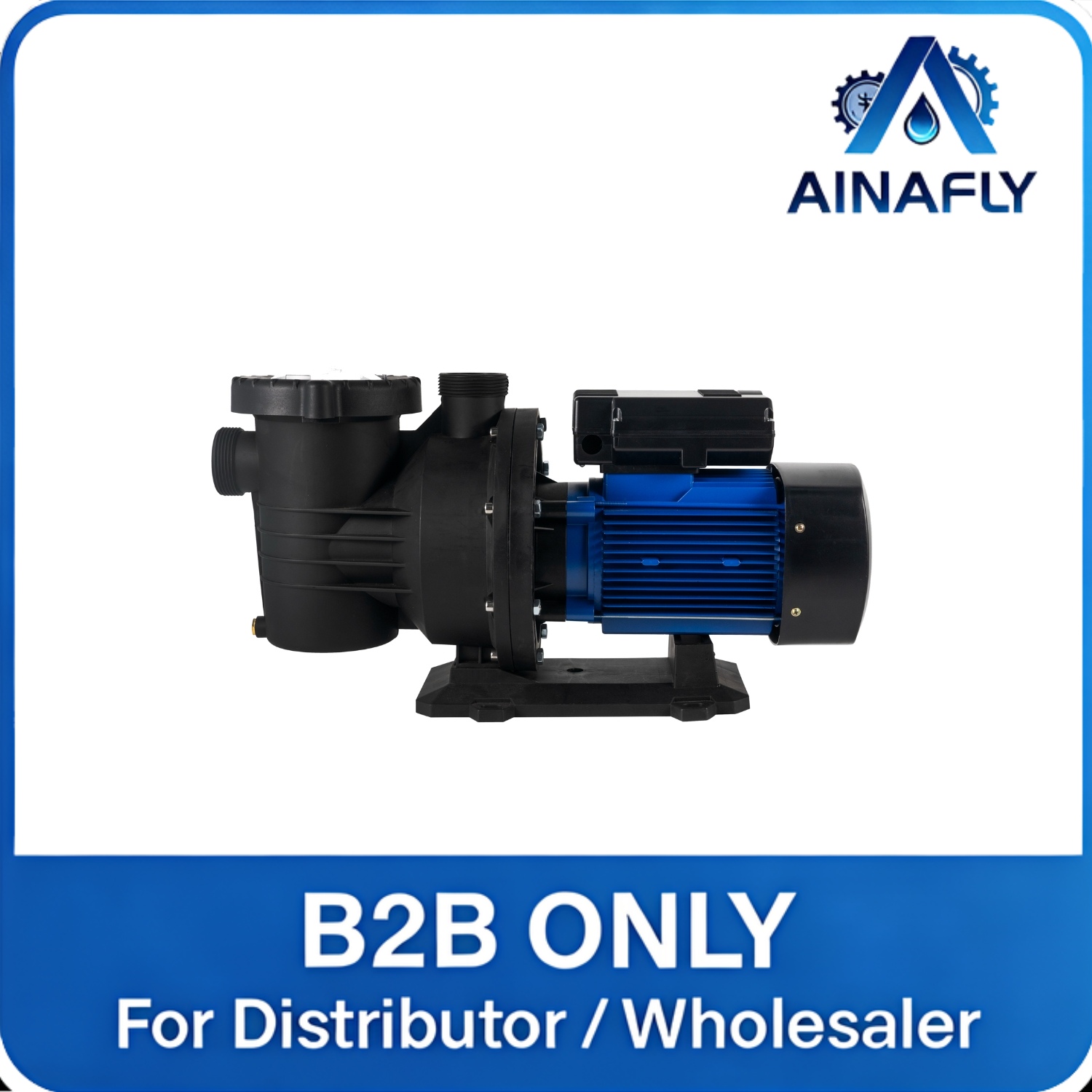
Submersible pumps are widely used in household water supply, agricultural irrigation, well water extraction, drainage, aquaculture water supply, and many other applications. Compared with ordinary surface pumps, submersible pumps work underwater for long periods, which means they have higher requirements for installation environment, water quality, voltage stability, sealing performance, and daily maintenance.
Strictly speaking, no maintenance method can guarantee that a submersible pump will never fail. However, proper use and regular maintenance can significantly reduce problems such as motor burnout, electric leakage, blockage, bearing damage, and mechanical seal wear, helping to extend the service life of the pump.
From the perspective of a professional water pump manufacturer, this article introduces the key maintenance methods for submersible pumps.
1. Check Whether the Voltage Is Stable Before Use
Unstable voltage is one of the common causes of submersible pump damage.
If the voltage is too low, the motor may run under heavy load for a long time, causing overheating and overload. In severe cases, the motor winding may burn out. If the voltage is too high, it may also damage the motor or controller.
Before using a submersible pump, it is recommended to confirm whether the local voltage matches the pump nameplate. For example:
• Single-phase power is commonly 220V
• Three-phase power is commonly 380V
• Solar submersible pumps need to match the correct DC voltage and controller
• If the working environment has large voltage fluctuations, it is recommended to use a voltage stabilizer, overload protector, or control box.
2. Make Sure the Pump Is Fully Submerged in Water
A submersible pump must operate underwater. Water is not only the medium being pumped, but also helps cool the motor.
If the pump is not fully submerged, or if the water level drops and exposes the pump body, the motor may not dissipate heat properly. Long-term operation under this condition may cause motor overheating, seal aging, or even motor burnout.
Especially in deep wells, water tanks, and agricultural irrigation applications, the water level may gradually decrease during operation. Therefore, it is recommended to install a water shortage protection device to prevent dry running.
3. Avoid Long-Time Dry Running
Dry running is one of the most dangerous operating conditions for a submersible pump.
When the pump continues to run without water, the internal components cannot be properly cooled or lubricated. Mechanical seals, bearings, and the motor may all suffer serious damage.
Minor dry running may cause reduced water output and increased noise. Severe dry running may directly burn out the motor.
To avoid this problem, users should:
• Confirm that the water level is sufficient before starting the pump
• Regularly observe water level changes during long-time pumping
• Install a float switch or water shortage protector
• Use a controller with protection functions for solar submersible pumps
4. Clean the Inlet and Filter Regularly
When a submersible pump works underwater, mud, sand, grass, leaves, small stones, and other impurities may easily enter the water inlet.
If the inlet or filter is blocked, the pump’s water output will decrease significantly, and the motor load will increase. Long-term operation under blockage may cause motor heating and impeller wear.
It is recommended to regularly check and clean:
• The inlet filter
• The bottom water inlet of the pump
• The outlet pipeline
• Sediment at the bottom of the well or water tank
• If the water quality is poor, an additional filter net or protective cover can be installed outside the pump to reduce impurities entering the pump body.
5. Do Not Pump Water with High Sand Content for a Long Time
Submersible pumps can usually work in ordinary well water or clean water environments, but they are not recommended for long-term use in water with high sand content.
Sand can wear the impeller, pump casing, bearings, and mechanical seals, causing reduced flow, insufficient head, increased noise, and even water leakage or electric leakage.
If the well has just been drilled, it is recommended to discharge the muddy water first and use the submersible pump for long-term operation only after the water quality becomes stable.
If the customer’s local water contains a high level of sand, it is better to choose a pump with a more wear-resistant structure or inform the manufacturer of the water quality before model selection.
6. Check Whether the Cable Is Damaged
Since submersible pumps work underwater for long periods, the condition of the cable is very important.
If the cable sheath is damaged, the cable joint takes in water, or the insulation performance decreases, it may cause electric leakage, tripping, or even safety risks.
During daily maintenance, users should check:
• Whether the cable sheath is broken
• Whether the cable joint is waterproof
• Whether the cable is pressed by heavy objects
• Whether the cable is scratched by sharp objects
• Whether the wiring connection is loose or oxidized
• During installation, do not lift or lower the pump by pulling the cable directly. The correct method is to use a rope or steel wire rope to fix and lift the pump.
7. Check the Outlet Pipe and Connectors Regularly
Sometimes poor water output is not caused by the pump itself, but by problems in the piping system.
For example:
• The outlet pipe is broken
• Pipe joints are leaking
• The check valve is damaged
• There are too many pipe elbows
• The pipe diameter is too small
• The inside of the pipe is blocked
• All these problems can affect the flow and head of the submersible pump.
It is recommended to regularly check whether the outlet pipe is leaking, deformed, or blocked. This is especially important in agricultural irrigation and long-distance water delivery applications, where pipeline loss directly affects the pump’s actual performance.
8. Avoid Frequent Starting and Stopping
Frequent start-stop operation increases motor impact and affects the capacitor, motor winding, controller, and bearings.
If the pump starts frequently within a short period, the motor temperature can easily rise. Over time, this may reduce the service life of the pump.
It is recommended to:
• Avoid repeatedly switching the power on and off
• Use a pressure tank or control system to reduce frequent starts
• Use an automatic controller for household water supply systems
• Keep continuous and stable operation as much as possible during agricultural irrigation
9. Store the Pump Properly When Not in Use for a Long Time
If the submersible pump will not be used for a long time, it should not be left in a humid, dirty, or corrosive environment.
The correct storage method is to:
• Take the pump out of the water
• Clean mud and impurities from the pump surface
• Check the cable and connectors
• Store the pump in a dry and ventilated place
• Avoid direct sunlight and rain
• Check insulation and rotation before using it again
• If the pump remains underwater for a long time without operation, seals, cables, and metal parts may age or corrode.
10. Stop the Pump Immediately If Abnormal Noise Occurs
A properly operating submersible pump should run with a relatively stable sound. If obvious noise, vibration, or abnormal sound occurs, the pump should be stopped immediately for inspection.
Common causes include:
• Bearing wear
• Impeller blockage by impurities
• Sand entering the pump body
• Unstable installation
• Motor abnormality
• Pipeline vibration
• Do not continue operating the pump for a long time under abnormal noise. Otherwise, a small problem may develop into serious damage.
11. Check Wearing Parts Regularly
Common wearing parts of submersible pumps include:
• Mechanical seals
• Bearings
• Impellers
• Capacitors
• Cables
• Float switches
• Controllers
• Sealing rings
The service life of wearing parts varies depending on the working environment. If the water quality is good and the pump is used properly, the wearing parts will last longer. If the water contains sand, the voltage is unstable, or the pump often runs dry, wear will accelerate significantly.
It is recommended that users arrange regular inspection and replacement according to the actual frequency of use.
12. Choosing the Right Model Is More Important Than Later Maintenance
The service life of a submersible pump depends not only on maintenance, but also on whether the correct model is selected from the beginning.
If the pump works under overload conditions for a long time, even good maintenance cannot guarantee a long service life.
Before selecting a model, users should confirm:
• Well depth
• Dynamic water level
• Actual head
• Horizontal water delivery distance
• Required flow rate
• Voltage
• Cable length
• Whether the water contains sand
• Whether a float switch or control box is required
• Whether the application is household water supply, agricultural irrigation, or drainage
Only when the pump model matches the actual working conditions can the pump operate stably and reliably.
Conclusion: Proper Use and Regular Maintenance Help Extend Pump Life
To extend the service life of a submersible pump, the key is not to wait until the pump fails before repairing it, but to prevent problems during daily use.
The most important maintenance methods include:
• Keeping the voltage stable
• Avoiding dry running
• Ensuring the pump is fully submerged
• Cleaning the filter and inlet regularly
• Avoiding long-term pumping of water with high sand content
• Checking cables and pipelines
• Reducing frequent start-stop operation
• Stopping the pump immediately when abnormal conditions occur
For household water supply and agricultural irrigation users, correct installation and maintenance can effectively reduce failures, improve pump efficiency, and extend product service life.
As a professional water pump manufacturer, we recommend that customers provide detailed information about their working environment and application conditions before purchasing a submersible pump. This allows the manufacturer to recommend a more suitable model according to actual needs and help customers reduce future maintenance costs.
Table of Contents
- 1. Check Whether the Voltage Is Stable Before Use
- 2. Make Sure the Pump Is Fully Submerged in Water
- 3. Avoid Long-Time Dry Running
- 4. Clean the Inlet and Filter Regularly
- 5. Do Not Pump Water with High Sand Content for a Long Time
- 6. Check Whether the Cable Is Damaged
- 7. Check the Outlet Pipe and Connectors Regularly
- 8. Avoid Frequent Starting and Stopping
- 9. Store the Pump Properly When Not in Use for a Long Time
- 10. Stop the Pump Immediately If Abnormal Noise Occurs
- 11. Check Wearing Parts Regularly
- 12. Choosing the Right Model Is More Important Than Later Maintenance
- Conclusion: Proper Use and Regular Maintenance Help Extend Pump Life