automatic pressure switch for water pump
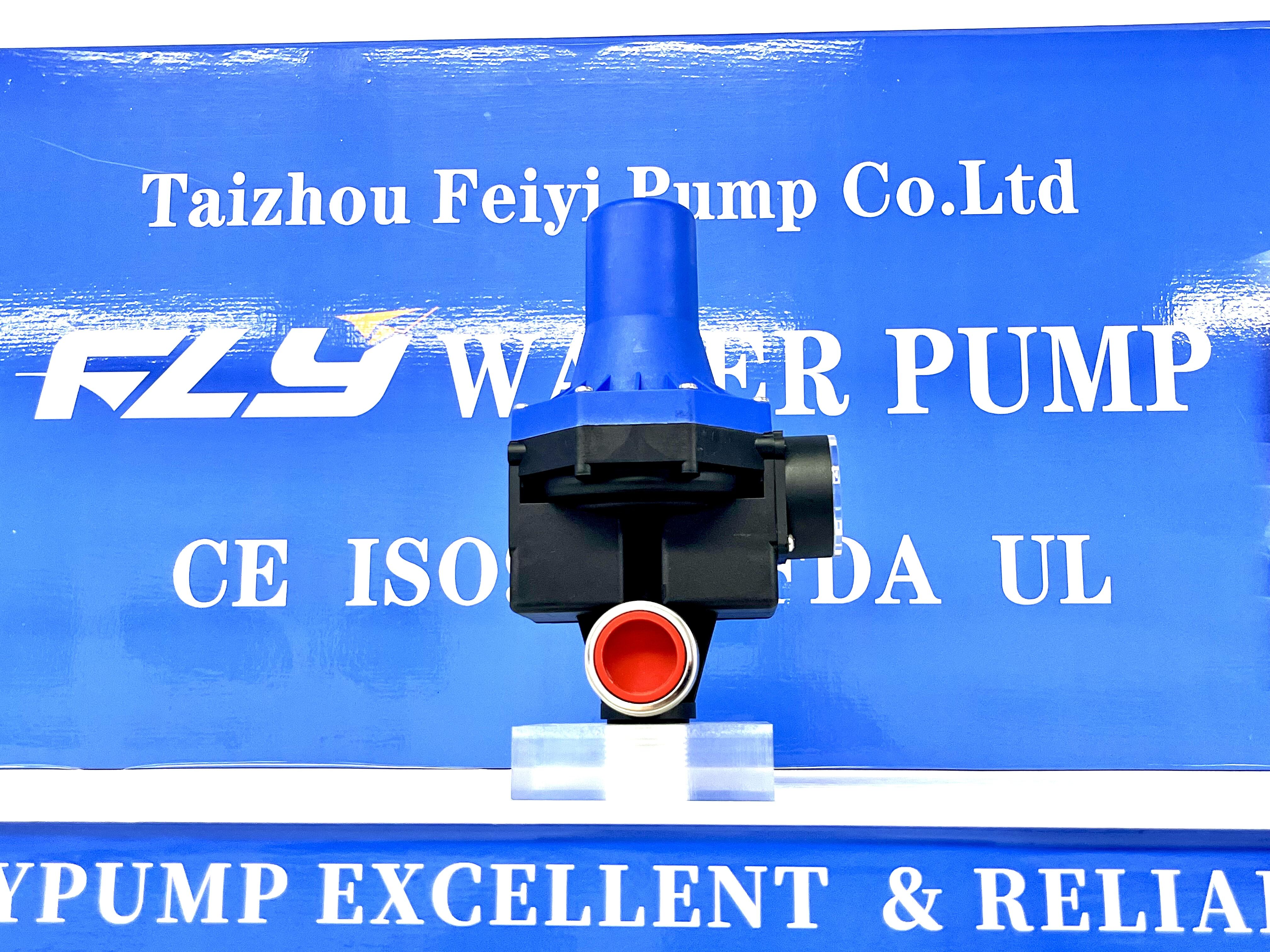
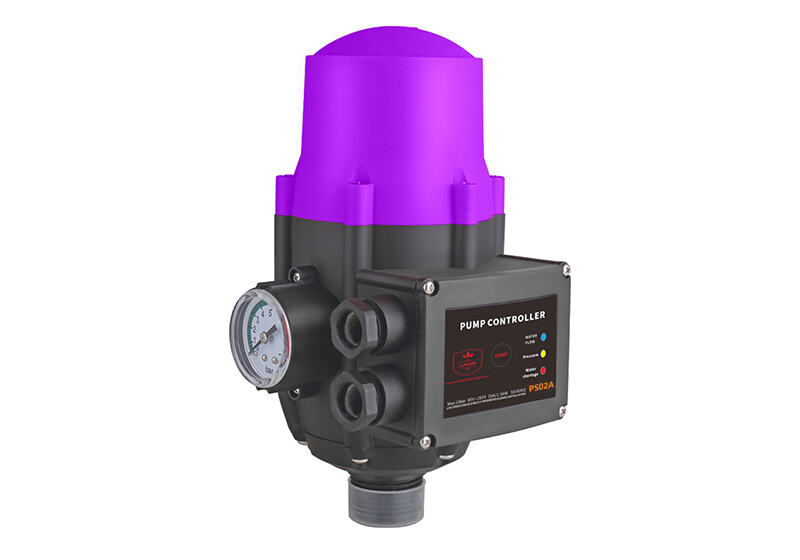
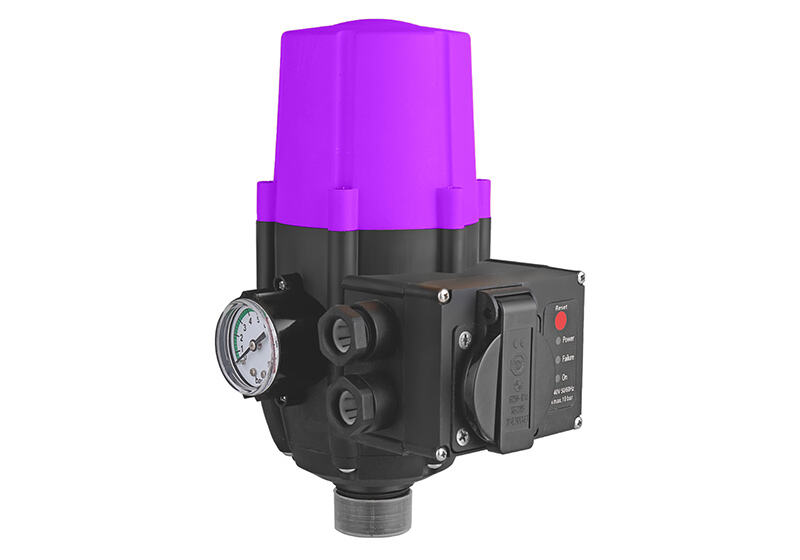
The automatic pressure switch for water pump represents a sophisticated control mechanism designed to regulate water pressure systems with precision and reliability. This essential component serves as the brain of residential, commercial, and industrial water distribution networks, automatically starting and stopping pump operations based on predetermined pressure thresholds. Modern automatic pressure switches incorporate advanced sensing technology that continuously monitors system pressure, ensuring optimal water flow while protecting equipment from damage caused by excessive cycling or pressure fluctuations. These devices typically feature adjustable pressure settings, allowing users to customize operation parameters according to specific requirements. The automatic pressure switch for water pump integrates seamlessly with various pump types, including submersible, centrifugal, and jet pumps, making it a versatile solution for diverse applications. Key technological features include corrosion-resistant materials, weatherproof housings, and robust electrical components that withstand harsh operating conditions. Many units incorporate LED indicators for visual status monitoring, quick-connect terminals for simplified installation, and built-in surge protection circuits. The switch mechanism utilizes either mechanical diaphragm systems or electronic sensors to detect pressure changes, triggering appropriate pump responses within milliseconds. Advanced models may include digital displays, programmable timers, and remote monitoring capabilities. Applications span residential well systems, irrigation networks, booster pump installations, and fire protection systems. The automatic pressure switch for water pump ensures consistent water pressure throughout buildings, maintains adequate flow rates for multiple fixtures, and prevents pump damage through intelligent cycling control. These devices significantly reduce energy consumption by eliminating unnecessary pump operation periods while extending equipment lifespan through optimal operational management.

 EN
EN