Industrial Wastewater Pumps - Advanced Solutions for Efficient Industrial Water Management

Get a Free Quote

Our representative will contact you soon.
Email
Name
Company Name
Message
0/1000

industrial wastewater pumps

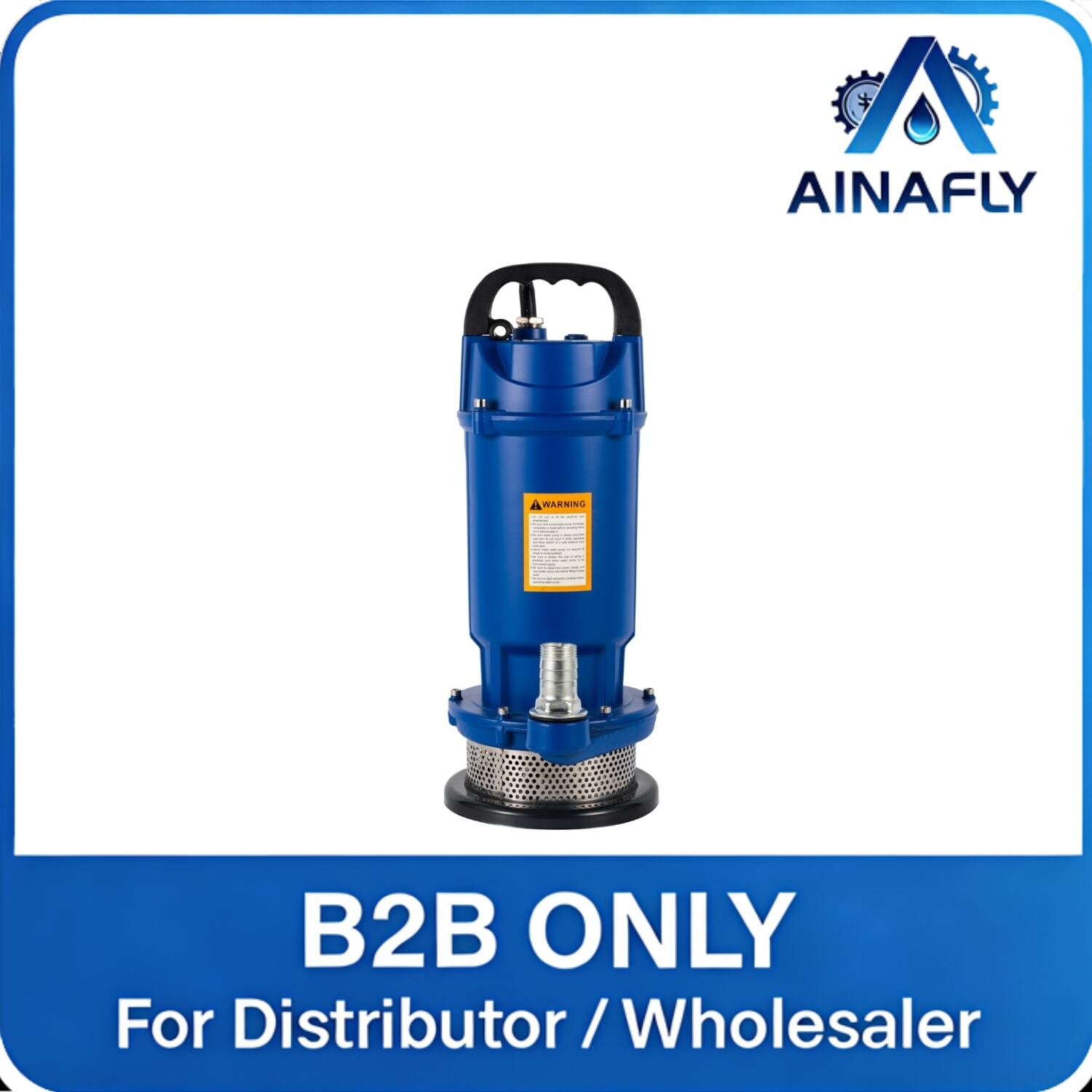
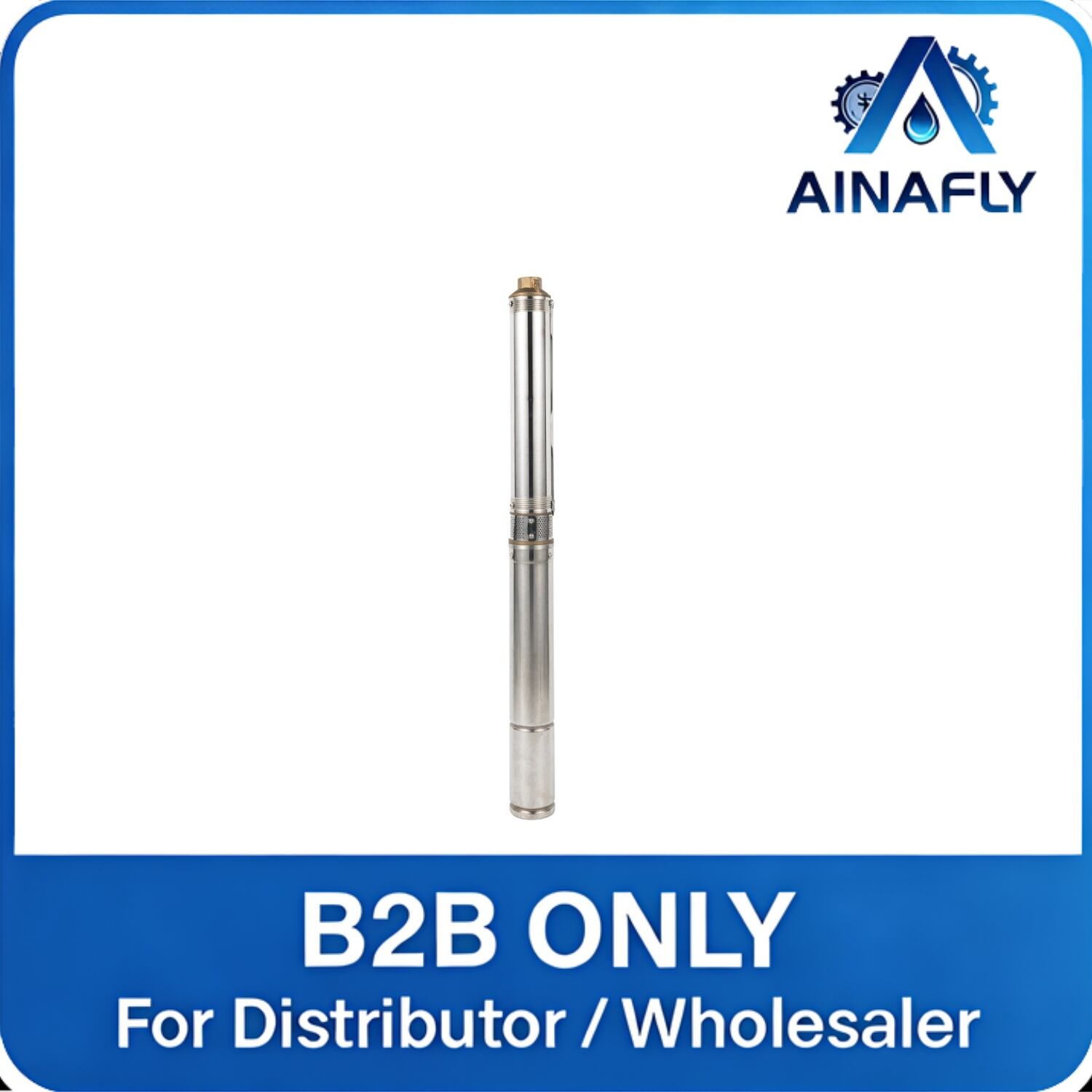
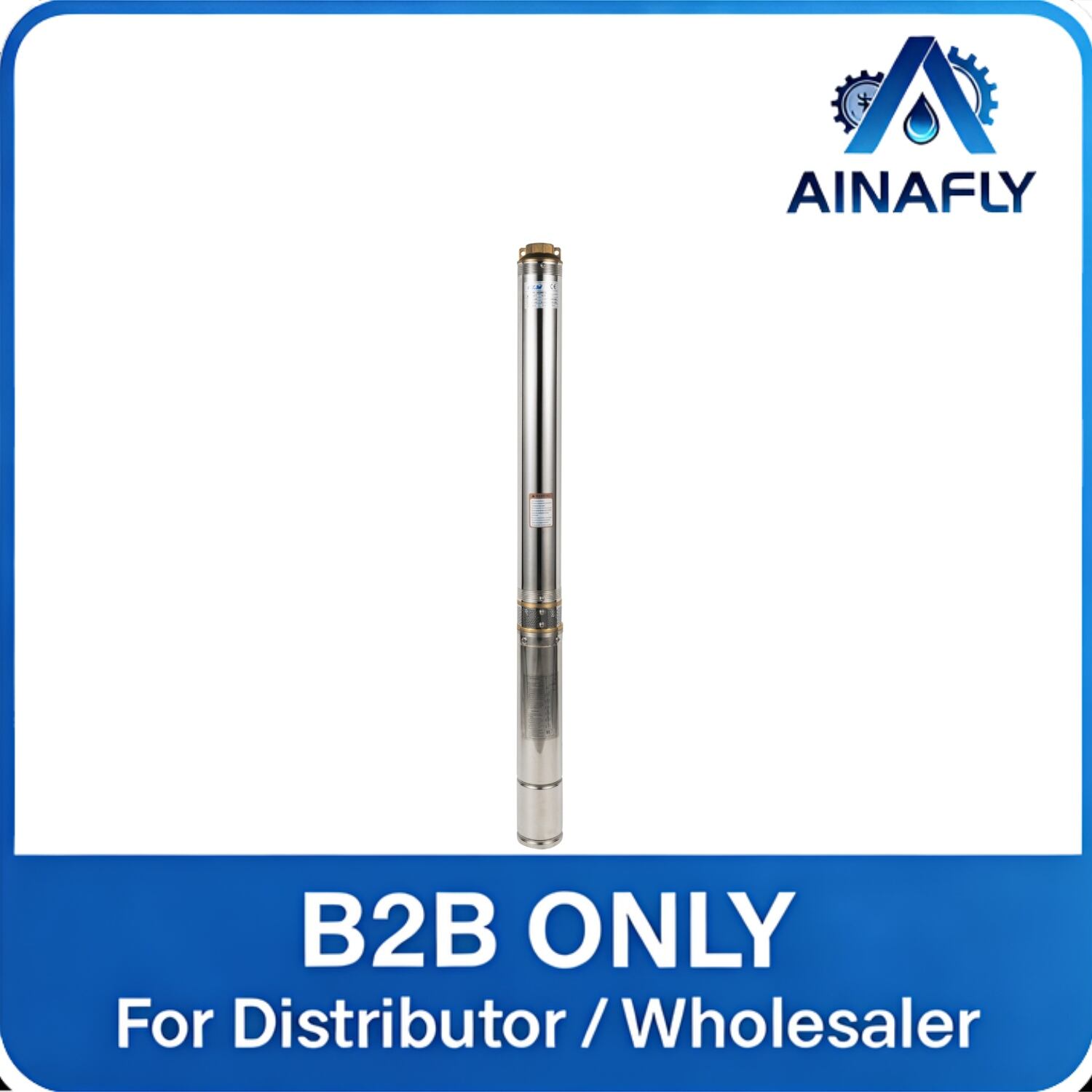
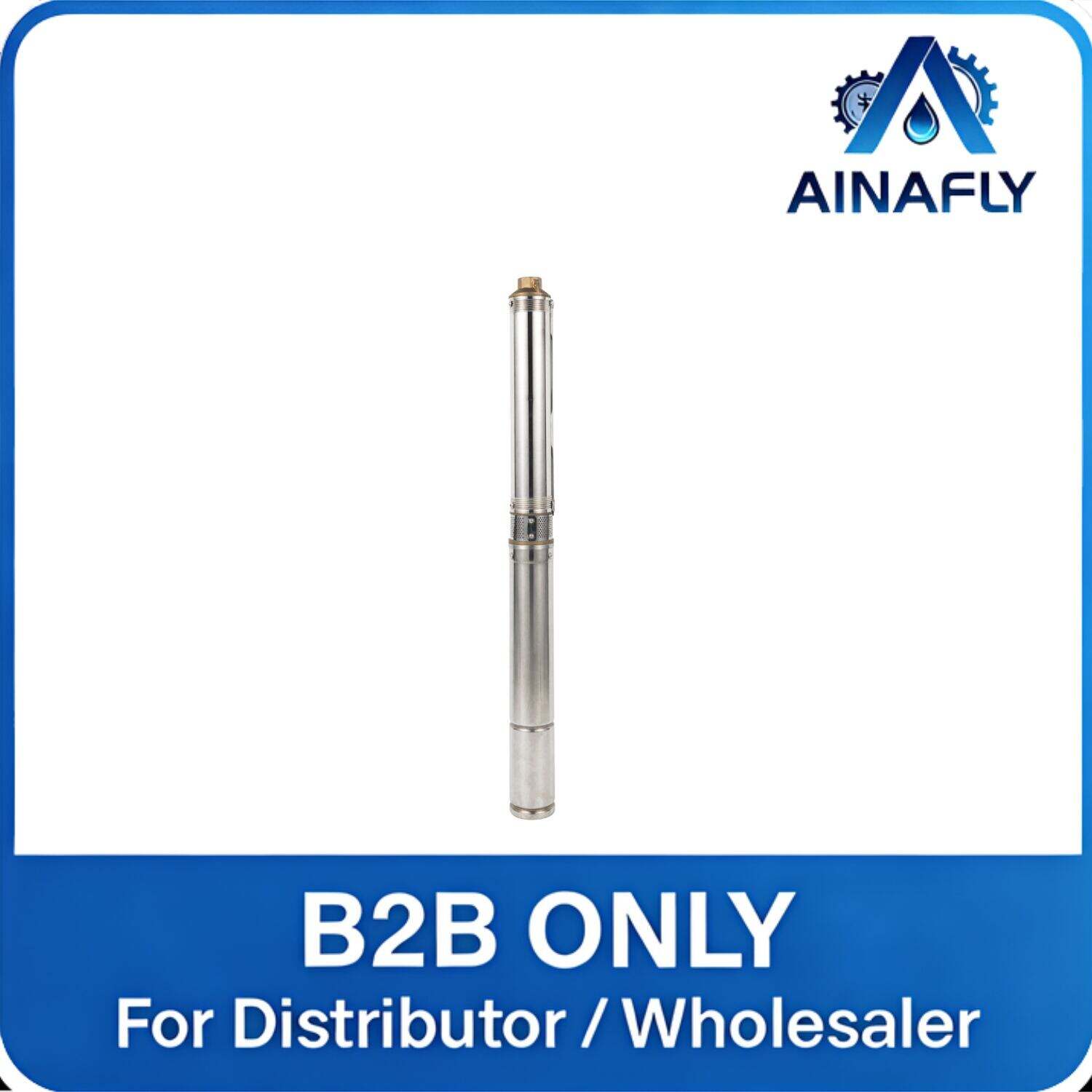
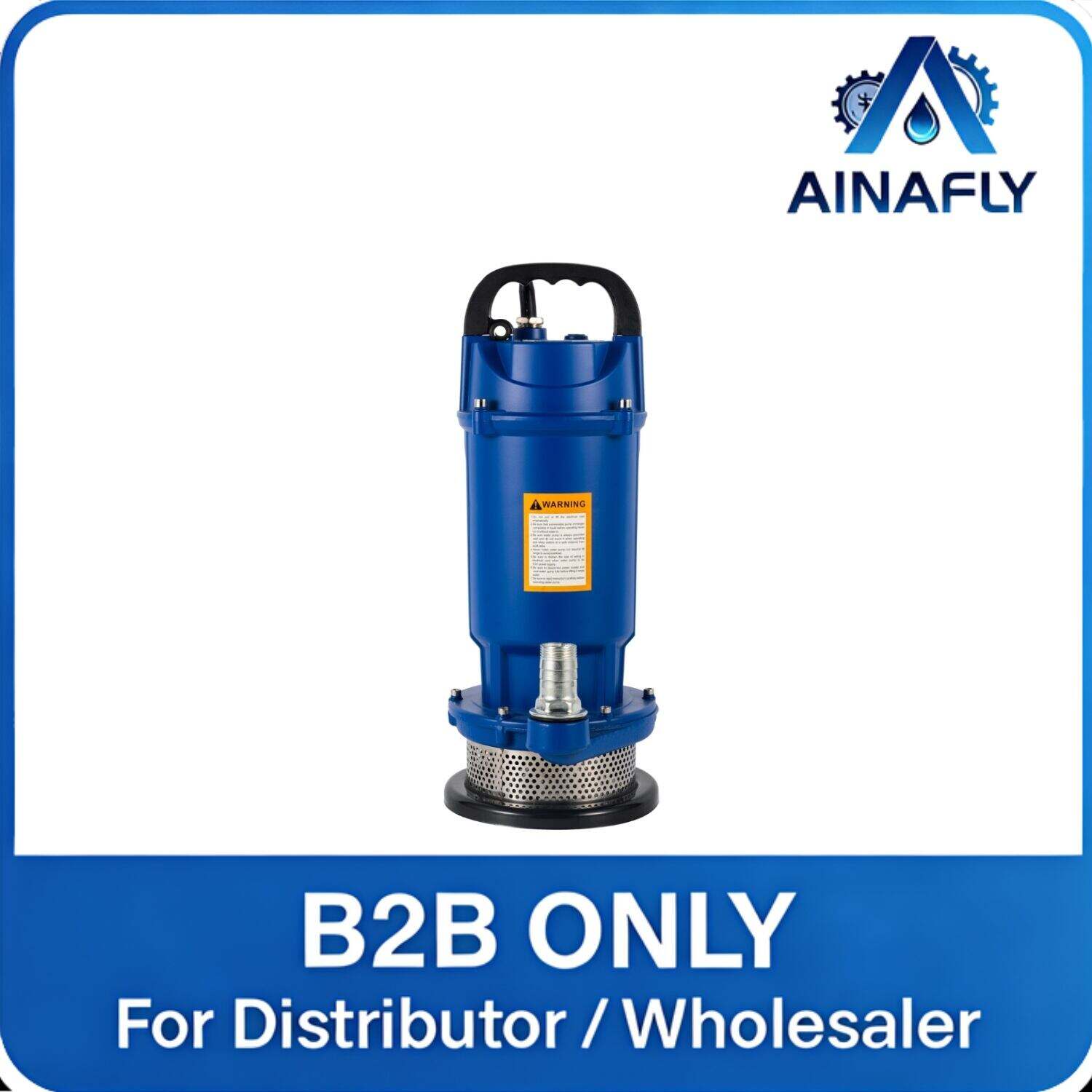
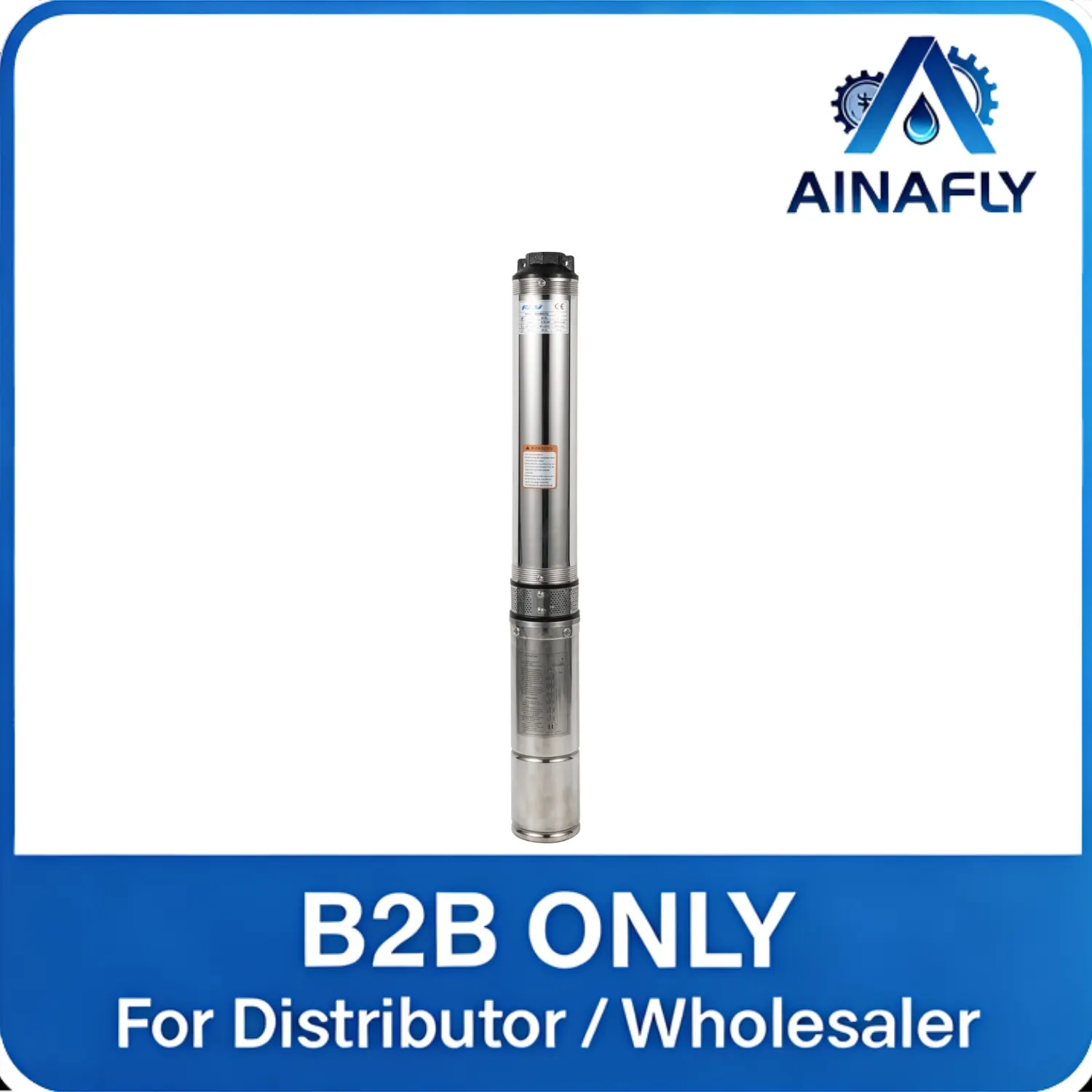
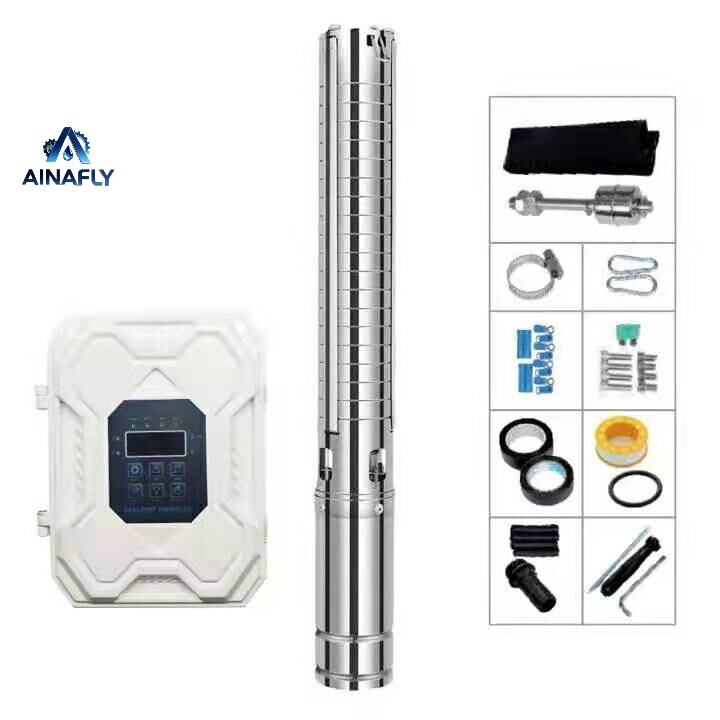
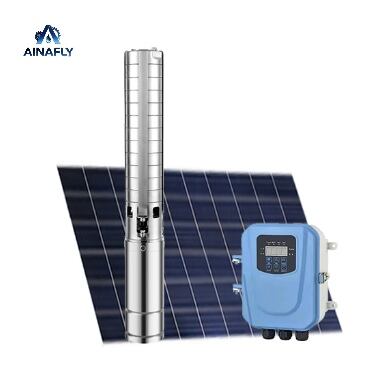
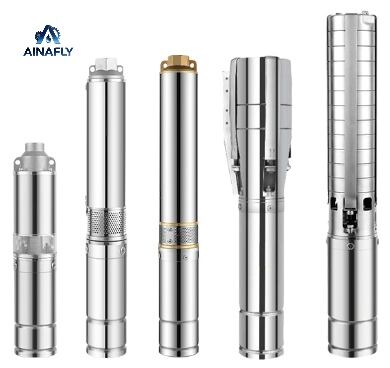
Industrial wastewater pumps serve as critical components in manufacturing facilities, processing plants, and commercial establishments where contaminated water must be efficiently transported and managed. These specialized pumping systems handle various types of wastewater including chemical effluents, food processing residues, pharmaceutical waste, and general industrial discharge. The primary function of industrial wastewater pumps revolves around moving contaminated water from production areas to treatment facilities or disposal systems while maintaining operational efficiency and environmental compliance. These pumps feature robust construction designed to withstand harsh operating conditions including corrosive chemicals, abrasive particles, and varying temperature ranges. The technological framework incorporates advanced materials such as stainless steel, cast iron, and specialized alloys that resist chemical degradation and mechanical wear. Modern industrial wastewater pumps utilize sophisticated impeller designs that prevent clogging while maintaining consistent flow rates even when handling liquids containing suspended solids or fibrous materials. Variable speed drive technology allows operators to adjust pumping capacity based on real-time demand, optimizing energy consumption and extending equipment lifespan. Smart monitoring systems integrated into these pumps provide continuous performance data including flow rates, pressure levels, and motor temperatures, enabling predictive maintenance strategies that minimize unexpected downtime. Applications span across diverse industries including textile manufacturing where dye-contaminated water requires careful handling, pharmaceutical production facilities managing complex chemical waste streams, food processing plants dealing with organic matter and cleaning solutions, and petrochemical refineries processing hydrocarbon-contaminated water. Municipal wastewater treatment plants rely extensively on industrial wastewater pumps for various stages of the treatment process including raw sewage transport, sludge handling, and treated water distribution. The versatility of these pumping systems extends to mining operations where they manage water containing heavy metals and mineral particles, demonstrating their adaptability to challenging industrial environments while maintaining reliable performance standards.


New Product Releases

Industrial wastewater pumps deliver substantial cost savings through their exceptional durability and extended operational lifespan, reducing the frequency of equipment replacements and minimizing maintenance expenses. These pumps operate continuously for extended periods without requiring frequent servicing, allowing businesses to focus resources on core operations rather than equipment maintenance. The energy efficiency of modern industrial wastewater pumps significantly reduces electricity consumption compared to older pumping technologies, resulting in lower utility bills and improved environmental sustainability. Advanced motor designs and optimized hydraulic components work together to maximize pumping efficiency while minimizing power requirements. Reliability stands as a cornerstone benefit, as these pumps maintain consistent performance even under demanding conditions including high temperatures, corrosive environments, and varying liquid viscosities. This dependability ensures uninterrupted wastewater management processes, preventing costly production delays and potential environmental violations. The versatility of industrial wastewater pumps enables them to handle diverse liquid types and concentrations, eliminating the need for multiple specialized pumping systems and simplifying facility infrastructure. Operators appreciate the user-friendly control systems that allow easy monitoring and adjustment of pumping parameters without requiring extensive technical training. Automated features reduce manual intervention requirements, minimizing labor costs and reducing the risk of human error during operations. The compact design of many industrial wastewater pumps optimizes facility space utilization, allowing installation in confined areas without compromising performance or accessibility for maintenance activities. Environmental compliance becomes achievable through precise flow control and leak-prevention features that minimize the risk of contamination incidents. These pumps contribute to regulatory compliance by ensuring proper wastewater handling and transport according to environmental standards. The modular construction of industrial wastewater pumps facilitates easy component replacement and system upgrades, extending equipment life while adapting to changing operational requirements. This flexibility allows businesses to scale their wastewater management capabilities without complete system overhauls. Quick installation processes minimize facility downtime during equipment deployment, enabling rapid integration into existing wastewater management systems and reducing implementation costs associated with extended installation periods.

Practical Tips

What Are the Key Advantages of Using a Jet Pump for Residential Supply?

02

Jan

What Are the Key Advantages of Using a Jet Pump for Residential Supply?

Modern residential water systems require reliable pumping solutions that deliver consistent performance while maintaining cost efficiency. A jet pump represents one of the most versatile and dependable options available for homeowners seeking to esta...
View More
How Can Proper Installation Improve Jet Pump Performance?

06

Jan

How Can Proper Installation Improve Jet Pump Performance?

Proper installation is the cornerstone of optimal jet pump performance, directly influencing efficiency, longevity, and operational reliability. A well-installed jet pump system not only delivers consistent water flow but also minimizes energy consum...
View More
What Applications Are Best Suited for a Surface Pump System?

17

Feb

What Applications Are Best Suited for a Surface Pump System?

Understanding the optimal applications for a surface pump system is crucial for engineers and facility managers who need reliable water movement solutions. A surface pump operates above ground level, drawing water from wells, tanks, or water sources ...
View More
What Installation Considerations Are Critical for Deep Well Pumps?

28

Feb

What Installation Considerations Are Critical for Deep Well Pumps?

Installing a deep well pump requires careful planning and adherence to specific technical requirements to ensure optimal performance and longevity. Whether you're setting up a new water supply system for agricultural irrigation, residential use, or i...
View More

Get a Free Quote

Our representative will contact you soon.
Email
Name
Company Name
Message
0/1000

industrial wastewater pumps

Advanced Corrosion Resistance Technology

Advanced Corrosion Resistance Technology

Industrial wastewater pumps incorporate cutting-edge corrosion resistance technology that represents a revolutionary advancement in wastewater management equipment. This sophisticated protection system utilizes multi-layered coating applications and specialized alloy compositions specifically engineered to withstand the most aggressive chemical environments encountered in industrial settings. The corrosion resistance technology begins with carefully selected base materials including duplex stainless steel, Hastelloy, and specialized polymer compounds that demonstrate exceptional chemical inertness across a broad spectrum of pH levels and chemical concentrations. These materials undergo proprietary surface treatment processes that create molecular-level barriers against chemical attack, ensuring long-term structural integrity even when exposed to acids, alkalis, solvents, and other corrosive substances commonly found in industrial wastewater streams. The advanced coating systems feature multiple protective layers, each serving specific functions in the overall corrosion prevention strategy. The primer layer provides exceptional adhesion to the base material while offering initial chemical resistance, followed by barrier coats that prevent chemical penetration, and finished with topcoats designed to resist abrasion and provide visual indication of coating integrity. This multi-layer approach ensures comprehensive protection that significantly extends pump lifespan compared to conventional coating systems. The technology incorporates cathodic protection principles where sacrificial anodes strategically placed throughout the pump assembly provide electrochemical protection against galvanic corrosion, particularly important when handling wastewater containing dissolved salts and metallic ions. Regular monitoring systems track the effectiveness of corrosion protection measures, providing early warning indicators when protective systems require maintenance or renewal. The economic benefits of this advanced corrosion resistance technology are substantial, as customers experience dramatically reduced maintenance costs, extended equipment replacement cycles, and minimized risk of catastrophic failure that could result in environmental contamination or production interruptions. This technology enables industrial wastewater pumps to operate reliably in applications previously considered too aggressive for conventional pumping equipment, expanding operational possibilities while maintaining stringent safety and environmental protection standards.
Intelligent Monitoring and Control Systems

Intelligent Monitoring and Control Systems

Industrial wastewater pumps feature sophisticated intelligent monitoring and control systems that transform traditional pumping operations into smart, data-driven processes capable of optimizing performance while preventing costly failures before they occur. These advanced systems integrate multiple sensor technologies including vibration monitoring, temperature measurement, flow rate detection, and pressure analysis to create comprehensive real-time operational profiles that enable unprecedented insight into pump performance characteristics. The intelligent control architecture utilizes machine learning algorithms that continuously analyze operational data patterns to identify subtle changes in performance metrics that may indicate developing issues long before they become apparent through conventional monitoring methods. This predictive capability allows maintenance teams to schedule interventions during planned downtime rather than responding to emergency failures that disrupt production schedules and incur substantial repair costs. The monitoring systems feature customizable alert thresholds that can be adjusted based on specific operational requirements and historical performance data, ensuring that operators receive timely notifications about conditions requiring attention without being overwhelmed by false alarms or routine variations. Remote connectivity capabilities enable facility managers to monitor pump performance from any location using smartphones, tablets, or computer interfaces, providing flexibility for multi-site operations and enabling rapid response to developing situations. The control systems automatically adjust pumping parameters based on real-time demand signals and system feedback, optimizing energy consumption while maintaining required flow rates and pressure levels throughout varying operational conditions. Data logging capabilities create comprehensive historical records of pump performance that prove invaluable for identifying long-term trends, optimizing maintenance schedules, and demonstrating regulatory compliance through detailed operational documentation. The intelligent systems integrate seamlessly with existing facility management software and industrial control networks, enabling centralized monitoring and control of multiple pumps across complex industrial facilities. Advanced diagnostic capabilities provide detailed fault analysis when issues occur, significantly reducing troubleshooting time and enabling more effective repair strategies that address root causes rather than symptoms. These monitoring and control systems deliver exceptional value by maximizing equipment uptime, optimizing energy efficiency, reducing maintenance costs, and providing the operational visibility necessary for continuous improvement in wastewater management processes.
Superior Solids Handling Capabilities

Superior Solids Handling Capabilities

Industrial wastewater pumps demonstrate exceptional solids handling capabilities that enable reliable operation in challenging applications where conventional pumps fail due to clogging, wear, or performance degradation when processing liquids containing suspended particles, fibrous materials, and abrasive components. This superior performance stems from innovative impeller designs that incorporate advanced hydraulic engineering principles to create flow patterns that efficiently transport solids while minimizing internal turbulence and wear-inducing contact between particles and pump components. The specialized impeller geometries feature enlarged flow passages, optimized blade angles, and smooth internal surfaces that prevent material accumulation and reduce the likelihood of blockages that commonly plague standard pumping equipment when handling contaminated wastewater streams. Advanced materials selection plays a crucial role in solids handling performance, with pump components manufactured from wear-resistant alloys and specialized polymers that maintain dimensional stability and surface integrity even under continuous exposure to abrasive particles and corrosive chemicals. The pump casing designs incorporate generous clearances and streamlined flow paths that accommodate varying solids concentrations without compromising pumping efficiency or requiring frequent maintenance interventions. Self-cleaning mechanisms integrated into the pump design utilize hydraulic forces generated during normal operation to continuously clear potential obstruction points, maintaining optimal flow characteristics throughout extended operating periods. The solids handling capabilities extend to managing fibrous materials such as textile waste, food processing residues, and paper mill effluents that typically cause severe operational problems in conventional pumps through wrapping around impellers or accumulating in volute chambers. Special cutting mechanisms and shredding features incorporated into select models pre-process larger solids and fibrous materials, reducing them to manageable sizes that can be efficiently transported through downstream piping systems without creating bottlenecks or maintenance issues. Variable speed control systems automatically adjust pumping rates based on solids concentration levels, maintaining optimal transport velocities that prevent settling while avoiding excessive energy consumption during periods of lower solids loading. The economic advantages of superior solids handling capabilities are significant, as customers experience reduced downtime for cleaning and maintenance, lower replacement part costs due to minimized wear, and improved overall system reliability that enables consistent wastewater processing operations essential for maintaining production schedules and environmental compliance requirements.

Get a Free Quote

Our representative will contact you soon.
Email
Name
Company Name
Message
0/1000

Copyright © 2026 Zhejiang Aina Pump Co., Ltd. Beijing All rights reserved.  -  Privacy policy