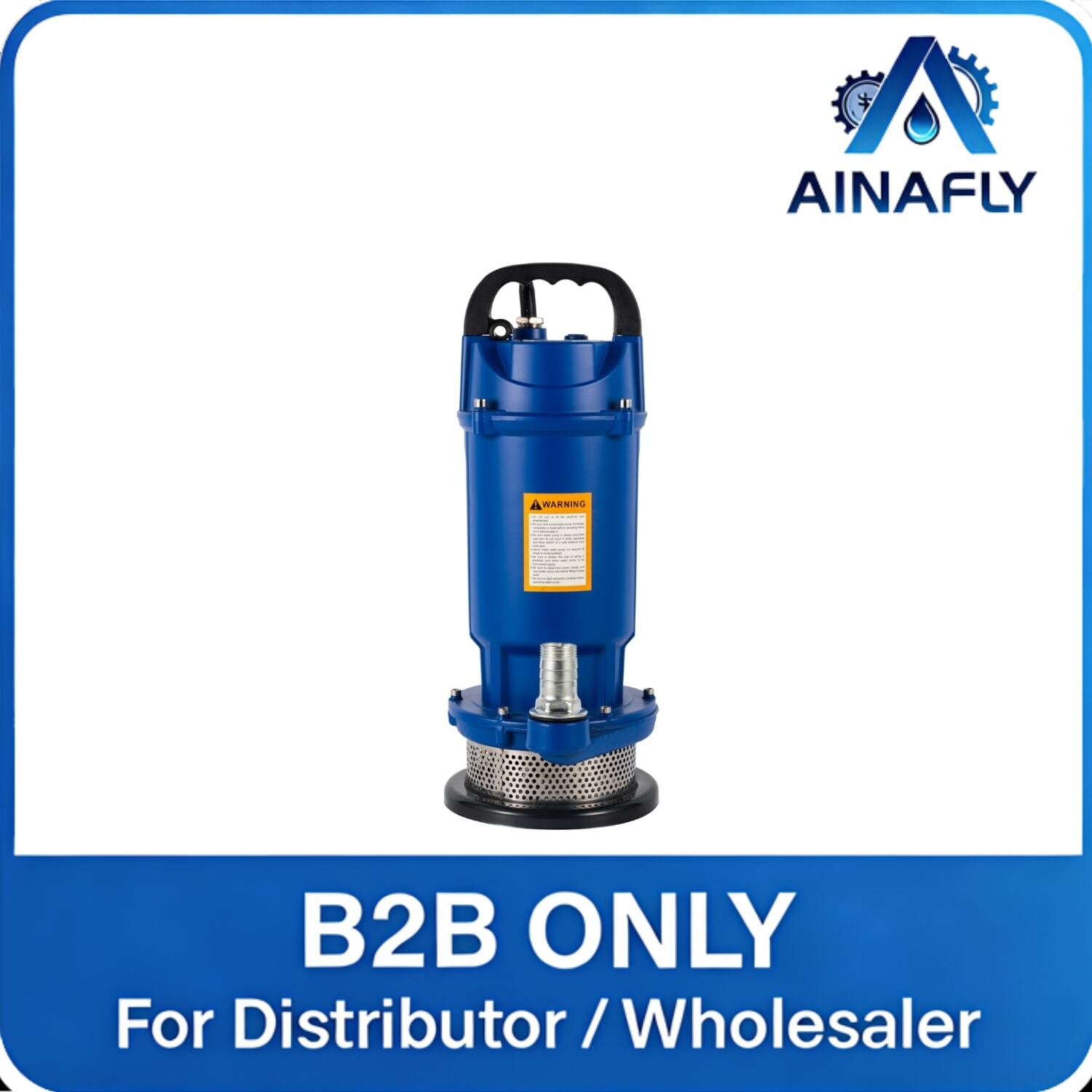
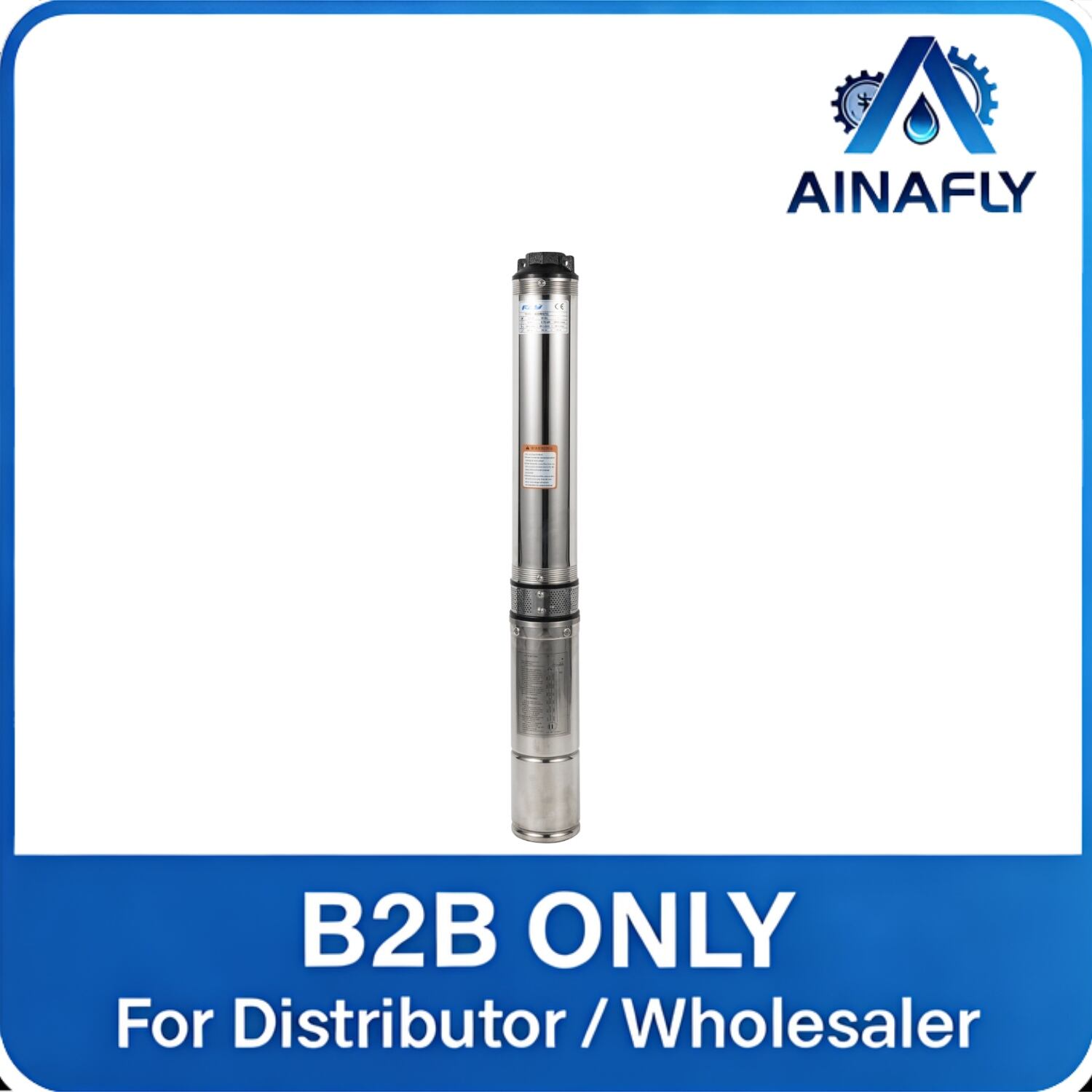
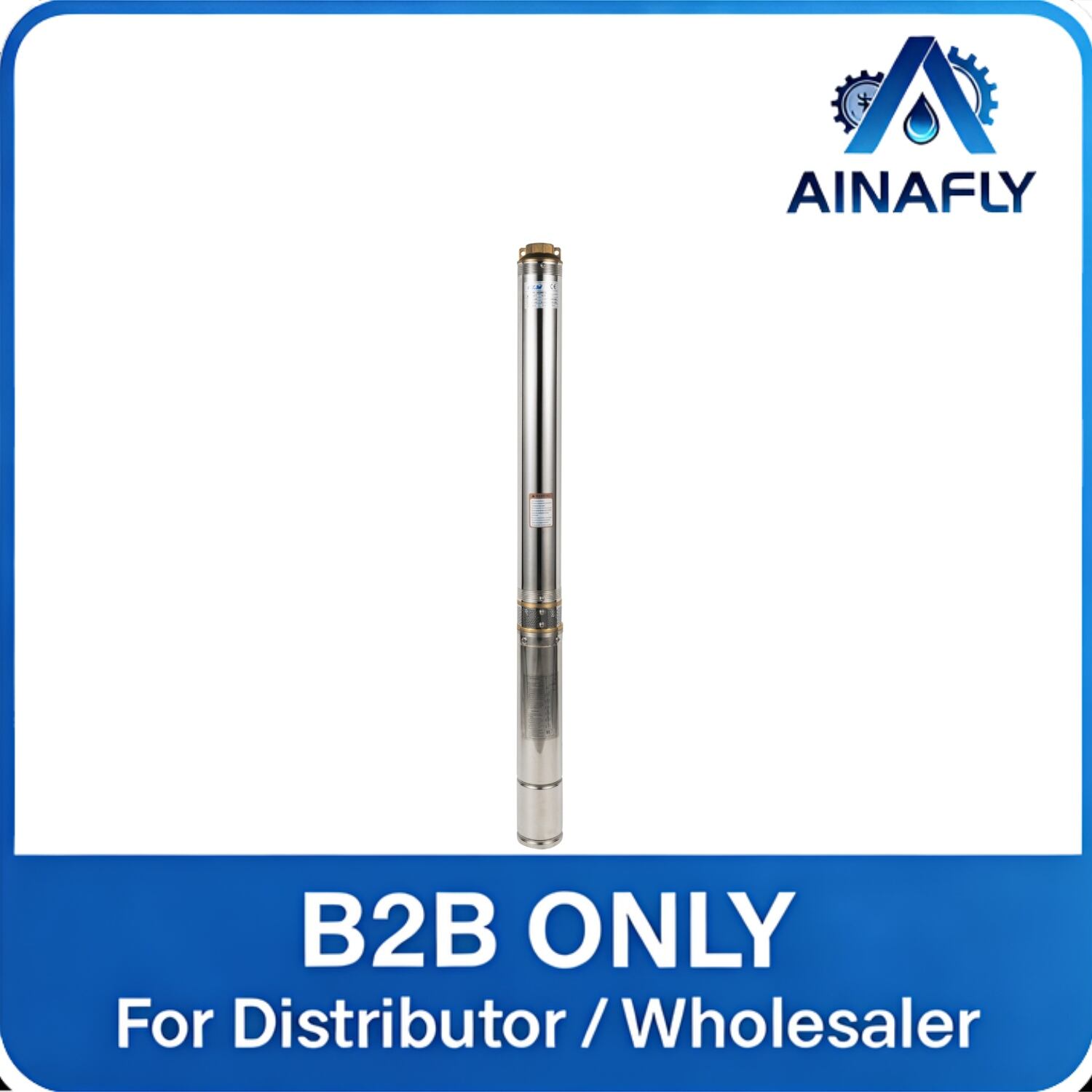
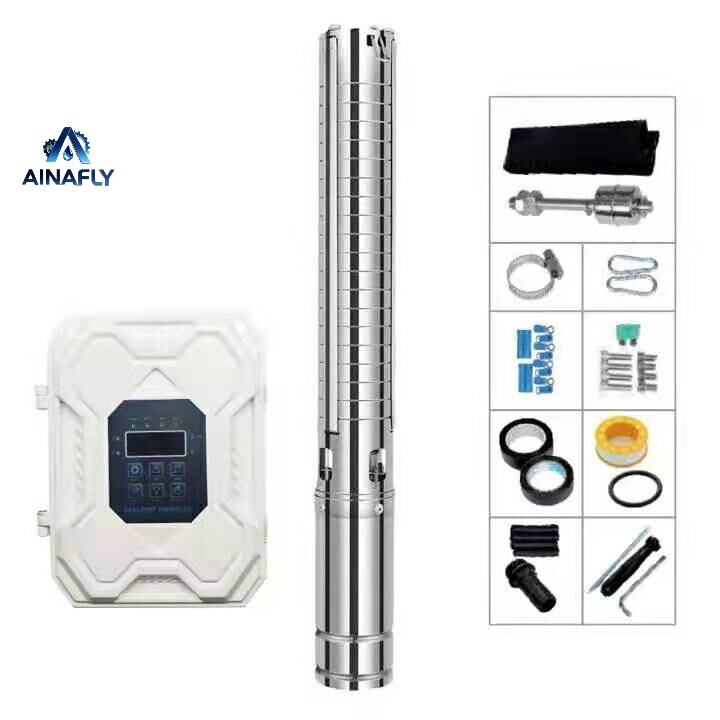
stainless steel well pump
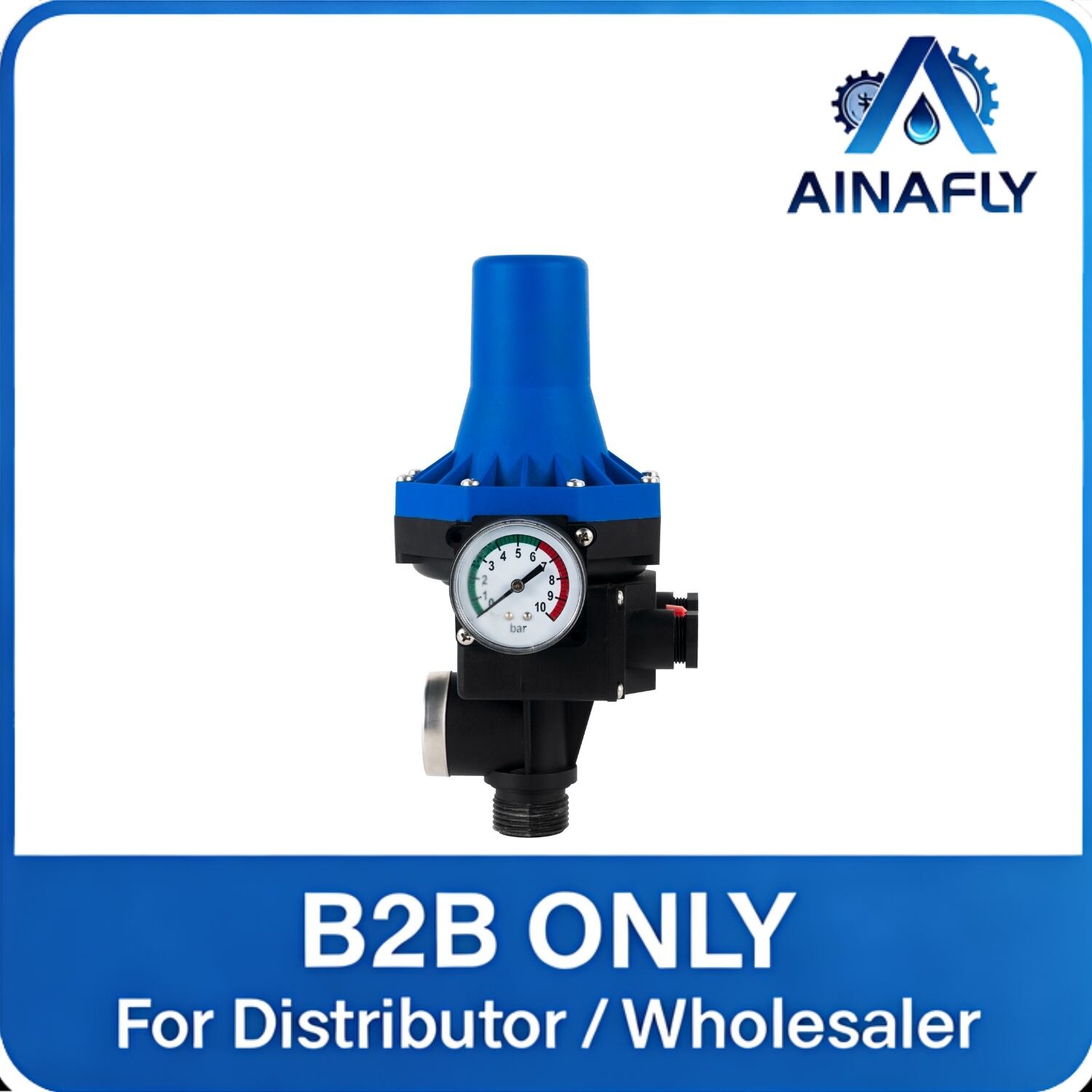
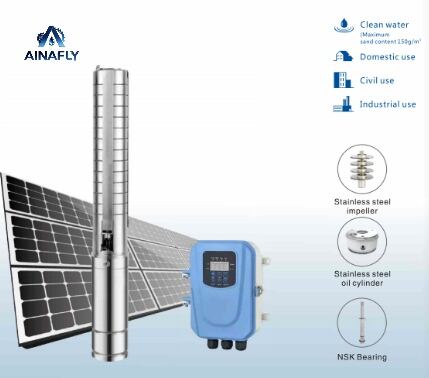
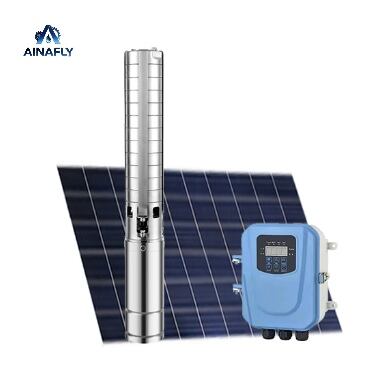
A stainless steel well pump represents an essential water extraction solution designed to deliver consistent and reliable groundwater access for residential, commercial, and agricultural applications. These sophisticated pumping systems combine advanced engineering with corrosion-resistant materials to provide long-lasting performance in demanding underground environments. The primary function of a stainless steel well pump centers on drawing water from underground sources through deep wells, boreholes, or water reservoirs, making it accessible for various consumption and utilization purposes. The technological framework of these pumps incorporates precision-engineered impellers, robust motor assemblies, and specialized pump housings that work harmoniously to create powerful suction and pressure dynamics necessary for efficient water extraction. Modern stainless steel well pump designs feature variable speed controls, integrated pressure sensors, and automated operation capabilities that optimize energy consumption while maintaining consistent water pressure throughout distribution systems. The construction methodology emphasizes durability through the strategic use of grade 304 or 316 stainless steel components that resist oxidation, mineral buildup, and chemical degradation commonly encountered in underground water environments. Applications for stainless steel well pump systems span numerous sectors including residential water supply networks, irrigation systems for agricultural operations, industrial process water requirements, and emergency backup water sources for critical facilities. The versatility of these pumps makes them suitable for shallow wells ranging from 25 to 100 feet, as well as deep well installations extending beyond 300 feet below ground surface. Installation configurations accommodate both vertical and horizontal mounting options, depending on specific site requirements and spatial constraints. Advanced control systems integrate seamlessly with building automation networks, allowing remote monitoring and diagnostic capabilities that enhance operational efficiency and preventive maintenance scheduling.

 EN
EN