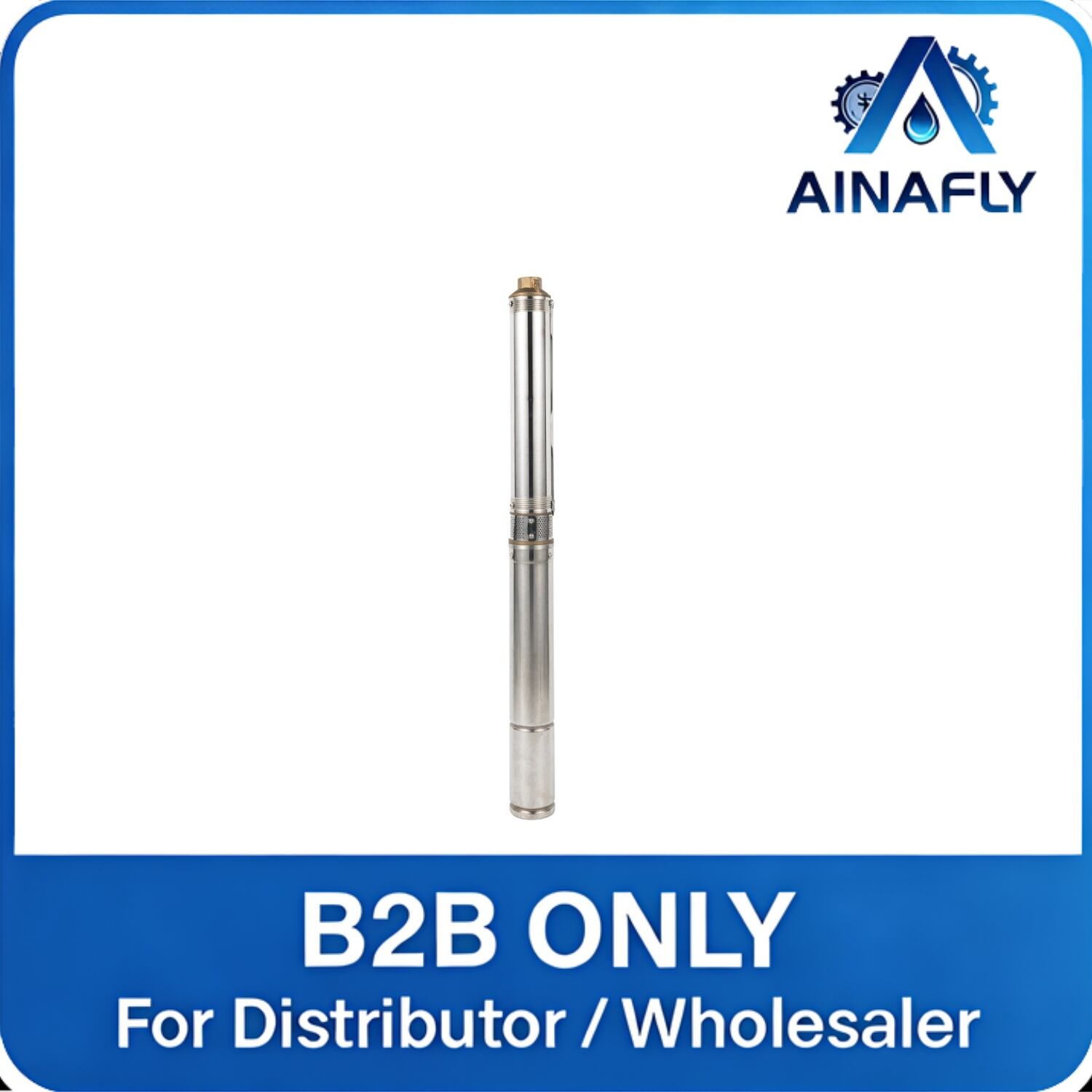
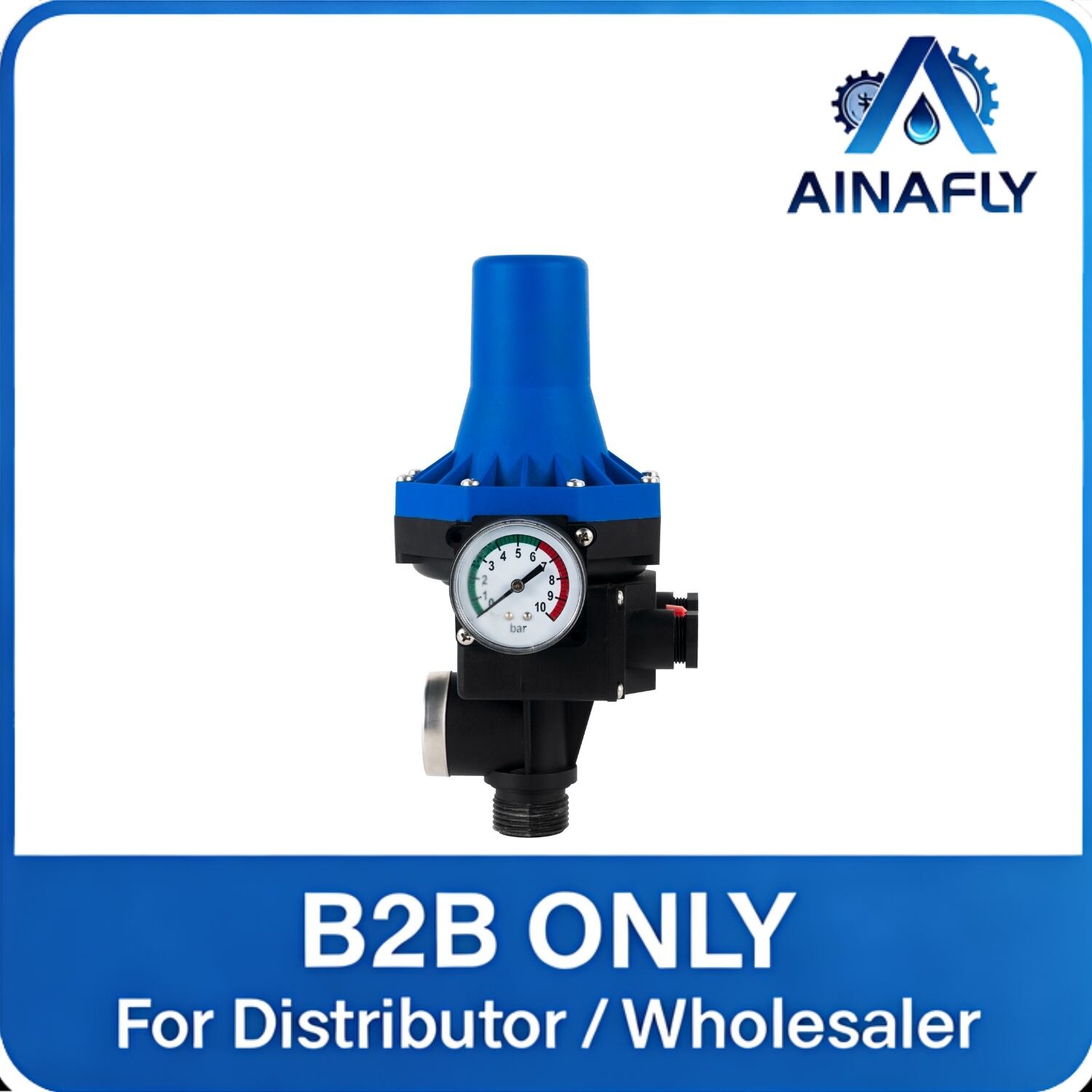
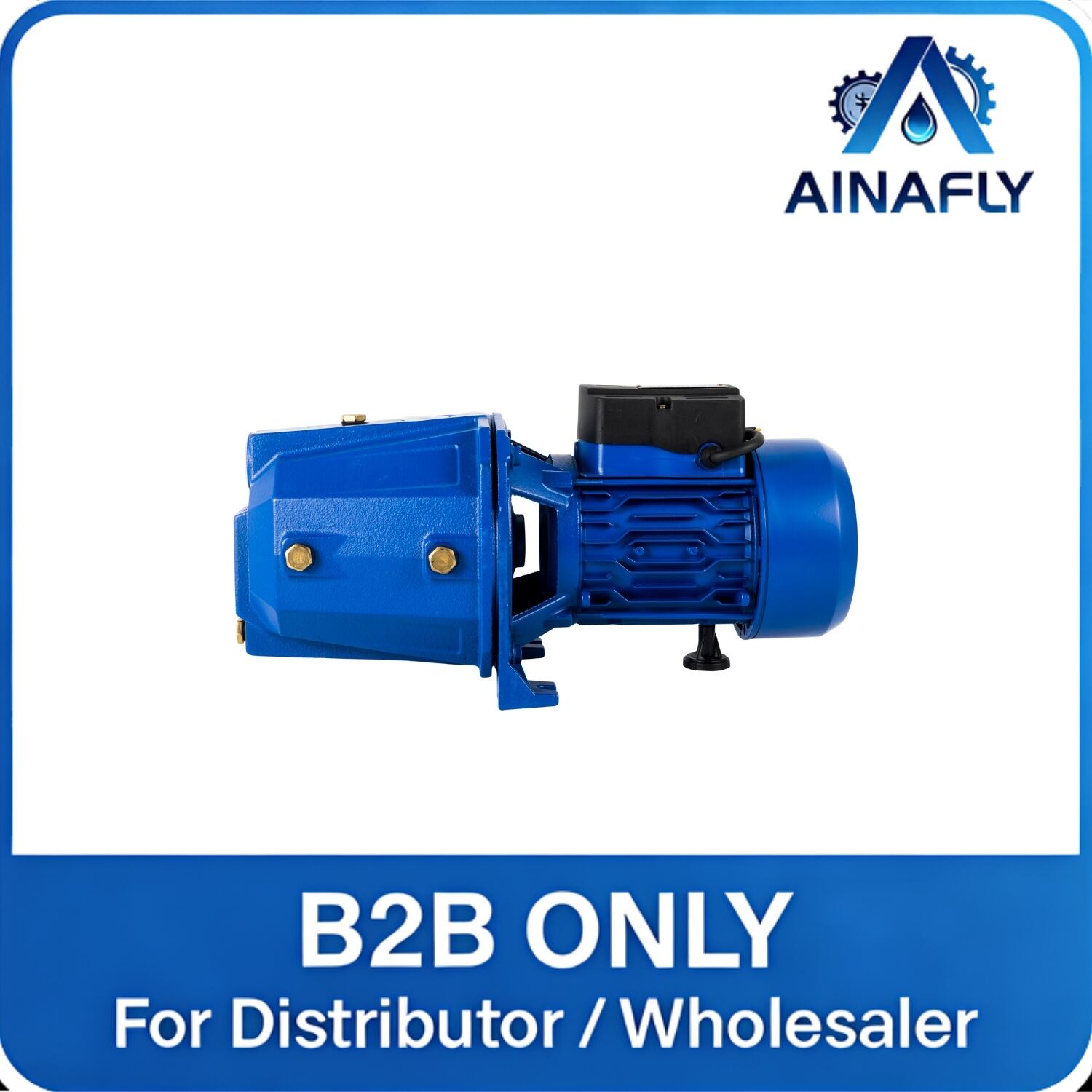
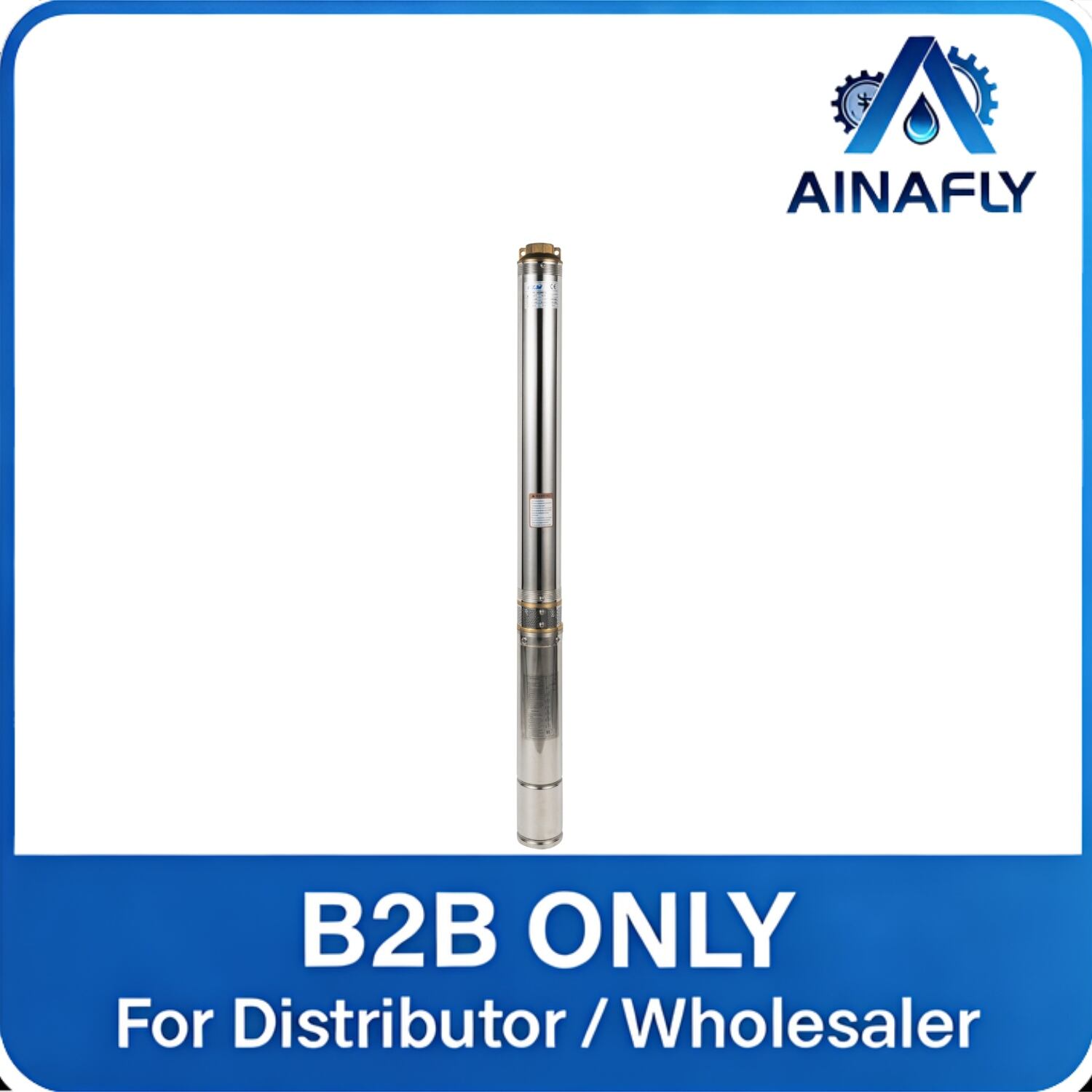
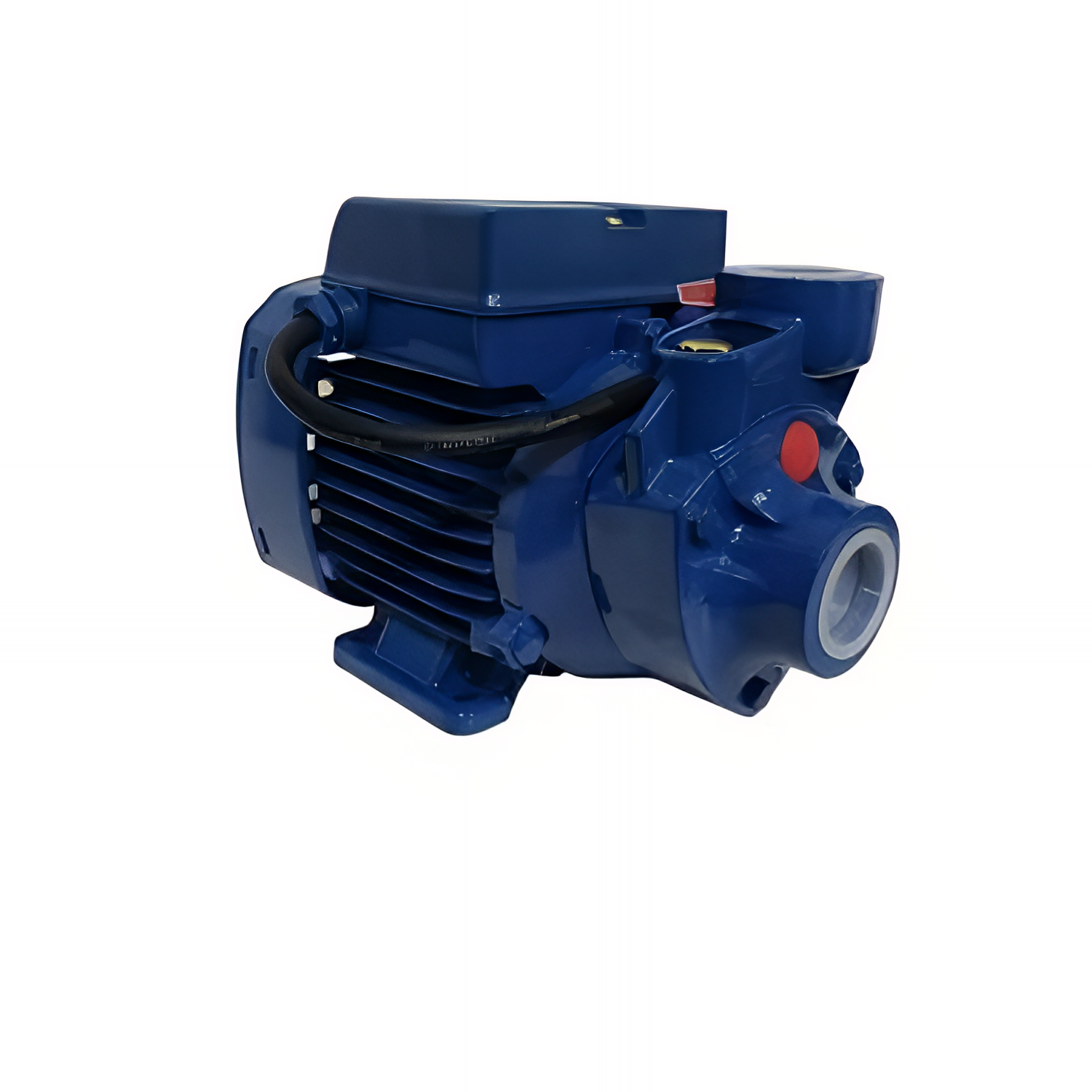
above ground water pump
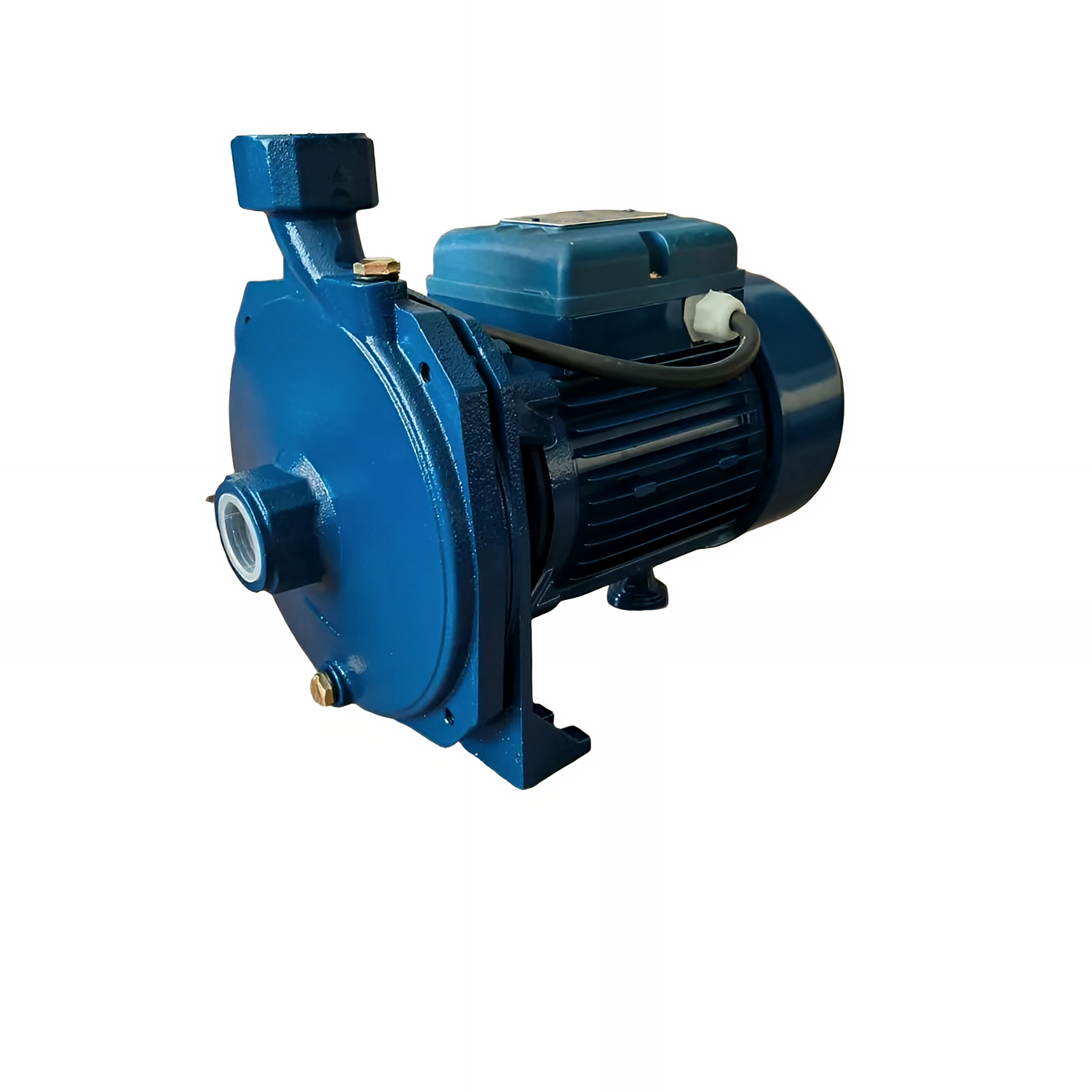
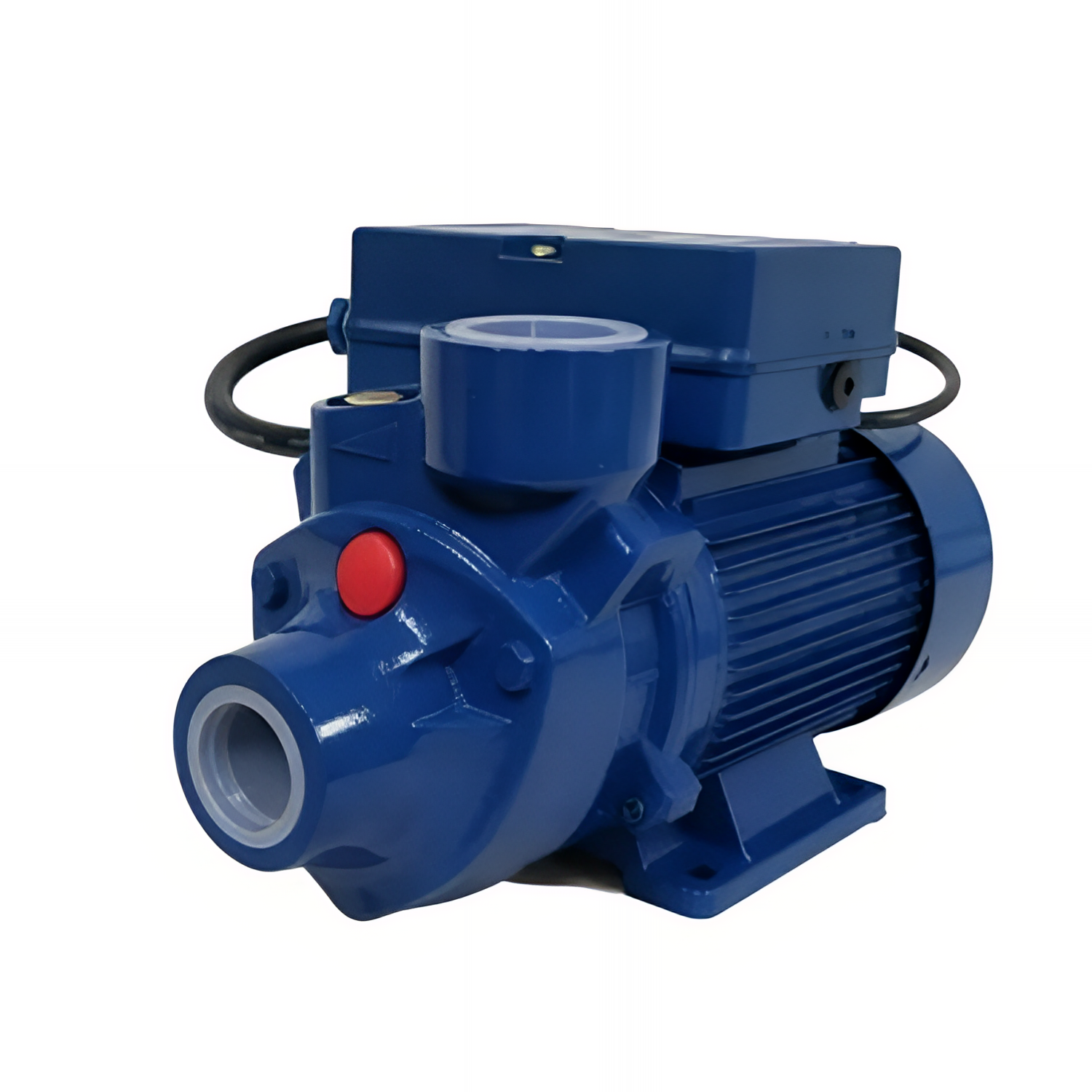
An above ground water pump represents a sophisticated pumping solution designed to move water efficiently from various sources to desired locations without requiring underground installation. This versatile equipment operates by drawing water through intake mechanisms and delivering it through discharge outlets, making it an essential tool for residential, commercial, and industrial applications. The above ground water pump features robust construction with corrosion-resistant materials that ensure long-lasting performance even in challenging environmental conditions. Modern above ground water pump systems incorporate advanced motor technologies that provide reliable operation while maintaining energy efficiency standards. These pumps utilize centrifugal force principles to create powerful suction capabilities, enabling them to handle various water types including clean water, slightly contaminated water, and specific liquid applications. The design philosophy behind every above ground water pump emphasizes accessibility for maintenance, user-friendly operation, and adaptable installation requirements. Key components include high-performance impellers, sealed motor housings, pressure switches, and integrated control systems that monitor operational parameters. The above ground water pump configuration allows for easy inspection, servicing, and troubleshooting without excavation requirements. Advanced models feature variable speed controls, automatic priming capabilities, and smart monitoring systems that optimize performance based on demand fluctuations. Installation flexibility makes the above ground water pump suitable for temporary applications, permanent installations, and mobile pumping requirements. These systems can handle diverse flow rates and pressure requirements, making them adaptable to small residential needs or large-scale industrial operations. The above ground water pump technology continues evolving with innovations in motor efficiency, noise reduction, and remote monitoring capabilities, ensuring these systems meet contemporary performance expectations while maintaining cost-effectiveness.

 EN
EN